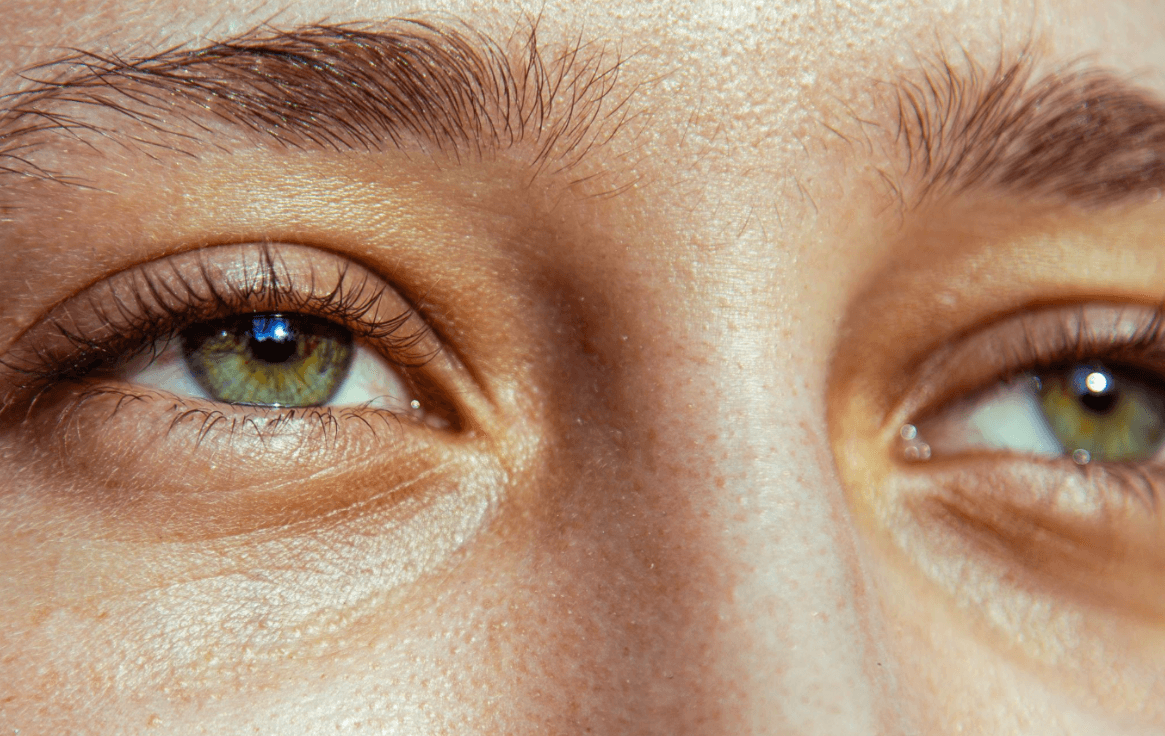

Eye twitching is characterised by spontaneous movements of the eye, eyelid muscles, or the surrounding facial muscles. This is a common issue affecting many people. In most situations, this twitching is completely normal and poses no serious health concerns.
Generally, an eyelid twitch manifests as a repetitive, involuntary contraction of the muscles around the eye. These twitches can occur sporadically and may last anywhere from a few seconds to several hours. For some individuals, chronic twitching can persist for days or even weeks. Fortunately, they are painless and self-limiting, often requiring no medical treatment.
While most twitches are benign, there are rare occasions when they may indicate an underlying movement disorder, particularly if accompanied by other facial tics or uncontrollable movements. Recognising the potential causes of eye twitching and finding effective ways to manage them can provide relief from this common condition.
What Does Eyelid Twitching Mean?
An eye twitch is an unusual blinking of your eyelid. This unusual blinking can occur multiple times throughout the day. If the twitching is intense, it may interfere with your vision. One muscle in the face is responsible for closing the eyelid, while another is in charge of raising it. Issues with either of these muscles (or sometimes both) can result in eye twitching. Other muscles around the eye can also play a role in this phenomenon. A lot of individuals experience eye twitches occasionally, particularly when they are tired or have consumed a significant amount of caffeine. Regular eye twitching is relatively rare. Though eye twitching can affect anyone, it tends to occur more frequently in middle-aged and older women.Eye twitching is classified into two types:
- Eyelid myokymia: This type reflects a mild case of sporadic eye twitching, which typically doesn’t require medical intervention for the majority of people.
- Benign essential blepharospasm: This type involves prolonged, involuntary contractions that can lead to either partial or total closure of the eyelids. People dealing with benign essential blepharospasm might experience significant functional challenges and may need continuous treatment for this condition.
Why Is My Eye Twitching? - Common Causes
Eye twitching can happen for many reasons, depending on the type of twitching. Some factors are common to all forms of eye twitching, while others may not directly cause it but can make it worse. The possible causes include:-
Stress
-
Fatigue
-
Caffeine and Alcohol Intake
-
Eye Strain
-
Dry Eyes
-
Allergies
-
Nutritional Deficiencies
-
Certain Drugs and Medicines
-
Insufficient Sleep
How to Stop Eyelid Twitching?
If you're wondering how to stop eyelid twitching, here are several effective remedies:-
Manage Stress
-
Get Adequate Sleep
-
Limit Caffeine and Alcohol
-
Stay Hydrated
-
Use Eye Drops
-
Eat a Balanced Diet
-
Take Breaks from Screens
Final Thoughts
Eye twitching can be an annoying yet benign issue triggered by factors like stress, fatigue, or dry eyes. Understanding the common causes & remedies can help you address the problem effectively. If you're experiencing persistent eyelid twitching, don't hesitate to seek medical advice to rule out underlying conditions.Good to know
Frequently asked questions
Still unsure? Our team is glad to talk you through anything before you book.
- You should see a doctor if the twitching lasts for a few weeks, if the area feels weak or stiff, or if your eyelid shuts completely every time it twitches.
- It's pretty normal for one eye to twitch. Common reasons for this include stress, fatigue, eye strain, too much caffeine or alcohol, dry eyes, lack of nutrients, and allergies. Most of the time, sudden eyelid twitching isn't serious and doesn't mean there's a health problem.
- Eye twitches are usually nothing to worry about and often go away on their own. However, sometimes they could suggest a lack of important nutrients like vitamin B12, vitamin D, magnesium, iron, or electrolytes.
- Twitching eyelids are common and can happen due to things like eye irritation, strain, or not getting enough sleep. If the twitching is severe or goes on for a long time, it might indicate a health issue that needs attention. An eyelid twitch is simply an involuntary spasm of the eyelid muscles.
- Eye twitching is generally harmless and temporary. However, persistent twitching or additional symptoms like facial spasms or vision changes may require medical attention.