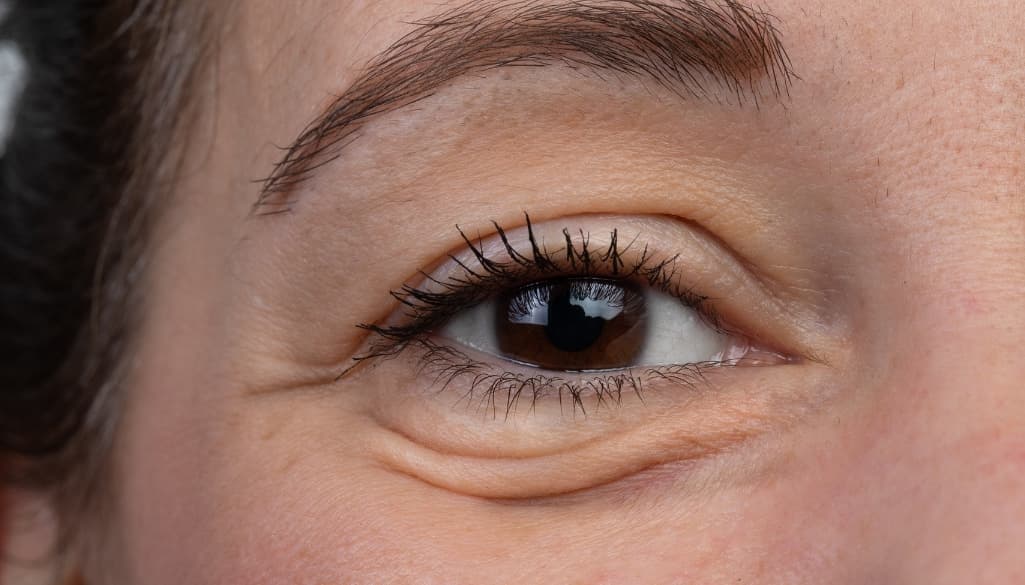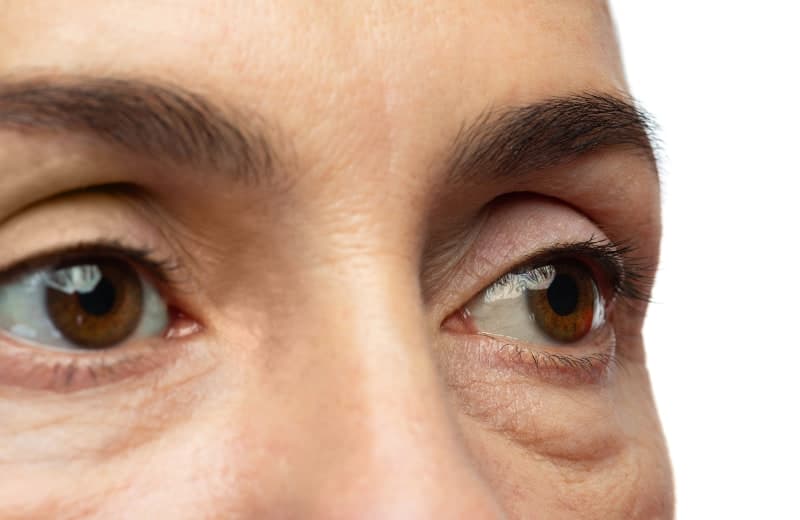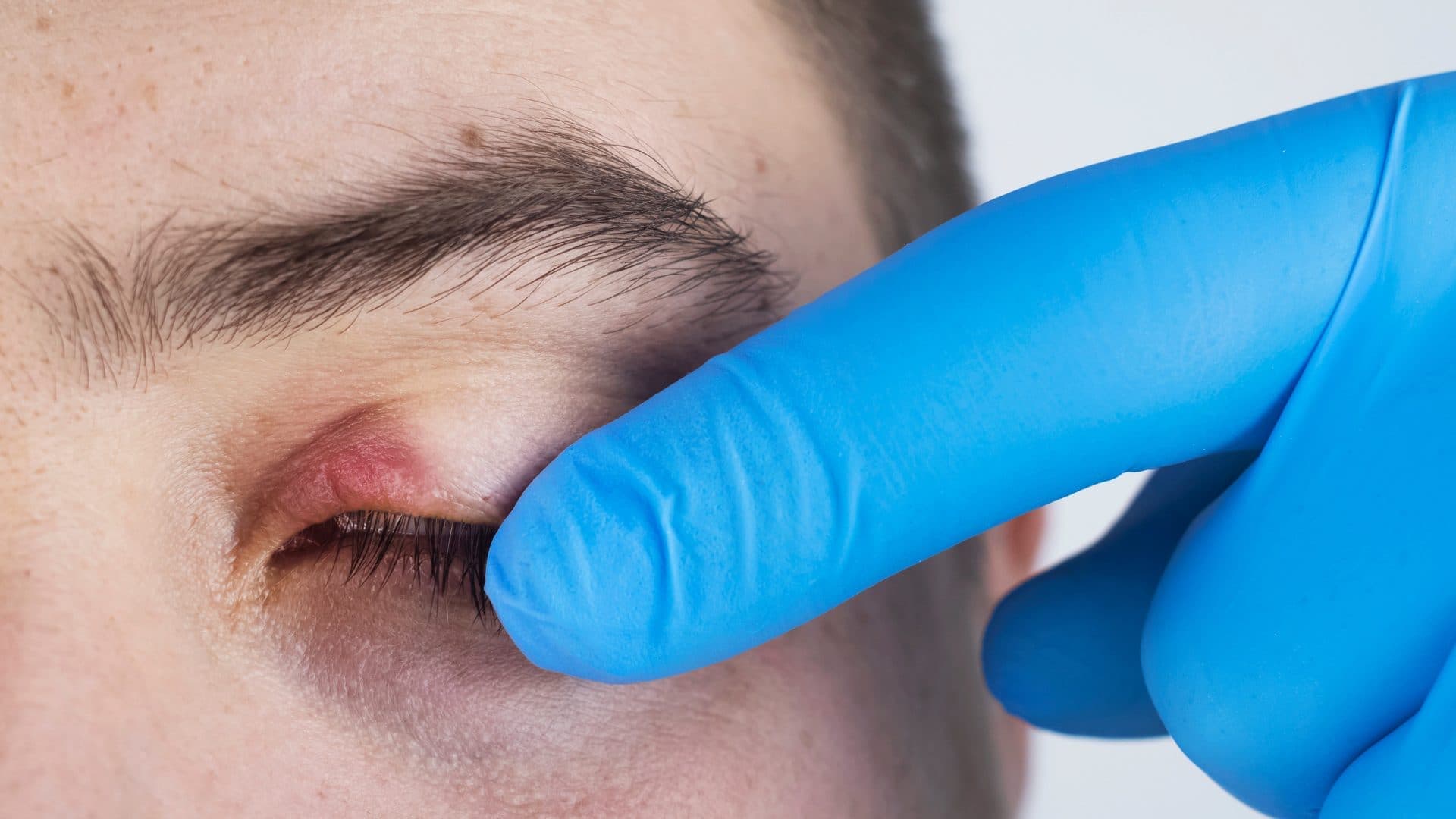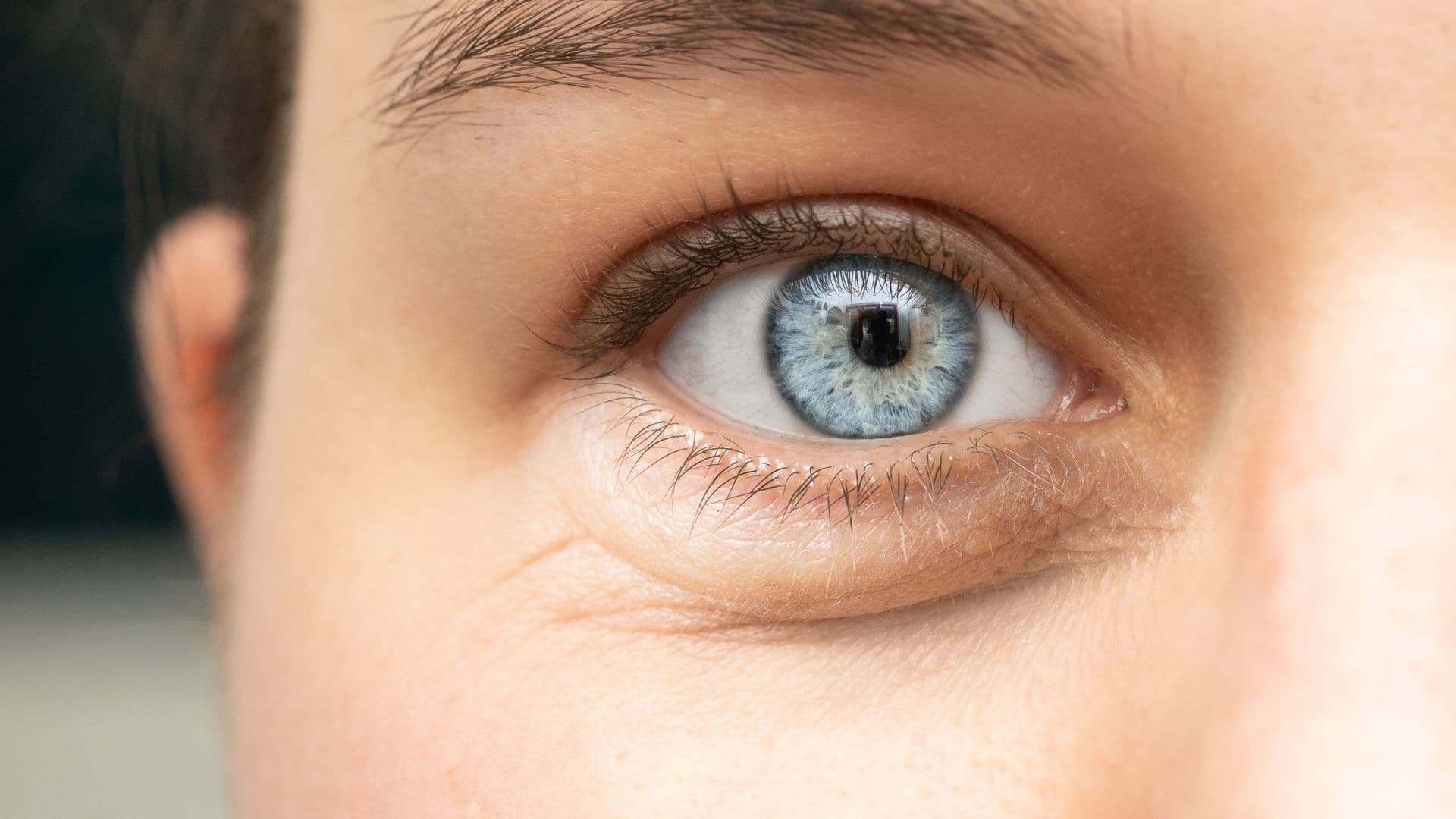
Have you noticed persistent puffiness sitting below your eyes but higher up on your cheeks? Perhaps it does not disappear after a good night's sleep, and skincare or concealer does little to change its appearance.
You may be looking at malar bags.
Malar bags can easily be mistaken for ordinary under-eye bags, but they are not quite the same. They develop around the upper cheek and lower eyelid area and can be caused by a combination of fluid retention, changes in the skin and supporting tissues, facial anatomy and the way fluid drains through the area.
For some people, malar bags are mild and fluctuate throughout the day. For others, the swelling can become more persistent and noticeable over time.
At The Perfect Eyes Clinic, understanding the causes of malar bags is an important first step because treatment needs to be tailored to what is actually causing the swelling.
In this guide, we explain the five main triggers behind malar bags, what you may notice, when they should be assessed and the treatment options available.
What Are Malar Bags?
Malar bags are areas of puffiness or swelling that develop over the upper cheeks, just below the lower eyelids and around the cheekbone area.
The area is anatomically complex. It contains skin, muscle, fat and lymphatic tissues, all of which can influence how the area looks.
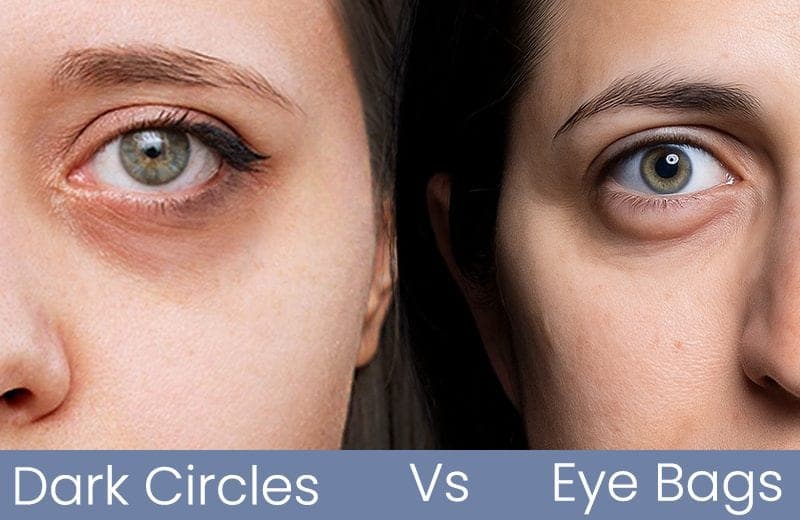
Malar bags are sometimes confused with ordinary under-eye bags. However, they are not exactly the same.
Traditional under-eye bags are usually related to fat protruding from the eye socket beneath the lower eyelid. Malar bags sit lower, over the cheekbone area.
They can also be confused with festoons and malar mounds. These terms overlap, but they describe slightly different patterns of swelling and tissue change.
The Perfect Eyes describes "malar bags" as a broad anatomical term that can include malar oedema, malar mounds and festoons, which may appear as swollen areas at the junction between the lower eyelid and upper cheek.
What Causes Malar Bags?
There is rarely just one reason why malar bags develop. The appearance can be influenced by your natural facial anatomy, changes that occur with ageing, fluid retention, sun damage and inflammation or allergies.
Here is a quick overview of the five main triggers and what you may notice:
| Possible cause | How it develops | What you may notice |
|---|---|---|
| Facial anatomy and genetics | Often develops naturally or becomes noticeable over time | Persistent fullness over the cheekbones |
| Ageing and tissue changes | Gradually over the years | Increased puffiness, skin laxity or more prominent bags |
| Fluid retention and lymphatic changes | Can fluctuate throughout the day | Puffiness is more noticeable in the morning, after salty foods or after hyaluronic acid dermal filler treatment |
| Sun damage and lifestyle factors | Builds up gradually over time | Thinner, less elastic skin and more visible swelling |
| Allergies and inflammation | Can develop during flare-ups or ongoing irritation | Swelling, puffiness or changes that come and go |
These causes can also overlap. For example, someone may have a natural tendency towards malar bags that becomes more noticeable with age, sun exposure or fluid retention.
The 5 Main Malar Bags Causes Explained
1. Facial Anatomy and Genetics
Sometimes, malar bags are simply part of your natural facial structure.
The way your skin, fat, muscle and connective tissues are arranged around your cheeks can make you more prone to fullness in the malar area.
Genetics can also play a role. If close family members have noticeable fullness or swelling over the cheekbones, you may have inherited a similar facial structure.
Malar mounds, in particular, can sometimes be present from a relatively young age and may have a familial component.
This type of malar fullness is not necessarily a sign that anything is wrong. However, it can become more noticeable as other changes occur around the eyes and cheeks.
2. Ageing and Changes in the Tissues
Ageing is another important factor.
As we get older, the skin gradually loses some of its elasticity, while the muscles and supporting tissues around the eyes and cheeks can also change.
Fat compartments can shift, and the tissues supporting the midface may become less firm. These changes can make existing malar bags more noticeable.
The lymphatic system in this area can also become less efficient, allowing fluid to accumulate more easily.
This is why malar bags may become more prominent with age, particularly when combined with other factors such as sun exposure or fluid retention.
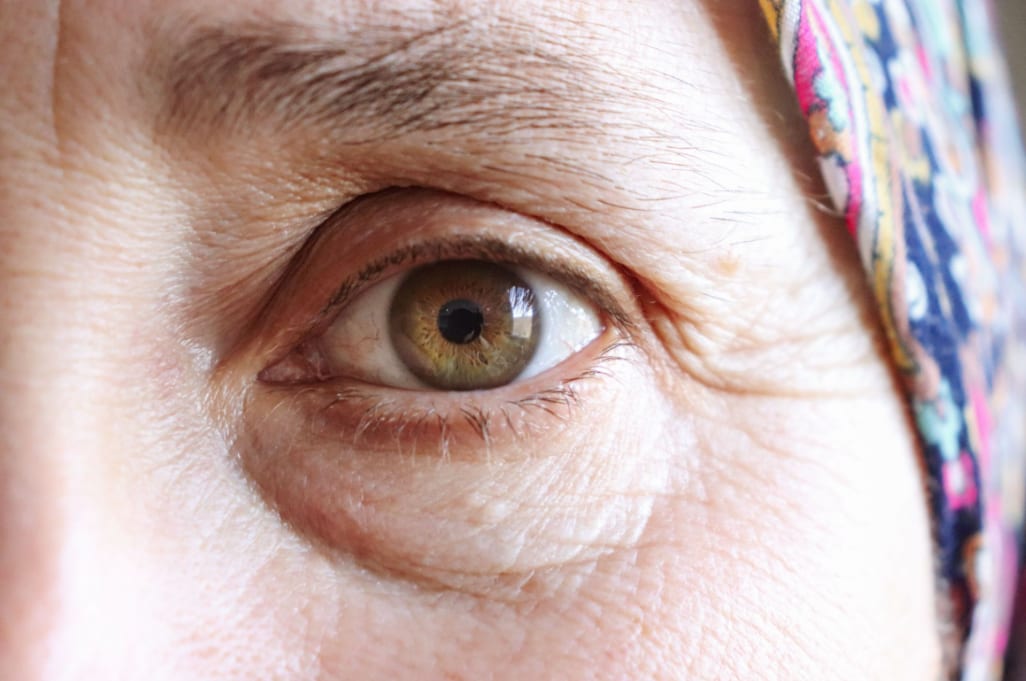
3. Fluid Retention and Changes in Lymphatic Drainage
Fluid retention is one of the most important factors to consider when it comes to malar bags.
The area beneath the lower eyelid and above the cheek has delicate lymphatic drainage. If fluid does not drain efficiently, it can collect within the tissues and create visible puffiness.
This can explain why your malar bags may look different from one day to another.
You may notice that the swelling is more obvious:
- When you first wake up
- After eating a salty meal
- Following alcohol consumption
- During periods of hormonal change
- When you have not been sleeping well
- Post under eye and cheek hyaluronic acid dermal fillers
Malar oedema can sometimes feel soft and compressible, and its appearance may fluctuate depending on the amount of fluid present.
Lifestyle changes may reduce this type of temporary swelling, although they are unlikely to completely remove long-standing or structurally caused malar bags.
4. Sun Damage and Lifestyle Factors
The skin around the eyes and upper cheeks is delicate and can show the effects of environmental damage over time.
Repeated sun exposure can contribute to the breakdown of collagen and elastin, reducing skin elasticity and affecting the way the tissues around the eyes and cheeks look.
Smoking can also contribute to changes in skin quality, while dehydration and poor lifestyle habits may make puffiness more noticeable.
These factors do not necessarily cause malar bags on their own. However, they can make existing swelling, skin laxity and tissue changes more visible.
Protecting your skin from the sun, avoiding smoking, staying well hydrated and maintaining a healthy lifestyle can therefore form part of an overall approach to managing the appearance of malar bags.
5. Allergies and Inflammation
Allergies and inflammatory conditions can also contribute to swelling around the eyes and cheeks.
When the body responds to an allergen or inflammation, fluid can accumulate in the surrounding tissues. If you are prone to malar bags, this additional swelling can make them more noticeable.
You may find that the puffiness becomes worse during allergy flare-ups or alongside other symptoms such as itchy or watery eyes.
Treating the underlying allergy or inflammatory problem may help reduce this temporary swelling.
If the swelling persists despite treating the underlying problem, it is worth having the area assessed to determine whether there is another cause contributing to the malar bags.
What Do Malar Bags Look and Feel Like?
Malar bags can vary from person to person, but there are some features that can help distinguish them from ordinary under-eye bags.
You may notice:
- Puffiness over the cheekbones, just below the lower eyelids
- A firm or swollen appearance
- Fullness that becomes more noticeable at certain times of day
- Increased puffiness after salty foods or alcohol
- Swelling that becomes more obvious when smiling or squinting
- A visible difference between the cheek area and the lower eyelid
Unlike ordinary under-eye bags, malar bags are located lower down over the upper cheek.
Their appearance can also overlap with festoons and malar mounds, which is why a specialist assessment can be useful if you are unsure what you are seeing.
Warning Signs: When Should You Seek Help?
Most malar bags are a cosmetic concern rather than a medical emergency. However, new or unusual swelling should not automatically be assumed to be a malar bag.
| What you notice | What you should do |
|---|---|
| Long-standing puffiness over both cheekbones | Book a consultation if you are concerned about its appearance |
| Puffiness that varies throughout the day | Consider lifestyle measures and seek specialist advice if it persists |
| Swelling that suddenly appears | Arrange a medical assessment to establish the cause |
| Swelling with redness, pain or warmth | Seek medical advice |
| Swelling associated with an allergy | Address the underlying allergy and seek medical advice if it persists |
| New swelling following facial or eye treatment | Contact your treating medical professional |
| Swelling after tear trough or other HA filler | Seek assessment from an experienced medical professional |
| Swelling affecting only one side or accompanied by other symptoms | Arrange a prompt medical assessment |
If you have recently had dermal filler around the eyes and have developed new or worsening malar swelling, it is particularly important to have it assessed. Perfect Eyes notes that under-eye fillers can affect lymphatic drainage in susceptible individuals and may contribute to delayed swelling or festoons/malar bags.
Malar Bags Treatment: What Are Your Options?
There is no single malar bags treatment that works for everyone.
The most appropriate option depends on what is causing the swelling, whether the problem is mainly fluid, skin laxity, fat or a combination of these factors.
For mild cases, simple measures may be enough to temporarily reduce puffiness. More persistent malar bags may require targeted medical or surgical treatment.
1. Conservative Measures
If your malar bags are mainly caused by fluid retention, lifestyle changes can be a useful first step.
You may benefit from:
- Reducing your salt intake
- Limiting excessive alcohol
- Staying well hydrated
- Getting sufficient sleep
- Managing allergies
- Protecting your skin from sun exposure
These measures can help reduce temporary puffiness and may make malar bags less noticeable when fluid retention is contributing to the swelling. However, they are unlikely to completely remove firm or long-standing malar bags, particularly when changes in the skin, supporting tissues or facial structure are also involved. In these cases, a specialist assessment can help determine the underlying cause and whether a targeted treatment may be more appropriate.
2. Lymphatic Drainage Massage
Gentle lymphatic drainage techniques may help move excess fluid away from the malar area and temporarily reduce puffiness.
The key word is gentle. The tissues around the eyes and cheeks are delicate, so aggressive rubbing or massage should be avoided.
Lymphatic massage is more likely to help when fluid retention is an important part of the problem. It is less likely to provide a permanent solution when the malar bags are caused by structural changes or long-standing tissue laxity.
Perfect Eyes notes that lymphatic massage may temporarily reduce fluid and puffiness but rarely completely removes chronic festoons.
3. Cold Compresses
A cold compress may temporarily reduce swelling, particularly when puffiness is related to fluid retention or allergies.
It can be a simple way to make the area look less swollen for a short period.
However, it does not correct the underlying structural causes of persistent malar bags, so the improvement is generally temporary.
4. Treating the Underlying Cause
If your malar swelling is being made worse by allergies, inflammation, certain medications or lifestyle factors, addressing the underlying trigger may help.
For example, managing allergies, reducing excess salt and alcohol, protecting the skin from sun damage and reviewing medications that may contribute to fluid retention can all form part of the management plan.
This approach is particularly useful when the swelling fluctuates rather than remaining constant.
5. Specialist Medical Injections
For persistent malar bags or festoons involving fluid retention and inflammatory changes, some specialist oculoplastic surgeons use targeted injections.
These can include agents such as doxycycline or tetracycline and, in selected cases, bleomycin.
The aim is to alter the tissue and reduce its tendency to retain fluid or remain swollen.
However, results can be unpredictable, and these treatments are not suitable for everyone. They should only be considered following an assessment by an experienced specialist.
Perfect Eyes' current guidance describes these injections as specialist treatments for persistent festoons and emphasises the need for experienced hands.
6. Hyaluronidase for Filler-Related Malar Bags
If malar swelling has developed or become worse following a hyaluronic acid (HA) filler treatment, the filler itself may be contributing to the problem.
In selected cases, hyaluronidase can be used to dissolve HA filler.
The treatment works by breaking down the hyaluronic acid and may help relieve swelling caused by the filler interfering with normal lymphatic drainage.
This is not a treatment for naturally occurring malar bags. It is specifically considered when previous HA filler is contributing to the swelling.
An experienced medical professional should assess the area before deciding whether hyaluronidase is appropriate.
7. Energy-Based Treatments and Laser
Where skin laxity is contributing to the appearance of malar bags, selected energy-based treatments may be considered.
Techniques such as Endolift or laser fibre treatments use controlled energy beneath the skin with the aim of tightening the tissue and, in selected cases, reducing excess fat.
These treatments are generally considered when the malar bags involve a combination of skin laxity, mild fat and tissue changes.
The treatment needs to be carefully tailored to the individual anatomy because the malar area is complex.
8. Surgical Treatment
For more significant or persistent malar bags and festoons, surgery may provide a longer-lasting improvement.
The surgical approach depends on whether the main problem is excess skin, muscle laxity, fat, fluid retention or a combination of factors.
Procedures may include techniques that tighten the orbicularis muscle, address excess tissue or combine treatment of the midface with other eyelid procedures.
Perfect Eyes emphasises that surgical treatment can offer greater long-term stability in some patients, although revisions may sometimes be needed and results can be further enhanced with tailored non-surgical treatments.
This is why there is no single operation that is automatically right for everyone with malar bags.
Why Tear Trough Filler May Not Be the Answer
If you have malar bags, it is important not to assume that a tear trough filler is the solution.
Tear trough fillers are designed to restore volume to hollows beneath the eyes. Malar bags are a different concern involving swelling and tissue changes over the upper cheek.
In some people with festoons or malar bags, adding filler can actually make the swelling more noticeable.
Perfect Eyes specifically advises that patients with festoons or malar bags should avoid tear trough fillers unless carefully assessed, as filler can contribute to swelling and potentially worsen the appearance.
This is one of the reasons an accurate diagnosis should come before choosing an aesthetic treatment.
When and Where Should You Seek Help?
If your malar bags have been present for years
Long-standing fullness over the cheekbones is often related to your natural anatomy, genetics or gradual tissue changes.
If you are unhappy with the appearance, a consultation with an experienced Oculoplastic Surgeon can help determine whether the issue is malar oedema, malar mounds, festoons or another form of facial swelling.
If the swelling fluctuates
If your malar bags are noticeably worse in the morning, after salty foods, alcohol or during allergy flare-ups, fluid retention may be contributing.
Lifestyle changes and treatment of underlying allergies may help. If the swelling continues, a specialist assessment can identify whether there is a structural component as well.
If the swelling appeared after filler
New or worsening swelling following tear trough or other HA filler should be assessed by an experienced medical professional.
Do not assume that adding more filler will correct the problem. In some cases, the filler itself may be contributing to the swelling.
If the swelling is sudden or unusual
Sudden swelling, particularly if it is painful, red, hot or affects only one side, should be medically assessed.
The cause may not be a typical malar bag.
If you are considering treatment
If malar bags are persistent and affecting your confidence, an Oculoplastic Surgeon can assess the underlying anatomy and explain the treatment options that may be suitable.
At Perfect Eyes Clinic, Dr Sabrina Shah-Desai has more than 25 years of experience treating complex malar bags and festoons. Her approach recognises that the condition can have multiple contributing factors and that treatment needs to be individualised.
Conclusion
Malar bags can be frustrating, particularly because they are often mistaken for ordinary under-eye bags and may not respond to skincare or lifestyle changes alone.
The malar bags causes can include your natural facial anatomy, genetics, ageing, fluid retention, sun damage, lifestyle factors, allergies and changes in the tissues around the eyes and cheeks.
For mild or fluid-related swelling, simple measures such as reducing salt and alcohol, staying hydrated, managing allergies and using gentle lymphatic techniques may help.
More persistent malar bags may require a specialist assessment to determine whether medical injections, energy-based treatments or surgery would be appropriate.
Most importantly, treatment should be based on what is causing the malar bags, rather than simply treating the appearance of the swelling.
If you are concerned about malar bags or are unsure whether you have malar bags, festoons or another type of under-eye swelling, an assessment with an experienced Oculoplastic Surgeon can help you understand the cause and the treatment options available.
Frequently asked questions
Still unsure? Our team is glad to talk you through anything before you book.
- Malar bags are areas of persistent or intermittent swelling that appear over the upper cheeks, just below the lower eyelids. They can be associated with fluid retention, changes in the skin and supporting tissues, facial anatomy and lymphatic drainage.
- The main malar bags causes include facial anatomy and genetics, ageing and tissue changes, fluid retention, sun damage and lifestyle factors, and allergies or inflammation. Several of these factors can occur together, which is why identifying the underlying cause is important before deciding on treatment.
- No. Although they can look similar, they occur in different areas. Typical lower eyelid bags are generally caused by fat protruding beneath the eye. Malar bags sit lower, over the cheekbone area. Malar bags can also overlap with conditions such as malar mounds and festoons.
- Not exactly. Malar bags generally refer to swelling or puffiness around the malar or cheek area, while festoons are typically associated with more pronounced tissue laxity involving the skin and orbicularis muscle. The terms can overlap, and some people have a combination of malar oedema, malar mounds and festoons.
- Poor sleep can make facial puffiness more noticeable, particularly if fluid retention is already contributing to the problem. However, long-standing malar bags are usually caused by a combination of anatomical and tissue factors rather than sleep alone.
- Yes. A high-salt diet can encourage fluid retention, which may make malar swelling more noticeable. If you notice that your puffiness is worse after salty meals, reducing your salt intake and staying well hydrated may help reduce temporary swelling.
- Allergies can contribute to swelling around the eyes and upper cheeks. If you notice that your malar bags become more prominent during allergy flare-ups, treating the underlying allergy may help reduce the associated puffiness.
- Yes, in some susceptible individuals. Under-eye filler can interfere with lymphatic drainage and may contribute to delayed swelling or the development of festoons or malar bags. This is why tear trough filler is not automatically appropriate for someone with existing malar bags.
- It depends on what is causing them. Mild, fluid-related swelling may improve with lifestyle changes and conservative measures. More persistent malar bags may require medical, energy-based or surgical treatment. Because there are several possible causes, there is no single treatment that guarantees complete removal for everyone.
- There is no single best treatment. The most appropriate option depends on whether the main contributor is fluid retention, skin laxity, fat, muscle changes, facial anatomy or a combination of factors. This may mean starting with conservative measures or considering targeted injections, energy-based treatment or surgery depending on the individual case.
- Not without first having the area assessed. Tear trough filler is designed to treat hollows, whereas malar bags are associated with swelling and tissue changes. In some people, filler can make malar swelling worse. An experienced specialist can determine whether filler is appropriate or whether another treatment would be safer and more effective.