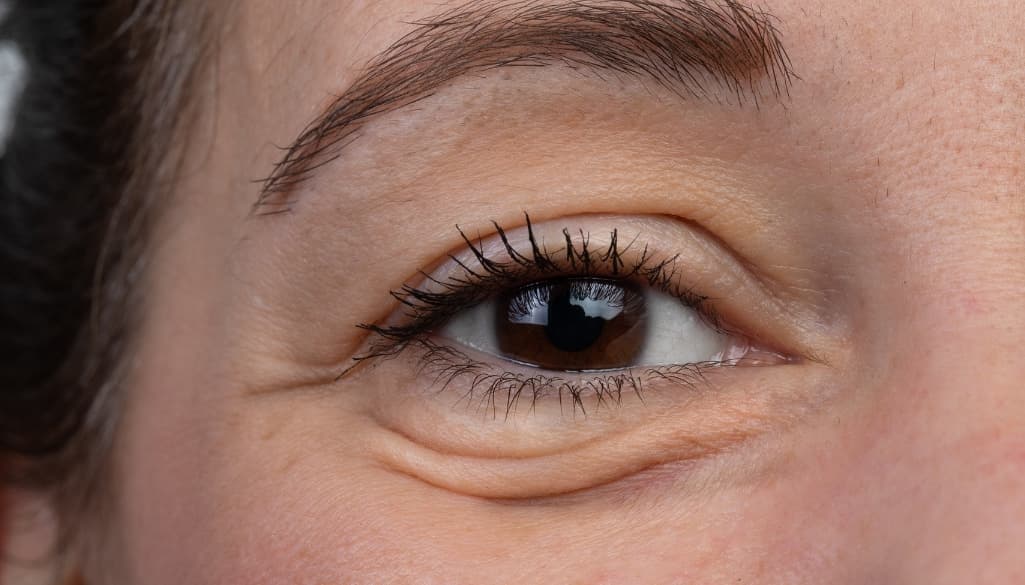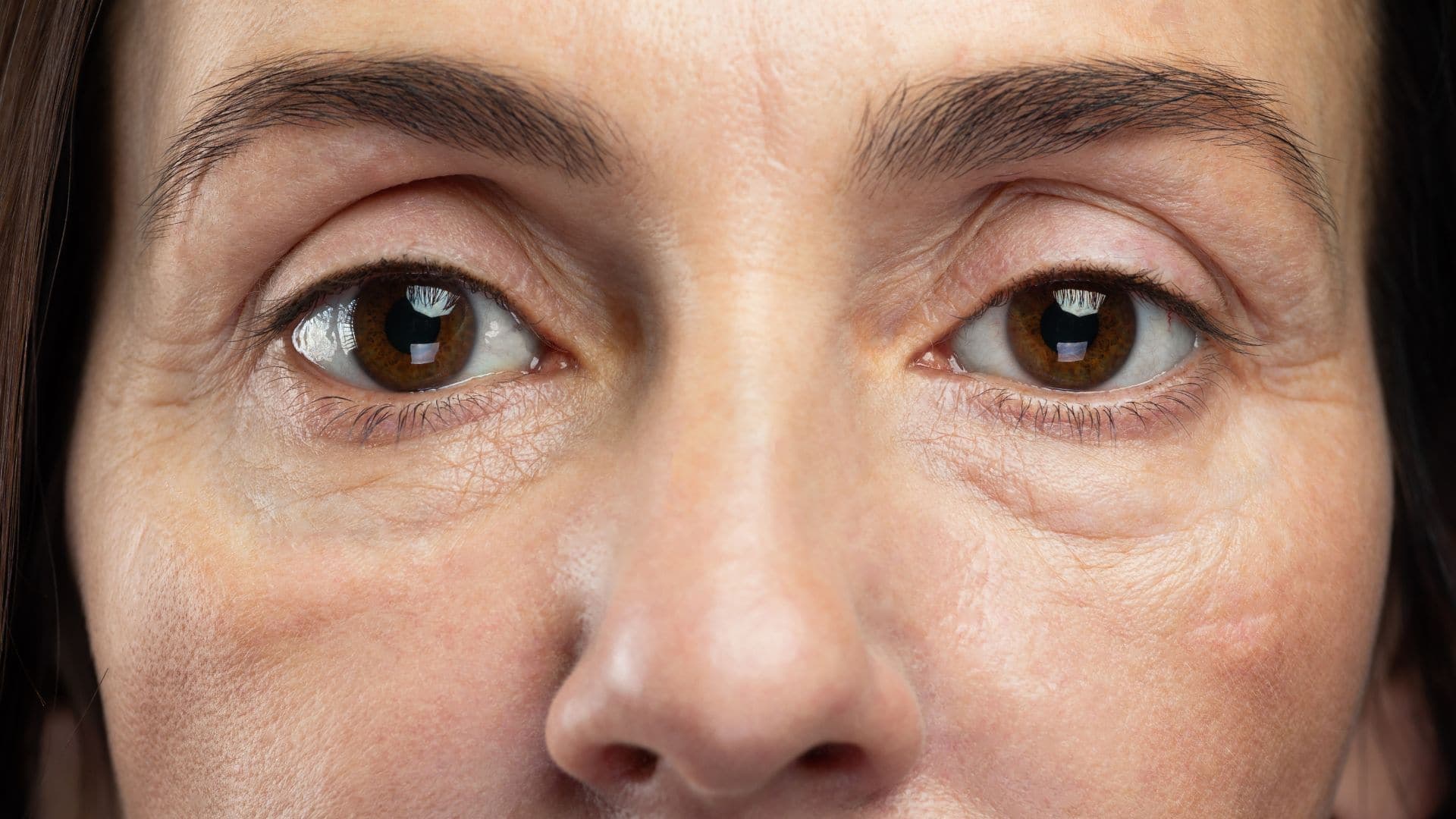
You wake up one morning, look in the mirror, and something seems off. There’s this puffiness not quite under your eyes but sitting lower, almost on your upper cheeks. Makeup doesn’t hide it, concealer seems useless, and even after a good night’s sleep, it persists.
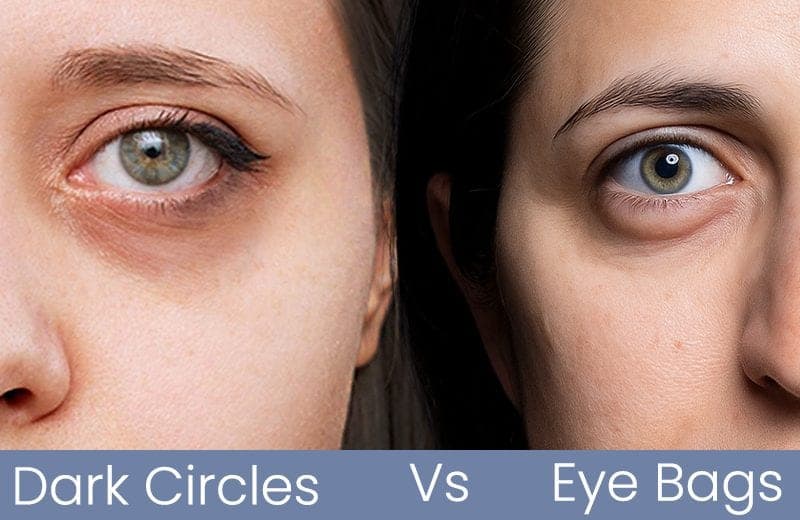
If this sounds familiar, you might be noticing festoons and malar bags, two conditions that often get mistaken for the common under-eye bags but are, in reality, entirely different issues.
While these changes are harmless from a medical viewpoint, they can make your face look tired or swollen even when you feel perfectly fine. Many people find themselves googling “What are Festoons and Malar Bags and can they be removed?” searching for honest answers and real solutions.
Let’s explore what these conditions actually are, why they happen, and what modern treatments can effectively help reduce or remove them.
What are Festoons and Malar Bags, and Can They Be Removed?
The terms “festoons” and “malar bags” refer to the noticeable puffiness that develops around the midface, usually just below the lower eyelids and along the upper part of the cheeks. Although many people assume these are typical under-eye bags, they originate from a different underlying issue involving the skin, lymphatic fluid, and fat deposits. So, the short answer is yes, these can often be reduced or improved, but their complete removal depends on several factors, like severity, skin quality, and treatment type chosen. Before discussing the available options, it’s essential to understand the terminology and anatomy behind these concerns.Understanding the Terminology
01. What are Festoons?
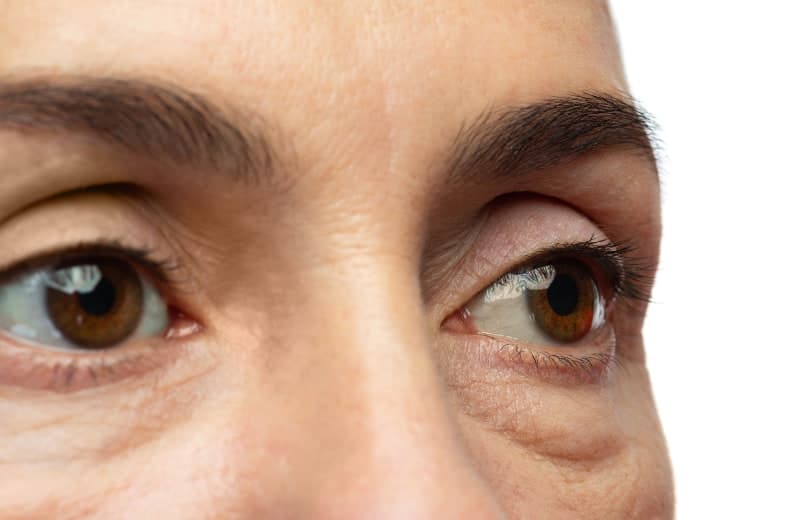
Festoons are sagging folds or pouches that appear over the cheekbones, below the lower eyelid area. The issue mainly arises due to swelling, lax skin, and weakened underlying tissues. People sometimes describe it as “puffiness sitting over the cheek,” or swelling on the cheekbone under the eye, because it’s distinctly separate from the lower eyelid bag. Festoons tend to appear in the late 30s or 40s and become more pronounced with age and sun exposure. They can make one’s expression look fatigued or uneven, even when rested.02. What are Malar Bags?
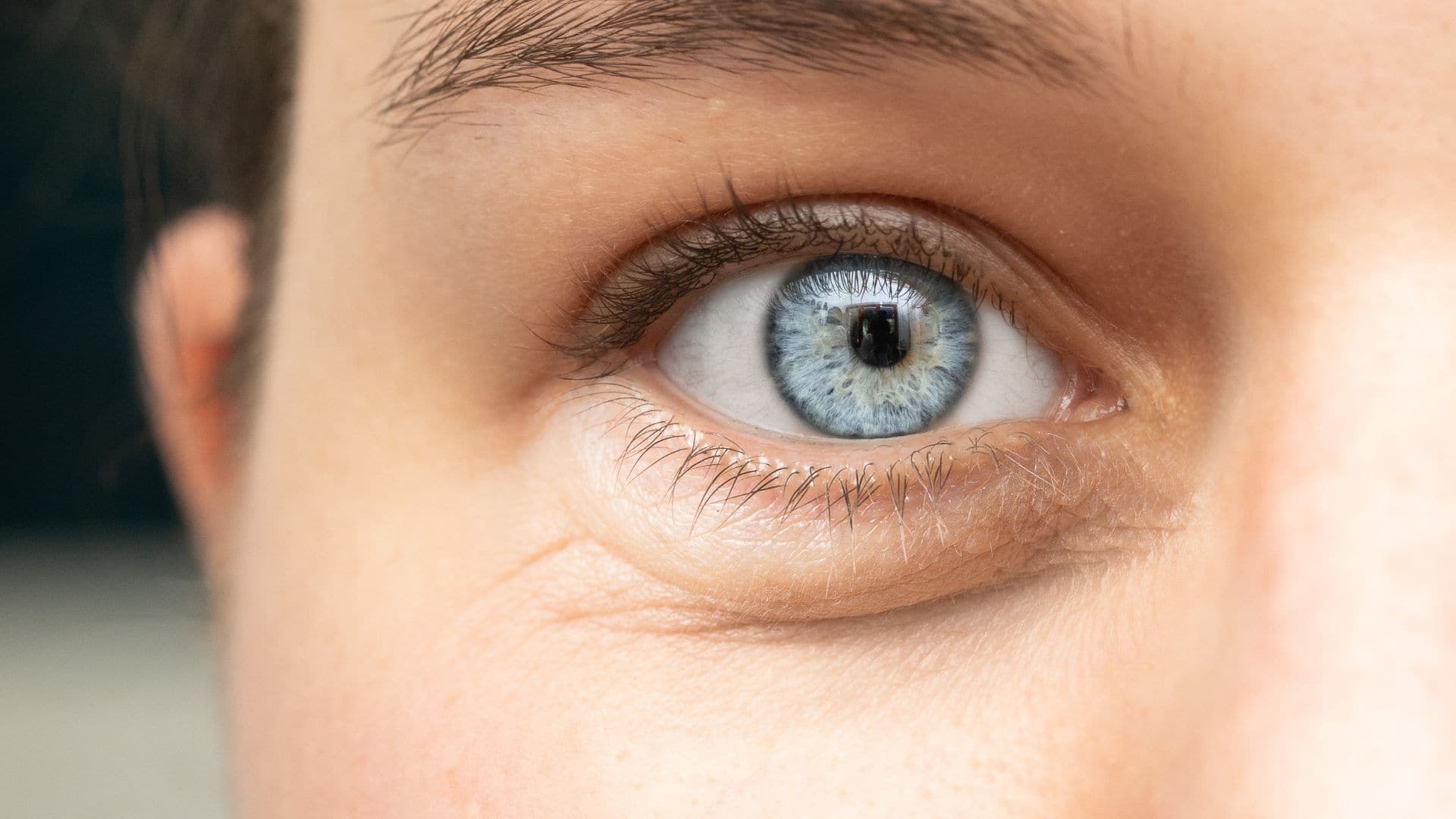
Malar bags, on the other hand, are persistent, fluid-filled pouches that develop just above the cheekbone, close to the outer corner of the eyes. They can look similar to festoons but often have more to do with fluid accumulation within the malar (cheek) region rather than skin laxity alone. Individuals with malar oedema, a condition involving fluid retention in this area, may find that the swelling fluctuates depending on sleep patterns, allergies, or salt intake. While festoons can be due to structural tissue changes, malar bags are often linked more to fluid dynamics and puffiness.03. How the Terms Overlap and Differ
Although both appear around the same region, the underlying cause defines the terminology:- Festoons: Skin laxity, fat herniation, and tissue sagging.
- Malar bags: Fluid accumulation and mild tissue swelling.Both may coexist in the same person, especially with ageing or chronic water retention.
Anatomy & Reasons Behind the Issue
01. Malar Oedema: Definition and Significance
Malar oedema refers to fluid buildup in the area just beneath the lower eyelid and above the cheek. This region has delicate lymphatic drainage, which can slow down with age or environmental triggers. Over time, the retained fluid causes puffiness that can become semi-permanent. When unaddressed, malar oedema can worsen into malar bags or festoons, particularly when combined with skin and muscle changes due to ageing.02. The Pathophysiology: Fluid, Fat, and Skin Laxity
Here’s a simpler breakdown of what’s happening beneath the surface:- Fluid accumulation: Blocked or sluggish lymphatic drainage.
- Fat herniation: Migration of orbital fat pads toward the midface.
What Causes Festoons Under Eyes (and What Causes Festoons)
The origins of festoons are multifactorial. Among the key contributors are:- Natural skin ageing and tissue weakening.
- Repeated sun exposure leads to collagen breakdown.
- Genetic predisposition to midface laxity.
- Chronic fluid retention or poor lymphatic flow.
- Post-surgical or post-inflammatory changes from prior treatments.
Other Contributing Factors: Ageing, Sun Damage, Genetics, Fluid Retention
The skin around the eyes is the thinnest on the face, so it’s the first to show signs of stress or damage. Genetics influences how fat and fluid distribute under the skin. At the same time, chronic habits like sleeping face-down, excessive sodium intake, or alcohol use can cause morning puffiness that eventually becomes permanent.Treatment Options for Malar Bags & Festoons
Treating festoons and malar bags can be complex because the root cause often involves a combination of factors: skin laxity, fluid retention, and fat displacement. A one-size-fits-all solution rarely works. Instead, successful correction comes from choosing the right approach or combination of techniques tailored to each unique case. The good news is that modern aesthetic medicine offers multiple safe and effective treatment options that can rejuvenate the under-eye and midface area without making the result look artificial. Options range from non-surgical improvements for mild cases to surgical interventions for more advanced festoons or sagging.01. Non-Surgical and Minimally Invasive Approaches
Non-surgical treatments are ideal for individuals with mild to moderate festoons or malar oedema, where the main concern is puffiness or early skin laxity. These approaches target underlying factors like poor lymphatic drainage, fluid build-up, and collagen loss.I. Laser Skin Resurfacing
Fractional CO₂ or erbium laser resurfacing helps tighten loose skin and improve texture. By removing external damaged skin layers, it stimulates collagen remodelling underneath. For festoons, this procedure helps minimise the wrinkled or crepey appearance and smooth out the folds sitting above the cheekbones.- Downtime: 3-7 days
- Benefits: Smoother texture, firmer midface skin, improved tone
II. Radiofrequency (RF) and Microneedling
Radiofrequency treatments (such as Morpheus8 or Endymed) use heat to gently contract collagen fibres and stimulate new production. When combined with microneedling or fractional RF, the effect reaches deeper layers, improving firmness and mild sagging in the festoon area without surgery.- Ideal for: Early signs of festoons, mild malar puffiness
- Sessions: Usually 3 to 5, spaced a few weeks apart
III. Injectable Skin Boosters or Polynucleotides
Bio-revitalising injectables like polynucleotides, exosomes, or PRF (platelet-rich fibrin) improve tissue quality and boost elasticity. They are often used as supportive treatments alongside lasers or RF. They don’t instantly “remove” festoons but help fortify the area so puffiness reduces over time.- Benefits: Brighter, better-hydrated under-eye skin
- Combined with: Energy-based or manual treatments
IV. Lymphatic Drainage and Manual Therapies
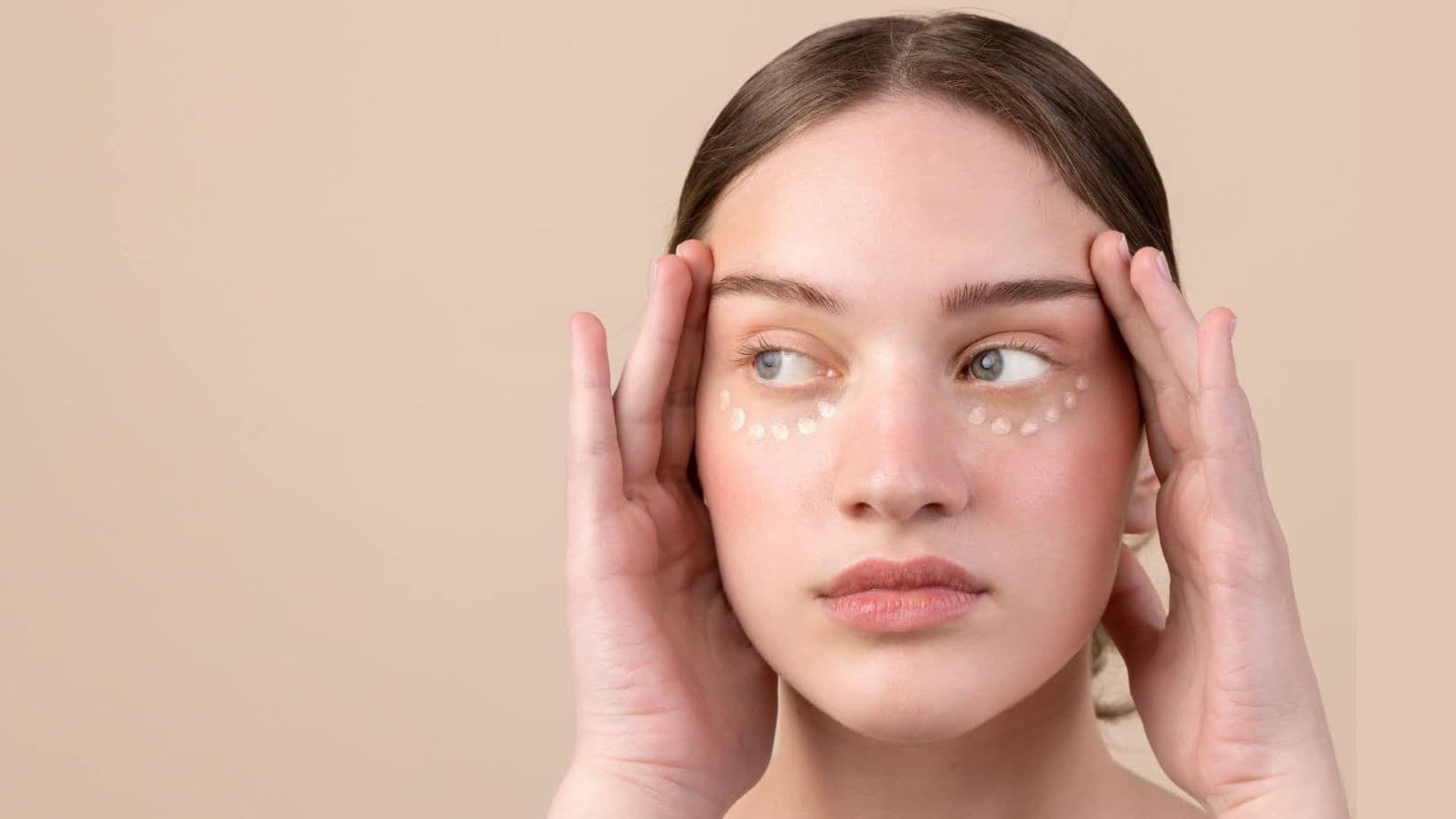
When malar oedema or fluid retention is the key culprit, specialised lymphatic drainage treatments can enhance fluid movement. These include gentle massage-based therapies, RF-assisted lymphatic stimulation, or even hydrafacial-type detox protocols.- Result: Reduced morning puffiness and smoother contour
- Maintenance: Regular sessions help maintain results
V. Injectable Fillers (with caution)
In selective cases, strategic placement of soft hyaluronic acid filler can camouflage a festoon or malar line by blending transitions between swollen and hollow areas. However, incorrect placement can worsen festoons, so this should only be carried out by an oculoplastic or advanced aesthetic injector.- Purpose: Correction of shadows and volume imbalance, not direct elimination
02. Energy-Based and Combination Procedures
For patients with mixed concerns, some laxity plus swelling, energy-based devices that deliver radiofrequency or ultrasound energy beneath the skin are beneficial.I. Radiofrequency Micro-Needling (RF Microneedling)
This dual-action technique delivers micro-controlled thermal energy via fine needles into the skin layers. It encourages firming at a structural level and stimulates regeneration without cutting or removing tissue. It’s a great bridge between conservative care and surgical approaches.II. Laser Tightening with Fractional CO₂
For festoons that are mild to moderate, fractional CO₂ laser tightening has proven effectiveness. This approach resurfaces the superficial layer and contracts collagen fibres deeper down, reducing the appearance of folds. Some clinics pair this with subdermal tightening for longer-lasting improvement.III. Ultrasound-Based Tightening (HIFU Devices)
High-intensity focused ultrasound (HIFU) devices work below the skin surface to lift sagging tissue. Although not a replacement for surgery, it can subtly lift the lower lid-cheek junction and improve the midface appearance.- Result: Subtle lifting and better definition along the cheekbone area
03. Surgical Solutions
When non-surgical methods aren’t enough or festoons are significant and sagging, surgery offers a more definitive correction. These techniques address structural causes that non-invasive procedures cannot fully fix.I. Direct Festoon Excision
In advanced festoon cases, small incisions are made strategically along natural creases to remove excess skin and tissue. The area is then tightened to restore a smooth contour. Although there will be a short recovery, results are long-lasting and dramatic when performed by a skilled oculoplastic surgeon.- Recovery: 10-14 days
- Longevity: Permanent or long-term improvement
II. Midface Lift or Cheek Lift
For those whose festoons are part of a broader midface descent, a midface lift repositions the underlying fat pads and muscle back to their youthful state. This approach provides a comprehensive improvement rather than treating the pouch in isolation.- Benefit: Elevates the entire lower lid-cheek junction, restoring smoothness and definition
III. Lower Blepharoplasty with Extended Dissection
If under-eye bags coexist with festoons, lower blepharoplasty treatment can be extended to support and smooth the festoon area. Surgeons may use a combination of fat repositioning, skin tightening, and sometimes laser resurfacing for refinement.- Result: Unified contour from lower eyelid to upper cheek
04. Combined and Staged Treatments
Often, the best outcomes come from blending several methods over a period of months. For instance:- Lasers or RF for tightening
- Polynucleotide or PRF sessions for skin quality
- Surgical correction for the remaining folds once the tissue is healthierA combination plan allows targeted treatment of each layer - skin, fat, and fluid leading to natural, harmonious results. Specialists typically tailor these based on your facial anatomy, age, and expectations.
05. Aftercare and Maintenance
Post-treatment care is equally crucial for preserving long-term benefits.- Always use sunscreen daily and limit sun exposure.
- Stay well-hydrated and reduce dietary salt to minimise fluid retention.
- Gentle lymphatic massage or periodic maintenance therapies may help sustain results.
- Follow recommended follow-up sessions to assess progress and prevent recurrence.
Can They Really Be Removed? Realistic Expectations
01. What “Removal” Means in This Context
When people ask, "Can they be removed?” It's usually because they want a lasting, natural correction. True removal means eliminating or tightening the redundant tissue, improving underlying drainage, and smoothing the contour so the swelling disappears or blends seamlessly with the rest of the face.02. Limitations and What Influences the Outcome
Every face ages differently, making individual evaluation crucial. Results depend on factors such as:- Skin tone and elasticity
- Age and general health
- Previous surgeries or procedures
- Degree of fluid retention or skin thinning
03. Recovery, Downtime, What to Consider
Post-treatment downtime varies from a few days for laser-based treatments to 1-2 weeks for surgical festoon repair. Temporary swelling and mild bruising are expected but will subside with care. Protecting the skin from the sun and using prescribed post-procedure care enhances healing.Choosing the Right Clinic & Specialist - What to Ask
Correct diagnosis makes all the difference. Always consult a specialist with expertise in oculoplastic or aesthetic facial anatomy. Questions to ask include:- Is my concern festoons, malar bags, or both?
- What treatment options fit my skin type and lifestyle?
- What outcomes should I realistically expect?
- How long will the recovery take?
Conclusion
Festoons and malar bags, though often confused with typical eye bags, stem from entirely different causes involving skin laxity, fluid retention, and fat shift. While they can make one appear perpetually tired, effective modern treatments - both non-surgical and surgical - offer visible, natural improvement. The key lies in identifying the root cause, seeking expert evaluation, and choosing a treatment plan designed specifically for your facial anatomy. With the right care, you can restore a refreshed, balanced appearance that reflects how you truly feel.Good to know
Frequently asked questions
Still unsure? Our team is glad to talk you through anything before you book.
- Festoons are sagging folds or pouches that appear over the cheekbones, while malar bags are fluid-filled swellings just above the cheekbones. Both can make the face look tired and are different from typical under-eye bags.
- Yes, both can be reduced or removed with the right treatment. Mild cases may improve with non-surgical options, while advanced festoons often need surgical correction for lasting results.
- Festoons are mainly caused by ageing, sun damage, genetics, and weakened skin support. Fluid retention and poor lymphatic drainage can also contribute.
- Yes, non-surgical options like laser tightening, radiofrequency, microneedling, and lymphatic drainage can help reduce puffiness and improve skin texture for mild malar bags.
- Recovery depends on the treatment. Non-surgical methods usually require a few days, while surgical festoon removal may need 1-2 weeks for swelling and bruising to settle.