Seeing puffiness or swelling just below the eyes can be frustrating, especially when it doesn't go away with rest or skincare. This area, known as malar bags, is often mistaken for typical under-eye bags but has distinct causes and treatment needs.
Understanding what malar bags really are and how to address them can help clear the confusion and guide you toward effective solutions.
What are malar bags?
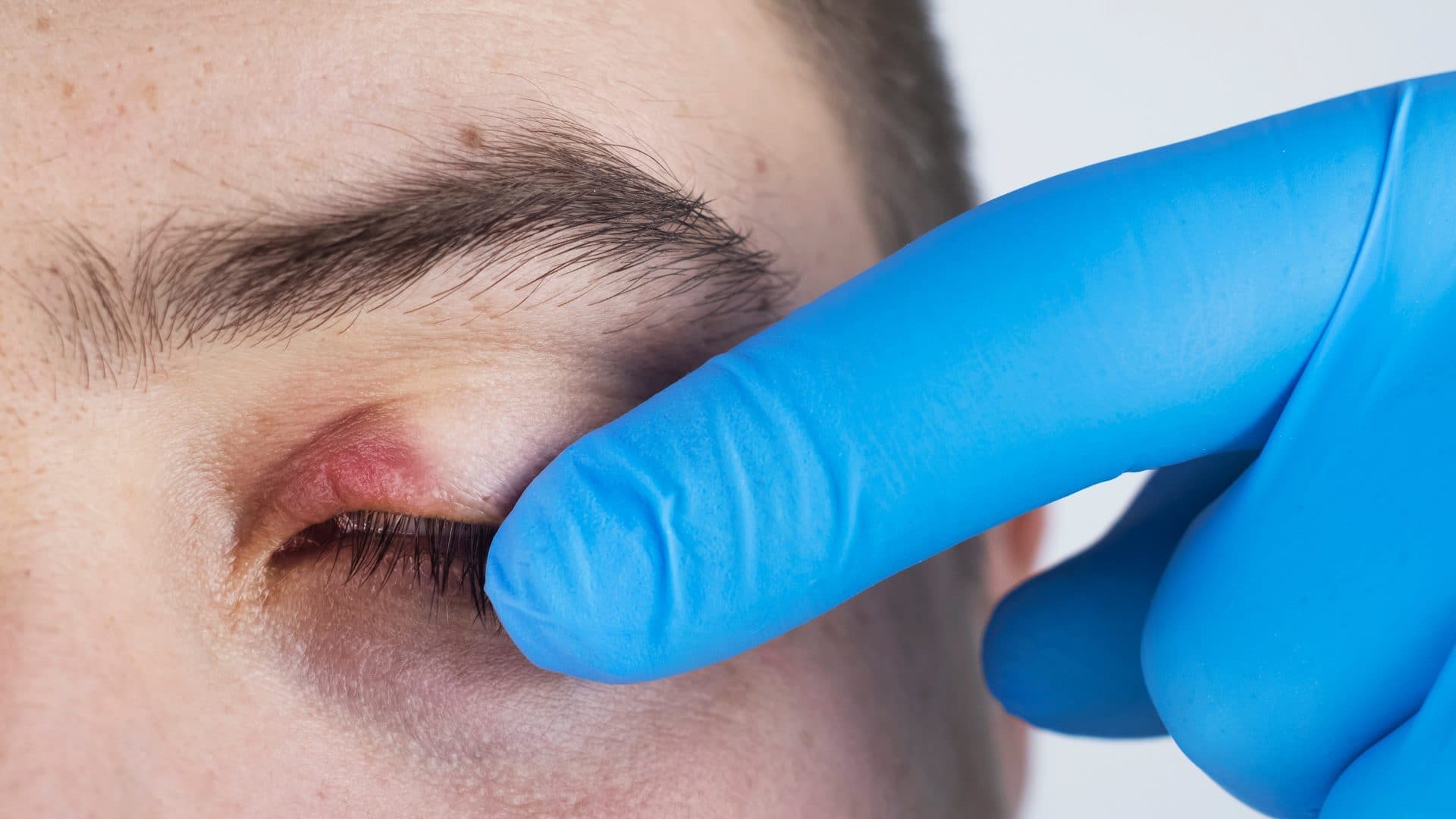
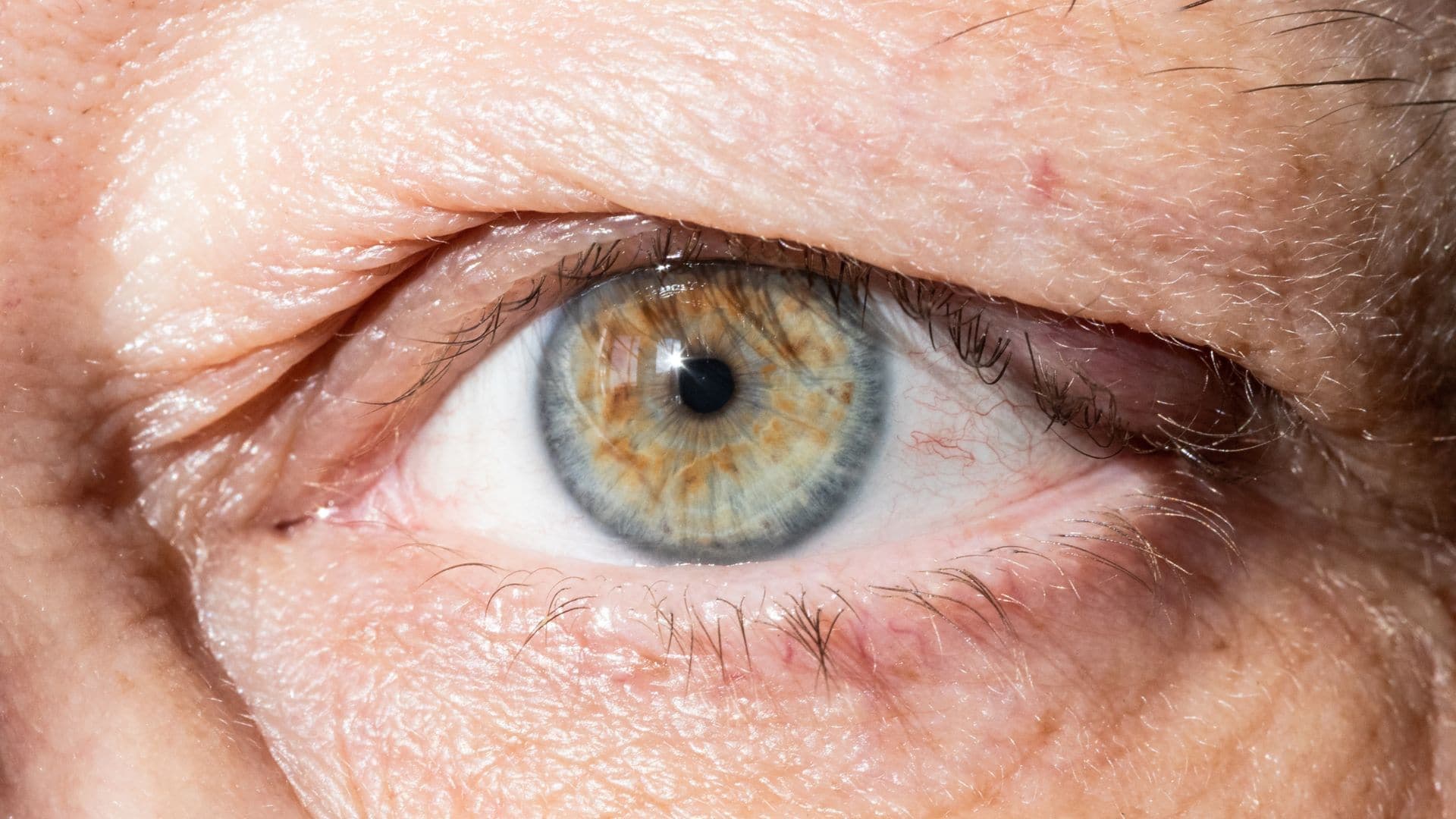
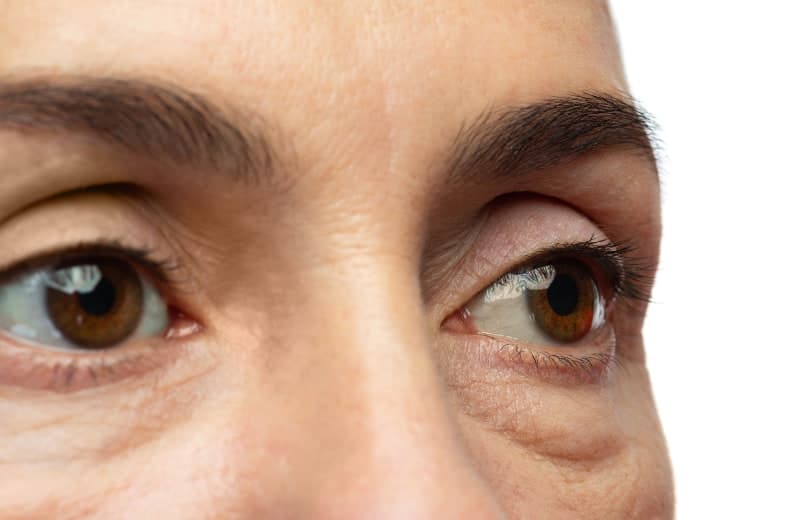
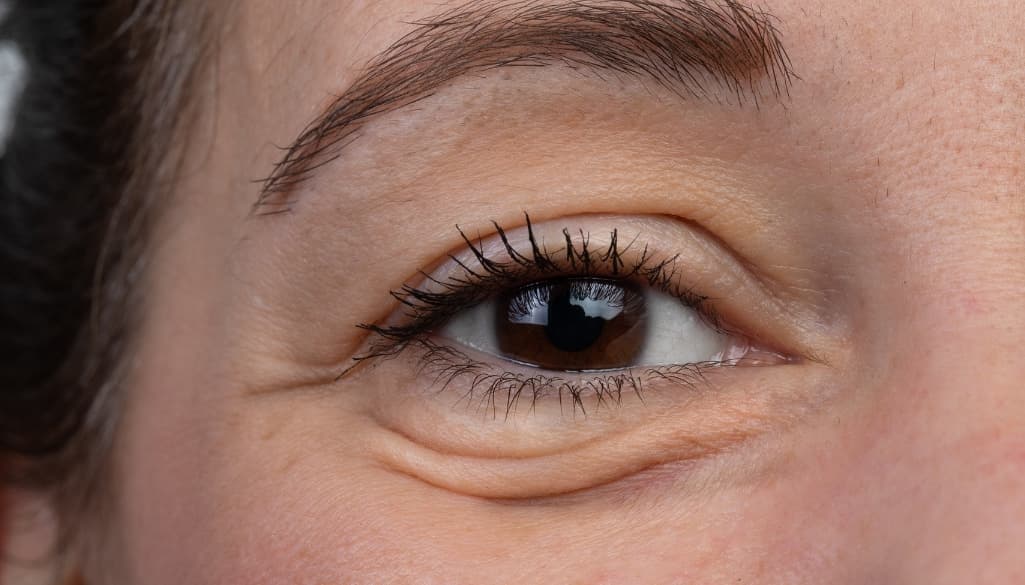
Malar bags are swelling or puffiness that appears over the upper cheeks, just below the lower eyelids, typically along the cheekbone area. Unlike simple under-eye bags, which involve fat protrusion or fluid retention directly beneath the eyes, malar bags are located in the prezygomatic space, an anatomical area where skin, muscle, fat, and lymphatic tissues interact in complex ways. They differ from festoons (a more severe form of malar swelling) and malar mounds, with festoons often involving lax skin and muscle that cause hanging folds. In contrast, malar bags are smaller, firmer, and generally less extensive.How common are malar bags? Who gets them?
Malar bags affect a broad range of people but tend to be more noticeable or frequent in these cases:- People over 40 experience skin loosening and increased fluid retention, both of which increase with age.
- Those with a genetic predisposition to malar swelling or unique facial anatomy.
- Individuals with chronic lifestyle factors, such as high salt intake, alcohol use, or poor sleep, are prone to fluid buildup.
- People exposed to significant sun damage, which weakens skin and lymphatic drainage.
- Those who regularly experience allergies or inflammatory conditions affecting the face.
Causes of malar bags
Malar bags result from a mix of anatomical and environmental factors, including:- Anatomy & tissue structure: The prezygomatic space's lymphatic drainage slows, meaning fluid and fat can accumulate under the skin and muscle, creating puffiness.
- Age-related changes: Skin loses elasticity, muscle tone decreases, and fat pads shift, making malar bags more visible.
- Fluid retention: Caused by salt intake, alcohol consumption, hormonal changes, or systemic conditions, fluid accumulates in the malar area.
- Sun damage and environmental stress: UV rays break down collagen and elastin, thinning skin and disrupting lymphatic flow.
- Medical issues vs. cosmetic concerns: Sometimes malar bags indicate underlying medical issues, such as allergies or inflammation, rather than just ageing or lifestyle factors.
How malar bags present (signs & symptoms)
Malar bags commonly feature:- Puffiness located over the cheekbones, just below the lower eyelids.
- A firm, swollen appearance, unlike the softer texture of typical under-eye bags.
- Size and prominence may vary by time of day, worsening with fluid retention.
- Changes in facial expressions, such as malar bags, may seem more visible when smiling or squinting.
- Distinct from festoons and regular puffiness by the firm swelling and geographic location over the malar (cheek) area.
Treatment options: Focused on Results
01. Conservative measures (when malar bags are mild or fluid-predominant)
Conservative measures are beneficial when the condition is mainly oedema or flu, and can also be used as an initial stage of management.-
Lymphatic drainage massage and manual techniques
-
Cold compresses and sleep/seasonal measures
-
Treat underlying causes
2. Medical injections targeted and sometimes highly effective
They are used when lymphatic inflammation and superficial tissue reactions are involved.-
Intralesional tetracycline/doxycycline or bleomycin (in specialist hands)
-
Hyaluronidase (only if caused by hyaluronic acid filler)
3. Minimally invasive energy devices and lasers
For patients with skin laxity, mild fat, or mixed content, where tightening or remodelling helps.-
Endolift / laser fibre techniques
-
Radiofrequency (RF) microneedling and Thermage-style RF
-
CO₂ laser resurfacing, fractional lasers
4. Injectables: fillers and biostimulators proceed with caution
This is a nuanced area.- Cheek/malar volumising fillers
- Biostimulatory injectables
When to expect benefit:
They can assist patient selection with contour defects due to volume loss; there is a risk of worsening oedema if misapplied.5. Surgical options are most definitive for many patients
Usually, surgery is the most reliable way to treat persistent, structural malar bags (fibrotic festoons, skin excess, or fat-containing mounds). There are several surgical routes - an experienced oculoplastic/plastic surgeon will pick the one that suits your anatomy. Typical surgical methods:-
Lower blepharoplasty with fat repositioning or removal
-
Direct excision of the malar bag (direct approach)
-
Midface or malar lift
-
Fat repositioning/grafting
-
When to expect benefit
How to tighten malar bags naturally: realistic tips
- Maintain good hydration and reduce intake of salty foods to help prevent puffiness.
- Apply cold compresses or chilled spoons to reduce swelling.
- Ensure sufficient sleep with slight head elevation.
- Use gentle massage techniques for lymphatic drainage, avoiding excessive pressure.
- Avoid harsh skin treatments or aggressive rubbing, as they can damage delicate skin.
Final thoughts
Malar bags can be a persistent cosmetic concern, but understanding their causes and treatment options can guide effective management. Treatments range from simple lifestyle changes to advanced surgical techniques, allowing a personalised approach based on severity and preference.Good to know
Frequently asked questions
Still unsure? Our team is glad to talk you through anything before you book.
- Many people hope a good night's sleep or a cold compress will fix malar bags, but they often persist due to deeper issues like poor lymphatic drainage or fat shifts. While lifestyle tweaks like cutting salt and elevating your head at night can ease mild puffiness, established malar bags rarely vanish without targeted treatments; think fillers or lasers for real change.
- Under-eye bags sit right below the lids from fat herniation, while malar bags form higher on the cheekbones with a firmer, oedema-driven swell. Festoons take it further with loose, hanging skin and picture a more dramatic droop that worsens over time. Spotting the location and texture helps your doctor pick the right fix.
- Fillers in the submalar area can smooth things out for 12-18 months, while lasers or RF build collagen for 1-2 years of tighter skin. Results depend on your age and habits. Maintenance sessions keep them going strong, avoiding that "back to square one" feeling.
- Not always, but PDO thread lifts or RF microneedling offer lasting tightening without scalpels for moderate cases. Surgery shines for severe festoons with excess skin, delivering decades-long results, but it comes with more recovery. A clinic assessment reveals your best match.
- They can recur with ageing, sun exposure, or a salty diet that fuels fluid buildup, but good habits like sunscreen and hydration stretch results. Pair treatments with follow-ups for the longest payoff, and many clients stay smooth for years.