
If your eyelids run smooth from lash line to brow bone with no visible fold, you have what is called a monolid. It is one of the most common eyelid shapes in the world, and there is nothing unusual or wrong about it — it is simply how the eyelid formed. That said, plenty of people with monolids look into ways to change the shape, most commonly through surgery, and it helps to know exactly what that involves before deciding if it is right for you.
What Exactly Is a Monolid?
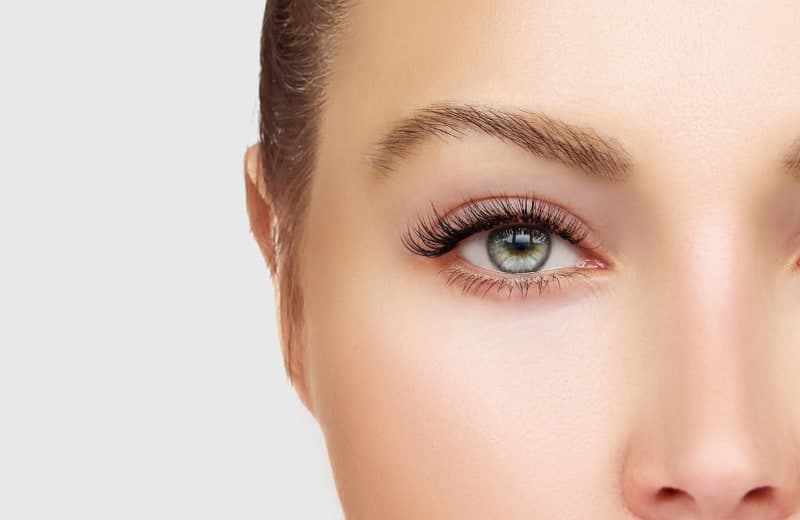
A monolid is an upper eyelid without the crease that creates a “double eyelid” look. Instead of the lid splitting into two visible sections, the skin runs as one continuous surface when the eye is open. It is not a medical condition and does not affect vision or eye health — it is simply one of the natural variations in how human eyelids are built.
Why Do Some People Have Monolids?
It comes down to the levator muscle, which lifts the eyelid every time you open your eye. In a double eyelid, fibres from this muscle attach directly to the skin, pulling a fold into place with every blink. In a monolid, those fibres attach lower, more loosely, or not at all, so there is nothing pulling a crease into the skin.
Eyelid shape is also inherited, shaped by multiple genes rather than one, and it is especially common in people of East and Southeast Asian descent, though it appears across every population.
Monolid vs Hooded Eyes
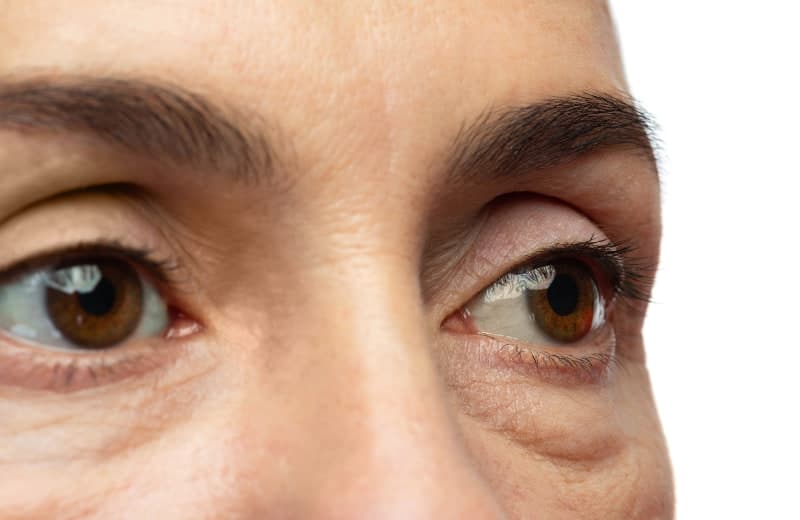
Worth clarifying quickly, since the two get confused often. A monolid has no crease at all. A hooded eye does have a crease — it is just covered by a fold of skin from under the brow bone.
This distinction matters for surgery too, since the two are corrected differently depending on which one someone actually has. The difference between monolids and double eyelids is covered in more detail in our guide to monolids and double eyelids.
Your Options
Makeup with strategic contouring and eyeliner placement can add definition for anyone who wants a temporary change day to day, and eyelid tape or adhesives offer a similar short-term effect.
But for anyone wanting a lasting result, double eyelid surgery is the option that actually addresses the underlying structure rather than working around it.
Double Eyelid Surgery: What It Actually Involves
Double eyelid surgery, medically known as Asian blepharoplasty, creates a permanent crease by forming a surgical attachment between the eyelid skin and the underlying levator muscle. In effect, it recreates the connection that a natural double eyelid already has, giving the skin something to fold along every time the eye opens.
Techniques Used
There are generally two approaches.
- The incisional method involves a small incision along the intended crease line, allowing the surgeon to remove excess skin or fat if needed and stitch the attachment directly. It is the more durable option and suits most candidates, including those with thicker eyelid skin or more fullness that needs addressing.
- The suture (non-incisional) method uses small stitches placed through tiny punctures rather than a full incision, creating the fold without removing tissue. It has a shorter recovery but tends to be less permanent, and is generally better suited to younger patients with thinner eyelid skin and minimal excess fat.
Who Is a Good Candidate for the Procedure?
Good candidates are in good general health, have realistic expectations about the outcome, and are doing it for their own reasons rather than any outside pressure.
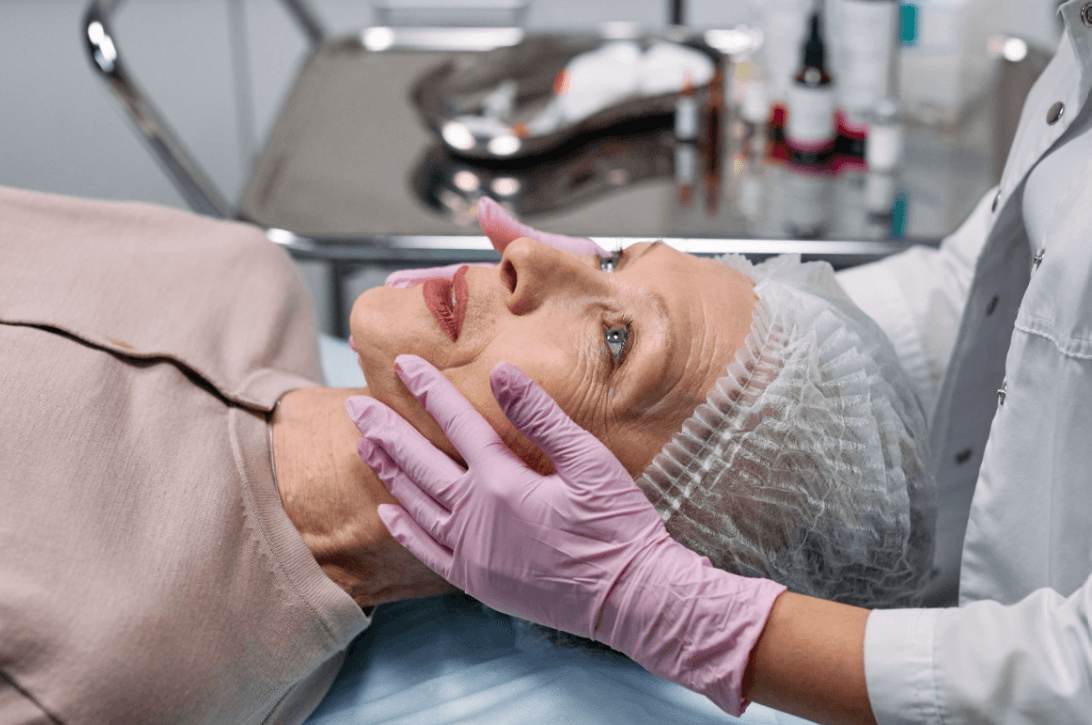
During a consultation, a surgeon assesses eyelid skin thickness, the amount of fat present, and where a crease would sit naturally on your specific eye shape, since the ideal crease height and depth varies significantly from person to person. This is also where hooded eyes versus true monolids gets addressed directly, since surgical planning differs depending on which structure is actually present.
What Happens During the Procedure?
It is typically done under local anaesthesia, sometimes with light sedation, and takes roughly one to two hours depending on the technique and whether any additional work, such as fat repositioning, is being done at the same time. Most patients go home the same day.
Recovery Timeline
Swelling and bruising are expected for the first one to two weeks, with the crease looking more prominent and “obvious” than the final result during this period — that settles down considerably as healing progresses. Stitches, if used, are typically removed within a week for the incisional method.
Most people feel comfortable returning to normal activities within one to two weeks, though the eyelids continue to soften and refine for several months, with the final shape usually settled by around three to six months.
Combining Procedures
Some patients choose to address other concerns at the same time, such as mild puffiness from fat pockets or a slight brow position issue, since it can mean a single recovery period instead of two separate ones. This is something worth discussing directly during a consultation, since not every combination is appropriate for every patient.
What It Will Not Change
Double eyelid surgery is about creating or refining an eyelid crease, not altering the fundamental shape of the eye or other facial features. Done well, the result still looks like your own eyes, just with a defined fold — not a different eye shape altogether.
Cost Considerations
Since it is classified as a cosmetic procedure, it is generally not covered by insurance unless excess eyelid skin is also affecting vision, in which case part of the procedure may qualify as functional rather than purely cosmetic.
Pricing varies based on technique, whether it is combined with other work, and surgeon experience, which is worth discussing openly during your consultation rather than comparing quotes in isolation.
Choosing a Surgeon
Because eyelid anatomy varies so much between individuals, and small differences in crease height or shape make a noticeable difference in the final look, experience specifically with Asian blepharoplasty matters more here than general cosmetic surgery experience alone.
Looking at a surgeon’s before and after results on patients with a similar eyelid structure to your own is one of the most useful things you can do before booking a consultation.
The Bottom Line
Monolids are a healthy, natural eyelid shape, not something that needs fixing. But for anyone who wants a different look long-term, double eyelid surgery is a well-established, safe procedure when done by a surgeon experienced specifically in this technique.
The best next step is a proper consultation with Dr Sabrina Shah-Desai at Perfect Eyes Clinic, where your eyelid structure, goals, and the right technique for your anatomy can be assessed directly rather than guessed at from general information online.