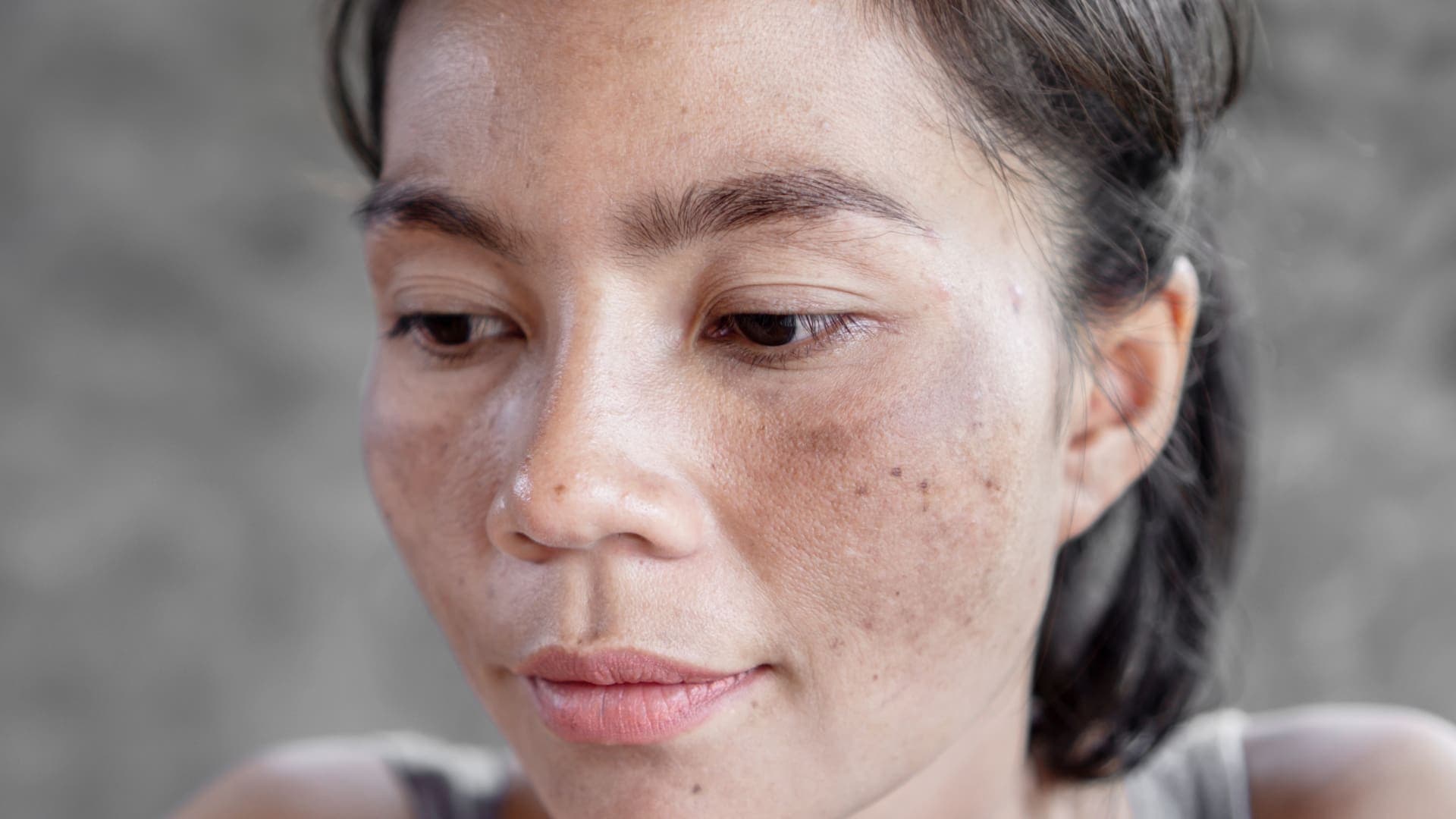
Why does my skin look older than I feel?
It’s something many people wonder when they start noticing brown spots, uneven skin tone, or fine lines. These changes don’t happen overnight, they’re usually the result of sun damage that builds up over time. Even if you haven’t had a sunburn in years, daily sun exposure (even through windows or while driving) can slowly damage your skin. That damage can show up as dark spots, dryness, rough texture, and early signs of ageing. Believe it or not, even a suntan is a form of sun damage, it’s your skin reacting to UV rays. The good news is you can do something about it. With the right skincare routine and modern treatments, it’s possible to repair and even reverse much of that damage. In this guide, we’ll show you how to bring back healthier, clearer, and more even-looking skin.What Does Sun Damage Look Like on the Face?
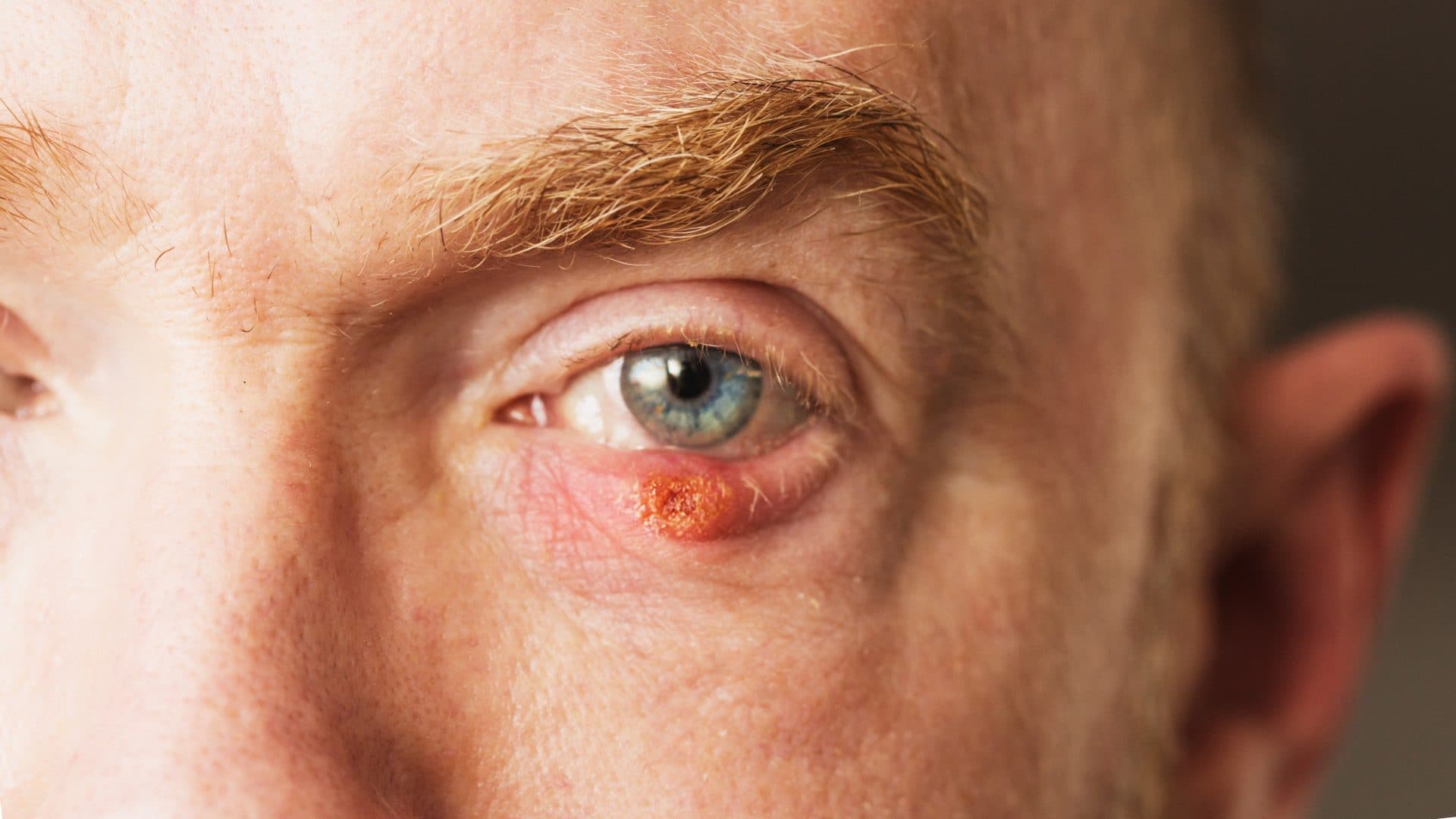
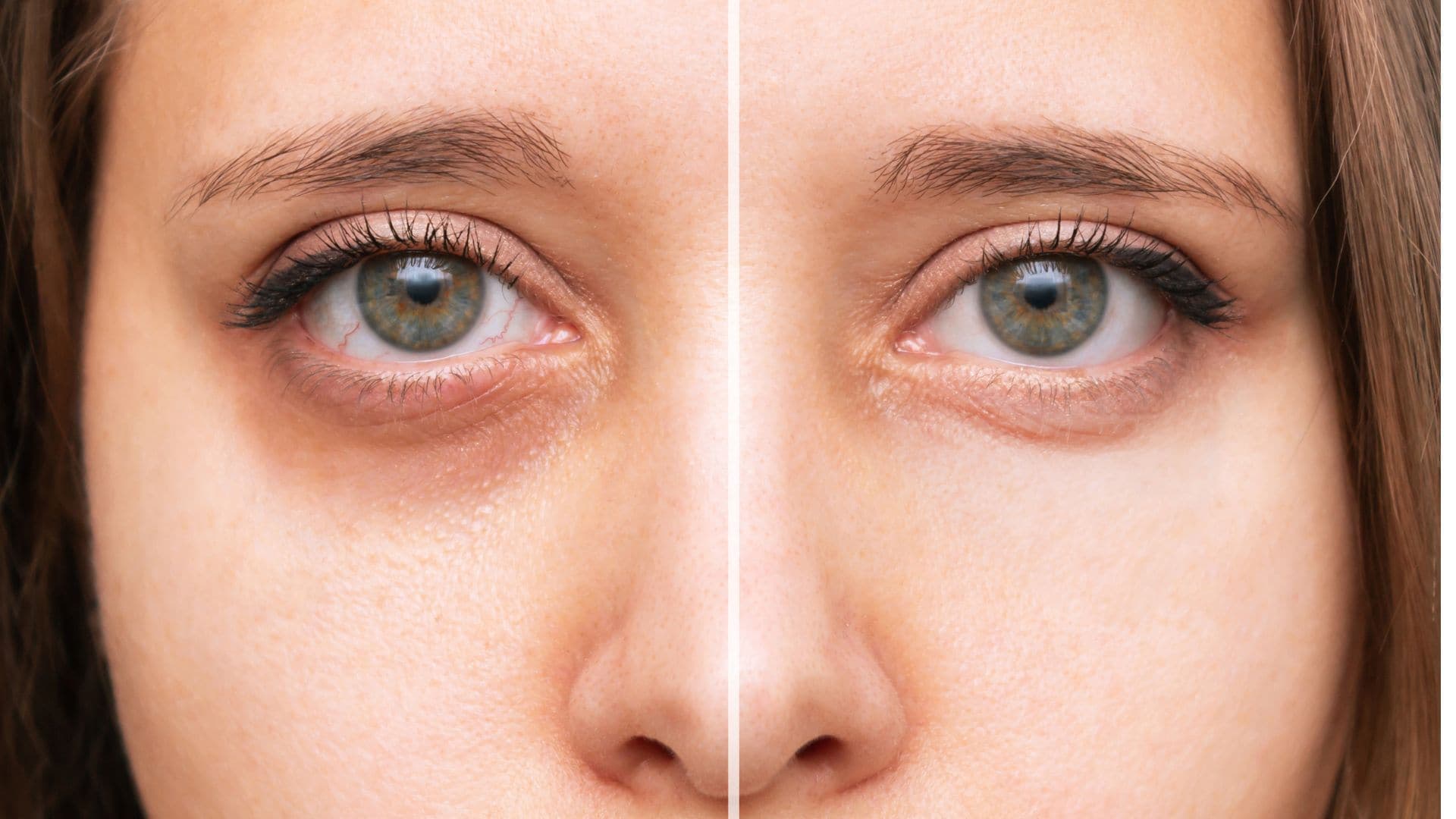
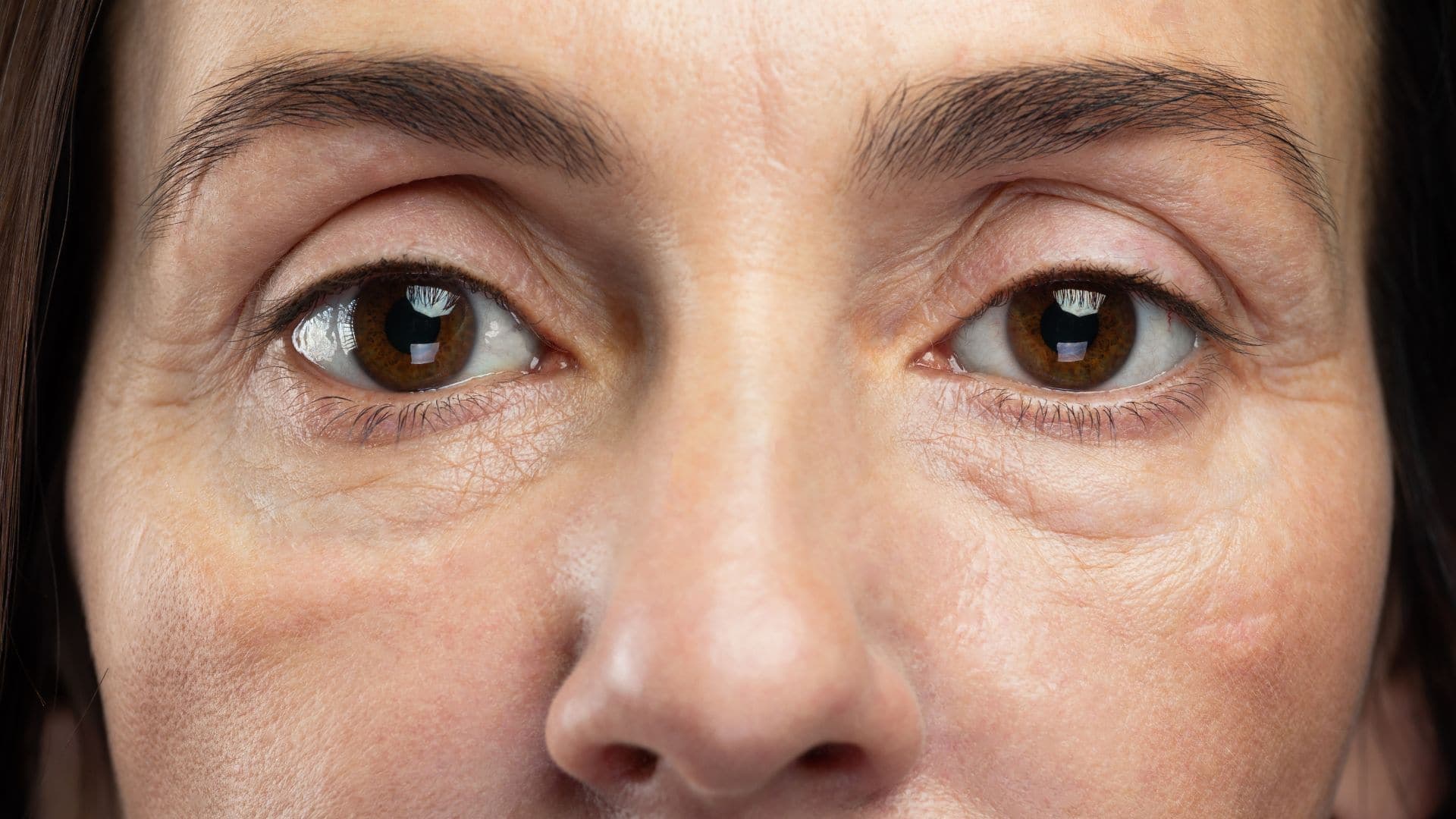
Before we dive into how to treat it, let’s understand what sun damage typically looks like. Some common signs include:- Hyperpigmentation (sun spots, age spots)
- Fine lines and wrinkles
- Rough or leathery texture
- Broken capillaries
- Uneven skin tone
- Redness or blotchiness
Is There a Way to Repair Sun Damaged Skin?
Absolutely. While you can't undo years of sun exposure overnight, you can improve the look and health of your skin over time. It’s not just about “fixing” the damage, it’s about helping your skin heal, rebuild, and glow again.Here’s what really helps:
- Use targeted skincare ingredients like retinol, vitamin C, and niacinamide to boost skin renewal and fade dark spots.
- Stay consistent with sun protection; daily SPF is non-negotiable if you want to prevent further damage.
- Hydrate and repair the skin barrier with nourishing moisturisers and hyaluronic acid.
- Exfoliate gently to remove dead skin cells and reveal fresher skin underneath.
- Consider professional treatments like laser therapy or microneedling for deeper repair and faster results.
- Be patient and consistent; skin improvement takes time, but real changes do happen with the right routine.
What Skincare Ingredient to Repair Sun Damaged Skin?
Are you wondering how to fix sun-damaged skin? The answer starts with the right skincare. By using these ingredients, you can fix sun damaged skin and support your skin’s natural repair process. With consistent use, they can help fade dark spots, smooth out rough texture, and restore a more even, youthful-looking complexion. Here are some of the most effective, expert-recommended ingredients to look for:1. Niacinamide (Vitamin B3)
Niacinamide is a gentle but powerful ingredient that helps fade dark spots and even out your skin tone. It works by preventing pigment from rising to the surface and may also slow down how much pigment your skin makes in the first place.Besides brightening, it also helps:
- Reduce fine lines and wrinkles.
- Calm redness and blotchiness.
- Improve skin elasticity and texture.
- Strengthen your skin’s natural barrier.
2. Alpha Hydroxy Acids (AHAs)
AHAs like glycolic acid, lactic acid, and mandelic acid gently exfoliate the skin. They help remove dull, damaged cells from the surface, which can fade dark spots over time. They’re best used in the evening and always paired with sunscreen the next morning to protect your fresh skin. Start with once a week, and slowly build up as your skin gets used to them.3. Vitamin C
Vitamin C is a must-have for brightening and repairing sun-damaged skin. It works by neutralising harmful free radicals before they can cause damage and also helps boost collagen, the protein that keeps your skin firm and smooth. It’s best used in the morning under sunscreen but can also be used at night. It won’t replace SPF, but it makes your protection routine much stronger.4. Retinoids (Retinol & Tretinoin)
Retinoids are vitamin A-based ingredients that help speed up skin cell turnover. This means your skin sheds damaged cells more quickly and replaces them with newer, healthier ones, which helps fade sunspots, smooth fine lines, and even out skin tone. Retinol is available over the counter, while tretinoin (stronger and more effective) usually requires a prescription. Start slowly and follow up with moisturiser, as these can be drying at first.5. Azelaic Acid
Azelaic acid is a lesser-known but highly effective ingredient for treating dark spots and redness. It works by calming inflammation and reducing excess melanin, the pigment that causes spots. It’s great for people with sensitive skin, rosacea, or post-acne marks. Plus, it has antioxidant properties that help fight future damage.6. Sunscreen
No matter what products you use, daily sunscreen is a must. UV rays are the main cause of sun damage, so protecting your skin every day is the most important step in preventing more. Use a broad-spectrum SPF 30 or higher every morning, even on cloudy days or when staying indoors near windows. Mineral sunscreens with zinc oxide or titanium dioxide are great options, especially for sensitive skin.Best Treatment for Sun Damaged Skin on Face
If you're looking for faster, more noticeable results, there are several professional treatments that can help fade or even remove sunspots. These procedures should always be done by a trained skincare expert or licensed practitioner to ensure safety and the best results.Here are some of the most common in-clinic options:
1. Laser Resurfacing
Laser resurfacing uses focused beams of light to carefully remove the outer layers of sun-damaged skin. As your skin heals, fresh, new skin forms in its place, smoother, more even, and clearer. Depending on how many spots you’re treating, the session can last anywhere from 30 minutes to 2 hours. Recovery usually takes about 10 to 21 days.2. IPL (Intense Pulsed Light)
This treatment uses pulses of light energy to target the brown pigment in sunspots. The light heats and breaks down the melanin, which helps fade the spots over time. Sessions are quick (usually under 30 minutes) and involve minimal discomfort. You may need a few sessions to see full results.3. Cryotherapy
Cryotherapy involves freezing sunspots with a very cold solution, usually liquid nitrogen. This helps destroy the discoloured cells so your skin can heal with a more even tone. For surface-level sunspots, a gentler freezing agent like nitrous oxide may be used to reduce the risk of blistering. The treatment takes just a few minutes and is generally well tolerated.How Do You Repair Sun Damaged Skin with Home Remedies?
If you’ve noticed dark spots, uneven tone, or dullness after sun exposure, don’t worry, there are several at-home treatments that may help improve the look of your skin and reduce sun damage over time. While these remedies may not deliver instant results, they can gently support your skin’s natural repair process with regular use.Here are some options you can try:
1. Aloe Vera
Aloe vera contains natural ingredients like aloin and aloesin, which can help lighten dark spots and improve uneven skin tone. Apply fresh aloe gel directly to the skin as a calming and brightening treatment.2. Liquorice Extract
Liquorice extract is a common ingredient in skin-brightening products, as it helps reduce the appearance of sunspots and pigmentation caused by UV exposure. It’s also a gentle option for sensitive skin.3. Vitamin C
This powerful antioxidant protects the skin from UV damage, boosts collagen, and helps lighten pigmentation. Look for serums with L-ascorbic acid and apply them in the morning for best results.4. Vitamin E
Vitamin E supports skin healing and can protect against future sun damage. It works especially well when combined with vitamin C, either as a supplement or in topical form.5. Apple Cider Vinegar
The acetic acid in apple cider vinegar may help fade pigmentation. Mix it with water and apply gently with a cotton pad, but be cautious if you have sensitive skin.6. Green Tea Extract
While using green tea bags on the skin is a common home remedy, green tea extract has more research behind it. It’s known to help reduce pigmentation and fight free radicals.7. Black Tea Water
In some studies, black tea water helped lighten tanned skin when used regularly. It may be worth trying as a natural toner.8. Red Onion Extract
Red onion peel contains compounds that can help brighten dark spots. Some OTC creams include it as an ingredient for skin lightening.9. Lemon Juice (Use with Caution)
Lemon juice is a popular home remedy for fading spots, but it’s highly acidic and can dry or irritate the skin. If you try it, always dilute it and follow up with sunscreen.10. Buttermilk & Milk
Both are rich in lactic acid, which gently exfoliates the skin and may help reduce the look of sunspots over time. Apply with a cotton pad and rinse after a few minutes.11. Honey
Packed with antioxidants, honey helps encourage new skin cell growth and may support healing. Use it as a gentle mask a few times a week.12. Over-the-Counter Creams
Many OTC spot-fading creams contain proven ingredients like glycolic acid, hydroxy acids, kojic acid, or deoxy arbutin. When used consistently, these can help exfoliate and lighten the skin safely.Final Thoughts
Sun damage on your face doesn’t have to be permanent. With the right ingredients, treatments, and sun protection, you can repair your skin and restore its natural glow. Start by consulting a doctor, building a targeted skincare routine, and committing to daily SPF. Your skin is resilient, and with consistent care, it can look healthier and more radiant than ever. Whether you choose medical-grade products, in-clinic treatments, or both, your face deserves that second chance. And remember, prevention is always easier than correction. So protect your glow, treat your skin kindly, and let it show the healthy, radiant side of you.Good to know
Frequently asked questions
Still unsure? Our team is glad to talk you through anything before you book.
- While doctors can't completely undo sun damage, they can offer treatments that help boost collagen, speed up skin renewal, and improve the look of dark spots. Some options include topical treatments with retinol.
- Yes, vitamin C plays an important role in improving sun damage. It helps control melanin production, which is the natural pigment in our skin. This can prevent uneven skin tone caused by too much melanin in certain areas.
- Once UV rays alter the DNA in your skin cells, that damage can't be completely fixed. However, you can still improve how your skin looks. There are ways to treat, reduce, and manage the effects of sun-damaged skin.
- At-home treatments like serums may show results in 4-12 weeks, while professional treatments like lasers can take 1-3 months for full effects.
- Ingredients like aloe vera or green tea extract can soothe skin, but are less effective than science-backed ingredients like retinoids or vitamin C.
- Yes, prolonged UV exposure increases the risk of melanoma and other skin cancers. Regular dermatologist checkups are crucial.