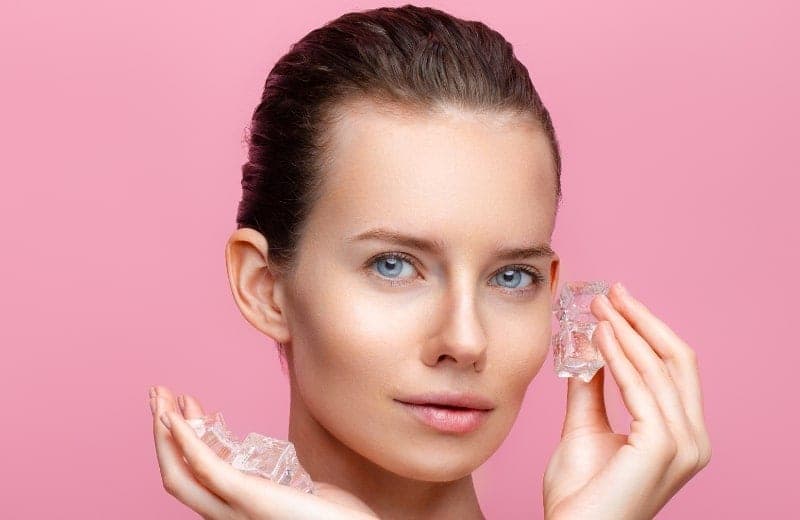
Facial icing, often called skin icing or ice therapy, is a simple skincare practice that delivers surprisingly powerful results. It involves gently rubbing ice cubes or cold compresses on the skin for a short duration.
This natural technique has been used for years to refresh, soothe, and improve the skin without expensive treatments or products. The low temperature causes blood vessels to narrow, reducing inflammation & stimulating blood circulation when the skin warms back up.
Regular use can help with puffiness, acne, and even premature signs of ageing. The best part is, it’s safe, affordable, and easy to do at home. Let’s break down all the major benefits of applying ice to the face and how it can transform your skincare routine.
What Exactly Is Facial Icing?
Facial icing is the application of ice cubes or frozen compresses directly on the skin to trigger a cooling effect. The cold temperature leads to the narrowing of blood vessels, reducing swelling and redness. When the skin reaches its normal temperature again, circulation improves, bringing oxygen and nutrients that rejuvenate the skin. It’s a natural form of cold therapy adapted for beauty and skincare.Is Icing Actually Good for Your Face?
Yes, when done correctly, icing can be highly beneficial for most skin types. It reduces inflammation, tightens pores, balances oil production, and improves the skin’s natural glow. Many dermatologists believe that while it isn’t a complete solution, it can be a great part of a skincare routine. However, it’s essential to use it safely and not overapply, as excessive use can irritate the skin.Why Have Ice Facials Gained So Much Popularity?
Ice facials are trending because they deliver instant results without the need for costly treatments. People notice reduced puffiness, calmer acne, and a fresh, glowing appearance almost immediately. This method is flexible. You can use it as a quick fix before applying makeup or as a calming routine after a long day. Its popularity has grown, especially on social media, where skincare fans share fun ice cube recipes made with cucumber, green tea, or rose water for extra benefits.Benefits of Ice For Face
Facial icing may appear simple, but its impact on the skin is far from ordinary. Beyond delivering a refreshing sensation, it provides numerous advantages that lead to healthier, more glowing skin. Let’s take a closer look at these key benefits.1. Reduces Puffiness and Swelling
Ice is highly effective in calming puffiness, especially around the eyes. Low temperatures cause blood vessels to tighten and decrease fluid retention. This is why icing is often recommended in the morning to tackle swollen eyes or a bloated face after waking up. A few minutes of icing can make the skin appear tighter, fresher, and more awake.2. Soothes Acne and Breakouts
Cold therapy reduces redness and inflammation caused by acne. Placing ice directly on a pimple can soothe irritation, shrink pores, and slow down oil production in the area. While it won’t cure acne completely, it provides quick relief from painful, swollen pimples and helps prevent further bacterial growth.3. Minimises the Appearance of Pores
Large pores are often more noticeable when they are clogged with dirt and excess oil. Applying ice to the skin causes pores to constrict, giving the face a smoother appearance temporarily. This effect not only improves the texture but also reduces the chance of buildup that leads to breakouts.4. Boosts Blood Circulation
When ice touches the skin, blood flow slows down due to constriction. As the skin returns to normal temperature, circulation increases. The rise in blood circulation delivers oxygen and nutrients to skin cells, which results in a natural glow and healthier-looking complexion over time.5. Reduces Dark Circles
Ice cubes wrapped in a soft cloth can help lighten dark circles under the eyes. The cooling effect improves circulation and reduces swelling, which can make under-eye shadows less prominent. For best results, using ice cubes made with cucumber juice or green tea offers added benefits.6. Acts as a Natural Primer
Many people use ice before applying makeup. The tightening effect of ice reduces oiliness and smoothens the skin’s surface, helping foundation and concealer sit better. It’s a natural and inexpensive way to create a flawless base without relying on heavy primers.7. Calms Sunburns and Skin Irritation
The cooling sensation of ice provides instant relief from sunburn, rashes, or allergic reactions. It soothes the skin, reduces redness, and accelerates healing. For extra effectiveness, using aloe vera-infused ice cubes can enhance the calming effect.8. Delays Signs of Ageing
Icing the face regularly can help prevent fine lines and wrinkles. Improved blood circulation boosts collagen production, which is essential for maintaining skin elasticity. Over time, this simple practice can slow down premature ageing and keep the skin looking firm.9. Helps with Oil Control
For people with oily skin, using ice can make a big difference. By shrinking pores and reducing excess sebum production, it controls the shine and keeps the skin looking fresh for longer. This makes it particularly helpful during hot weather or before long days outside.10. Enhances Product Absorption
Applying ice after skincare products like serums or moisturisers helps lock in the ingredients. The cold tightens pores, allowing the products to penetrate deeper and work more effectively. This ensures you get the maximum benefit from your skincare routine.Effective Alternatives to Regular Ice for Facial Icing
While regular ice cubes made from water are effective, you can enhance the benefits of facial icing by using natural ingredients frozen into cubes. These variations not only provide the cooling effect of ice but also deliver targeted nutrients to the skin.-
Cucumber Juice Ice Cubes:
-
Green Tea Ice Cubes:
-
Aloe Vera Gel Ice Cubes:
-
Rose Water Ice Cubes:
Step-by-Step: How to Apply Ice to Your Face
-
Prepare the ice:
-
Cleanse your skin:
-
Apply gently:
-
Limit time:
-
Moisturise after:
Who Should Avoid Facial Icing?
Facial icing is usually safe, but it may not be right for everyone. You should be careful if you have certain skin conditions.-
Thin or Sensitive Skin:
-
Broken Capillaries:
-
Recent Facial Treatments:
How Often Should You Ice Your Face?
Most people see results by icing 3-4 times per week. If your skin tolerates it well, you can do it once daily, especially in the mornings, to reduce puffiness. The key is moderation; overuse can cause dryness or irritation.Expert Tips for Effective Icing
- Always wrap ice in a soft cloth, never apply it directly.
- Don’t exceed 10-15 minutes in one session.
- Use gentle circular motions instead of pressing hard.
- Pair icing with skincare products to enhance absorption.
- Experiment with natural infusions like cucumber or tea for added benefits.
Final Thoughts
Applying ice to the face is one of the easiest ways to refresh and improve your skin naturally. From reducing puffiness and acne to enhancing glow and delaying ageing, this simple practice offers multiple benefits. With proper use and consistency, skin icing can become a powerful step in your daily skincare routine without the need for costly treatments or products.Good to know
Frequently asked questions
Still unsure? Our team is glad to talk you through anything before you book.
- Applying ice daily can boost blood circulation, which brings more oxygen to the skin and gives it a healthy glow. Its anti-inflammatory effect also makes it useful for calming acne and preventing new breakouts by controlling excess oil.
- Yes, using ice regularly can improve circulation and support skin renewal, which may lighten dark spots over time. It can also help reduce discolouration from acne scars or sun damage.
- It’s best to limit icing to 1-2 minutes on each area of the face. A full session should not exceed 10-15 minutes to avoid irritation or damage.
- Yes. Icing helps shrink pores and control excess oil production, which keeps the skin looking fresh and reduces the risk of clogged pores.
- Icing improves blood circulation and stimulates collagen production, which can slow the appearance of fine lines and keep skin firmer for longer.
- Morning is ideal for reducing puffiness and refreshing the skin before the day starts. However, icing at night can also be soothing and help skincare products absorb better.
- Overdoing it or applying ice incorrectly can cause irritation, dryness, or broken capillaries. Moderation and proper technique are key.