
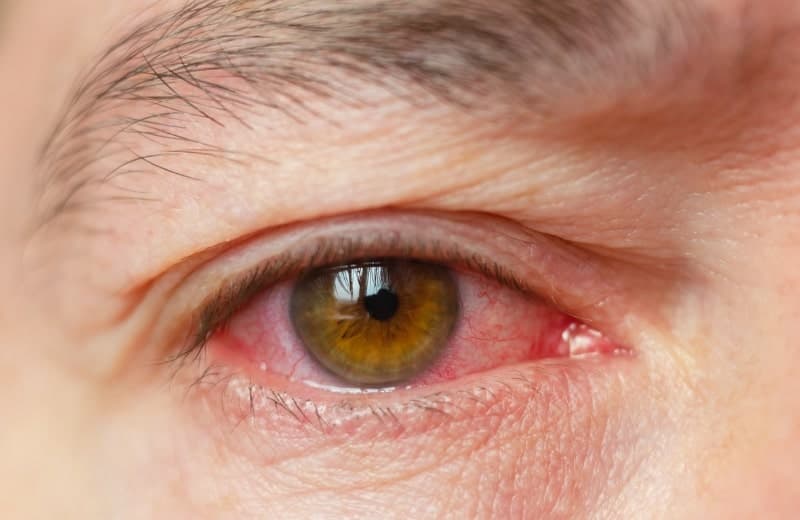
Have you ever felt that annoying itch or burning sensation in your eyes that just won’t go away? Eye irritation is something most of us experience at some point due to factors like allergies, dry air, pollution, or extended screen time.
Whether it's a mild itch, redness, burning, or the feeling of something stuck in your eye, it can be uncomfortable and distracting. While it’s usually not serious, untreated eye irritation can worsen or point to an underlying condition.
In this blog, we’ll explain the common causes of eye irritation, symptoms, and the best treatments available.
What is Eye Irritation?
Eye irritation refers to discomfort in one or both eyes, often described as itching, burning, stinging, or a gritty feeling. It can happen due to many reasons, including environmental factors or health-related problems. While most cases are mild and temporary, persistent irritation may indicate a need for medical attention.Common Symptoms of Eye Irritation
Here are the most common symptoms you might experience if your eyes are irritated:- Redness
- Itchiness
- Burning Sensation
- Gritty or Sandy Feeling
- Watering (Excessive Tearing)
- Light Sensitivity (Photophobia)
- Discharge
- Swelling
- Blurred Vision
- Eye Pain
- Eyelid Crusting
Causes of Eye Irritation
Eye irritation can stem from various everyday triggers and underlying health factors that affect the eyes' comfort and clarity.1. Environmental Factors:
- Allergens: Pollen, dust mites, pet dander, mould - these airborne particles are notorious for triggering allergic conjunctivitis, which causes itchy, watery, and red eyes.
- Pollutants: Smoke (from cigarettes, wildfires, or pollution), smog, and chemical fumes can all irritate the delicate surface of your eyes.
- Dry Air: Air conditioning, heating systems, and low humidity environments can dry out your eyes, leading to a gritty, burning sensation.
- Foreign Objects: A speck of dust, an eyelash, or even a tiny insect can feel like a boulder in your eye, causing immediate irritation and tearing.
2. Lifestyle Habits:
- Digital Eye Strain (Computer Vision Syndrome): Staring at screens for long periods without adequate breaks can lead to dry eyes, fatigue, and irritation due to reduced blinking.
- Contact Lens Misuse: Wearing lenses for too long, not cleaning them properly, or sleeping in them can lead to infections and irritation.
- Lack of Sleep: Tired eyes are often irritated eyes. Not getting enough rest can make your eyes feel dry and gritty.
- Rubbing Your Eyes: While it might feel good for a moment, rubbing irritated eyes can actually worsen inflammation and even introduce more irritants.
3. Medical Conditions:
- Dry Eye Syndrome: A chronic condition where your eyes don't produce enough tears, or the tears evaporate too quickly, leading to persistent dryness, burning, and irritation.
- Conjunctivitis (Pink Eye): Inflammation of the conjunctiva (the clear membrane covering the white part of your eye and inner eyelid). It can be viral, bacterial, or allergic.
- Blepharitis: Inflammation of the eyelids, often caused by clogged oil glands, leading to redness, itching, and crusty eyelashes.
- Stye: These small, painful bumps can appear on or around your eyelids. They often look like pimples filled with pus and may also cause your eyelid to swell.
- Corneal Abrasion: A scratch on the clear front surface of your eye (cornea), which can be very painful and cause significant irritation.
- Eye Infections: Various bacterial, viral, or fungal infections can cause redness, discharge, pain, and irritation.
- Blocked Tear Ducts: When the tear drainage system is blocked, tears can build up, leading to watery, irritated, and sometimes infected eyes.
- Cluster Headaches: Although primarily causing severe headaches, cluster headaches can also lead to eye-related symptoms like tearing, redness, and swelling on the affected side.
- Lupus (Systemic Lupus Erythematosus): This autoimmune disease can affect various parts of the body, including the eyes, leading to dry eyes, inflammation, and other issues.
- Multiple Sclerosis: An autoimmune disease affecting the central nervous system, it can sometimes cause vision problems like optic neuritis, which can involve eye pain and irritation.
- Ocular Rosacea: A subtype of rosacea that affects the eyes, causing redness, burning, dryness, itching, and light sensitivity.
- Rheumatoid Arthritis: This is another autoimmune condition that can cause dry eyes (secondary Sjögren's syndrome) and inflammation in various parts of the eye.
- Trichiasis: A condition where eyelashes grow inwards towards the eye, rubbing against the cornea or conjunctiva and causing constant irritation, redness, and foreign body sensation.
How to Relieve Eye Irritation?
If your eyes feel itchy, dry, or uncomfortable, here are some simple and effective ways to ease irritation and keep your eyes feeling fresh and clear.- Use Lubricating Eye Drops: Artificial tears from the pharmacy can help moisten your eyes, especially if they feel dry or gritty. They wash away irritants and give quick relief.
- Apply a Warm Compress: Soak a clean cloth in warm (not hot) water, then gently place it over your closed eyelids for a few minutes. This helps loosen any oils or buildup and is great for easing dryness.
- Try a Cool Compress: Dip a soft cloth in cold water and lay it gently over your eyes. This can calm redness, reduce puffiness, and soothe tired, irritated eyes.
- Rinse Your Eyes Gently: If something gets in your eyes or they feel itchy, gently rinse them with clean, cool water. This can help wash out dust or other small particles.
- Use a Humidifier: Dry air indoors, often due to heating or air conditioning, can lead to eye dryness. Using a humidifier helps keep the air moist, which can make your eyes feel more comfortable and less dry.
- Try Cucumber Slices: Placing cool slices of cucumber over your closed eyes can give a refreshing feeling. It may help reduce puffiness and calm irritated skin around the eyes.
How to Prevent Eye Irritation?
Preventing eye irritation starts with everyday habits that protect and support your eye health:- Keep your hands clean before touching your eyes or face.
- Do not rub your eyes, even if they feel dry or itchy.
- Wear protective glasses outdoors or in dusty areas.
- Give your eyes a break from screens with frequent, short pauses.
- Follow proper contact lens hygiene if you wear lenses.
- Stay hydrated to support natural tear production.
- Avoid allergens and irritants like smoke, strong fragrances, or pet dander.
- Remove makeup thoroughly every night to prevent buildup or infections.
- Consider using a humidifier if you feel your indoor air is dry.
When to See a Doctor?
Most cases of eye irritation are minor, but some need medical attention. Schedule a visit with an eye care professional if you experience:- Eye pain that doesn’t go away.
- Blurred or sudden vision changes.
- Persistent redness or swelling.
- Thick, yellow or green discharge.
- Sensitivity to light that worsens.
- Symptoms lasting more than a few days.
Final Thoughts
Eye irritation is something most people experience, but it doesn’t have to interfere with your daily life. Whether it’s caused by allergies, dryness, or too much screen time, simple changes in your routine and proper care can make a big difference. Always listen to your eyes; if something feels off, don’t ignore it.Good to know
Frequently asked questions
Still unsure? Our team is glad to talk you through anything before you book.
- Yes, they can. Extensions may lead to discomfort, allergies, or even damage to your eyes if not applied properly.
- Try warm compresses, rinse your eyes gently with clean water, use artificial tears, or take allergy medicines if needed.
- Mild irritation often clears up in a day or two. If it lasts more than 48 hours, it's best to see a doctor.
- Yes, it’s very common. It may happen due to dryness, allergies, or irritation and can be mild or more severe depending on the cause.
- Sometimes, yes. But if the irritation is painful or affects your vision, see an eye doctor to rule out serious problems.
- Yes, a cold compress can reduce swelling and ease itchiness, especially if caused by allergies.