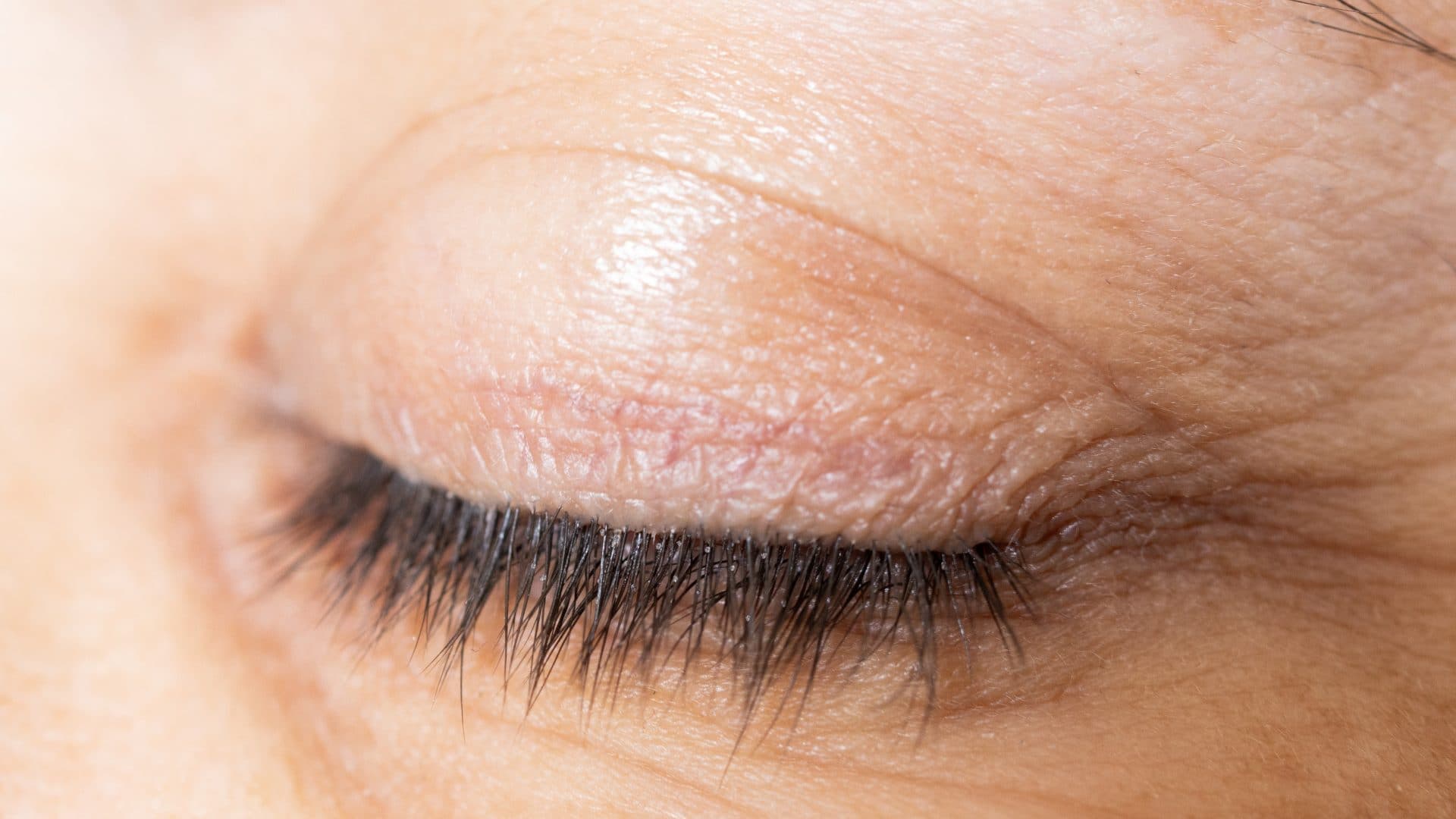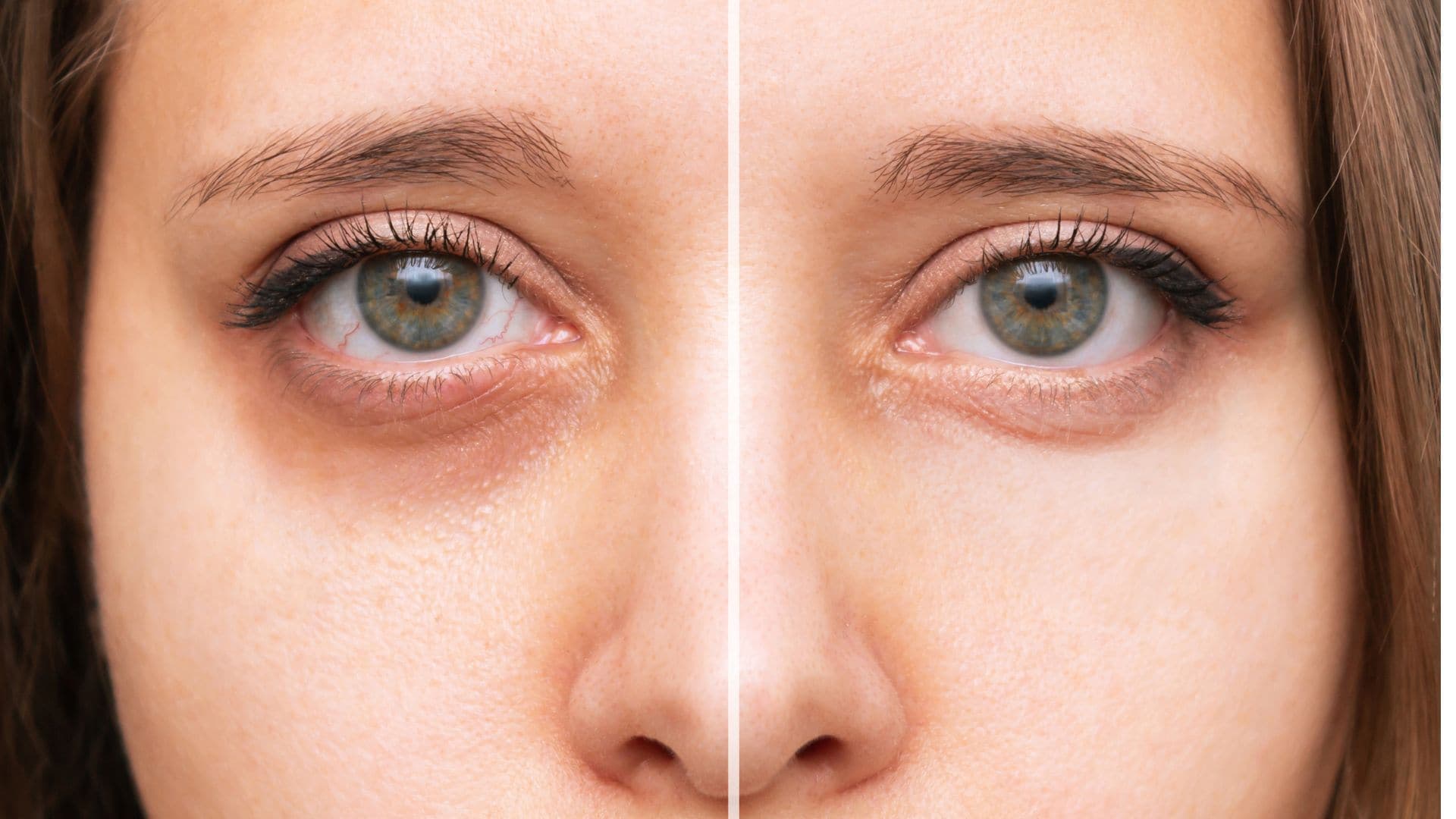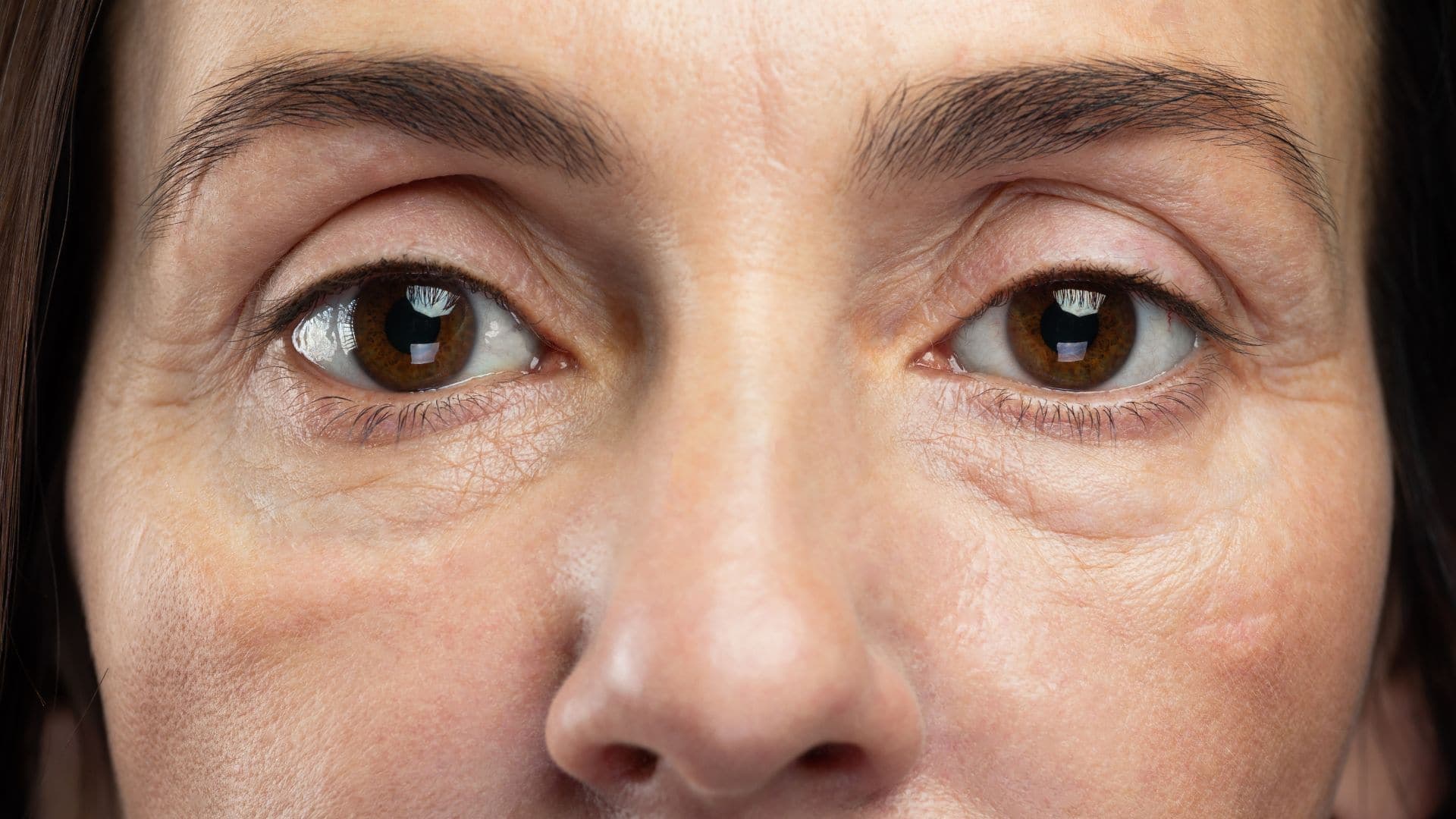
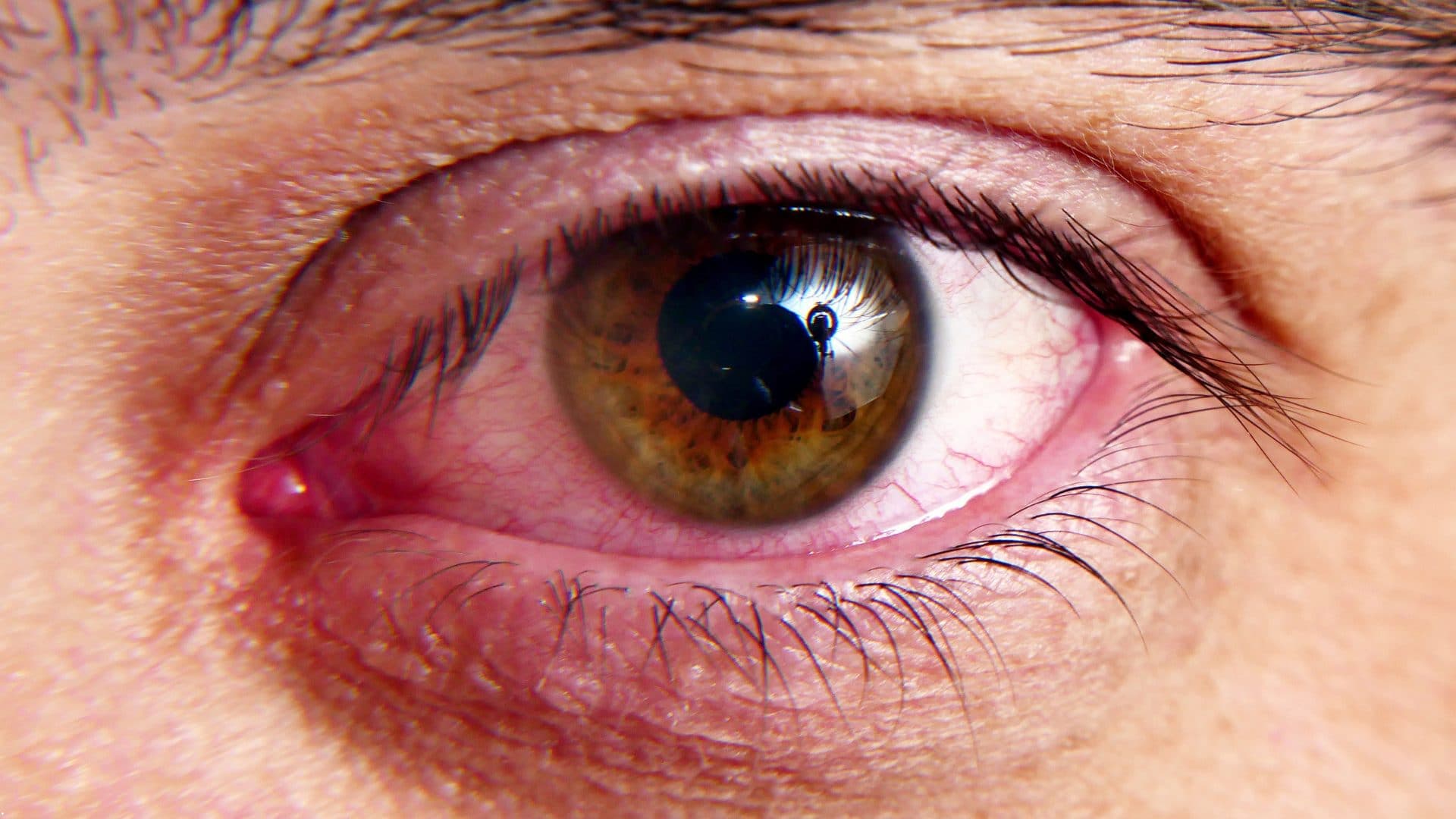
Dry eye disease affects the tear layers that protect your cornea. It happens when your eyes don’t produce enough tears or when the tears dry up too quickly. This can cause discomfort, such as burning, itching, and a gritty sensation in your eyes.
Finding the right treatment plan may require some trial and error. You might need to try different options, like eye drops or medical procedures, to see what works best for you. Let’s take a closer look at these treatments.
How to Treat Dry Skin Around Eyes?
If your dry eye symptoms are mild, your doctor may suggest starting with simple home remedies. Here are some easy ways to manage and relieve your discomfort:-
Home Remedies
- Avoid Triggers - Stay away from things that can make your symptoms worse, such as cigarette smoke, direct air from vents, strong winds, and allergens. Wearing wraparound sunglasses outdoors can help protect your eyes.
- Use a Humidifier - Dry indoor air, especially in winter when the heating is on, can worsen dry eye symptoms. A humidifier adds moisture to the air, making your eyes feel more comfortable.
- Apply a Warm Compress - Using a heated eye mask for about 10 minutes can help soothe your eyes and improve the function of the meibomian glands, which produce important oils for your tears.
- Give Your Eyes a Break - If you spend a lot of time reading or using screens, follow the 20/20/20 rule: every 20 minutes, look at something 20 feet away for 20 seconds. Also, blink frequently to maintain lubrication in your eyes.
- Take Omega-3 Supplements - Some studies suggest omega-3 fatty acids may support healthy tear production. However, before taking any supplements, make sure to see the doctor.
-
Eye Drops for Dry Eye
- Artificial Tears - These over-the-counter drops provide moisture and temporary relief. Some versions also contain lipids to prevent tear evaporation. However, they don’t address the root cause of dry eye.
- Lubricating Ointments - If your eyes feel dry overnight, a thicker lubricant, like an eye ointment, can help keep them moist while you sleep.
- Cyclosporine A Drops (Restasis®) - These prescription drops reduce inflammation in your tear glands, helping them produce better quality tears. They are used twice daily; most people see improvement within three months. A mild stinging sensation is common when starting this treatment.
- Lifitegrast Drops (Xiidra®) - Another prescription eye drop that reduces inflammation, these are also used twice daily. They help with both the symptoms and signs of dry eye, and while full benefits take about 90 days, some improvement may be noticed in as little as two weeks.
- Varenicline Nasal Spray (Tyrvaya®) - This nasal spray stimulates the trigeminal nerve to increase natural tear production.
- Autologous Serum Drops - For severe dry eye cases, doctors may recommend custom-made artificial tears created from a patient’s own blood serum. While effective, this treatment is costly and may not be covered by insurance.
-
Punctal Occlusion (Tear Duct Plugs)
- Temporary Plugs - These dissolve quickly, allowing your doctor to see if the treatment helps before considering a long-term solution.
- Permanent Plugs - If temporary plugs work, silicone plugs can be inserted into your tear ducts for longer-lasting relief.
-
In-Office Treatments for Dry Eye
- Thermal Pulsation Therapy (Lipiflow®) - This treatment uses gentle heat and massage on the eyelids to clear blockages in the meibomian glands, helping them produce more oil for a stable tear film.
- Intense Pulsed Light (IPL) Therapy - Pulses of light are used to break down thick substances clogging the meibomian glands, allowing oil to flow more freely and improving tear quality.
How to Diagnose Dry Eyes?
To diagnose dry eye, your doctor will review your medical history, conduct an eye exam, and perform specific tests to determine the cause of your symptoms.-
Eye Exam
- Look for signs of dry eyes.
- Check for other possible reasons behind your symptoms.
- Assess the health of your tear film, which consists of three layers that protect your cornea.
- Perform additional tests as needed.
-
Tests for Diagnosing Dry Eye
- Slit Lamp Exam - This test evaluates your tear production. The doctor shines a light into your eyes and uses a special microscope to examine your eyes and eyelids.
- Schirmer’s Test - This test also measures tear production, which involves placing a small strip of paper along the edge of your eyelid. Your eye naturally produces tears in response, and the doctor checks how much of the paper gets wet.
- Tear Breakup Time (TBUT) Test - This test measures how quickly your tears evaporate. The doctor places a small amount of dye in your eye and uses a microscope to see how long your tear film remains intact. If dry spots appear within 10 seconds after blinking, it may indicate dry eye disease.
Final Thoughts
While there's no permanent cure for dry eyes, understanding the condition and exploring various dry eyes treatment options can significantly relieve symptoms. By combining medical interventions with lifestyle modifications, you can manage and improve the health of your eyes effectively.Good to know
Frequently asked questions
Still unsure? Our team is glad to talk you through anything before you book.
- The most common treatment for dry eye syndrome is tear replacement therapy, which involves using artificial tears or medicated eye drops. These need to be used regularly to keep your eyes hydrated, reduce discomfort, and prevent further damage.
- Yes, dry eyes can cause problems if left untreated. Tears protect your eyes from infections, so without enough moisture, your risk of eye infections increases. Severe cases can lead to eye irritation, corneal damage, ulcers, and even vision loss.
- Yes, a lack of vitamin D may contribute to dry eye symptoms. Poor tear quality and tear film issues are sometimes linked to vitamin D deficiency. Vitamin D supplements may help reduce eye inflammation and improve the effectiveness of lubricating eye drops.
- Massaging your eyelids can help improve oil flow from the glands and relieve dryness. Here’s how you can do it: Wash your hands thoroughly, Apply a warm compress over your closed eyes for about five minutes, Gently massage your upper and lower eyelids in a circular motion using your fingertips or a cotton swab, Repeat the massage 5-10 times, Clean your eyelids with a cotton pad soaked in warm water.