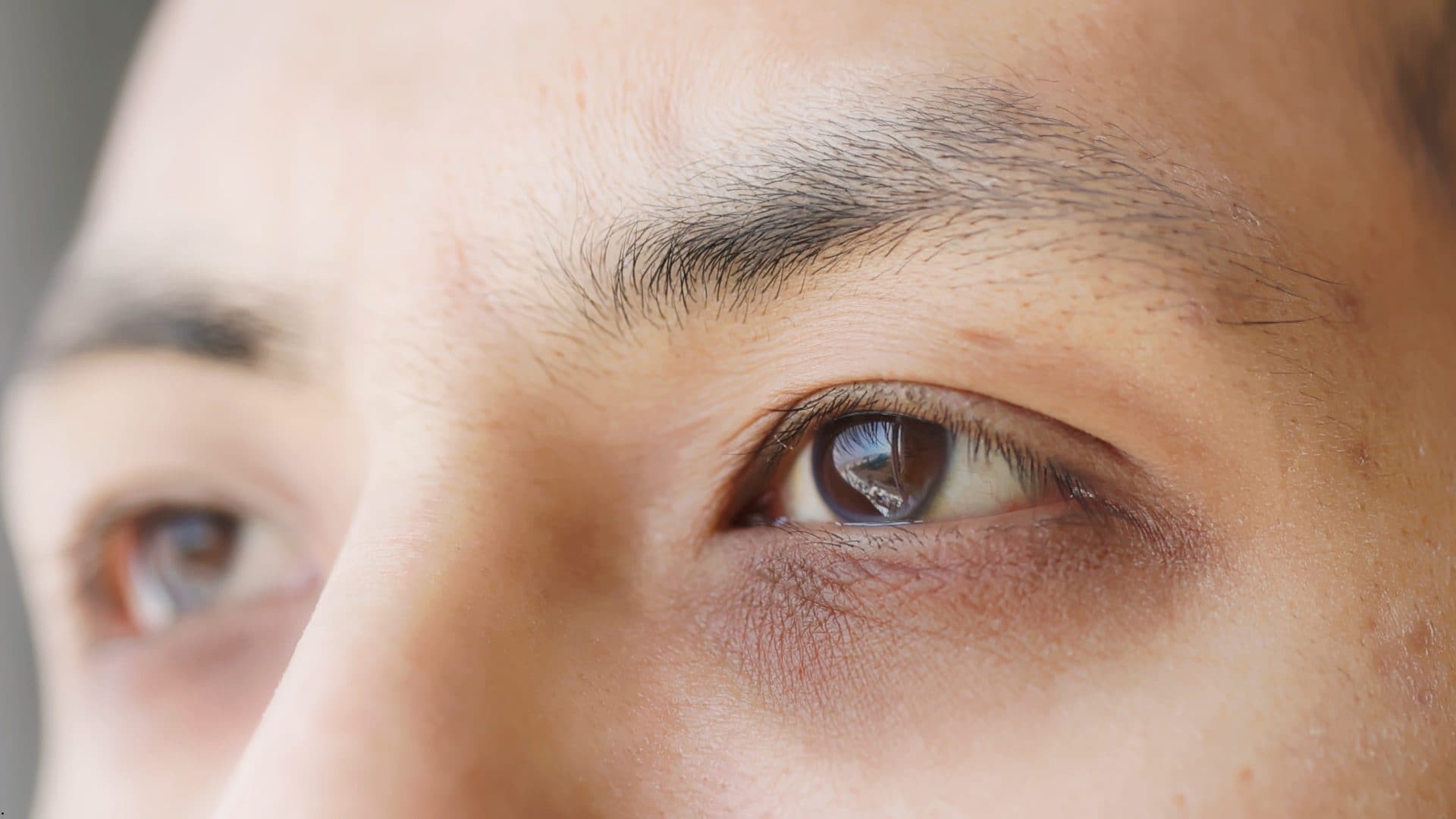

Waking up to puffy eyes that make you look like you pulled an all-nighter, even after a full eight hours? Or maybe those under-eye bags are stealing the show after a long day staring at screens. We've all been there, squinting in the mirror, wishing for a simple way to perk things up.
This guide explores cold compresses for the eyes: benefits and types, and it gives you straightforward, clinic-backed advice on how to use them safely at home and exactly when it's time to book that eye check-up for lasting relief. These soothing effects also highlight the wider benefits of ice on face, such as reducing puffiness and calming tired-looking skin.
What is a Cold Compress?
A cold compress is just a chilled item, think cloth, gel pack, or even veggies from the freezer, placed gently over closed eyes to cool the delicate skin around them. It's a go-to home remedy for soothing irritation, cutting down swelling, and giving your eyes a refreshed feel. No fancy equipment needed; it's been helping folks feel better for ages.How Cold Therapy Works
Cold therapy on the eyes taps into basic body responses to chill, making it a smart, quick helper for common issues. Here's the simple breakdown:- Vasoconstriction reduces blood flow and swelling: The cold makes the tiny blood vessels around your eyes tighten, which drains excess fluid and shrinks puffiness fast.
- Anti-inflammatory effect calms itching and irritation: It dials down the body's inflammatory response, easing that scratchy, red feeling from allergies or fatigue.
- Temporary cosmetic benefit tightens tissues: Cooling firms up the skin, making dark circles and bags less noticeable for hours.
Cold Compress on Eyes Benefits
People reach for a cold compress on the eyes because it tackles everyday eye woes without pills or hassle. From mornings after tears to allergy seasons, here's what it does best:- Reduces puffiness with a cold compress for puffy eyes: That morning bloat from salt or poor sleep? Cold pushes out fluid buildup, leaving eyes sleeker in minutes.
- Soothes allergic itching and redness: For allergic conjunctivitis, it quiets histamine-fueled itch and pinkness, offering calm without drops.
- Eases inflammation and discomfort, including pink eye. Cold compress: As symptomatic relief for pink eye (conjunctivitis), it reduces swelling and soreness while the infection clears.
- Quick cosmetic refresh for under-eye bags: Use a cold compress to soften bags from genetics or ageing. Cold tightens loose tissue and fades shadows.
- Relieves eye strain, headaches, and post-procedure swelling: Screen time or minor surgery aftermath? It numbs tension, easing headaches tied to eye fatigue.
Types of Cold Compresses
Matching the right type to your needs keeps things safe and effective. Each has upsides, downsides, and easy how-tos. Let's break down five solid options:01. Simple Cool Cloth (Cool Compress for Eyes)
Grab a soft washcloth, soak it in cold water (fridge-chilled works), wring it out, and fold it over closed eyes for 5-10 minutes. Pros: Free, customisable temp, no freezer wait. Cons: Warms up quickly, needs refreshing. Best for mild puffiness or quick allergy relief, sit upright while using.02. Ice Pack for Eyes (Frozen Gel Packs or Wrapped Ice)
Freeze a gel eye mask or wrap ice cubes in a thin cloth/towel. Apply gently for 10 minutes max. Pros: Stays cold longer, moulds to eye shape. Cons: Risk of frostbite if direct or too long; always barrier-wrap. Safety first: Limit to 10-20 minutes, 3-4 times daily.03. Chilled Spoons, Cucumber, or Refrigerated Tea Bags
Chill metal spoons, slice cukes, or steep green/black tea bags, then fridge for 10 minutes. Lay with eyes open for 5-10 minutes. Pros: Kitchen staples, tea adds antioxidants (green tea fights inflammation). Cons: Messy, short chill time. Fun for post-cry refresh or strain.How to Apply a Cold Compress: Step-by-Step
Safety keeps it helpful, not harmful. Follow these for the best results:- Wash your hands, and use a clean cloth/pack. Chill item (not frozen solid unless wrapped).
- Sit or lie back at 45 degrees, close your eyes, and place gentle light pressure only.
- Time: 5-15 minutes, 3-4 times daily. Remove if numb/painful.
- Pat dry, moisturise skin after. Repeat as needed, but rest your eyes too.
- For pink eye, use a cold compress: Single-use cloth per eye; discard after use to prevent spread.
When a Cold Compress is NOT Enough
Home fixes shine in the short term, but some signs scream "see a pro." Don't wait if:- Pain worsens, vision blurs/changes, or light sensitivity hits.
- Persistent redness/discharge after 48-72 hours, fever, or one eye swelling shut.
- Trauma, post-surgery worsening, or bulging eyes.
Clinic Treatments When Home Care Fails
When a daily cold compress for puffy eyes or eye bags isn't enough to address stubborn swelling, our clinic offers targeted treatments to address underlying issues such as allergies, clogged glands, or ageing skin. These go beyond temporary relief, delivering noticeable, longer-term results after a quick eye exam.01. Eye Drops and Ointments:
Prescription antihistamine drops like olopatadine ease allergy redness fast, while short-term steroids reduce inflammation. For bacterial pink eye, antibiotic ointments (e.g., erythromycin) clear infections in 5-7 days with simple nightly application and close monitoring.02. Dermal Fillers:
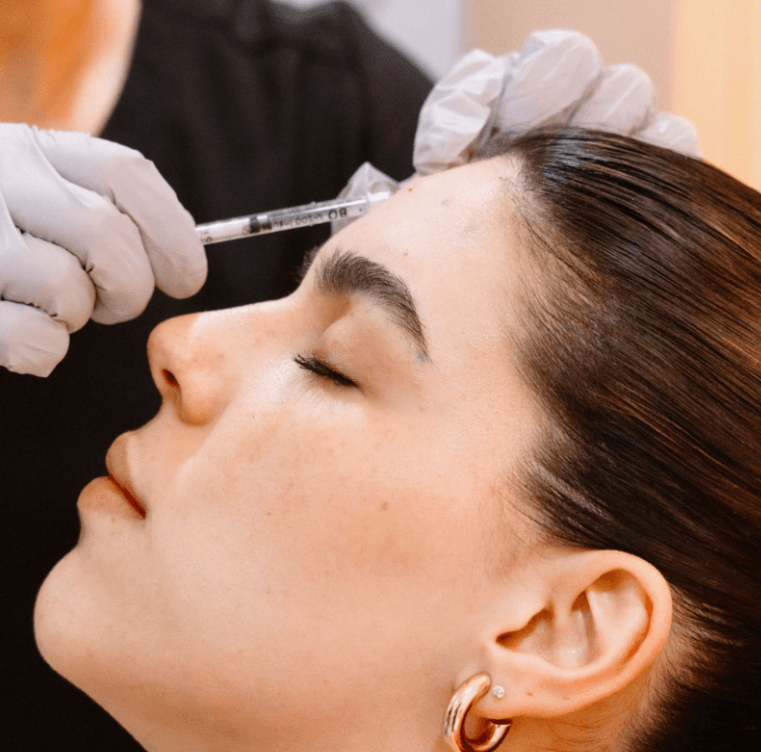
Hyaluronic acid injections (Restylane/Juvederm) restore volume under the eyes in 15 minutes, smoothing bags and shadows for 6-18 months. Minimal downtime, natural look.03. Laser Resurfacing:
Fractional CO2 or erbium lasers stimulate collagen to tighten loose skin and puffiness over 1-3 sessions. Redness fades in days; safe for most skin types.04. IPL Therapy and LipiFlow:
Light pulses unclog eyelid glands in blepharitis, paired with in-office heat/massage for 95% better oil flow and less swelling after four sessions.05. Blepharoplasty Surgery:
Outpatient fat/skin removal reshapes eyes permanently in about an hour, with a 7-10 day recovery, ideal for hereditary bags.06. PRP and Oral Meds:
Platelet-rich plasma from your blood regenerates under-eye tissue; orals like doxycycline tackle deeper infections. Personalised plans start simple. Schedule your free consult today; clearer eyes are ahead!Conclusion
Cold compresses offer quick relief for puffy eyes, bags, and irritation, but they're just the start. From simple cloths to gel masks, use them safely as cold compresses for the eyes to help reduce swelling and soothe pink eye symptoms. When issues persist, our clinic's treatments drops, fillers, lasers, or surgery, provide real, lasting fixes. Don't settle for temporary; get personalised care today. Book your consult now for brighter, bag-free eyes!Good to know
Frequently asked questions
Still unsure? Our team is glad to talk you through anything before you book.
- Yes, if wrapped and limited to 10 minutes, 2-3 times daily, great for routine puffiness, but skip if skin-sensitive.
- Absolutely for symptom relief, like swelling, but single-use cloths only to avoid spreading.
- No, it's temporary tightening; for lasting results, try fillers or surgery after a consultation.
- Warm for blepharitis to loosen oils; cold for swelling/puffiness.