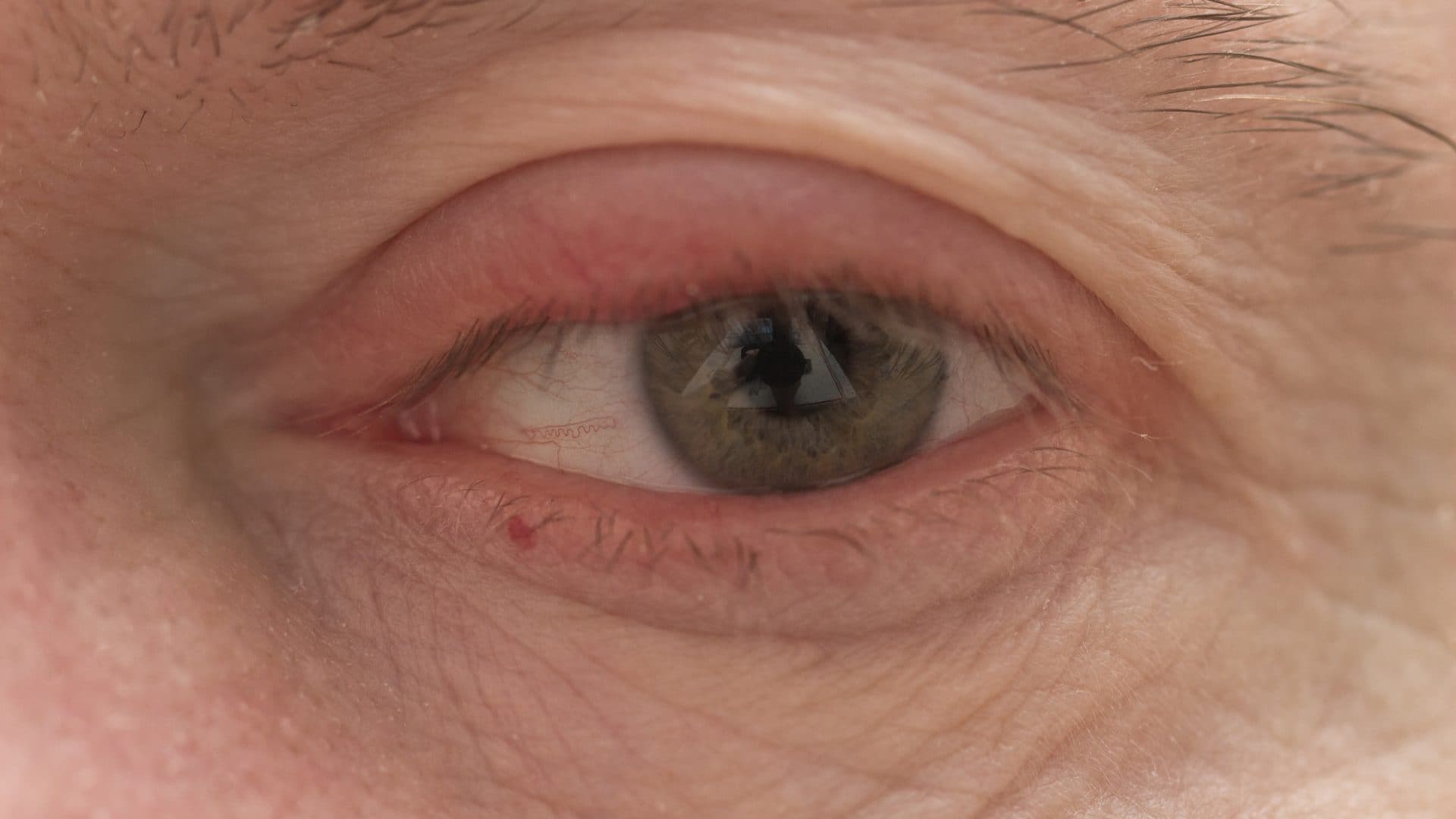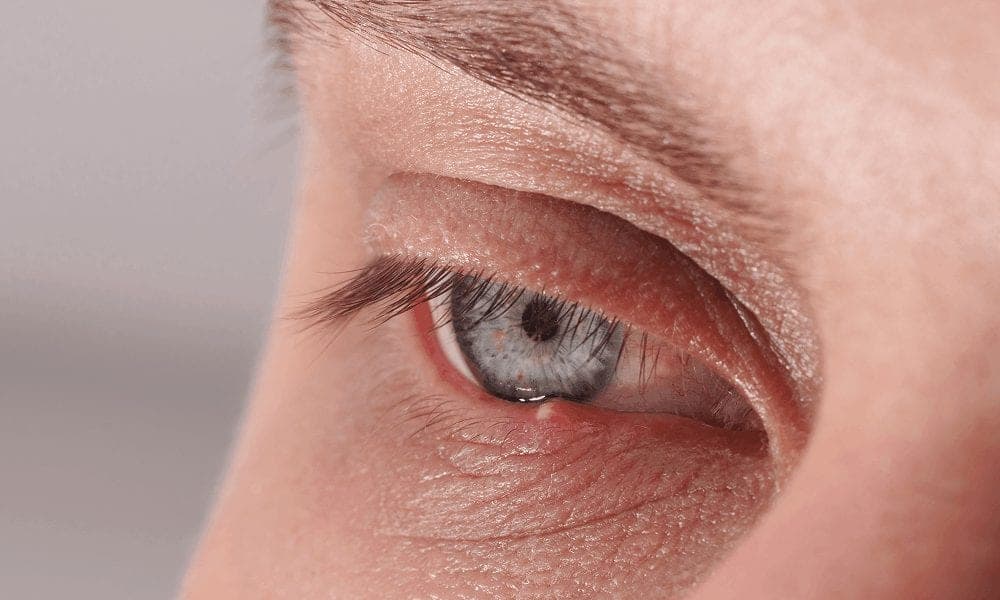
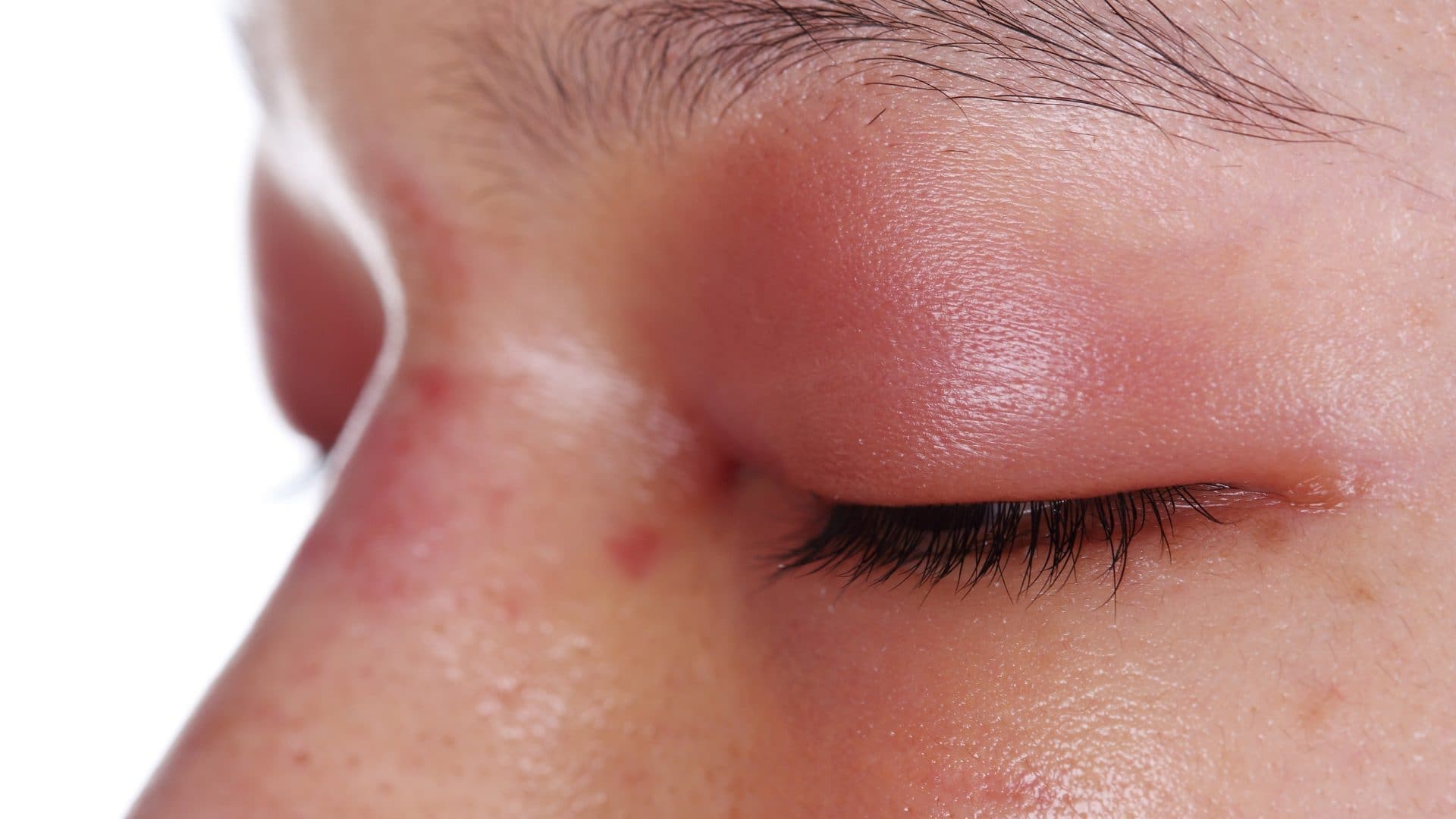
A swollen eyelid often signifies an underlying issue rather than a condition on its own. It is a common occurrence that is usually brought on by incidents, infections, inflammation, & allergies. The structure of the eyelid is delicate and flexible, which is why it can swell significantly.
The eyelid is a complex structure consisting of skin, eyelashes, tear glands, sweat glands, and oil-producing glands. Due to this intricate structure, various tissues can react to irritants or infections, leading to swelling in the eyelid.
If you're looking for how to get rid of swollen eyelids quickly, you're in the right spot. There are simple and effective home remedies for a swollen eyelid, so read on to learn some easy tips for relief.
How to do it:
Causes of Eyelid Swelling
-
Allergies
-
Infections
-
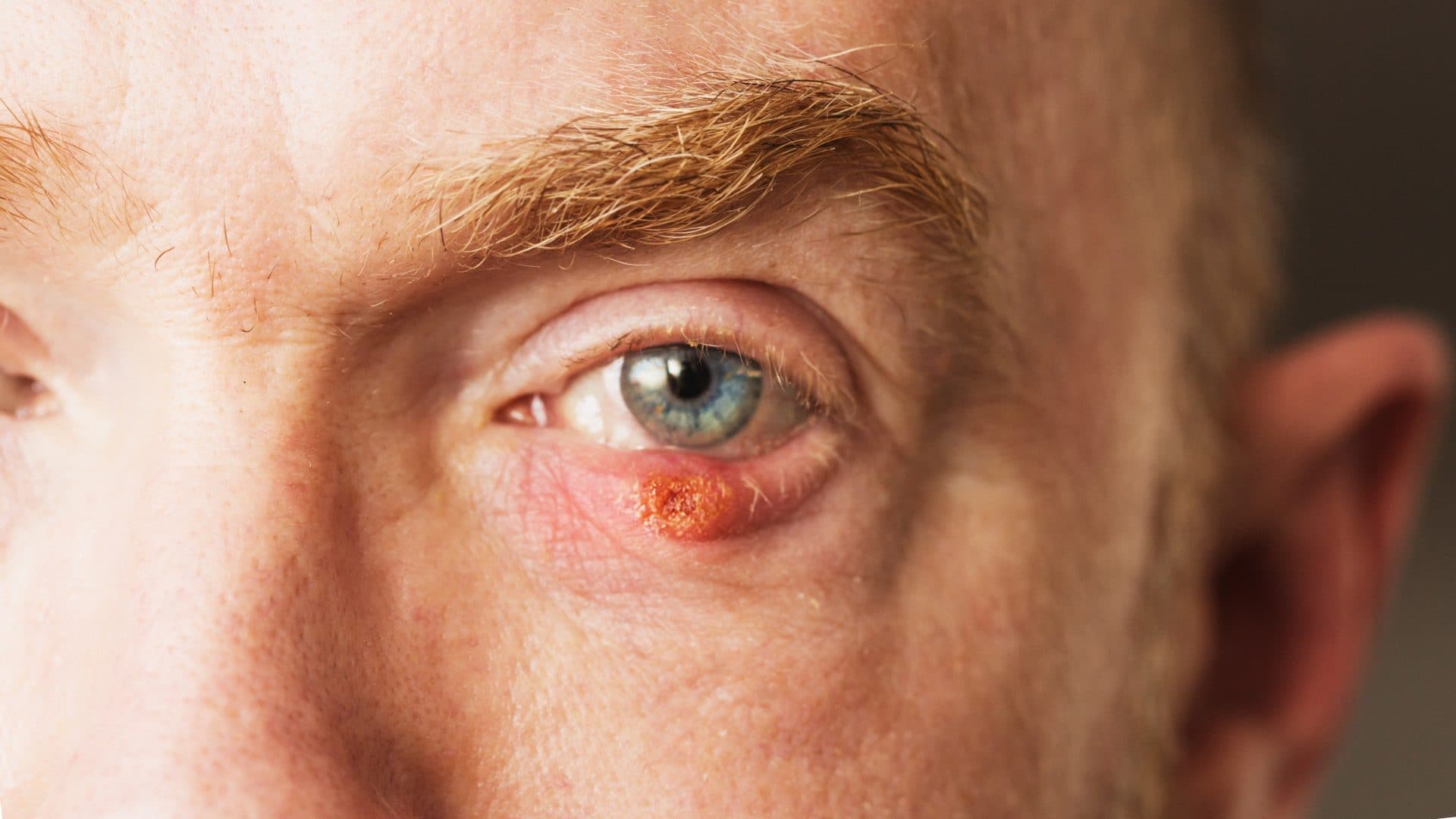
Blocked Oil Glands (Stye/Chalazion)
-
Injury or Foreign Body
-
Other Causes
What is the Fastest Way to Heal a Swollen Eyelid?
Treating a swollen eyelid depends on its cause. If your eye is swollen because of an infection, using antibiotic eye drops or ointments can help. In cases where topical treatments are ineffective, your doctor might prescribe oral antibiotics or steroids to further tackle the infection. To soothe swelling and maintain eye health, you can also try some simple home remedies for a swollen eyelid that are both effective and easy to follow:-
Warm Compress (for Blocked Glands)
How to do it:
- Soak a clean cloth in warm water, then gently squeeze out the excess water and press it against your eyelid.
- Hold it there for about 10-15 minutes.
- Do this 3-4 times a day until the swelling decreases.
Use Anti-Inflammatory Medicine
-
Avoid Touching or Rubbing the Eye
-
Apply Allergy Eye Drops
Try Natural Remedies for Swollen Eyelids
Certain natural ingredients may offer relief for a swollen eyelid. Here are a few popular options:-
Cucumber slices:
-
Green tea bags:
-
Aloe vera:
-
Stay Hydrated :
-
Get Plenty of Rest
-
Gently Clean the Area
-
Avoid Further Irritation
Medical Treatments for a Swollen Eyelid
-
OTC Options
-
Prescription Options
-
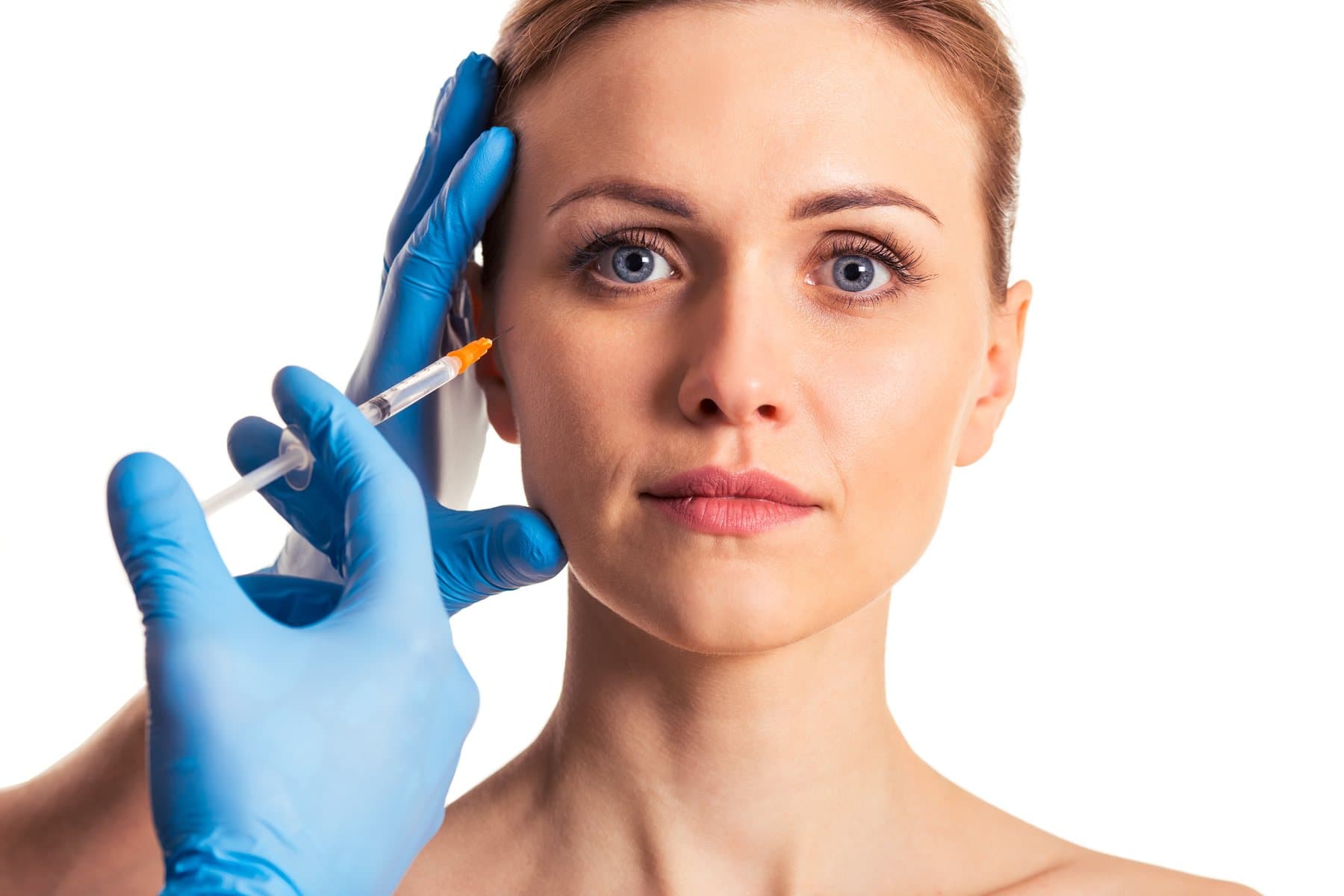
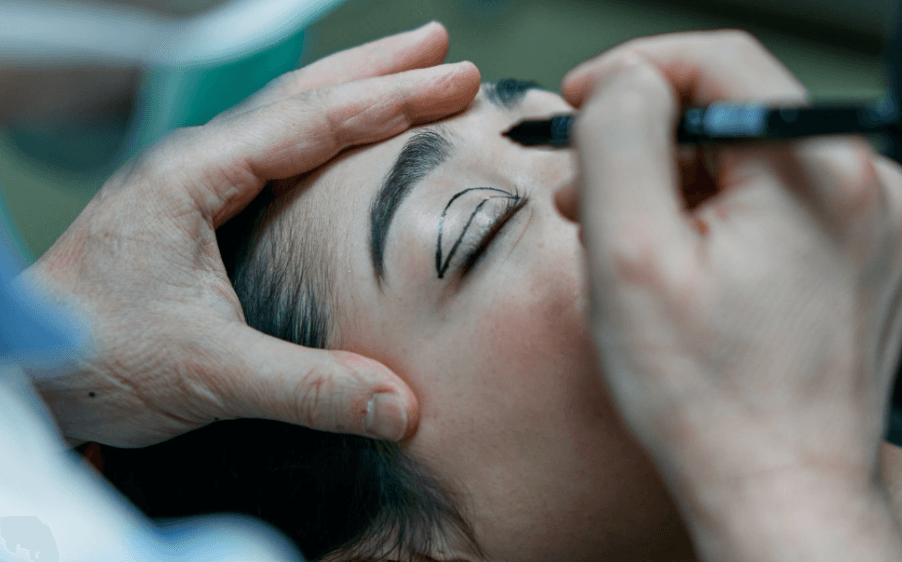
In-Office Procedures
Choosing the Best Antihistamine for Swollen Eyes
- Types: Antihistamines are available as oral tablets (loratadine, cetirizine) and eye drops (ketotifen, olopatadine).
- Pros and Cons: Drops act locally and quickly but may sting; tablets relieve other allergy symptoms but can cause drowsiness.
- Safety: Always follow dosage instructions, especially in children or people with chronic conditions.
Timeline: How Long Swelling Lasts & What to Expect
- Day 1-2: Allergic swelling often improves within hours to 1-2 days with antihistamines.
- Day 3-5: A stye or chalazion may take several days of warm compresses before reducing.
- More than a week: Persistent swelling may indicate infection or an underlying condition. Seek medical advice on how to get rid of a swollen eyelid safely.
When Should You Consult a Doctor for a Swollen Eyelid?
In most cases, a swollen eyelid will improve on its own within a day or two. However, if you notice no improvement after 24 to 48 hours, it’s a good idea to contact your primary doctor or schedule an appointment with an eye specialist.Seek urgent medical care if you notice any of the following signs:
- Fever
- Blurred or lost vision
- Double vision
- Swelling or protrusion of one or both eyes.
Conclusion
A swollen eyelid can be uncomfortable, but with the right approach, you can manage it quickly and effectively. Whether it’s through cold compresses, natural remedies, or anti-inflammatory medications, following these steps can help you find relief faster. If the swelling doesn’t improve within a couple of days or if you experience worsening symptoms, it’s essential to consult with a doctor to prevent complications. Taking proper care of your eyes and acting promptly will have you feeling and looking better in no time.Good to know
Frequently asked questions
Still unsure? Our team is glad to talk you through anything before you book.
- A swollen eyelid usually goes down on its own within a day or so. If it doesn’t improve after 24 to 48 hours, it’s a good idea to see your eye doctor. If you have a fever, lose your vision, see double, or if your eyes look unusually bulging, you should seek medical attention right away.
- Using warm compresses can help clear away any sticky discharge or crust that might be on your eyelids and is always recommended for treating styes/chalazia and blepharitis. On the other hand, cold compresses work wonders for lowering inflammation and itching. If your swelling is due to allergies, try not to rub your eyes, as that can make things worse.
- Yes, staying well-hydrated by drinking water can help reduce eyelid swelling. When your body is dehydrated, it tends to retain extra fluid, which can lead to puffiness around the eyes, including the eyelids. Drinking enough water each day helps flush out excess salt and toxins from the body, reducing fluid retention and minimising swelling.
- Using antibiotics on the eyelid can help relieve symptoms and treat bacterial infections. These come in different forms, like eye drops, creams, & ointments. If these don’t work, your doctor may recommend taking an oral antibiotic.
- To help ease swelling from crying, you can place a cool washcloth, some ice wrapped in a towel, or even a bag of frozen veggies wrapped in a towel over your eyes for a few minutes. This can help reduce the fluid that causes puffiness.