
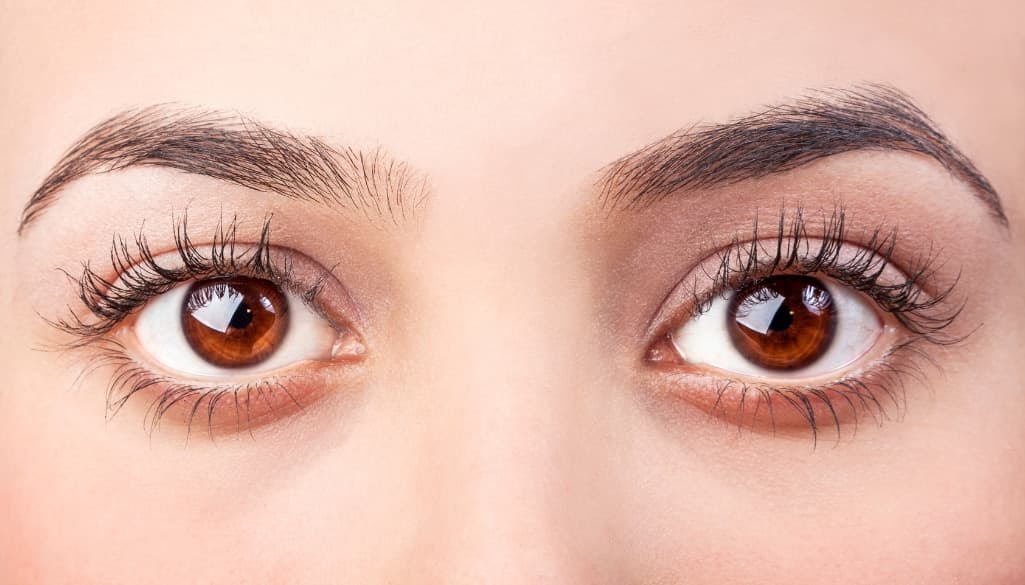
Our eyes never take a break each day. We connect our eyes to a lot, from phones and laptops to reading books, driving, and living life. It’s okay for them to be tired sometimes.
But so many ask: How do you rest your eyes? Or, how can I give my eyes a break that actually works? The good news is that there are small habits you can incorporate into your day that provide your eyes with real relief and improve their comfort over the long term.
In this all-encompassing guide, we’ll cover what you need to know about how to rest your eyes, why that’s important, what symptoms point to the need for a break, and the most practical part: the best steps to take each day. One simple and effective method often recommended is using a Cold Compress on Eyes to ease strain, reduce puffiness, and promote relaxation.
Why Does Eye Rest Matters?
We usually don’t appreciate our eyes until they begin to protest. If your eyes are deprived of the downtime they require, you may experience:- Blurry vision
- Headaches or tightness in the area behind your forehead
- Dry, itchy, or burning eyes
- Trouble focusing
- Achy feeling after reading or looking at the screen for an extended time
Understanding Digital Eye Strain and Eye Fatigue
There’s a good reason people are looking up how to give their eyes a break: digital eye strain (or computer vision syndrome). When you stare at screens:- You blink less frequently, which leads to dryness and irritation.
- You strain and keep focusing your eyes at near for extended periods, causing the muscles to fatigue.
- Bright lighting or glare makes your eyes work harder.
1. Take Regular Breaks With the 20-20-20 Rule
20-20-20 Rule: One of the easiest and most popular tips for resting your eyes is the 20-20-20 rule. Here’s how it works:- Every 20 minutes, take a break from what you are doing.
- Take a look at an object more than 20 feet away.
- Just stare at it for 20 seconds.
2. Close Your Eyes for Quick Rest Pauses
If someone asks, "How do I rest my eyes quickly when I'm tired?" one of the simplest things you can do is close your eyes for a minute or two. This:- Relieves the burden on the eye muscle.
- Let’s make a world of difference.
- Gives your brain a brief break from visual processing.
3. Blink Consciously to Keep Eyes Hydrated
For example, when you’re focused on screens or reading, your blink rate can drop by more than half. Blinking also helps move tears across the eyes, preventing dryness and discomfort. So take a break and try to blink long and hard. You’ll notice your eyes feel softer and less gritty.4. Change What You’re Focusing On
Another way to give your eyes a break is to change focus. Try this simple trick:- Stare at something very near you (your thumb about an inch away)
- Then focus on something in the distance in the room or outside
- Repeat this a few times
5. Adjust Your Screen and Workspace
Your environment matters a great deal for eye comfort. Make sure:- There is at least an arm’s length between the screen and the user.
- Your screen is at eye level or slightly below.
- The lighting in the room is soft, even, and non-glare-inducing.
6. Apply Hot Compresses or Palming for Rest and Relief
If you have tired eyes after a long day:- Rub your palms together until they are warm.
- Close your eyes.
- Cover your eyes with your palms without applying pressure.
7. Blink and Hydration: Internal and External Care
Your eyes need tears for comfort. To help with this:- Drink plenty of water throughout the day.
- Preservative-free eye drops may help alleviate dry eyes (check with your eye doctor).
8. Think About Your Entire Day, Not Just Screen Time
Consider Your Whole Day, Not Just Screen Time And sometimes they ask how I can rest my eyes beyond quick fixes. Long-term habits matter too:- Get enough sleep, and your eyes will recover while you catch up on sleep.
- Get outside natural light and distance vision is easy on the eyes.
- Pause regularly throughout long tasks, rather than when the task feels over.
When to See an Eye Doctor
With rest and good habits, most mild eye tiredness goes away in short order. But persistent problems, such as ongoing redness, pain, frequent headaches, or blurry vision that doesn’t go away with rest, should be assessed by an eye care professional. Early detection can stave off more serious problems later.Your Daily Eye Rest Checklist
Here’s an easy checklist to go through each day:- Follow the 20-20-20 rule
- Catch quick eye closures when you feel sluggish
- Blink intentionally when looking at the screen
- Tweak how your monitor or phone is set up
- Drink enough water
- Warm palming or eye pillowing as necessary
- Get enough sleep
Final Thoughts
Teaching yourself to rest your eyes is not a complex affair, nor does it require any special gear. Often, the transformations that are most effective are small habits you can make right now. Your eyes are with you every day. Just a little care can make a world of difference, resulting in improved comfort, clearer vision, and better focus each and every day. And, remember, resting your eyes isn’t something you do once; it’s a habit you build into your day.Good to know
Frequently asked questions
Still unsure? Our team is glad to talk you through anything before you book.
- Every 20 minutes, take a break from focusing on something up close and shut your eyes for a brief pause. Stretch your body as well. For most, regular breaks along with a well-designed workspace lead to less eye fatigue.
- Close for an instant, blink a few times, or look far away periodically when you feel strain building in your eyes.
- If you spend long hours reading or on screens, take breaks every 20 minutes to rest your eyes, even if they don’t yet feel tired. Frequent short breaks prevent strain buildup and can make it easier to be comfortable toward the end of your workday.
- Try blinking more frequently and taking breaks from screens to help soothe dry or irritated eyes, and be sure you keep hydrated. Warm compresses and good lighting can also be helpful. If the dryness keeps returning, an eye exam can determine what’s behind it.
- You can relieve strain and help your eyes rest naturally by taking regular focus breaks, closing your eyes for short periods of time, focusing on distant objects, and getting enough sleep. Getting some time outside every day can also help relax your eyes and decrease strain.