If your eyelids often sting, itch, or feel dry, you’re not alone. The skin around the eyes is one of the most delicate and sensitive areas of the face, so even a small irritation can cause discomfort that’s hard to ignore. Many people struggle with redness, flakiness, or swelling in this region and aren’t always sure what’s behind it or how to calm it safely. So, how to treat eczema around eyes?
This blog will walk you through everything you need to know, from understanding what eyelid eczema really is to gentle home care steps, dermatologist-led treatments, and long-term prevention tips. Whether your goal is learning how to treat eczema around eyes, how to get rid of eyelid dermatitis, or simply finding everyday comfort again, you’ll find practical answers here.
What Is Eczema Around the Eyes (Eyelid Dermatitis)?
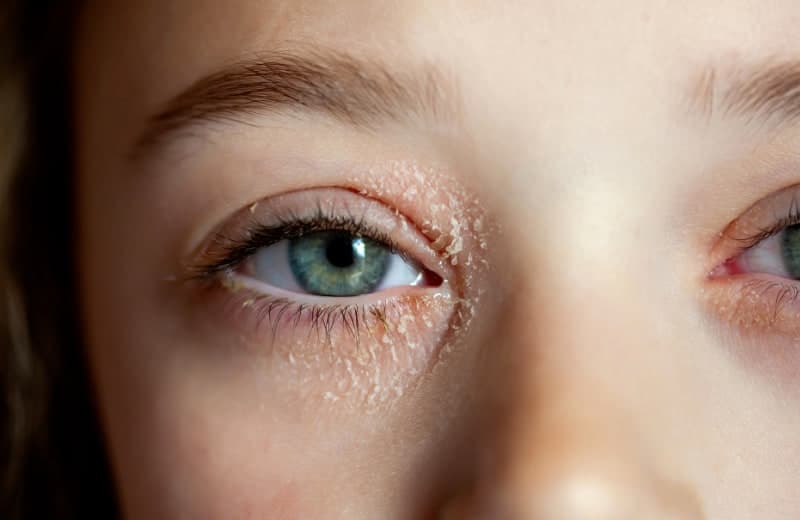
Eczema around the eyes, commonly referred to as eyelid dermatitis, is an inflammatory skin condition that affects the thin skin on the upper eyelids or lower eyelids. It can cause redness, itching, dryness, and even crusting. Because the area is so sensitive, flare-ups can be especially noticeable and uncomfortable. There are two common types:- Atopic eyelid eczema is often associated with a predisposition to dry skin, allergies, or asthma.
- Contact eyelid dermatitis - triggered by external factors like skincare, makeup, or shampoo ingredients.
Common Causes and Triggers
The eye area is exposed daily to a range of irritants and allergens. The following are common triggers you should know:- Allergens: Makeup (especially mascara and eyeliner), nail polish, hair dye, perfume, pollen, and dust mites can all cause allergic reactions that lead to eyelid eczema.
- Irritants: Harsh cleansers, soaps, face wipes, or rubbing your eyes too vigorously.
- Skincare products: Ingredients like preservatives, fragrances, or alcohol can disrupt the skin’s barrier.
- Underlying skin conditions: Those with a history of atopic dermatitis, seborrheic dermatitis, or rosacea are more prone to flare-ups.
- Environmental stressors, such as seasonal changes, air pollution, or prolonged screen time, can exacerbate dryness around the eyes.
Symptoms: How to Recognise It
You can usually identify eyelid eczema or eyelid dermatitis by its distinctive appearance and texture. Common symptoms include:- Redness or pink discolouration on eyelids.
- Itchiness that feels worse at night or after applying products.
- Dry, flaky, or scaly patches.
- Swelling or puffy eyelids.
- Burning or sensitivity when blinking or washing your face.
- Crusting or mild oozing in severe cases.
How to Treat Eczema Around the Eyes at Home
Treating eye-area eczema safely at home requires a gentle, consistent approach. Since the skin around the eyes can easily react to over-the-counter products, less is often more. Here’s how you can start addressing it naturally and gently:01. Simplify your skincare routine.
Use a mild, fragrance-free cleanser and a rich but gentle moisturiser designed for sensitive skin. Avoid over-cleansing; once a day is sufficient for most people who experience irritation.02. Stop using makeup or irritating products temporarily.
If your symptoms flare up, take a break from mascara, eyeliner, eyeshadow, and even moisturisers until your skin settles.03. Apply a cold compress.
A clean, damp, cold cotton pad can calm irritation, reduce redness, and soothe itching.04. Keep your hands away.
Avoid rubbing or scratching. It may provide momentary relief, but it worsens inflammation and breaks the skin barrier.05. Maintain moisture.
Gently pat on an emollient cream or ointment twice daily. Look for ingredients such as ceramides, glycerin, or hyaluronic acid.06. Manage environmental triggers.
Use an air humidifier if your environment is dry, and avoid excessive sun exposure. Many people searching for how to treat eczema around eyes or how to get rid of eczema around eyes find that consistent, barrier-friendly care brings visible improvement within weeks.Medical Treatments for Eyelid Eczema
When home remedies don’t fully resolve the issue, dermatologists may recommend medical treatment to control inflammation and prevent recurrence. Because the eyelid skin is delicate, the choice of medication must be precise.01. Low-potency corticosteroids
The short-term use of mild steroid creams, such as hydrocortisone, can help reduce inflammation quickly and effectively. They are used under strict medical supervision to prevent skin thinning.02. Calcineurin inhibitors
If you’re looking for a long-term treatment for eczema around the eyes, non-steroidal creams such as tacrolimus or pimecrolimus are often prescribed. These medications calm inflammation safely without the side effects of steroids.03. Oral antihistamines
These help reduce itching, making it easier to avoid rubbing or scratching.04. Patch testing
If your doctor suspects allergic contact dermatitis, patch tests help identify the exact allergen, allowing you to avoid it in the future.05. Antibiotic or antifungal creams
If an infection is present (characterised by crusting, yellow discharge, or increased pain), your dermatologist may prescribe topical or oral medications. If you’re dealing with persistent irritation and wonder how to get rid of eyelid dermatitis, a professional evaluation ensures safe and effective healing.Clinic-Based Treatments and Expert Care
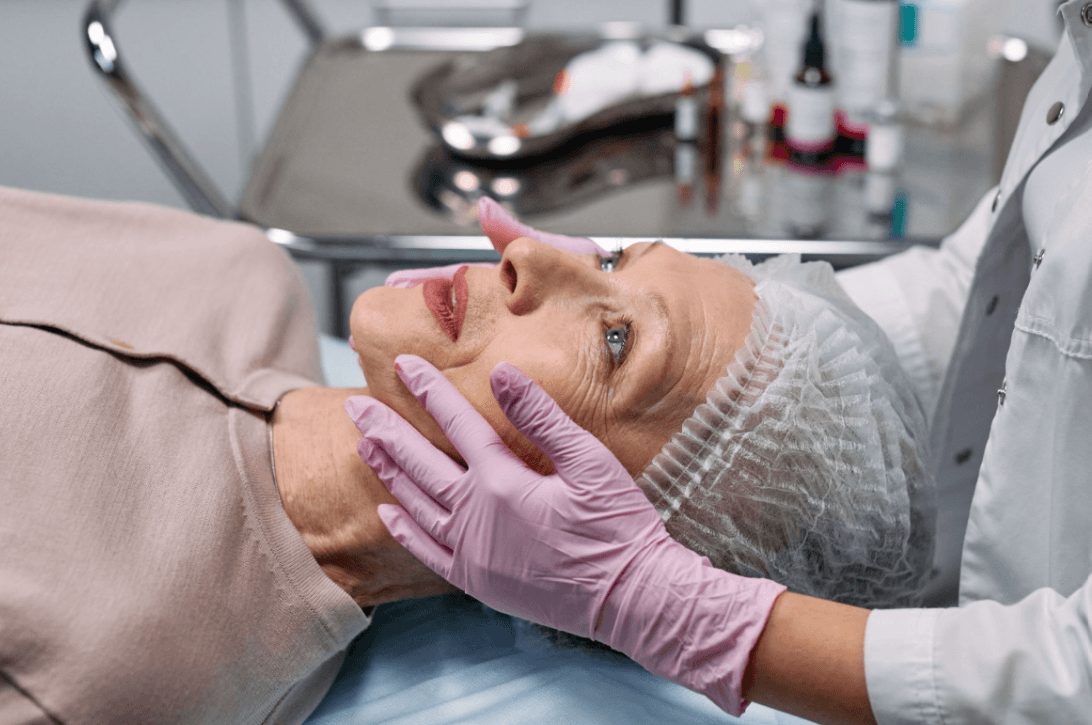
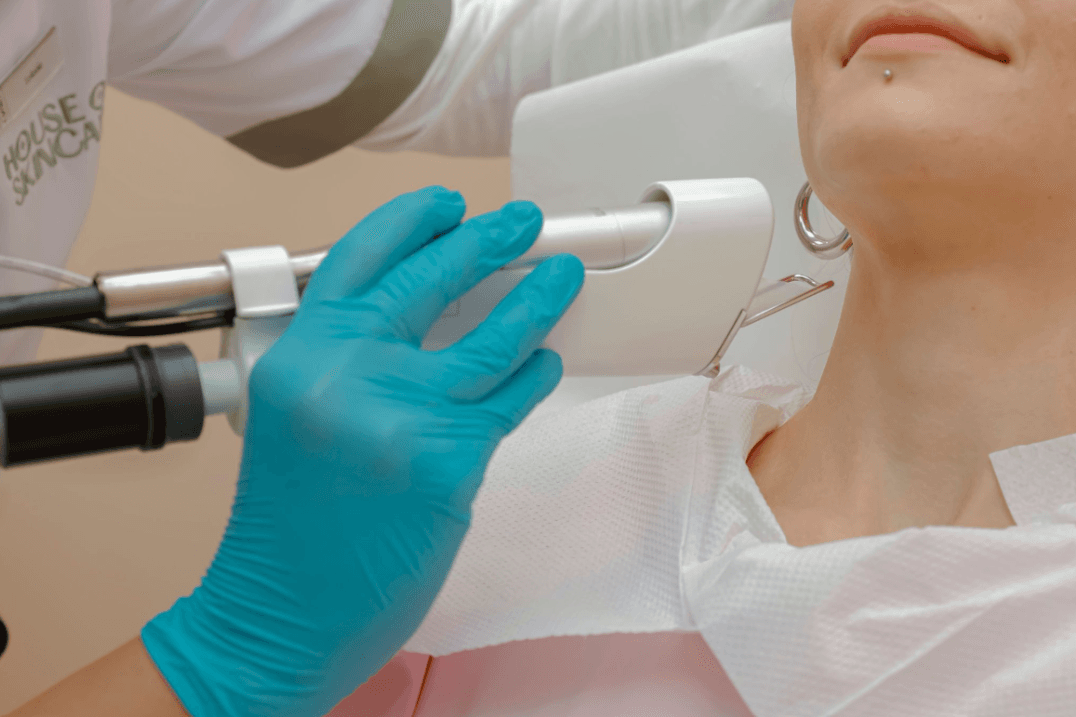
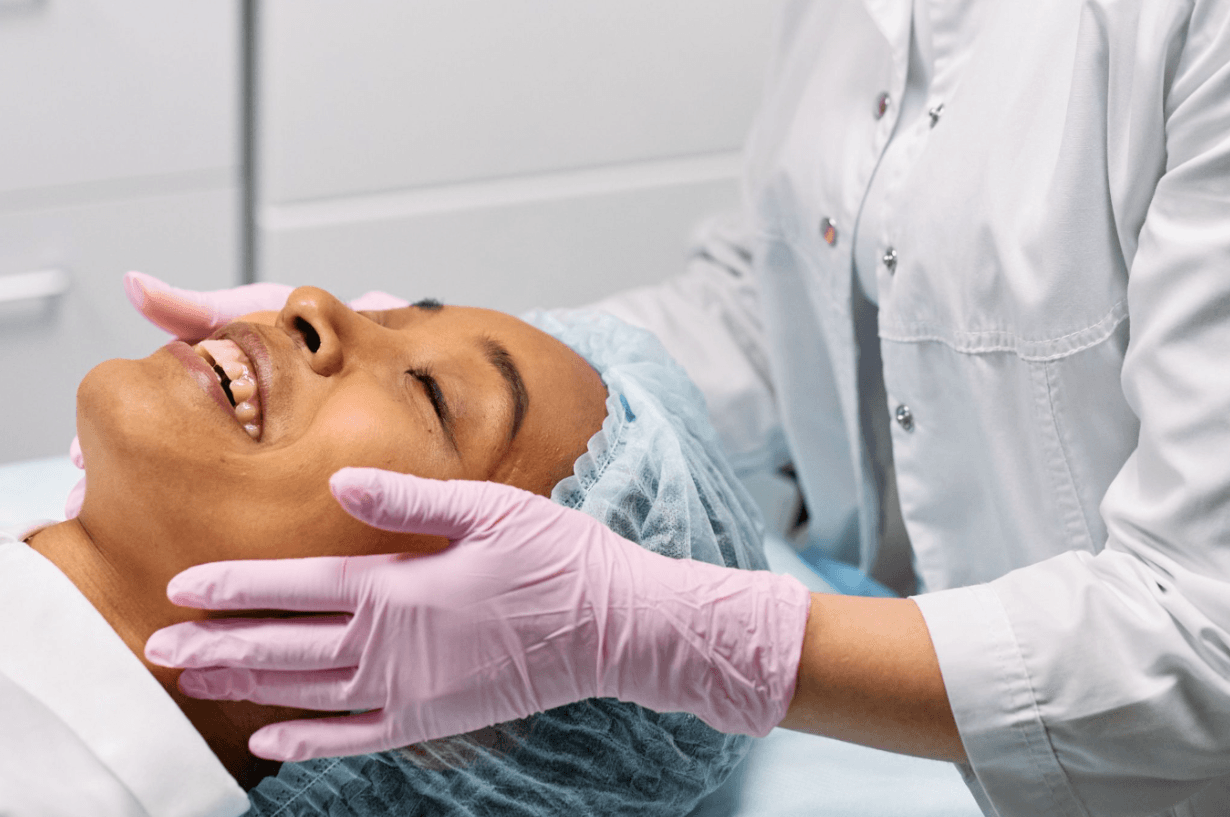
At a skin clinic, treatment begins with a thorough examination of your eyelids and an assessment of your lifestyle factors. Dermatologists identify whether the eczema is atopic, allergic, or irritant-based. Professional treatments may include:- Customised topical formulations suited to your allergy profile
- In-office patch testing to pinpoint triggers
- Prescription-grade creams for rapid barrier repair
- Guidance on rebuilding eyelid skin health through safe products
Prevention and Long-Term Care Tips
Once flare-ups have subsided, focus on maintaining barrier strength and avoiding future irritation. These practical steps support long-term control:- Select hypoallergenic, fragrance-free formulas for your makeup, sunscreen, and skincare products.
- Opt for mineral-based eye makeup that’s less likely to trigger allergies.
- Moisturise daily with barrier-repair creams containing ceramides or colloidal oatmeal.
- Stay hydrated and include omega-rich foods (like flaxseed, salmon) in your diet.
- Manage stress, as stress hormones can worsen eczema symptoms.
- Avoid excessive or prolonged use of topical steroids. Rotate with gentle non-steroidal options under medical advice.
Lifestyle Adjustments That Help
Your daily habits play a significant role in determining how often eczema returns. Try these simple lifestyle tweaks:- Drink plenty of water to maintain skin hydration.
- Get 7-8 hours of sleep every night. Inflammation worsens without proper rest.
- Wash pillowcases, towels, and makeup brushes regularly.
- Limit exposure to dust, pet dander, or cigarette smoke.
- Avoid touching your eyes after applying hair or nail products.
When to Seek Professional Help
It’s important to see a dermatologist or medical aesthetic practitioner if:- Symptoms persist beyond two weeks
- Redness spreads or swelling increases
- Vision blurs, or the eyes become painful
- Signs of infection appear (yellow crusting, oozing, or warmth)
Conclusion
Eczema around the eyes can be frustrating, but it’s manageable with the right care, medical support, and gentle habits. Understanding your triggers, maintaining a simple skincare routine, and seeking timely clinical help can make a tremendous difference. If you’ve been searching tirelessly for how to get rid of eczema around the eyes, remember: treating it safely requires patience and professional guidance, but clear, comfortable skin is absolutely achievable.Good to know
Frequently asked questions
Still unsure? Our team is glad to talk you through anything before you book.
- Short-term relief usually comes from applying cold compresses, using gentle moisturisers, and avoiding irritants. For lasting results, consult a dermatologist for safe medicated creams.
- Only under the supervision of a doctor. In the long term, unsupervised use can cause thinning of eyelid skin and lead to complications.
- Yes, stress can weaken the skin barrier and intensify inflammation, leading to flare-ups.
- Mild cases typically improve within one to two weeks with proper care. Chronic or allergic cases can take longer and may need professional treatment.
- A non-fragrant, dermatologically tested cream with ceramides or hyaluronic acid is ideal. Prescription options, such as pimecrolimus or tacrolimus, may be necessary for stubborn flare-ups.