If you’ve ever felt your eyes suddenly appear puffy, dry, or seem “different” while managing your thyroid health, you’re not alone. Thyroid Eye Disease (TED) doesn’t just change how your eyes look; it can also affect how you see, how comfortable you feel, and your overall daily experience.
Many people wonder whether these changes are just a passing irritation or signal something more serious. In this guide, you’ll find answers to all the essential questions about TED, including detailed explanations about Graves' disease eyes, hypothyroidism puffy eyes, TED symptoms, and all major treatments available today.
Whether you’re newly diagnosed or just trying to learn the basics, this blog is written in a tone that recognises your concerns and respects your journey. Let’s break down the science and care options together, with every detail explained for peace of mind.
What Is Thyroid Eye Disease?
Thyroid Eye Disease (TED) is an autoimmune condition, meaning your immune system attacks healthy tissues in your own body. In TED, the attack focuses on the muscles, fat, and skin around your eyes.- TED is closely associated with Graves’ disease, which causes an overactive thyroid (hyperthyroidism), but it’s also seen in people with underactive (hypothyroid) or even normally functioning thyroid glands.
- The disease happens because antibodies produced by your immune system mistakenly target cells in the eye
- Graves' orbitopathy
- Thyroid-associated ophthalmopathy
- Graves’ eye disease
How Does TED Start? Why Do Thyroid Problems Affect the Eyes?
For most, TED develops alongside or after a thyroid condition diagnosis. For others, eye symptoms may appear months or even years before thyroid issues become apparent. The link between your thyroid gland and your eyes lies in how immune cells respond to certain proteins found in both.- These proteins (especially TSH receptors) are found in thyroid tissue and the tissues behind your eyes.
- When immune cells target these proteins, swelling, inflammation, and other symptoms result, especially in the orbit (eye socket).
Who Gets Thyroid Eye Disease?
Anyone with a thyroid condition could develop symptoms, but the risk is highest in people with Graves’ disease. TED is also seen in people with Hashimoto’s thyroiditis and sometimes in those without any documented thyroid dysfunction. Factors that raise risk:- Women are more likely to get TED than men
- Smoking increases TED’s likelihood and makes symptoms much more severe
- Family history matters; genetics can play a role
Recognising Thyroid Eye Disease
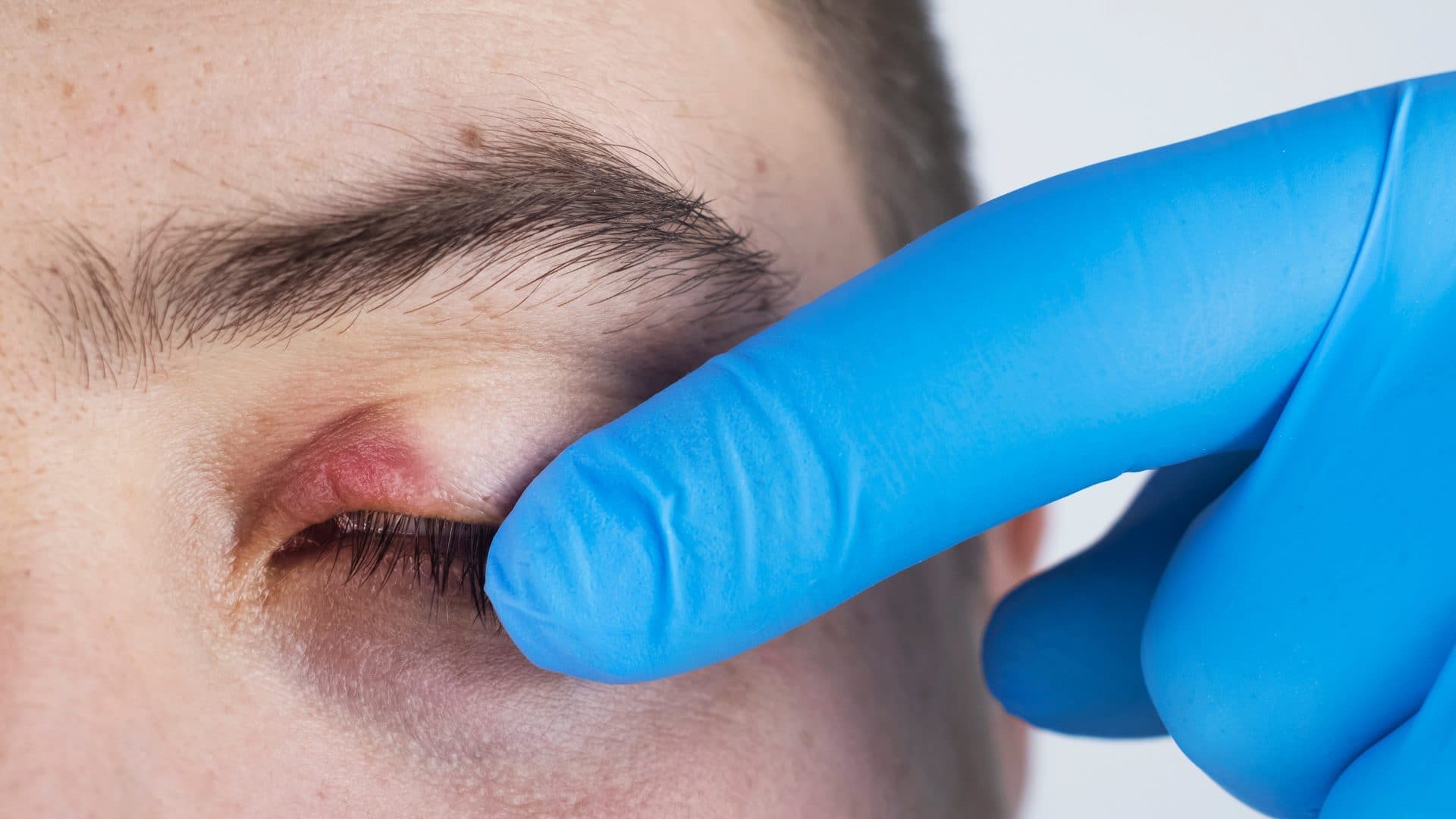
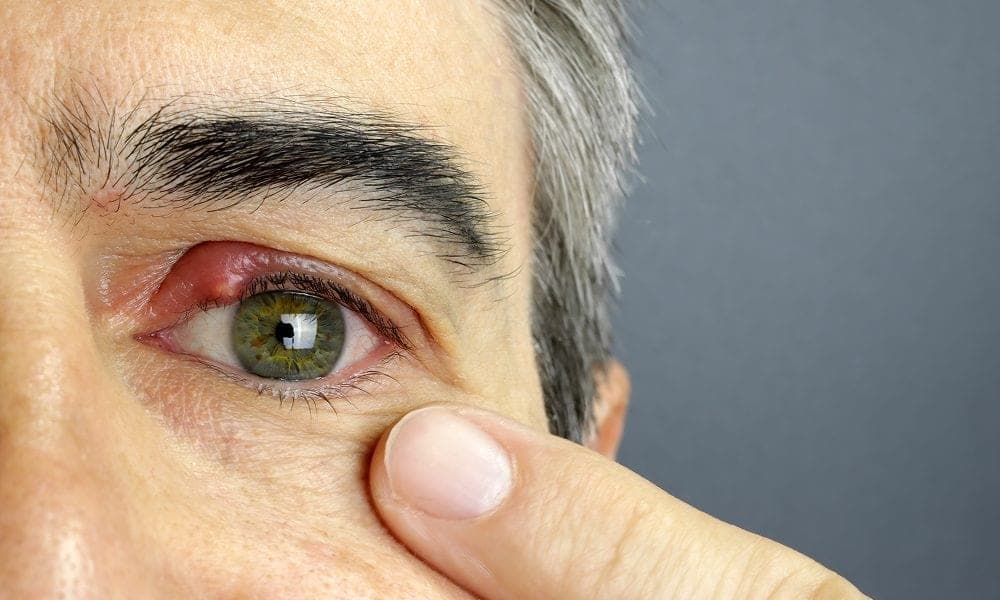
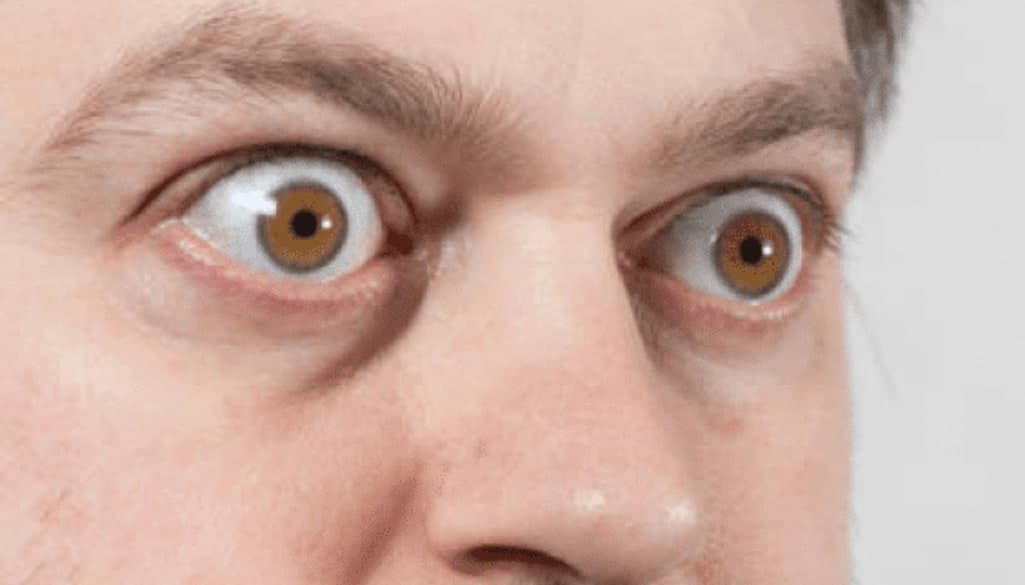
TED can look very different from one person to the next. Some experience mild discomfort, while others experience noticeable changes in appearance or even vision-threatening symptoms. Here’s what most people with TED report:- Eyelid retraction: Your upper eyelids appear higher than normal, showing more of the white part of the eye (Dalrymple sign), seen in up to 90% of cases
- Bulging or protruding eyes: Called “proptosis” or exophthalmos, this is among the most dramatic signs
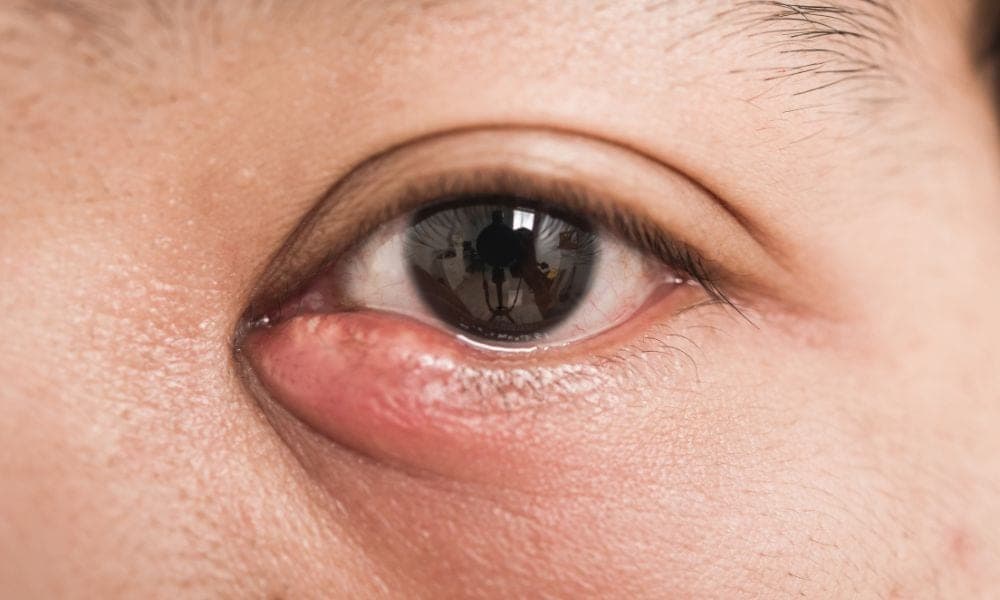
- Puffy eyelids and swelling: Sometimes described as “hypothyroidism puffy eyes” (even in hyperthyroidism)
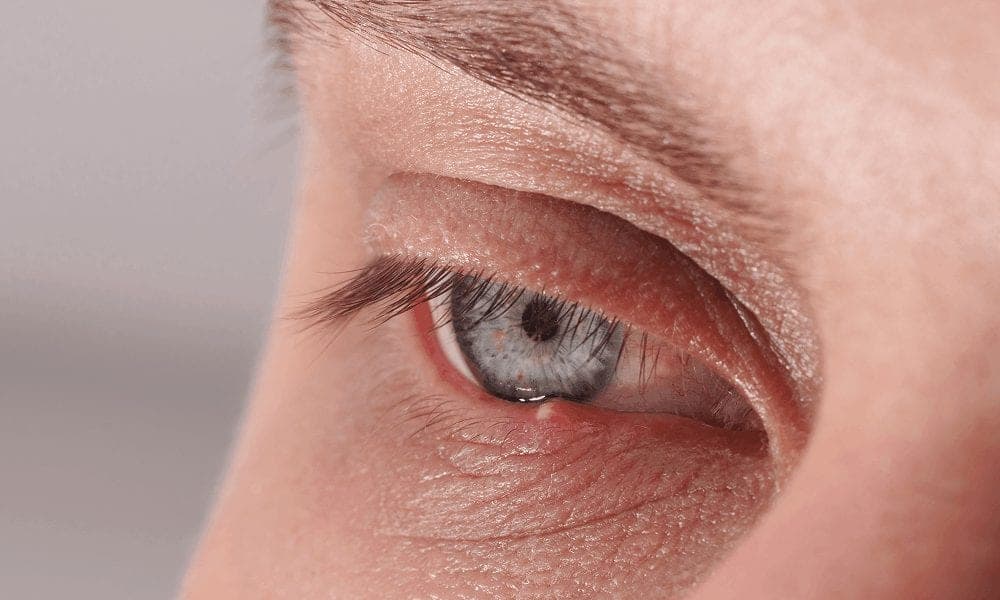
- Redness and irritation: From inflammation in tissues, causing itching, burning, or dryness
- Difficulty moving eyes and double vision: Triggered when eye muscles swell and don’t work smoothly, double vision (diplopia) can range from intermittent to constant
- Watery eyes or dry eyes: Abnormal tear production is very common
- Pain or pressure: A feeling of fullness behind the eyes, sometimes more noticeable in the morning
- Light sensitivity: Bright lights may suddenly feel uncomfortable
- Vision changes: Blurring, dark spots, or rarely vision loss due to pressure on the optic nerve
| Symptom | How Often Seen |
| Eyelid retraction | Extremely frequent |
| Bulging eyes | Very common |
| Swelling/puffiness | Common |
| Double vision | Often reported |
| Redness/irritation | Frequent |
| Dryness/watering | Common |
| Pain/pressure | Some cases |
| Vision changes | Occasionally |
What Are the First Signs of Thyroid Eye Disease?
Early warning signs can be subtle, and many people dismiss them as allergies, dry air, or just fatigue. Recognising these early can truly make a difference. Look for:- Eyelids that seem unusually ‘open’ or pulled back
- Mild facial puffiness or swelling around the eye socket
- Eye discomfort after waking, especially if you sleep with your head flat
- Trouble moving your eyes smoothly in all directions
- Occasional blurring or ghosting in your vision
- Unexplained changes in how your eyes feel from day to day
Phases of TED: From Inflammation to Stability
TED typically follows three phases:- Active/Inflammatory Phase: This is when most swelling, redness, and changes occur. It can last anywhere from 6 to 18 months.
- Static Phase: Inflammation fades, but damage (scar tissue, misaligned muscles) may remain.
- Quiescent Phase: Gradual recovery; sometimes motility and eyelid position improve, but not always.
Do Hypothyroidism Eyes Look Different?
Yes, the fluid retention typical of hypothyroidism can add to facial and eyelid puffiness, even if TED isn’t present. TED itself is possible in people with hypothyroidism, and symptoms like eyelid swelling (“hypothyroidism puffy eyes”) are frequently described as an early sign.Diagnosis: What to Expect at Your Appointment
Suspecting TED means your specialist will consider your overall health, not just your eyes. Diagnosis is built from:- Detailed medical history (including thyroid problems)
- Thorough eye examination (eye movement, vision clarity, eyelid position, appearance)
- Imaging (CT, MRI, sometimes ultrasound for swelling and changes in orbital tissues)
Supportive and Lifestyle Measures
Most people living with TED start with supportive therapy. This isn’t just “basic care”, it’s the foundation for comfort at home and often essential for protecting the eyes as bigger decisions unfold. Steps may include:- Using lubricating eye drops and ointments regularly to soothe eye dryness and irritation
- Wearing sunglasses outdoors (wind and UV can worsen irritation)
- Avoiding smoke, dust, or bright lights whenever possible
- Sleeping with your head elevated to reduce overnight swelling and morning puffiness
- Selenium supplements may be recommended in mild TED to decrease eye inflammation, especially in regions with low dietary selenium.
- Quitting smoking is essential: smoking worsens TED and increases the risk of poor outcomes across all treatments.
Medications and Immunotherapy
For moderate to severe and active TED, medical treatment is needed to actually calm the immune system, subdue inflammation, and prevent damage:- Steroids (“Corticosteroids”): These can be given orally or by IV. Intravenous steroids are often more effective for rapid symptom improvement and have a shorter treatment course compared to oral types. They help reduce swelling, redness, and pressure behind the eyes but require careful monitoring due to possible side effects.
- Teprotumumab: This newer targeted medication is given by IV infusion. It blocks a specific protein involved in TED inflammation and has shown impressive results in reducing bulging, double vision, and swelling when other treatments fail. It’s now FDA-approved for TED and may become a first-line choice for many.
- Other Immunosuppressive Drugs: Options like mycophenolate mofetil, azathioprine, methotrexate, and biologics such as rituximab may be considered, especially when steroids aren't enough or can’t be used.
- Radiation (Orbital Radiotherapy): A focused, low-dose beam targets the tissues behind your eyes. It's usually used in combination with steroids or for people not responding to medication alone. Radiation helps with pain, swelling, and double vision and can prevent new tissue scarring.
Surgical Treatments
Surgery is reserved for certain situations, primarily to restore vision, enhance eye appearance, or repair persistent issues:- Orbital Decompression Surgery: Surgeons remove bone and/or orbital fat to create more space for the swollen tissues, relieving pressure and often improving vision. This is particularly important if sight is at risk from optic nerve compression.
- Strabismus (Eye Muscle) Surgery: Swelling and scarring can affect muscle function, leading to double vision. Surgery realigns the muscles to help both eyes work together.
- Eyelid Surgery: TED often pulls the lids back, exposing the eye’s surface. Surgery can reposition eyelids, reduce exposure, and protect vision and comfort.
Living Well With TED: Tips for Everyday Life
Managing TED is about more than just medicine; it's about staying comfortable and confident day to day. Try these practical strategies:- Use cool compresses for comfort if your eyes feel hot or swollen
- Avoid contact lenses during flare-ups
- Give yourself extra time for morning routines; swelling is often worse than
- Ask for support: TED is emotionally challenging too; don’t hesitate to seek counselling or talk with others who’ve been there.
Conclusion
Thyroid eye disease is an autoimmune disorder that often occurs with Graves’ disease, causing swelling, bulging eyes, lid retraction, redness, and sometimes double vision. Most cases are mild, but some lead to vision changes or discomfort. Supportive care, medications, and surgical treatments help manage symptoms and protect vision. Early diagnosis and ongoing clinic support make a big difference in both health and comfort.Good to know
Frequently asked questions
Still unsure? Our team is glad to talk you through anything before you book.
- No, but with advanced treatments, most people experience lasting improvement - and relapses are typically mild.
- It can, especially if left untreated. Some changes, such as mild bulging or eyelid position, may persist even after inflammation resolves.
- It often impacts both, but sometimes symptoms appear on just one side first.
- Vision loss is rare but can occur in severe, untreated cases. Fast care is essential if you notice dark areas, rapid blurring, or changes in colour vision.