If you are wondering why I have a lump on my eyelid, you are not alone. Many people notice a small swelling near their lashes or under the skin and feel unsure about what it means. In most cases, an eyelid lump is linked to blocked glands, irritation, or a mild infection rather than something serious. Still, the eye area is delicate, so even a small bump can feel uncomfortable or affect confidence.
Knowing the reason behind a bump on my eyelid helps me to know if simple at-home care will work, or maybe professional intervention is best. This primer clarifies the most common causes, when to seek help from a professional, and which symptoms you can monitor to evaluate your condition.
What Is a Lump on My Eyelid?
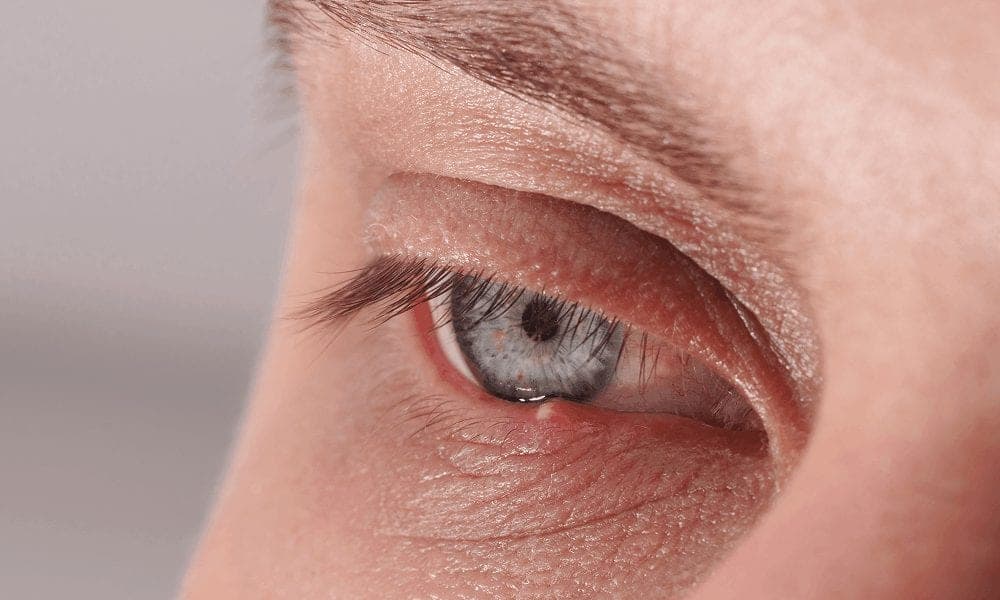
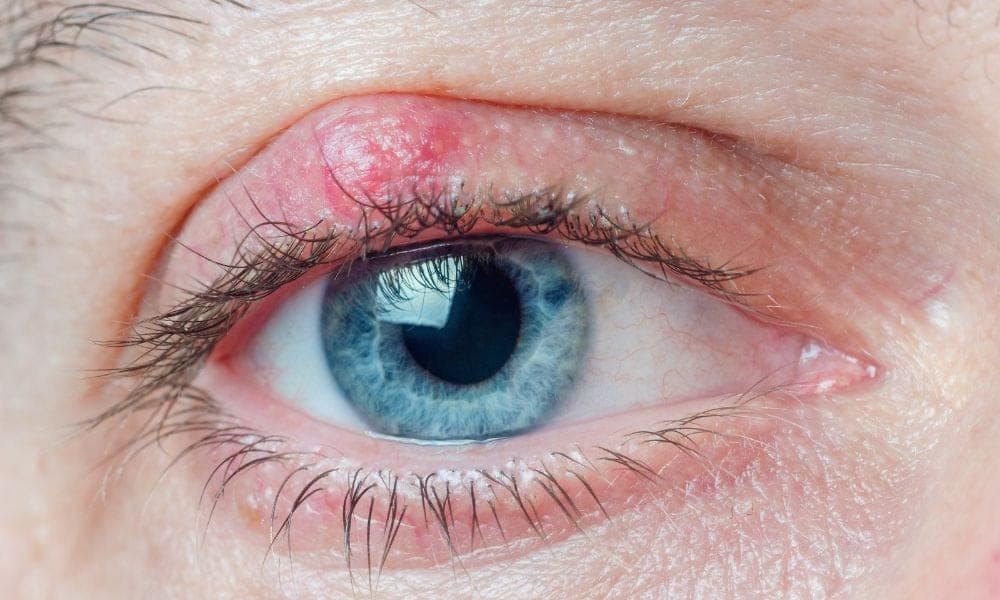
When oil glands clog or become inflamed, a bump can form on your eyelid. There are a few oil-producing glands in the eyelids that help keep the eyes moist and protected. When these glands do not work the way they’re supposed to, a hard lump or swelling can develop.
In most instances, the lump grows on its own and doesn’t hurt. Some people develop redness or tenderness at the outset, but others feel only a small raised area that develops gradually. Understanding what a lump on my eyelid can reduce unnecessary anxiety because the majority of causes are treatable when managed properly.
Why Do I Have a Lump on My Eyelid?
Some people wonder: why do I have a lump on my eyelid, when it has swollen up out of the blue? There are a few causes of this, and they each manifest in slightly different ways.
1. Blocked Oil Glands (Chalazion)
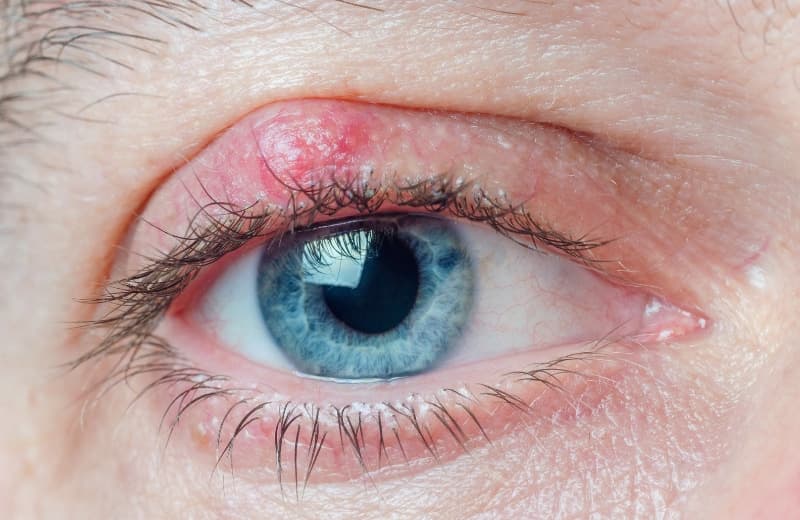
The upper and lower eyelids have a few oil glands that can become blocked if the oil thickens or does not drain properly. When this occurs, you will notice a round, hard lump just under the skin, with little pain.
This type of lump is often slow-growing and may feel heavier than painful. Over time, it may become more prominent, especially if the inflammation persists or the blockage isn't treated.
2. Infection Near the Eyelashes (Stye)
A stye develops when bacteria infect the glands near the lash line. It is tender, red, or swollen in the early stages, unlike a chalazion.
Blinking may be irritating, and the affected eye may water. Though painful, most styes get better on their own with gentle treatment, usually by applying hot packs and cleaning the affected eyelid.
3. Skin Irritation or Chronic Eyelid Conditions
Inflammation of the eyelids, such as blepharitis, over time may affect the oil glands, and a lump may develop. Some skin conditions may alter the texture of the eyelid margins and lead to obstruction.
People with chronically dry eyes or sensitivity may experience repeated episodes of swelling. Usually, if the underlying condition is treated effectively, your risk of developing new lumps will be lower.
4. Makeup and Lifestyle Factors
Other factors that influence the condition include the application of outdated cosmetics, constant eye rubbing, and incomplete removal of makeup. Tiny particles or dirt in the vicinity of the eyelids, or bacteria residing on them, can disrupt them over time.
Adopting gentle cleansing habits and keeping the eye area clean can help prevent recurring issues. Small habits matter more than people may think.
Why Do I Have a Small Lump on My Eyelid?
A common concern is, why do I have a small lump on my eyelid that does not hurt or change quickly? Small bumps are often early-stage chalazia or tiny cysts known as milia.
These lumps usually feel firm and remain stable for weeks. Even though they may seem minor, monitoring their size and appearance is important because persistent swelling sometimes requires professional evaluation.
Chalazion vs Stye: Understanding the Difference
Although they may look similar, chalazia and styes develop for different reasons and may require different care.
Chalazion
Chalazion originates from the centre of the eyelid and is often painless after the acute swelling. The mass is hard and, over time, may cause the eyelid to deform.
And because the blockage is under the skin, it may take time for a warm compress to loosen it. The bag hasn’t gone away, so I think some specialised care could help alleviate it and make her more comfortable.
Stye
The stye is right on the edge of lashes and may or may not involve redness or tenderness. The bump can resemble a tiny pimple and may produce liquid as it heals.
While styes are common, recurrent infections can be a sign of underlying eyelid inflammation that requires an expert eye.
For a deeper understanding of safe clinical options, explore Chalazion Treatment (Eyelid Cyst Removal) and how targeted care can support long-term relief.
Other Causes of a Lump on My Eyelid
Not every bump on the eyelid is a chalazion or a stye. Natural skin changes or certain health conditions can cause others.
1. Milia
Milia are small white cysts caused by keratin trapped under the skin. They are generally painless, though they may be felt when the eyelid is touched.
These may persist for months as tiny "bumps," and the best treatment is to have them gently lifted out in a doctor's office (not squeezed or picked).
Xanthelasma
Yellowish, soft patches near the eyelids may also be associated with cholesterol deposits. Though they’re benign, they might be a sign that it’s time to take stock of your health with an expert.
Patients seek treatment for cosmetic reasons, as the patches usually become more noticeable over time.
Benign Growths
Not all lumps that appear on the eyelid are harmful growths. Some forms are slow and cause no pain. Observing size or colour changes can help determine whether a biopsy is warranted.
It is less common, but anything that is growing rapidly or looks unusual needs to be checked to rule out more serious causes.
Symptoms That Help Identify the Cause
Other symptoms can help point doctors toward why a lump has formed. Watching for changes can help determine whether basic treatment will suffice or if it's time to seek professional advice.
- Red or warm: This may be a sign of inflammation or infection, especially when the stye is in an early stage. The area may be tender and more sensitive to touch.
- Firm swelling with no pain: After its early phase, a chalazion typically presents as a small, round lump that feels firm to the touch under your skin.
- Watering or blurred vision: Larger lumps can gently press against the eye surface, causing irritation or temporary visual changes that usually improve as the swelling reduces.
Can an Eyelid Lump Go Away on Its Own?
A lot of people hope a lump like that will just go away, sometimes even if the body absorbs it. Benign tight blockages may improve as the gland clears and inflammation settles.
The warm compresses and washing also help promote healing by bringing the oils trapped in the glands to the surface. But particularly if lumps have been present for months or keep recurring, professional help could be in order.
If swelling continues to affect comfort or appearance, exploring options like Eyelid Surgery London may help address deeper structural concerns in selected cases.
Home Care Tips That May Help
Gently caring for the eyelids can help them heal and protect against future irritation.
- Warm compresses: These can help relax the thick oils that block the glands. Persistence is key because progress may take days, not a day at a time.
- Don’t squeeze: Scratching or picking at the bump can irritate it further and increase your chances of infection. Letting the area heal on its own spares such thin and sensitive skin.
- Lid hygiene: Cleaning the eyelid margins removes debris that contributes to blockages. Using mild, eye-safe products reduces irritation while maintaining comfort.
When Should You See a Specialist?
While many eyelid lumps are not serious, here are some key indicators to consider when seeking professional advice.
- Sudden onset of pain: If your lump rapidly grows or becomes extremely painful, it may be due to an infection or another underlying issue that should be evaluated.
- Persistent swelling: A swollen area that persists for a few weeks may require direct care to prevent irritation over time.
- Vision or eyelid shape changes: If you notice a swelling on the eye, even if it pulsates, you should have an evaluation because a large lump can press against the surface of the eye and, in extreme cases, affect vision and cause discomfort.
Conclusion
Not all eyelid bumps are cause for concern, but if you know what a lump on your eyelid is, you can react calmly and confidently next time. From clogged glands to minor infections, most clear up with gentle treatment or, if necessary, more aggressive intervention.
By paying attention to symptoms and seeking consultation if a lump or swelling persists, eyes remain comfortable, healthy, and refreshed.
Frequently asked questions
Still unsure? Our team is glad to talk you through anything before you book.
- Eyelid lumps are mostly caused by blocked oil glands, mild infections, or skin problems such as eczema. Most are benign, but they should be followed if they don’t go away.
- A painless lump is often a chalazion, which develops when an oil gland becomes blocked rather than infected.
- Littler stable bumps can be milia or antecedent chalazia. Tracking shifts can identify the need for treatment.
- Stress doesn’t cause lumps directly, but it may alter the immune response and increase inflammation, which could make blockages more likely.
- We wouldn’t recommend popping, as it would only aggravate the swelling and possibly lead to infection.