Imagine spending a long afternoon outdoors, only to wake up the next morning with sore, watery, and sensitive eyes. You might shrug it off as a bad night’s sleep or pollen but these symptoms can signal something many don’t expect: a sunburn on your eyes.
While most people think of sunburn as a skin problem, “sunburned eyes” is a real risk, especially when UV rays are strongest. Whether you call it sunburned eyes, photokeratitis, or simply sunburn to the eyes, understanding this condition is key to healing quickly and protecting your vision. At the same time, learning How to Remove Sun Damage on Face? can help address the wider effects of UV exposure and support long-term skin health.
What Are Sunburned Eyes?
When UV rays hit your eyes directly, they can damage the thin, clear surface called the cornea. This injury known as photokeratitis acts a lot like a sunburn on your skin, but instead of peeling or redness, you get pain, swelling, and extreme light sensitivity. People often ask, “Can you sunburn your eyes?” The answer is a resounding yes.Why Eyes Burn in the Sun
Just like your skin, your eyes have layers that react to too much UV light. The cornea, lens, and even the sensitive skin under your eyes can get burned or irritated after exposure. Common causes of sunburned eyes include:- Spending hours outdoors without sunglasses
- Visiting snowy or sandy places (where UV rays reflect)
- Using tanning beds
- Hiking or traveling at high altitudes
- Water sports or beach trips
Recognising Sunburned Eyes: Warning Signs
Symptoms of sunburned eyes (photokeratitis) range from mild discomfort to intense pain. They often show up a few hours after sun exposure and can include:- Redness and irritation
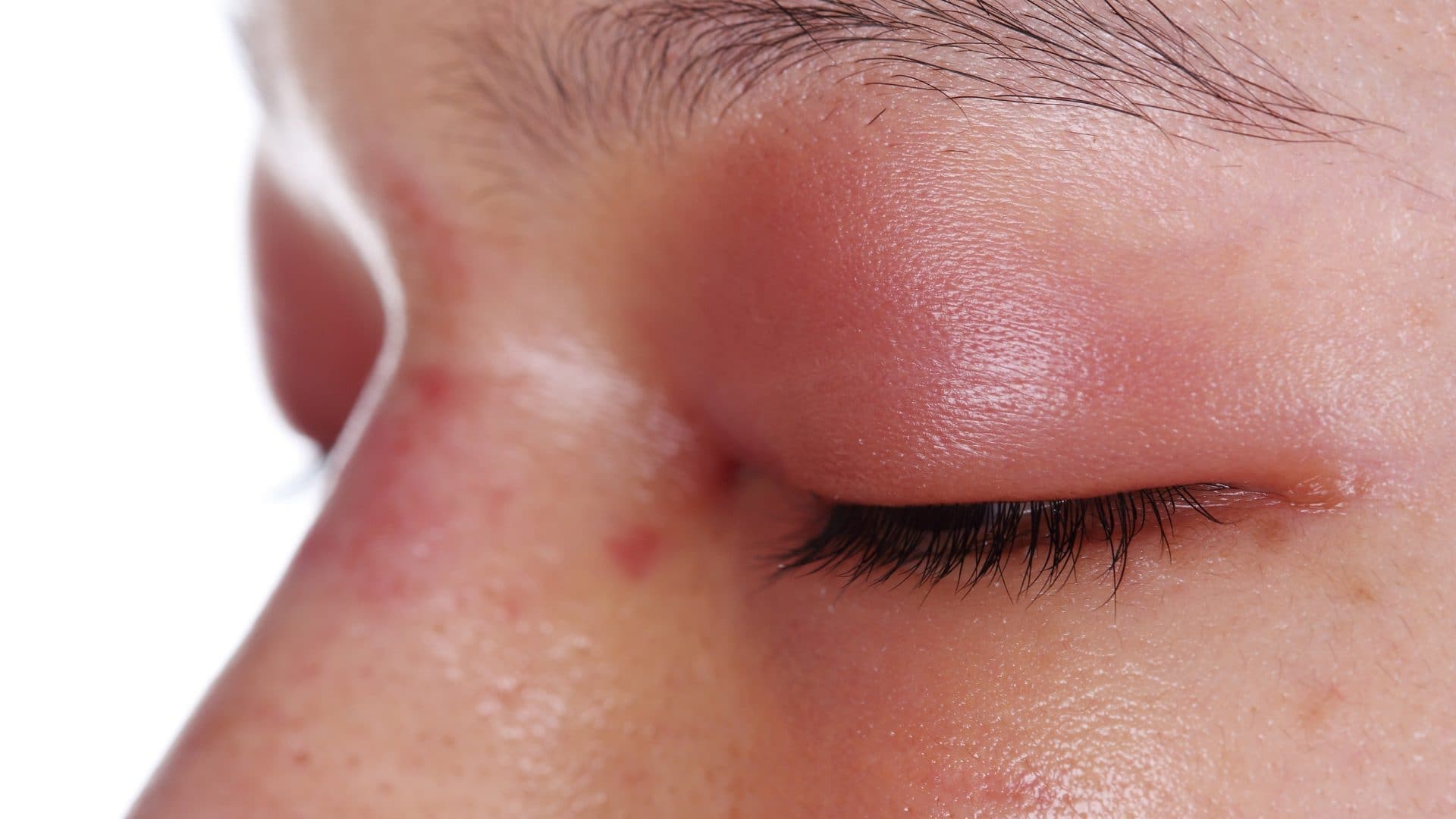
- Swollen sunburned eyes
- Eye pain or a gritty feeling, as if sand is stuck
- Watery eyes or excessive tearing
- Blurry vision
- Sensitivity to light (photophobia)
- Feeling your eyes are burning or “scratchy”
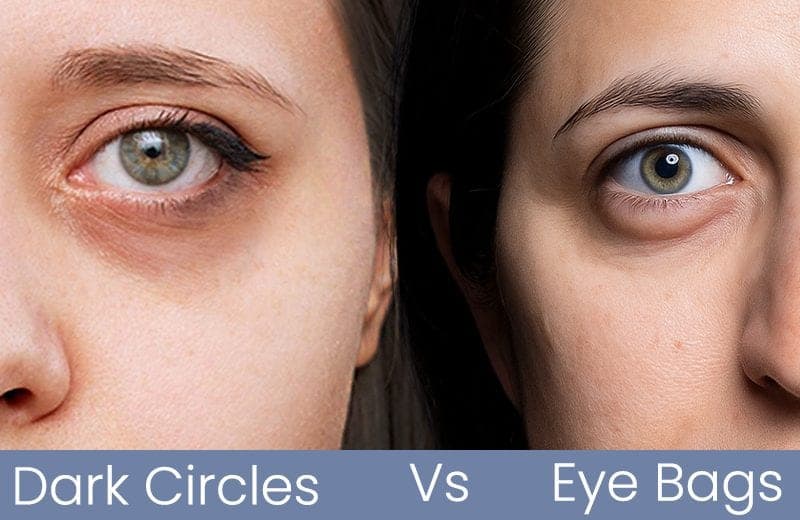
- Swelling under the eyes
When to Seek Help
If you notice severe pain, persistent blurred vision, or swelling that doesn’t settle, seeking professional help is essential. Permanent eye damage is rare, but untreated sunburn to the eyes can increase the risk of infections or chronic dryness.Treatments for Sunburned Eyes: Expanded Steps
Prompt and gentle care leads to fast recovery. Here’s how top clinics and eye doctors recommend treating sunburned eyes the most effective, expanded steps:1. Move Indoors and Shield Your Eyes
Get out of direct sunlight immediately. Find a dark, cool space to rest your eyes and reduce further irritation.- Dim the lights and avoid bright screens.
- Wear sunglasses indoors if sensitivity is extreme.
- This helps calm nerves and minimize discomfort.
2. Remove Contact Lenses and Avoid Makeup
If you’re wearing contacts, take them out as soon as possible. Contacts can trap heat and irritants, worsening symptoms. Avoid makeup and eye creams until healing is complete.3. Cool Compresses: Soothe and Deflate
Apply a clean, cold, damp washcloth or an ice pack wrapped in cloth over closed eyes. This reduces swelling and relieves the burning sensation of sunburned eyes and swelling under eyes.- Use for 10-15 minutes, repeating if needed.
- Never place ice directly on skin.
- This is especially effective for swollen sunburned eyes.
4. Artificial Tears and Lubricating Drops
Over-the-counter artificial tears relieve dryness, flush out debris, and speed up healing. Use preservative-free drops for extra comfort.- Follow package directions.
- Don’t use “redness relief” drops they may worsen irritation.
5. Pain Relief Medication
If pain persists, take an over-the-counter pain reliever such as acetaminophen or ibuprofen. This eases headaches and the aching sensation of photokeratitis.6. Rest and Limit Eye Strain
Healing starts with rest limit screen time, reading, or intense focus. Sleep well and consider using a humidifier in rooms to prevent dryness.7. Avoid Rubbing or Touching Eyes
Although it’s tempting, rubbing the eyes only heightens inflammation and slows healing. Blinking gently, using drops, and conscious avoidance all help.8. Nutrient-Rich Diet and Hydration
Eat foods high in vitamin A, C, and E (think carrots, green leafy vegetables, citrus fruits) to speed eye recovery. Drink plenty of water for both the body and the delicate eye tissues.9. Topical Ointments (Physician Advice Only)
Mild steroid creams or ointments can ease discomfort but only use these if prescribed by a professional. Never self-medicate with steroid drops, as improper use can damage eyes.10. Avoid Sun and Bright Light During Healing
Your eyes remain sensitive for days after a sunburn avoid further UV exposure, wear wraparound sunglasses, and shield eyes when outdoors.Clinic-Based Treatments for Severe Sunburned Eyes
For advanced or lingering cases, clinics offer specialized care:- Prescription Eye Drops: Anti-inflammatory or antibiotic drops if signs of infection appear.
- Intense Hydration Therapy: Some clinics provide advanced tear supplements or hydration masks for eyes.
- Professional Monitoring: Eye doctors monitor for recurrent infections, corneal damage, or vision changes.
Sunburn Under Eyes: Treatment Explained
The thin skin under your eyes is particularly sensitive to sun and may burn, peel, or swell. For sunburn under eyes treatment:- Use a gentle hypoallergenic moisturizer or aloe vera gel to calm skin (never apply these directly inside eyes).
- Avoid harsh cosmetics or scrubs.
- Cool compresses relieve puffiness and redness.
- Sunscreen formulated for facial use should be applied daily to prevent future damage.
How to Prevent Sunburned Eyes
Prevention is just as important as treatment. Clinics and optometrists recommend:- Wear sunglasses with 100% UV protection wraparound styles are best.
- Skip contacts outdoors unless they’re UV-blocking.
- Use wide-brimmed hats for extra shade.
- Limit time in peak sunlight (10am-4pm).
- Avoid tanning beds and use caution near snow/water where UV reflection is high.
- Apply facial sunscreen daily, focusing on under-eye skin.
Conclusion
Sunburned eyes, or photokeratitis, need prompt attention to prevent lasting discomfort and protect your vision. The best approach combines gentle at-home care like using cool compresses, artificial tears, and staying out of bright light with expert medical guidance for persistent or severe symptoms. Removing contact lenses, avoiding makeup, and not rubbing your eyes all play important roles in the healing process, while over-the-counter pain relief can soothe temporary pain. If symptoms last longer than two days, get worse, or affect your vision, visiting a clinic is crucial for advanced care such as prescription eye drops or infection prevention strategies. Remember, preventing sunburned eyes is just as crucial as treating them consistent use of UV-protective eyewear and avoidance of direct sunlight remains your best defense. Trust your eyes to the experts for quick relief and lasting protection, so every sunny day remains bright and safe for your vision.Good to know
Frequently asked questions
Still unsure? Our team is glad to talk you through anything before you book.
- Absolutely. Eyes are as vulnerable as skin photokeratitis is the scientific term for sunburned eyes caused by excessive UV exposure.
- Most mild cases resolve in 24-72 hours with care, but severe burns or repeated exposure can cause ongoing problems.
- Immediate removal from sun; Cold compress application; Use of lubricating eye drops; Pain relief with medication (if needed); Monitoring for complications
- Some swelling is expected; severe swelling or pain that lasts more than a few days should be seen by a doctor.
- Moisturize, cool compresses, and sunscreen application once healed are key. Avoid direct creams in eyes and choose hypoallergenic products.
- Repeated or severe sunburns increase the risk of chronic dry eyes, cataracts, or even macular degeneration. Proper protection pays off.