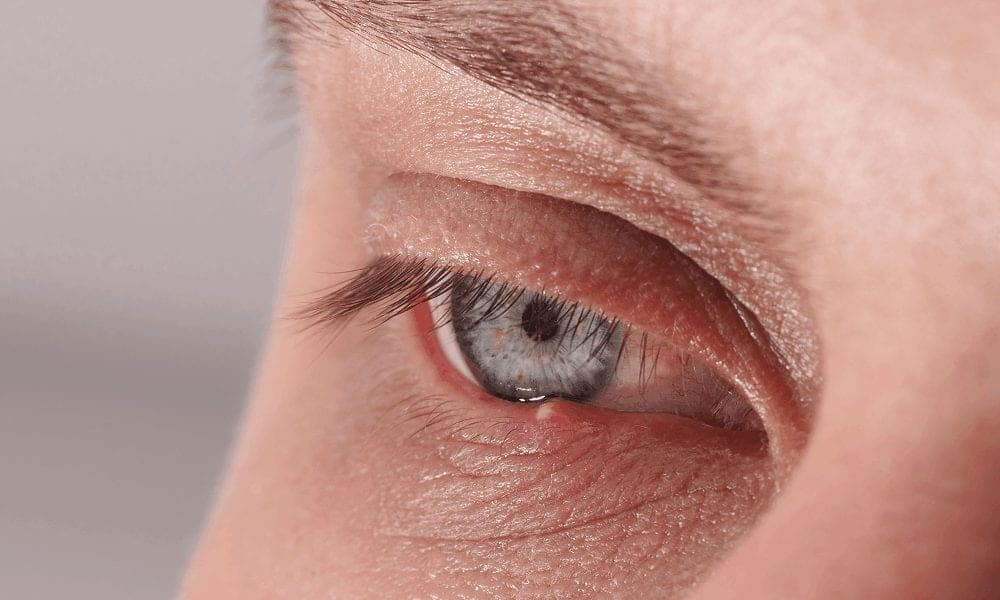
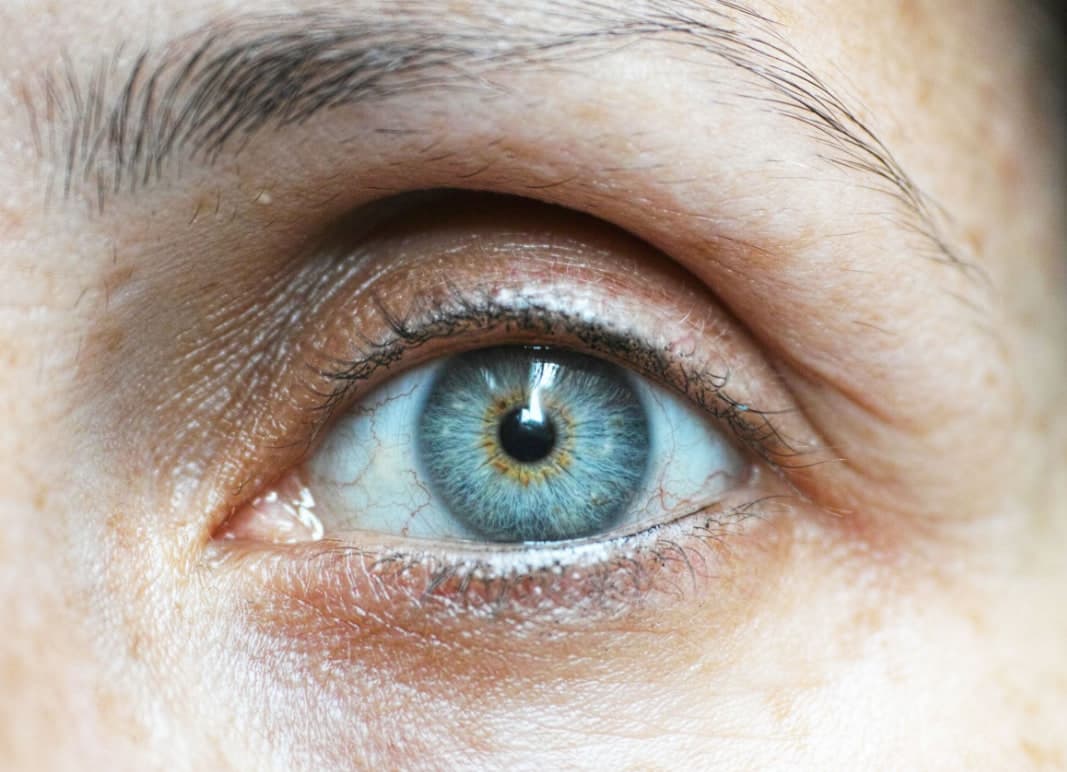
If you have been asking yourself why has my eyelid dropped, you are not alone. A drooping upper eyelid is one of the most common eyelid concerns we see at Perfect Eyes Clinic. It has a medical name, ptosis, and it simply means the upper eyelid has fallen lower than it should.
The cause is not always serious. A stye pressing on the lid, or natural changes that come with age, are common reasons. But in some cases, a drooping eyelid can be a sign of something that needs urgent attention.
This article explains the most common causes, tells you which warning signs to act on straight away, and covers when drops or warm compresses may help, and when surgery may be the right answer.
What Is a Drooping Eyelid?
The upper eyelid is kept in position by a small muscle. When that muscle weakens, or when its attachment to the lid stretches over time, the eyelid drops. Damage to the nerve that controls the muscle can have the same effect.
Ptosis can affect one eye or both. Drooping that builds up slowly over months is usually related to age or a physical cause. Drooping that appears suddenly, over hours or days, is more likely to need investigation.
Not all drooping is the same. Sometimes the lid muscle has weakened. Other times, the lid is being pushed down by swelling, such as a stye or an allergic reaction. This matters because the causes and treatments are quite different.
Why Has My Eyelid Dropped? The Most Common Causes
There are several possible causes of a drooping eyelid. The table below gives you a quick look at the most common ones and what you may notice.
| Cause | How it starts | What to look for |
|---|---|---|
| Stye or chalazion | Hours to days | Visible lump on lid; one eye only |
| Ageing | Slowly, over months or years | Both lids often affected, can be asymmetric |
| Horner syndrome | Can vary | Smaller pupil on the same side |
| Third nerve palsy | Sudden | Large pupil; eye turns downward |
| Myasthenia gravis | Varies; worse later in the day | Double vision; ptosis that comes and goes |
| Stroke or aneurysm | Sudden | Other neurological symptoms present |
| After eye surgery | Days after the procedure | Recent surgery history |
| Long-term contact lens wear | Slowly, over months or years | Drooping of one or both eyelids after long-term contact lens wear |
A Stye or Chalazion
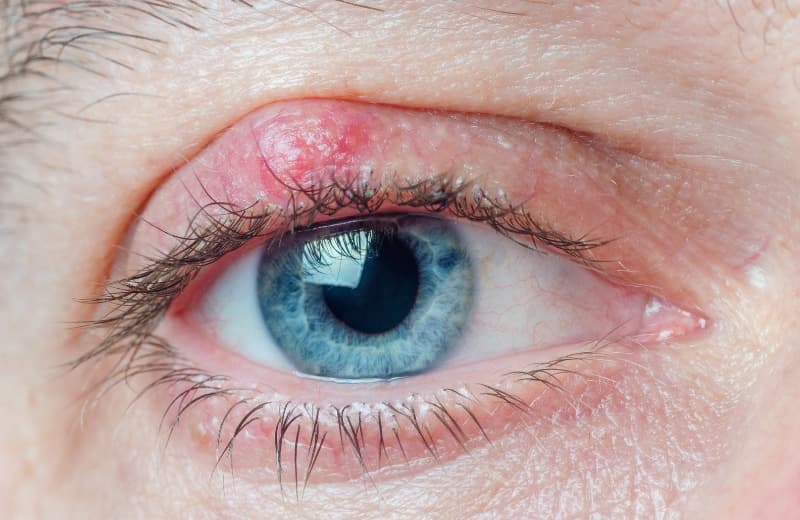
A stye is an infected gland on the edge of the eyelid. A chalazion is a blocked, swollen gland that forms a firm lump inside the lid. Either can grow large enough to press the lid downward. The lid muscle itself is working normally; the lump is simply weighing it down.
Warm compresses applied for around ten minutes several times a day usually help the gland drain and the swelling go down. If a bacterial infection is confirmed, an Oculoplastic Surgeon can assess whether antibiotic ointment or stye eyelid drops are appropriate. Lubricant drops can keep the eye comfortable while things heal. A chalazion that does not settle after a few weeks may need a small drainage procedure.
Once the stye or chalazion clears, the lid usually returns to its normal position on its own.
Ageing

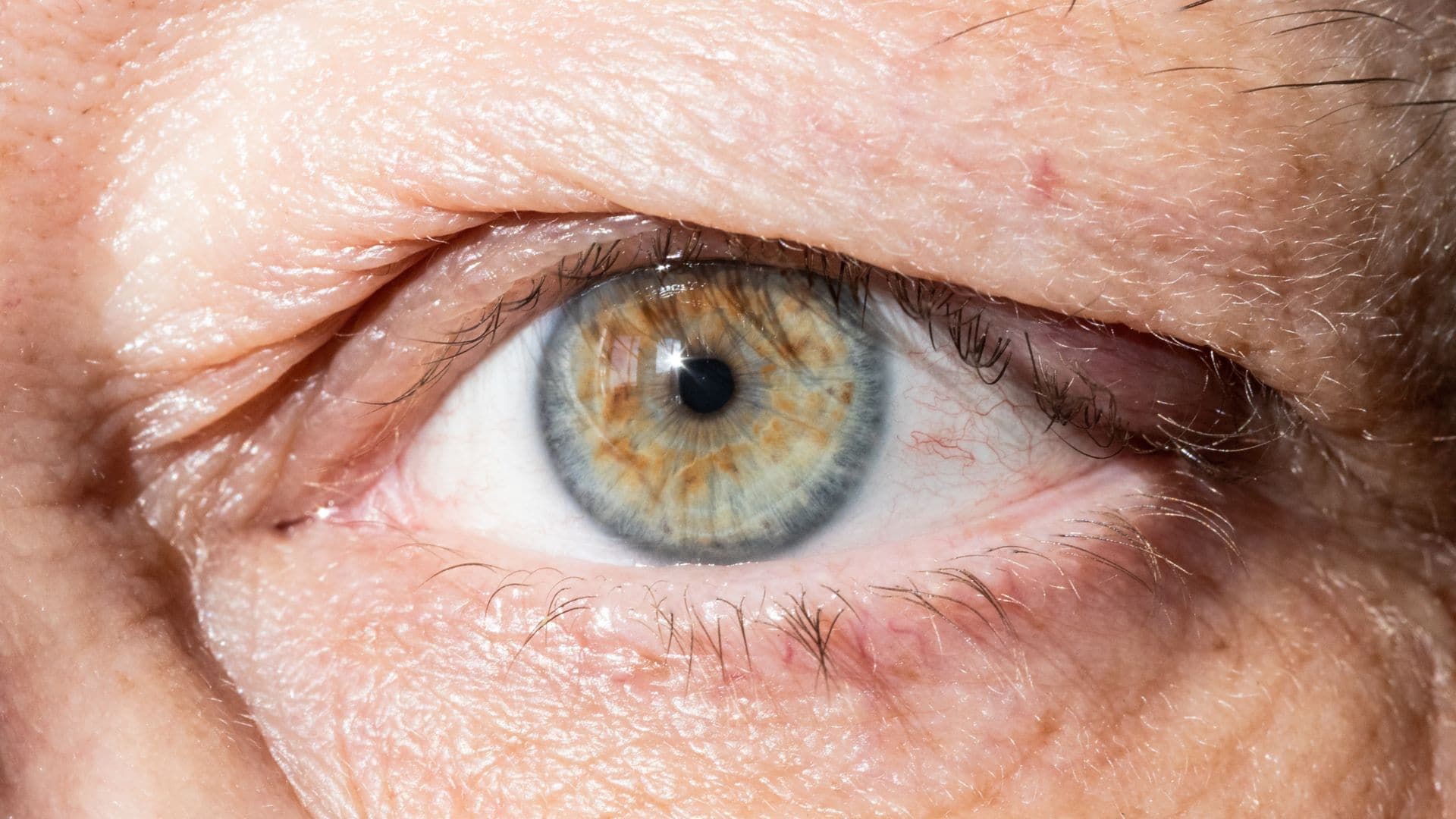
The most common cause of drooping eyelids in adults is ageing. Over time, the tissue that connects the eyelid muscle to the lid gradually stretches and weakens. The lid loses its normal height and begins to fall.
This type of drooping usually affects both eyes; however, it can be asymmetric and develops slowly over months or years. Long-term contact lens wear can speed things up, as the lid is repeatedly pulled during lens insertion and removal. Contact lens wear and cataract surgery are other recognised causes, as the equipment used to hold the eye open during the procedure can stretch the same tissue.
Nerve-Related Causes
Certain nerves control the muscles that lift the eyelid. If those nerves are damaged or disrupted, the lid can drop. These are the causes that tend to need the most prompt attention.
- Horner syndrome: causes a mild droop, a smaller pupil on the same side, and sometimes reduced sweating on that side of the face. It can point to a problem elsewhere in the body and should be investigated.
- Third nerve palsy: causes a significant or complete droop, often with a large unresponsive pupil and the eye pointing downward. When the pupil is involved, this is a medical emergency.
- Myasthenia gravis: an autoimmune condition that weakens the eyelid muscles. The droop often gets worse later in the day and may be accompanied by double vision.
Stroke or Aneurysm
A sudden droop can sometimes be the first sign of a stroke, a brain aneurysm, or a tear in one of the arteries in the neck. These need immediate emergency care.
Swelling from Allergy or Infection
An allergic reaction or an eye infection can cause the eyelid to puff up and look drooped. The lid usually appears red and swollen rather than simply lowered. Antihistamine or antibiotic drops, depending on the cause, bring the swelling down and the lid returns to normal.
Warning Signs: When to Act Immediately
| Symptom | What to do |
|---|---|
| Eyelid drooped suddenly with severe headache or neck pain | A&E immediately |
| Drooping with one pupil much larger than the other | A&E immediately |
| Drooping with double vision or a facial droop | A&E immediately |
| Drooping with arm or leg weakness | A&E immediately |
| Drooping with difficulty speaking or swallowing | A&E immediately |
| Sudden droop, no other symptoms | See a specialist within days |
| Slow droop over weeks, no other symptoms | Book a consultation |
| Droop with a visible stye or lump | Consult an Oculoplastic Surgeon |
The general rule is: the faster the droop appeared, the more urgently you should be seen. A droop that develops over hours, even without pain, should not be left until the next day.
Treatment Options
How ptosis is treated depends on what is causing it. There is no one-size-fits-all approach. A proper assessment is always the right starting point.
Warm Compresses and Stye Eyelid Drops
For a stye or chalazion, warm compresses are the first step. Most styes clear within one to two weeks. If infection is present, an Oculoplastic Surgeon can assess whether stye eyelid drops or antibiotic ointment are appropriate. A chalazion that does not respond may need a minor drainage procedure under local anaesthetic.
Prescription Drops for Mild Ptosis
There is a prescription drop called oxymetazoline (also available as Upneeq) that can temporarily lift a mildly drooping eyelid. It works by stimulating the secondary muscle that helps lift the lid. The effect lasts several hours and wears off without daily use. It is suitable for mild cases (around 1mm of droop) and should be assessed by an Oculoplastic Surgeon, as it is not right for all types of ptosis.
Ptosis Surgery
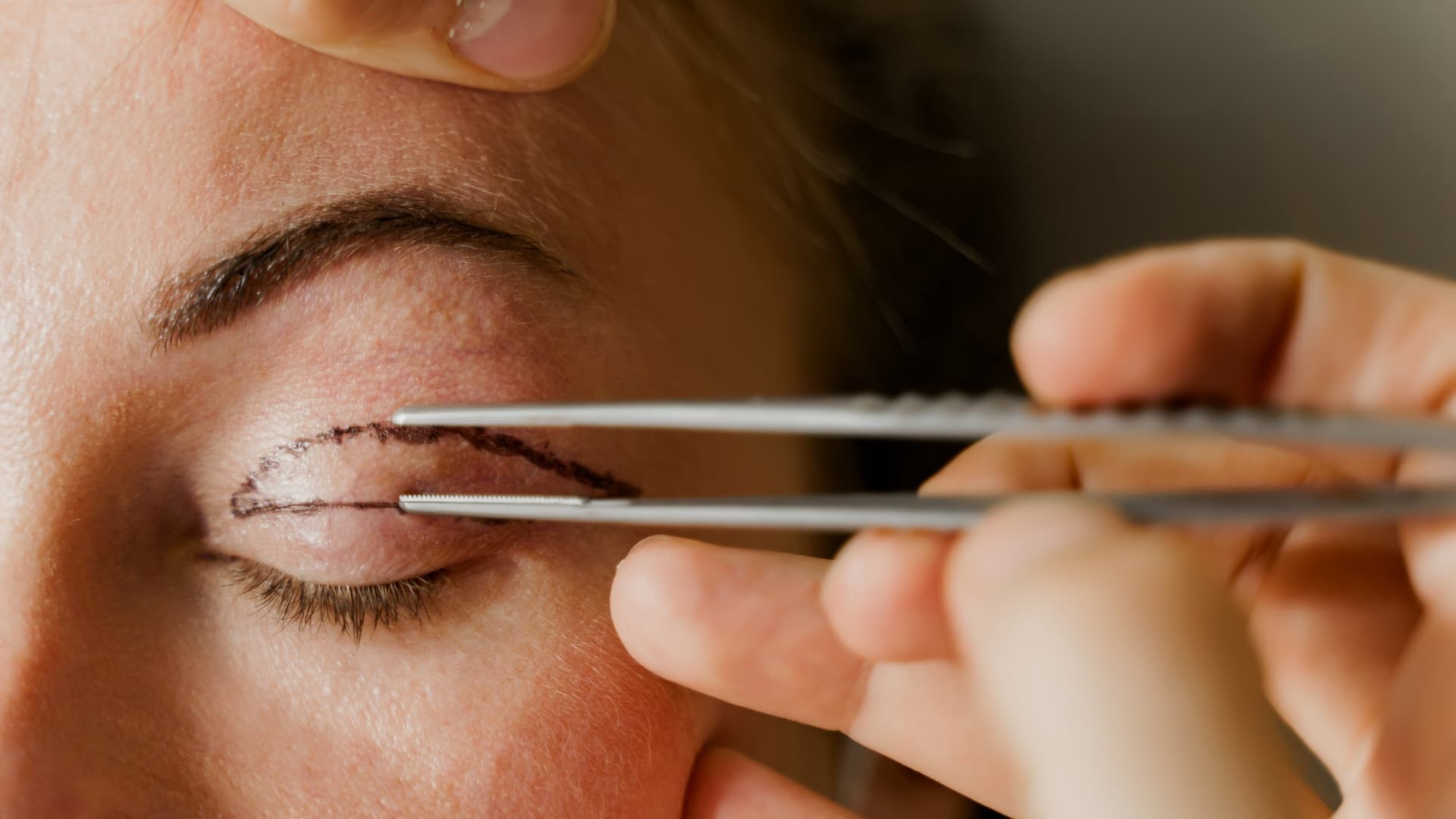
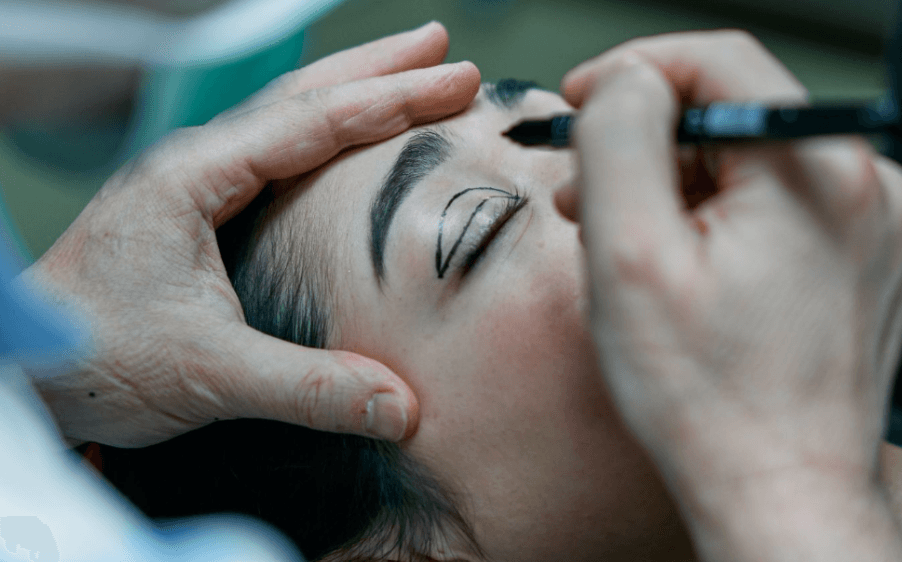
For most people with a significant drooping eyelid, surgery is the most reliable long-term solution. At The Perfect Eyes Clinic, Dr Sabrina Shah-Desai performs "scarless" ptosis surgery, also called transconjunctival ptosis surgery. The incision is made inside the eyelid or hidden within the natural skin fold, so there is no visible scar on the outside.
The procedure involves adjusting the muscle or tendon that lifts the eyelid to restore it to the correct position. It is done under local anaesthetic as a day case. Most patients are back to normal activities within one to two weeks. Results can last up to ten years.
Ptosis surgery can improve your field of view, reduce the strain of holding the lid up (which often causes forehead wrinkles and headaches), and restore a more natural, rested appearance to the eye. You can see before and after results from previous patients.
Dr Shah-Desai has been listed in Tatler's Beauty & Cosmetic Surgery Guide every year from 2019 to 2026. She has received multiple awards including Best Surgical Result at the Aesthetic Awards 2021.
When and Where to Seek Help
- Call 999 or go to A&E right away if the droop came on suddenly with any other symptom such as headache, double vision, a change in pupil size, facial weakness, or difficulty speaking.
- See a specialist within days if the eyelid dropped suddenly but you have no other symptoms. A new droop should always be checked, even without pain.
- Book a consultation if the droop has come on slowly over months, affects one or both eyes, and you have no other symptoms. This is the most common pattern and often has a surgical solution.
- Consult an Oculoplastic Surgeon if you have a visible lump on the lid alongside the drooping. This is most likely a stye or chalazion, and the surgeon can assess whether the lump is contributing to the drooping and recommend the appropriate treatment.
If you are concerned about a drooping eyelid and are based in London, Perfect Eyes Clinic offers consultations with Dr Sabrina Shah-Desai at 121 Harley Street. She will assess the cause and talk you through the right options for your situation.
Frequently asked questions
Still unsure? Our team is glad to talk you through anything before you book.
- A droop in just one eyelid is more often linked to a specific cause, such as a stye, a nerve problem, or age-related changes affecting that side more than the other. A sudden one-sided droop without an obvious reason should be checked promptly to rule out anything more serious.
- Yes. A stye or chalazion can grow large enough to press the lid downward. The eyelid muscle is working normally; the lump is simply weighing it down. Once the stye clears, the lid usually returns to its normal position without any treatment for the droop itself.
- If the droop is caused by a stye, antibiotic stye eyelid drops can help clear the infection, and the lid often returns to normal once the swelling goes down. But drops have no effect on ptosis caused by muscle weakness, stretched tissue, or a nerve problem. If the lid stays drooped after the stye has fully cleared, it is worth being assessed by an Oculoplastic Surgeon.
- Drooping that gets worse as the day goes on is a recognised sign of myasthenia gravis, a condition where the connection between the nerve and muscle is disrupted. If this is happening, especially alongside intermittent double vision, it is worth getting checked. It also affects how ptosis surgery would be planned, so a specialist assessment is important before any treatment.
- Blepharoplasty removes excess skin from the eyelid and addresses the way the lid looks, such as sagging skin or puffiness. Ptosis surgery addresses the muscle or tendon inside the lid to raise the eyelid margin to the correct height. Both can sometimes be done at the same time, depending on what is causing the problem. A proper assessment will clarify which is right for you.