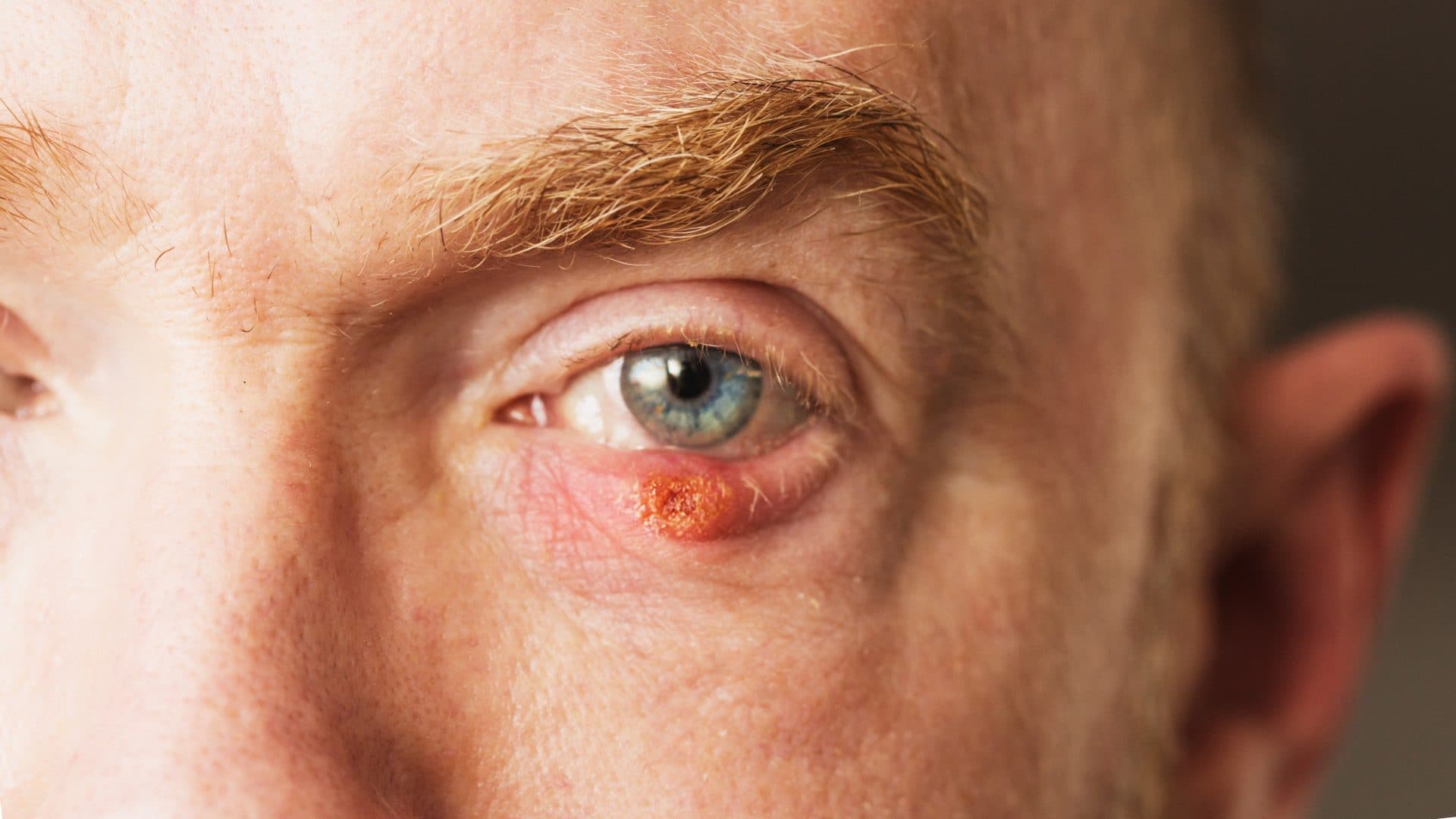
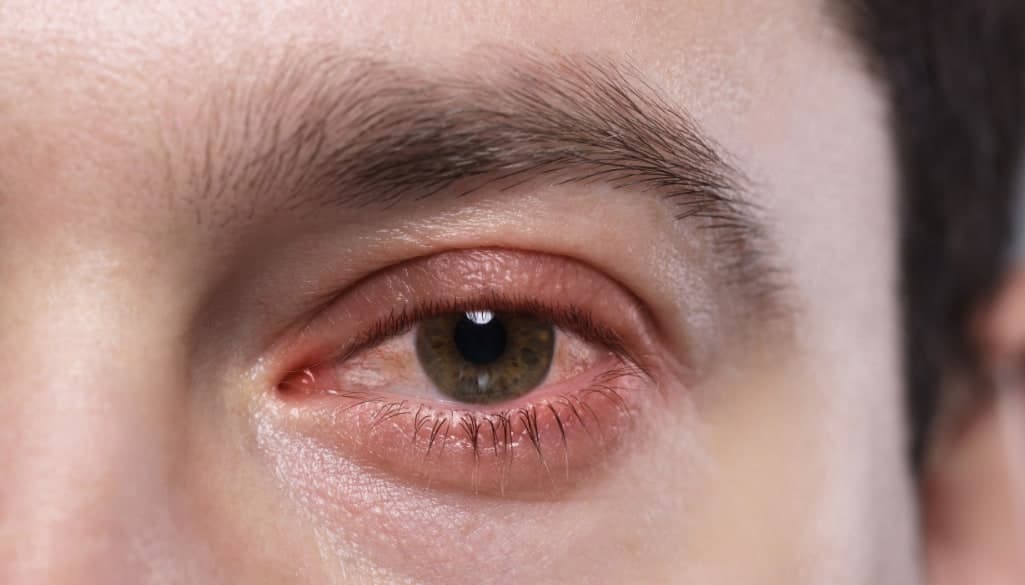
Waking up to a vivid red patch in your eye can be startling. Is it dangerous? Will it heal quickly? The truth is, a broken blood vessels in eye, known as a subconjunctival haemorrhage or “blood clot in eye,” is a common, usually harmless condition. Still, many people wonder how to quickly heal a broken blood vessel in the eye.
Whether it's for a big meeting, an event, or just peace of mind, this guide will give you the most reliable answers, clinical insights, and gentle home care strategies to restore the natural look of your eyes faster.
What Is a Broken Blood Vessel in the Eye?
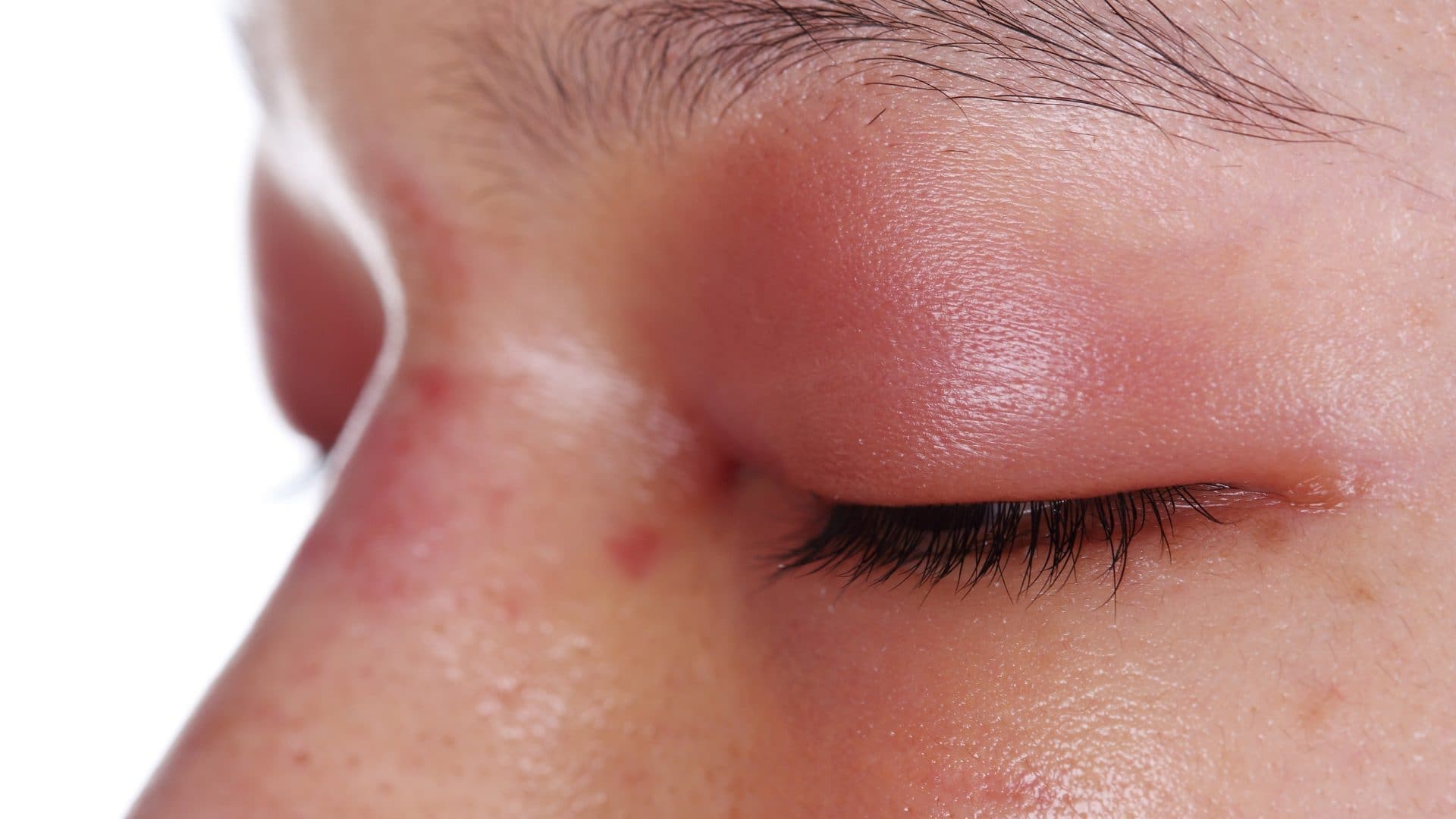
A broken or busted blood vessel in the eye happens when a tiny blood vessel bursts right under the clear surface (conjunctiva) of your eye. This causes a noticeable red or purple spot, which looks much worse than it feels. Most people don’t even notice when it occurs; it is often discovered in the mirror or mentioned by someone else. It’s not rare: up to 3% of people experience this at least once in their lives.Why Did This Happen to You?
Common causes for a burst blood vessel in the eye include:- Sneezing, coughing, or heavy lifting
- Rubbing your eyes
- Sudden changes in pressure (straining, minor trauma)
- Contact lens use
- Rarely from high blood pressure, diabetes, or blood-thinning medications
How to Heal Broken Blood Vessels in Eye Fast?
When searching for how to heal a broken blood vessel in the eye quickly, the good news is that most cases resolve within 7-14 days without medical treatment. However, there are steps you can take to accelerate healing and minimise discomfort.01. Use Artificial Tears
Applying lubricating eye drops several times a day can soothe irritation and help flush out minor debris. Opt for preservative-free drops to minimise the risk of irritation.02. Apply a Cold Compress
In the first 24-48 hours, apply a clean, cold compress gently over the closed eyelid for about 10 minutes. This can help reduce mild swelling and provide comfort.03. Switch to Warm Compresses
After the initial two days, using a warm compress helps improve blood flow and assists in absorbing the trapped blood.04. Rest and Avoid Irritants
- Get enough sleep to promote natural recovery.
- Avoid rubbing, touching, or pressing on the affected area around the eye.
- Skip makeup and contact lenses until the redness fades.
05. Stay Hydrated
Drink plenty of water, as good hydration supports blood flow and eye health.06. Avoid Blood Thinners
Unless prescribed, avoid aspirin or ibuprofen, and discuss any prescription blood thinners with your clinician if you notice frequent subconjunctival haemorrhages.07. Protect Your Eyes
Wear protective glasses in dusty or windy environments and avoid strenuous activities that may strain your eyes further.How to Get Rid of a Blood Clot in the Eye: Clinical Treatments
While a subconjunctival haemorrhage typically heals on its own, certain clinical treatments and evaluations may be helpful in specific situations.01. Medical Evaluation
- If a blood clot in the eye is recurrent, grows in size, or is accompanied by pain, vision changes, or swelling, consult an ophthalmologist.
- Your doctor may check your blood pressure, do a blood test, or examine for underlying disorders.
02. Treatment Options
- Artificial tears for comfort and dryness.
- Avoid using blood-thinning medications unless necessary for your health.
- Occasionally, if bleeding is related to trauma or does not clear after 2-3 weeks, further evaluation (including imaging) or referral to a specialist may be advised.
03. Rare but Serious Scenarios
- Hyphema: When blood pools in the front of the eye (often following an injury), emergency eye care is necessary. This may require medication, eye shields, and occasionally surgical intervention.
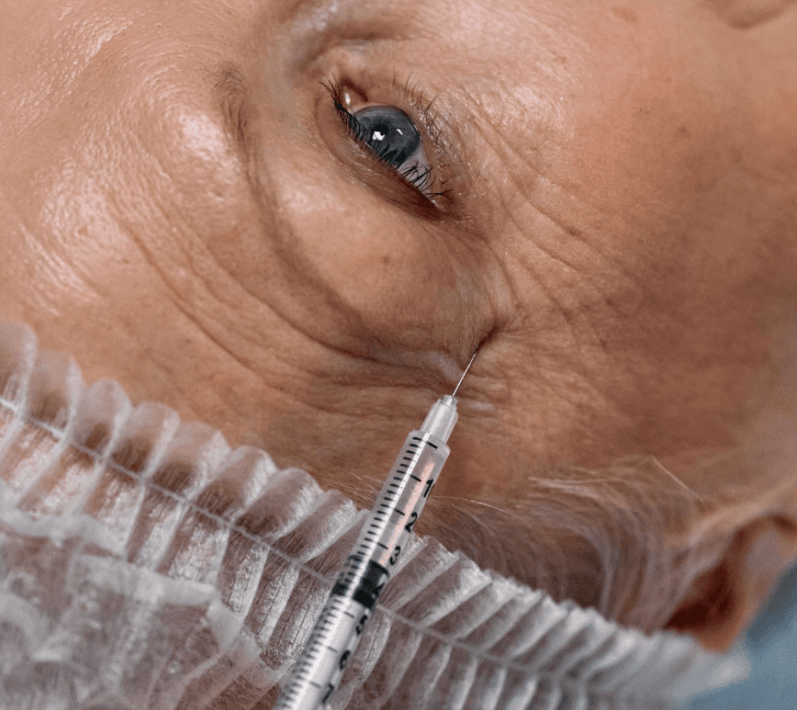
- Vitreous/Vascular Eye Bleeding: For deeper bleeding into the eye’s gel or vessels, treatments may include laser therapy, injections, or, rarely, surgery.
- If you experience loss of vision, severe pain, or persistent redness, urgent eye evaluation is essential.
Natural Treatment for Broken Blood Vessel in Eye
Gentle home remedies may help you feel more comfortable as your eye heals. Here’s what’s supported by evidence and traditional care:01. Herbal Teas & Compresses
A cooled chamomile or green tea bag, placed gently over your eye for 10 minutes, twice daily, may help reduce mild inflammation and offer soothing comfort. Green tea contains antioxidants (catechins) thought to benefit general eye health.02. Rose Water and Cucumber
Cotton soaked in chilled rose water or a cold cucumber slice placed over closed eyelids can calm irritation and reduce swelling.03. Diet Tips
Increasing your intake of Vitamin C-rich foods (such as citrus, amla, and leafy greens) and Vitamin A (carrots and leafy vegetables) supports capillary health and overall eye health. Avoid salty, spicy, or junk foods. If you’re looking for the best food for eye health, focus on fresh fruits, vegetables, and nutrient-dense meals while avoiding salty, spicy, or junk foods.04. Ayurvedic Support
Gently massaging the area around the eyes with coconut or almond oil may improve blood flow and provide some relaxation. Always ensure hands are clean and avoid direct contact with the eyeball.Final Thoughts
A broken blood vessel in the eye can look dramatic, but with the right steps and a little patience, your eyes will be clear again soon. By following effective home strategies and knowing when to seek clinical care, you can approach this minor issue with calm and confidence. Remember, your eye health is always worth a professional opinion, especially if something feels off or healing is slow. Reach out to our clinic anytime for expert support and peace of mind.Good to know
Frequently asked questions
Still unsure? Our team is glad to talk you through anything before you book.
- For most people, the red patch will fade without any intervention in 7 to 14 days. Large or recurrent spots might take a little longer.
- While there’s no instant fix, you can support healing with rest, artificial tears, gentle cold and warm compresses, proper hydration, and avoiding rubbing or exposure to irritants.
- Consult a doctor if: There's vision change, pain, or swelling The red area grows or doesn’t fade in 2 weeks; There’s frequent recurrence or trauma involved.
- No medical or natural treatment clears the redness immediately. The body needs time to absorb the blood, but you can alleviate discomfort and support the healing process with the tips above.