
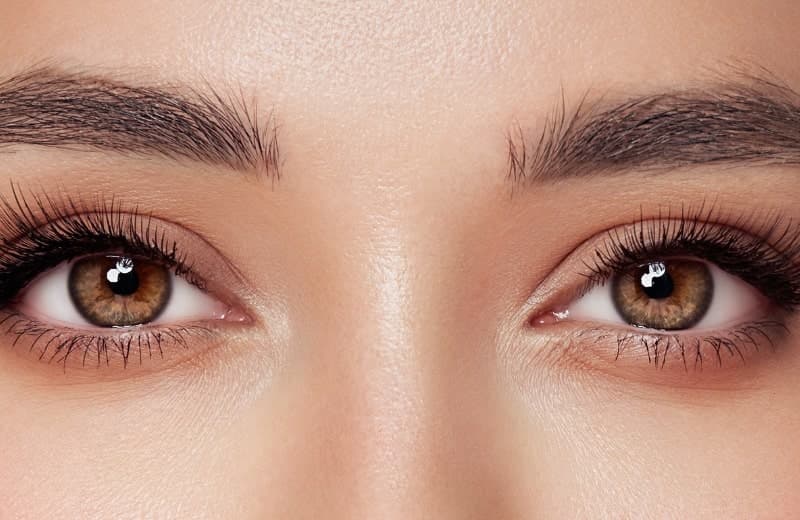
Taking care of your eyes is essential because good vision affects every part of your life. What you eat plays a significant role in maintaining and improving your vision.
In this blog, we’ll explore the best food eye health options and discover which foods good for eye health can help protect your vision for years to come. Understanding the right food for eye health is a simple but powerful way to support your eyesight.
Why Food is Important for Eye Health
Your diet directly influences your eye health. Nutrient deficiencies can lead to common eye problems like macular degeneration, cataracts, or dry eyes. By choosing the right foods to improve eye health, you provide your eyes with antioxidants, vitamins, and minerals that help prevent damage and support healing. Foods good for eye health supply essential nutrients, slowing down age-related vision loss and reducing the risks of inflammation and oxidative stress.Essential Nutrients for Eye Health
- Vitamin A and Beta-Carotene: Critical for night vision and avoiding dry eyes.
- Vitamin C: Acts as an antioxidant and helps slow down cataracts and macular degeneration.
- Vitamin E: Shields eye cells from free radical damage.
- Lutein and Zeaxanthin: Natural protectors against harmful blue light and age-related damage.
- Omega-3 Fatty Acids: Improve retinal function and reduce dry eye symptoms.
- Zinc: Helps transport vitamin A and supports night vision.
Best Food to Eat for Eye Health
Here are some of the top foods for eye health you should add to your diet:- Carrots and Sweet Potatoes: Loaded with vitamin A and beta-carotene, they support good vision and eye moisture.
- Leafy Greens (Kale, Spinach, Broccoli): Rich in lutein and zeaxanthin, these veggies protect your retina.
- Fish (Salmon, Tuna, Mackerel): Great sources of omega-3s, which help maintain eye tissues and reduce dryness.
- Eggs (Especially Yolk): Packed with lutein, zeaxanthin, vitamins A, E, and zinc.
- Citrus Fruits (Oranges, Grapefruit, Lemons): Full of vitamin C to keep blood vessels in the eyes healthy.
- Nuts and Seeds (Almonds, Sunflower Seeds, Flaxseeds, Chia Seeds): Provide vitamin E and omega-3 fatty acids to slow eye ageing.
- Other Vegetables (Bell Peppers, Corn, Pumpkin): Contain vitamins A and C and antioxidants that support eye health.
Key Foods and Their Eye Health Benefits
| Food | Key Nutrients | Eye Health Benefits |
| Carrots, Sweet Potatoes | Vitamin A, Beta-Carotene | Improves night vision, prevents dryness |
| Leafy Greens | Lutein, Zeaxanthin | Protects the retina and reduces damage |
| Fish | Omega-3 Fatty Acids | Supports retinal function, reduces dry eyes |
| Eggs | Lutein, Zeaxanthin, Vitamins A, E,Zinc | Protects eye cells, supports night vision |
| Citrus Fruits | Vitamin C | Strengthens blood vessels, an antioxidant |
| Nuts and Seeds | Vitamins E, Omega-3 | Slows ageing, protects cells |
| Bell Peppers, Pumpkin | Vitamins A, C, and Antioxidants | Prevents cell damage |
Foods to Improve Eye Health and Healing
When it comes to maintaining eye health and promoting healing from daily strain or damage, certain foods can be particularly beneficial due to their unique properties.Foods with Anti-Inflammatory Properties:
Inflammation can affect your eyes just like it does other parts of your body. Eating foods that help reduce inflammation can protect your eyes from discomfort and damage. Examples include turmeric, which contains curcumin, a natural ingredient that fights inflammation and supports eye health. Blueberries are another great choice. They are packed with antioxidants that help your eyes fight off harmful molecules that accumulate from stress or exposure to sunlight over time.Hydration and Water-Rich Foods:
Your eyes need moisture to stay comfortable and clear. Drinking enough water is essential, but you can also incorporate foods with high water content, such as cucumber and watermelon. These foods help keep your eyes hydrated naturally, reducing dryness and irritation, especially if you spend long hours in front of screens or in dry environments.Superfoods for Antioxidants and Reducing Eye Strain:
Blueberries and turmeric don’t just reduce inflammation; they also provide antioxidants. Antioxidants protect the delicate tissues in your eyes from damage caused by everyday environmental stressors, such as UV rays and blue light. Including these superfoods in your diet can help lessen eye fatigue, which is common nowadays with so much screen time.Healing Benefits from Healthy Fats:
Certain healthy fats are also important for eye health because they help repair and maintain eye tissues. Avocados are excellent in this regard. Ghee is a type of clarified butter that contains fats aiding in reducing dryness and promoting healing in the eyes. Avocado is rich in omega-3 fatty acids and vitamin E, which help protect your eyes from damage and inflammation while supporting overall eye function.Practical Tips to Incorporate Foods Good for Eye Health into Your Diet
Understanding which foods help your eyes is one thing, but knowing how to fit them into your daily meals easily can make a big difference. Here are some simple, practical ideas for including eye-healthy foods throughout your day:Meal Ideas for All-Day Eye Nutrients:
- Start your day with a spinach and kale smoothie packed with blueberries for antioxidants and some flaxseeds for healthy fats.
- Make a colorful salad for lunch with leafy greens, bell peppers, avocado slices, and a sprinkle of sunflower seeds.
- Dinner can include grilled salmon or mackerel, which provide omega-3 fats that are excellent for eye tissue health.
Snack Suggestions Rich in Eye-Healthy Nutrients:
- Keep a small bowl of mixed nuts and seeds like almonds, chia seeds, and sunflower seeds handy for easy snacking.
- Fresh carrot sticks, cucumber slices, or fruit like oranges are easy, tasty, and rich in vitamins and hydration.
When to Consider Supplements:
Generally, it’s best to get your nutrients from food because that gives you other beneficial compounds and fibre too. But if your diet doesn’t include enough of these foods (maybe because of allergies, preferences, or lifestyle), supplements can help fill the gaps. Before starting any supplements, it’s a good idea to talk with your healthcare provider or eye specialist to make sure you take what’s right for you and in the right amounts. By gently including these foods and habits into your routine, you’ll be giving your eyes a better chance to stay healthy, heal, and function well through all kinds of daily challenges.Lifestyle Tips Alongside Nutrition for Healthy Eyes
Good nutrition isn’t enough alone. Regular eye checkups help catch problems early. Wear sunglasses that block UV rays. Avoid smoking, as it damages eyes, and manage screen time to prevent eye strain. If you're concerned about your eye health or want personalised dietary advice, you can consult us at our clinic for expert guidance and support.Conclusion
Choosing the best food for eye health, like carrots, leafy greens, fish, and nuts, can significantly enhance your vision. A balanced diet rich in these foods supports your eye health throughout life. For any eye-related concerns or diet consultation tailored to protecting your vision, please reach out to us at our clinic. We're here to help you keep your sight clear and healthy.Good to know
Frequently asked questions
Still unsure? Our team is glad to talk you through anything before you book.
- Leafy greens, fish rich in omega-3, carrots, and citrus fruits are top recommendations.
- A nutrient-rich diet with antioxidants and vitamins may slow their progression.
- Supplements can help if you cannot get enough nutrients from food, but consult a doctor first.
- At least two servings of fatty fish per week are ideal for omega-3 fatty acids.
- Yes, drinking water and eating water-rich foods keep your eyes moist and comfortable.