You wake up one morning, look in the mirror, and notice something unusual: your eyes look red and tired. Maybe you rubbed them during a long workday, spent hours on your laptop, or recently experienced allergies. For some, it’s a one-time concern, while for others, redness persists.
Red eyes are more common than you might think, and although they’re often harmless, they can sometimes point to deeper eye health issues. At our clinic, many patients walk in worried that something is seriously wrong. Most of the time, redness resolves with rest or simple home care, but persistent redness can be a sign that your eyes are inflamed, infected, or under stress.
This detailed guide explains what red eyes mean, what causes them, and what treatments, both simple and medical, can bring relief. If you’ve been wondering “what causes red eyes” or “how to remove eye redness quickly,” keep reading. Understanding the cause of red eyes is the first step toward achieving clear, comfortable vision.
What Do Doctors Mean by “Red Eyes”?
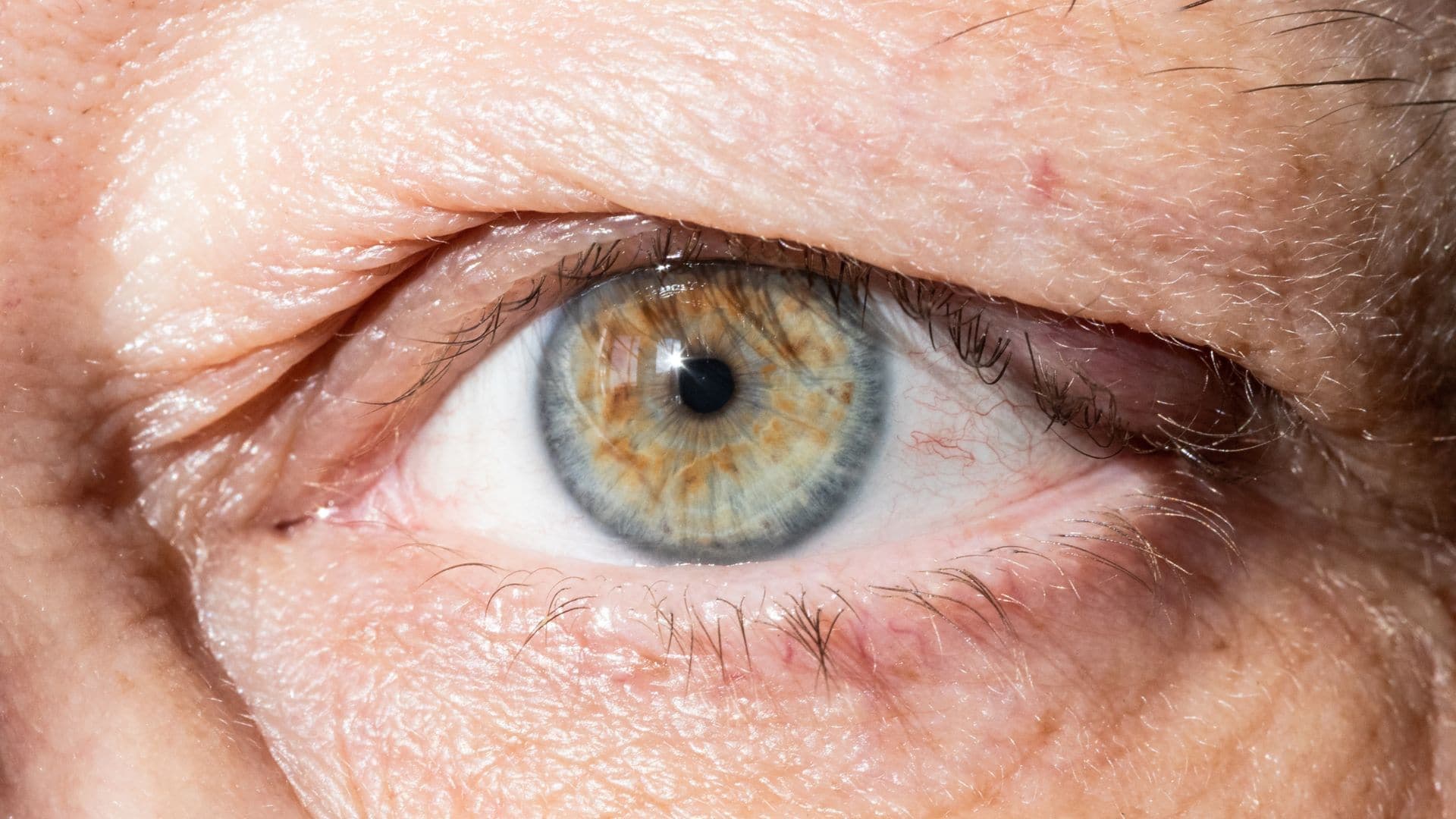
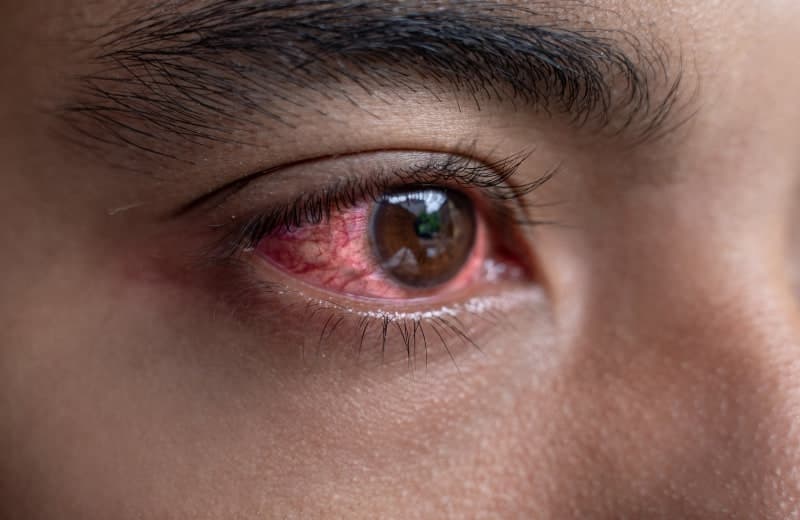
When your eyes turn red, it usually means that the tiny blood vessels covering the white part of your eyes, called the sclera, have expanded or become swollen. The redness can appear as:- A general pinkish or bloodshot hue
- A bright red patch (if a small vessel bursts)
- Diffuse redness across both eyes
Common Causes of Red Eyes
Red eyes can appear suddenly or develop gradually, depending on the trigger. They often present with symptoms such as itching, burning, watery discharge, light sensitivity, or even pain. Let’s explore the main causes.01. Irritation and Environmental Factors
Environmental factors are some of the most frequent culprits. The modern lifestyle exposes our eyes to irritants that dry them out and stress their delicate tissues. Typical irritants include:- Air pollution, smoke, and chemical fumes
- Wind or dusty outdoor environments
- Prolonged screen exposure (digital eye strain)
- Dehydration and inadequate sleep
- Misuse or overwear of contact lenses
Digital Eye Strain
Spending long hours on screens without breaks can cause your blinking rate to drop. That slows tear film renewal on your eyes, leaving them red and tired. Simple fixes, such as the 20-20-20 rule taking a 20-second break every 20 minutes to look at something 20 feet away help greatly.Contact Lens Overuse
Contact lenses can sometimes block oxygen from reaching the cornea if worn for too long, leading to redness and discomfort. Improper lens hygiene may even result in infections. Always remove your lenses before going to sleep, unless prescribed otherwise.02. Allergies
Eye allergies, or allergic conjunctivitis, occur when your eyes overreact to harmless substances such as:- Pollen or dust mites
- Pet dander
- Mould spores
- Seasonal changes (spring and autumn commonly worsen symptoms)
- Redness with watery, itchy eyes
- Puffiness around the eyelids
- Burning sensation
- Occasional mucus discharge
03. Dry Eye Syndrome and Blepharitis
Dry Eye Syndrome happens when your eyes either don’t produce enough tears or your tears evaporate faster than they should. It’s often linked to ageing, excessive screen work, certain medications, or conditions like rosacea. Symptoms:- Burning or stinging
- Redness and discomfort
- Blurred vision that improves after blinking
- Sensitivity to light
- Crusting or flaking around eyelashes
- Irritated, red eyelids
- Swelling and tenderness
- Watery or sticky discharge
04. Infections and Inflammations
Sometimes, red eyes result from infections that demand prompt treatment.Conjunctivitis (Pink Eye):
This common infection inflames the conjunctiva and can be caused by a viral, bacterial, or allergic agent.- Viral conjunctivitis spreads easily and causes watery discharge.
- Bacterial conjunctivitis produces thicker, yellow-green pus that can crust overnight.
- Allergic conjunctivitis causes itching and swelling rather than pus.
Corneal Abrasions or Ulcers:
Scratches or open sores on the cornea lead to intense redness, tearing, and pain. These require immediate medical care to prevent scarring or vision loss.Uveitis:
Uveitis is an inflammation inside the eye and is a more serious condition. It’s associated with autoimmune disorders or infections. Redness often accompanies pain, sensitivity to light, and decreased vision in this area.Acute Glaucoma:
This condition results from a sudden rise in eye pressure. Symptoms include severe redness, eye pain, and rainbow-colored halos around lights. This is a true emergency that demands immediate attention. If your eye redness is accompanied by pain, blurred vision, or light sensitivity, you should contact a clinic promptly.05. Broken Blood Vessels (Subconjunctival Haemorrhage)
Sometimes, you might notice a bright red patch on the white of your eye. This happens when a tiny vessel under the conjunctiva ruptures due to sneezing, coughing, or rubbing the eye. Though alarming, it’s usually painless and harmless. No medical treatment is typically required, and the redness usually clears within 7-10 days. However, if you experience frequent blood vessel breaks or are on blood thinners, an eye exam is recommended.06. Injuries, Medications, and Contact Lens-Related Redness
Foreign bodies, such as dust, sand particles, or even makeup residue, can irritate the eyes. Certain medications, such as decongestants, isotretinoin (used to treat acne), or eye drops that constrict blood vessels, may also trigger redness. Improperly cleaned or expired contact lenses can harbour bacteria, leading to infections or inflammation. Always disinfect lenses properly, follow the prescribed replacement schedule, and refrain from rinsing them with water.When Red Eyes Mean More Than Just Irritation
A bit of redness post a long day is normal. However, persistent redness, especially when accompanied by discomfort, may indicate a more serious issue. Warning signs that require immediate medical attention:- Eye pain or throbbing
- Blurred or reduced vision
- Sensitivity to light
- Thick or colored discharge
- Redness lasting more than a week
- Redness following injury or foreign object exposure
Treatments: How to Eliminate Red Eyes
Your treatment depends on the underlying cause. Below are practical solutions ranging from simple home remedies to professional medical care.01. At-Home Comfort and Simple Relief
If your redness is mild or caused by dryness, fatigue, or short-term irritation, some simple steps can help.Cool Compresses:
Applying a clean, cool cloth over closed eyes for a few minutes can soothe irritation, especially if it is caused by allergies or tiredness.Warm Compresses:
Beneficial for dry eyes or blepharitis, warm compresses help loosen clogged oil glands along your eyelids and promote natural lubrication.Artificial Tears (Lubricating Drops):
Over-the-counter lubrication can refresh eyes suffering from dryness or prolonged screen use. Choose preservative-free drops if you need frequent application.Improve Eyelid Hygiene:
Clean eyelids gently using diluted baby shampoo or specialised eyelid wipes to remove debris and oil buildup.Avoid Eye Rubbing:
Rubbing irritates the eyes further, breaks tiny blood vessels, and spreads a possible infection. Instead, rest your eyes frequently and blink consciously during screen work.Hydrate and Rest:
Simple lifestyle factors, such as adequate hydration and proper sleep, have a tremendous impact on eye health.Correct Contact Lens Care:
If your eyes are red after wearing contacts, remove them immediately and avoid reuse until symptoms subside. Replace old lenses and store them in fresh solution daily.02. Over-the-Counter and Prescribed Medications
Depending on the diagnosis, your doctor may recommend specific medicated eye drops or treatments:- Antihistamine drops ease red, itchy eyes caused by allergies.
- Antibiotic or antiviral drops target bacterial and viral infections, respectively.
- Corticosteroid or anti-inflammatory drops treat more serious inflammatory conditions such as uveitis, but must be used under medical supervision only.
- Lid scrubs and ointments manage blepharitis-related redness.
03. In-Clinic and Specialist Treatments
When home methods don’t work or symptoms are severe, seek professional care. At an eye clinic, evaluation may include:- Slit-lamp examination: This provides a magnified view of the eye's tissues to check for infections or damage.
- Pupil and corneal tests: Help detect glaucoma or inflammation.
- Intraocular pressure check (tonometry): Essential for ruling out glaucoma.
- Prescription medicated drops tailored to your diagnosis
- Tear duct plugs or meibomian gland therapy for chronic dry eye
- Advanced antibiotics or antivirals for infections
- Surgical drainage or minor procedures for styes and chalazions
04. Prevention Tips
Preventing red eyes is easier than treating them repeatedly. Small daily habits can help protect your eyes in the long term. Follow these preventive measures:- Follow the 20-20-20 rule during screen use
- Wear sunglasses in windy, dusty, or sunny environments
- Stay hydrated and sleep 7-8 hours nightly
- Practice good makeup hygiene and never sleep with mascara or eyeliner
- Avoid cigarette smoke and other irritants
- Manage allergies ahead of each season with preventive drops or medication
- Disinfect and replace contact lenses as per the schedule
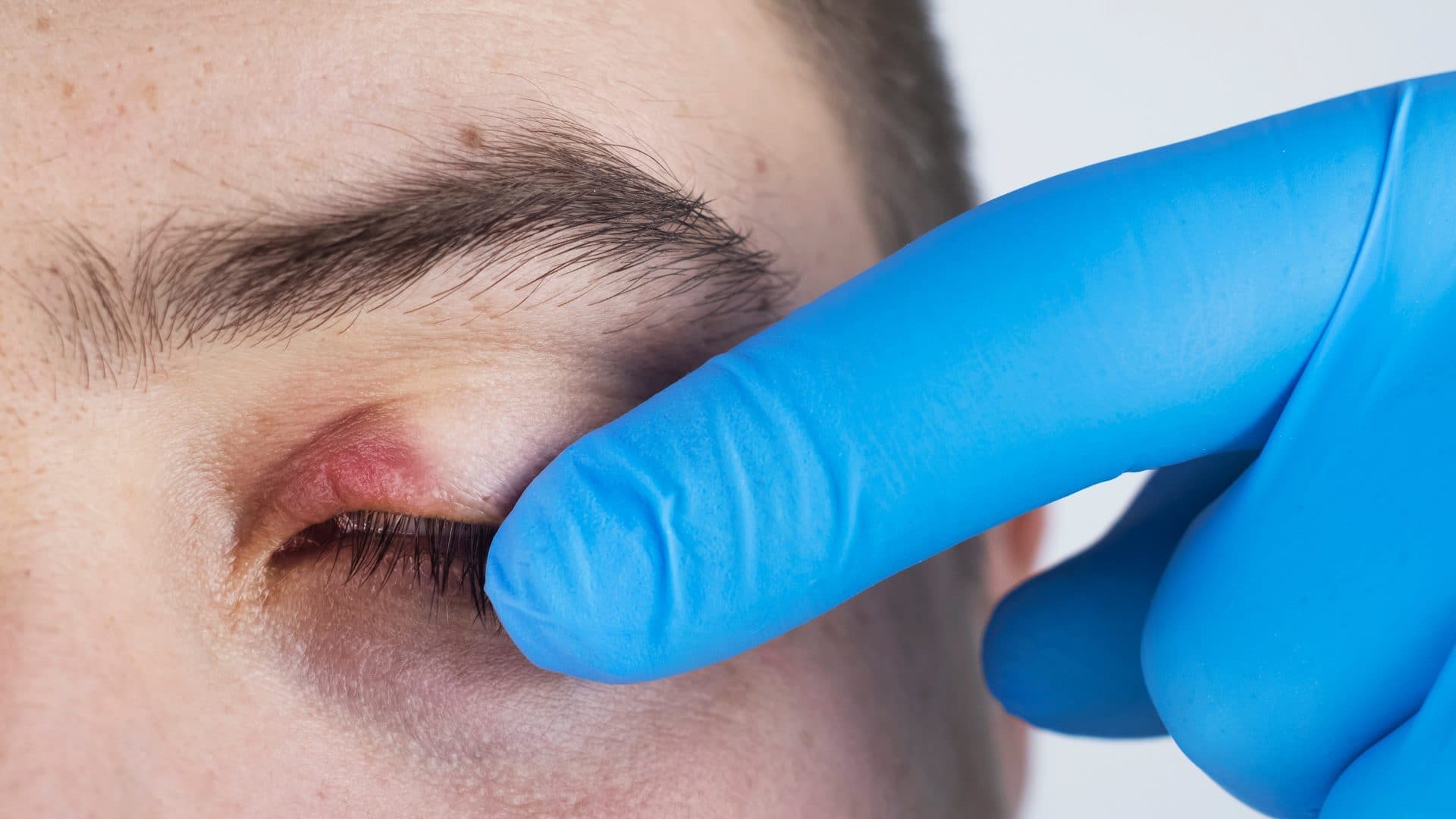
Puffy Eyelid with Red Eye
Sometimes, redness is accompanied by a swollen or puffy eyelid. This combination often points toward eyelid inflammation, infection, or allergy.Common conditions include:
- Blepharitis: Causes thickened, crusty eyelids and redness around lashes.
- Stye (Hordeolum): A painful red bump at the lash line caused by a blocked oil gland infection.
- Chalazion: A firm, painless lump that forms when an oil gland is clogged but not infected.
- Allergic Reaction: Leads to both redness and swelling, along with itching or burning.
- Apply warm compresses 3-4 times daily to soften oil blockages.
- Gently clean eyelid margins with lid wipes or mild cleanser.
- Avoid wearing makeup and contact lenses until the swelling has settled.
- For bacterial causes, antibiotic ointments may be prescribed.
When to Visit an Eye Specialist
Persistent red eyes shouldn’t be ignored. Visit an eye clinic if:- Redness persists beyond a few days
- There’s eye pain or discharge
- You experience vision changes
- The redness follows trauma or chemical exposure
- You use contact lenses and develop dryness or discomfort
Conclusion
Red eyes may look alarming, but understanding the triggers helps you respond correctly. From long screen hours and allergies to infections or underlying inflammation, redness always has a cause. Most cases are simple to treat with compresses, lubrication, or lifestyle changes. However, if your eye redness persists or causes pain, always consult an accredited eye clinic. Professional evaluation through slit-lamp tests, intraocular pressure checks, and tear assessments can reveal hidden issues early. Remember, your eyes reflect your overall health and timely care ensures lasting clarity.Good to know
Frequently asked questions
Still unsure? Our team is glad to talk you through anything before you book.
- Dryness, allergies, screen strain, infections, or environmental irritants such as dust and smoke often cause red eyes. Overwearing contact lenses can also lead to redness and discomfort.
- For mild redness, try cool compresses or preservative-free artificial tears. If redness persists or is accompanied by pain or discharge, it’s best to visit an eye specialist for a proper diagnosis and treatment.
- Yes. Insufficient sleep reduces tear production and increases eye strain, making blood vessels more visible. Regular rest and hydration are key to preventing recurring redness.
- Persistent redness, especially accompanied by pain, blurred vision, or discharge, may indicate an infection or inflammation. Such symptoms require immediate professional evaluation to prevent complications.
- Eye clinics utilise diagnostic tools, such as slit-lamp exams and pressure tests, to determine the cause. Treatments may include lubricating or medicated drops, lid care for blepharitis, and advanced therapies for infections or glaucoma.