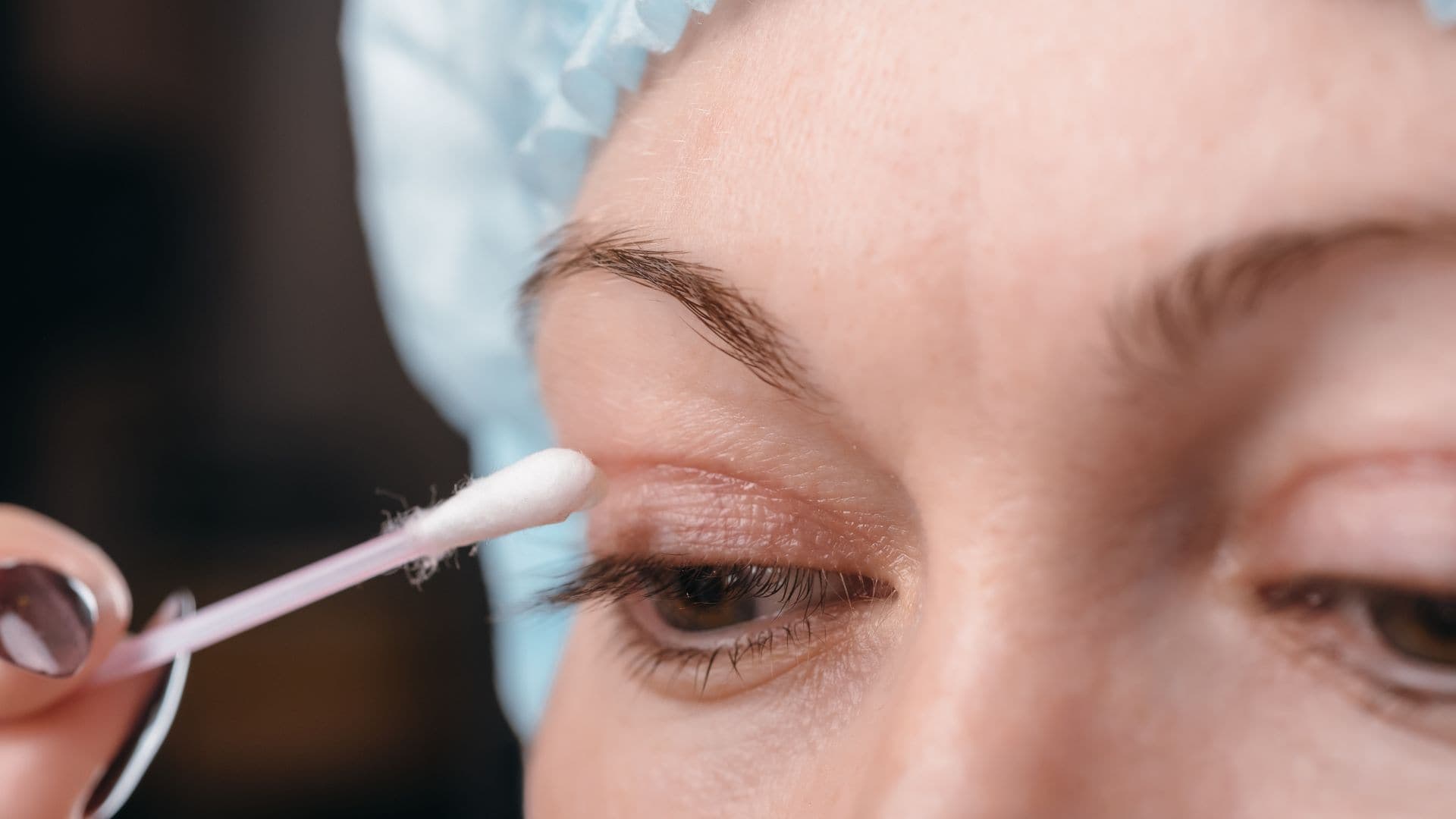
A blepharoplasty is a surgical operation that addresses puffiness, extra skin, and sagging eyelids to improve the look of the upper and lower eyelids & provide a better appearance. On the other hand, a lot of people worry about possible scars.
As with all surgical procedures, concerns about blepharoplasty scars are common, as they are a natural part of the healing process. This process starts immediately after a blepharoplasty, as the body responds to the surgical incisions made during the eyelid operation.
So, if you want to know more about blepharoplasty scars, we've got you covered. With the help of this guide, we'll give you information about blepharoplasty scars, how they heal, and how to manage and lessen their visibility.
What are Blepharoplasty Scars?
Blepharoplasty scars are the marks left behind after eyelid surgery. These scars usually fall in the natural crease of your eyelid, which makes it hard to see when your eyes are open. However, not all scars heal the same way. Sometimes they become hypertrophic or keloid scars, which are bigger or longer scars that are more obvious and may require further care to make them seem better. It’s important to understand that scars are a normal part of any surgery. What makes eyelid surgery different is that the scars are carefully placed to blend in with your natural eyelid fold. This usually makes them very minimal and discreet. The skill of your surgeon and how well you take care of the area after surgery both play a big role in how visible these scars will be.Types of Blepharoplasty Scars: Incision Placement and Techniques
If you're considering eyelid surgery (blepharoplasty), it's helpful to understand the different types of scars that may result and the techniques used to make them less noticeable. The location and method of the incisions during surgery play a key role in how visible these scars will be. For upper blepharoplasty, the surgeon typically makes an incision along the natural crease of the upper eyelid. This strategic placement helps hide the scar when the eye is open. These scars often heal very well and become faint over time, making them almost invisible with proper care. In the case of lower blepharoplasty, the surgeon may place the incision just below the lashes or inside the lower eyelid, depending on the needs of the procedure. Scars on the outside of the lower eyelid are usually well concealed and fade quickly. In fact, within just a few weeks after surgery, these scars can be so subtle that they are hardly noticeable.Types of Scars
- Raised Scars: Raised scars occur when the body produces too much collagen during healing, leading to scars that look bumpy or ridged. These scars can be more noticeable but may improve over time. Treatments are sometimes needed to make them less visible.
- Hyperpigmented Scars: These scars are darker than the surrounding skin due to an overproduction of melanin during the healing process. People with darker skin tones are more likely to experience this type of scar. While they usually fade over time, lightening treatments can help speed up the process.
- Hypertrophic Scars: A specific type of raised scar that stays within the boundaries of the original incision. These scars often start off red or purple but tend to flatten and lighten with proper care over time.
- Keloid Scars: Keloids are more severe raised scars that extend beyond the original incision area. They are thicker, larger, and may feel itchy or even painful. Although keloids are less common on the eyelids, people with a genetic tendency for them may experience them. Treating keloids may require more aggressive options, like steroid injections or surgical removal.
How Long Do Blepharoplasty Scars Take to Heal?
Eyelid surgery, or blepharoplasty, is known for its quick recovery and minimal scarring. Typically, patients have their stitches removed between 5 to 10 days. After this, most are cleared to start wearing makeup, which helps cover up any remaining redness and makes the signs of surgery less noticeable. By the end of the first week, many patients are healing well enough that the surgery is barely visible to others. However, healing times can vary from person to person. Some people may experience a bit more redness after surgery, especially if their skin tends to redden easily. In these cases, the redness might last a little longer, but it can usually be covered up with a concealer, helping to hide any remaining signs of the procedure. Using ice packs during the first few days after surgery can help reduce swelling, which in turn helps minimise the chance of scarring. Everyone’s skin heals differently depending on factors like age, skin type, and genetics. While blepharoplasty scars are usually less noticeable than those from other surgeries, there is still a small risk of scarring. To ensure the best healing and reduce this risk, your surgeon will provide specific aftercare instructions tailored to your needs.Does Blepharoplasty Leave a Permanent Scar
Any time you have surgery, a scar is inevitable, and it will be permanent. However, when it comes to blepharoplasty, many people worry about how noticeable the scars will be. Fortunately, the skin on the eyelids is very resilient and heals so well that the scars fade significantly over time. Even though a faint line may remain, it usually becomes so light that it’s hard to see without looking closely. Modern surgical techniques are designed to keep any scarring minimal, allowing it to blend naturally with the eyelid’s contours and creases.Tips to Minimise Blepharoplasty Scars
Here are some easy ways to minimise blepharoplasty scars: 1. Follow the Post-Operative Care Instructions 2. Avoid Sun Exposure 3. Avoid Smoking and Limit Alcohol Intake 4. Maintain a Healthy Lifestyle 5. Regular Medical Check-ups Let’s explore these in detail.-
Follow the Post-Operative Care Instructions
-
Avoid Sun Exposure
-
Avoid Smoking and Limit Alcohol Intake
-
Maintain a Healthy Lifestyle
-
Regular Medical Check-ups
Why You Should Choose a Experienced Oculoplastic Surgeon?
Not all surgeries on the eyelid are the same. The expertise of the oculoplastic surgeon is crucial in achieving minimal eyelid surgery scars and how well you recover. When looking for a surgeon to perform your blepharoplasty surgery, choose a plastic surgeon who is licensed and certified. A certified surgeon has undergone extensive training and possesses the necessary expertise to minimise scarring. When choosing your plastic surgeon, it is important to select someone who specialises in facial plastic surgery. The certification ensures that the surgeon is highly skilled, trained in advanced facial surgical techniques & can handle any unexpected complications.Now You Know All About Blepharoplasty Scars
The visibility of eyelid scars after blepharoplasty largely depends on your surgeon's skill and expertise. Properly placed incisions are crucial for hiding the scars effectively. Recovery from blepharoplasty usually takes a few days to a few weeks, and it's normal to experience temporary swelling, bruising, and some discomfort after the procedure. Following your surgeon's post-operative instructions is important to ensure smooth healing and avoid complications. While most patients are pleased with their results and have minimal scarring, it's important to remember that some variation in how scars heal is natural. Caring for your blepharoplasty scars is more than just taking out the stitches. Scarring is an inevitable consequence of any surgical treatment; however, it can be reduced with appropriate measures. Scars can be less visible and heal more quickly if certain precautions are taken, like cleaning the area, using prescribed ointments, avoiding physically demanding activities, and wearing sunscreen. Taking good care of yourself, which includes eating a balanced diet, using cosmetics sparingly, and being open with your plastic surgeon, can help you heal quickly and fully, leading to clean, healthy skin and vision. Remember that managing the scarring process after eyelid surgery (blepharoplasty) is essential to getting the best results.Good to know
Frequently asked questions
Still unsure? Our team is glad to talk you through anything before you book.
- It usually takes 3-6 months for the upper eyelid scar to become less visible. Most scars in the eyelid crease are hardly noticeable, but in some cases, they may be pale, thick, or sunken, and might have a different colour.
- Yes, it's normal during the healing process. In the beginning, the scar may appear red and raised or slightly bumpy. Over time and with proper care, these characteristics will gradually improve.
- The final results of the procedure may take several months to become fully visible. Additionally, the long-lasting results of both upper and lower blepharoplasty can last up to 10 years. The wound will take about 2-4 weeks to significantly heal, and the stitches will be removed between 5-10 days.
- You can try massaging vitamin E oils into the scar for a few minutes, three or four times a day. This might help flatten raised scars by reducing collagen buildup. Give it a try and see if it helps.
- Moderate exercise can be good for your overall health and it can also help in the healing process by improving blood circulation. However, it's important to avoid intense activities or exercises that increase blood pressure on your face in the first few weeks after surgery. Doing so could make swelling worse and potentially make the scars look worse.