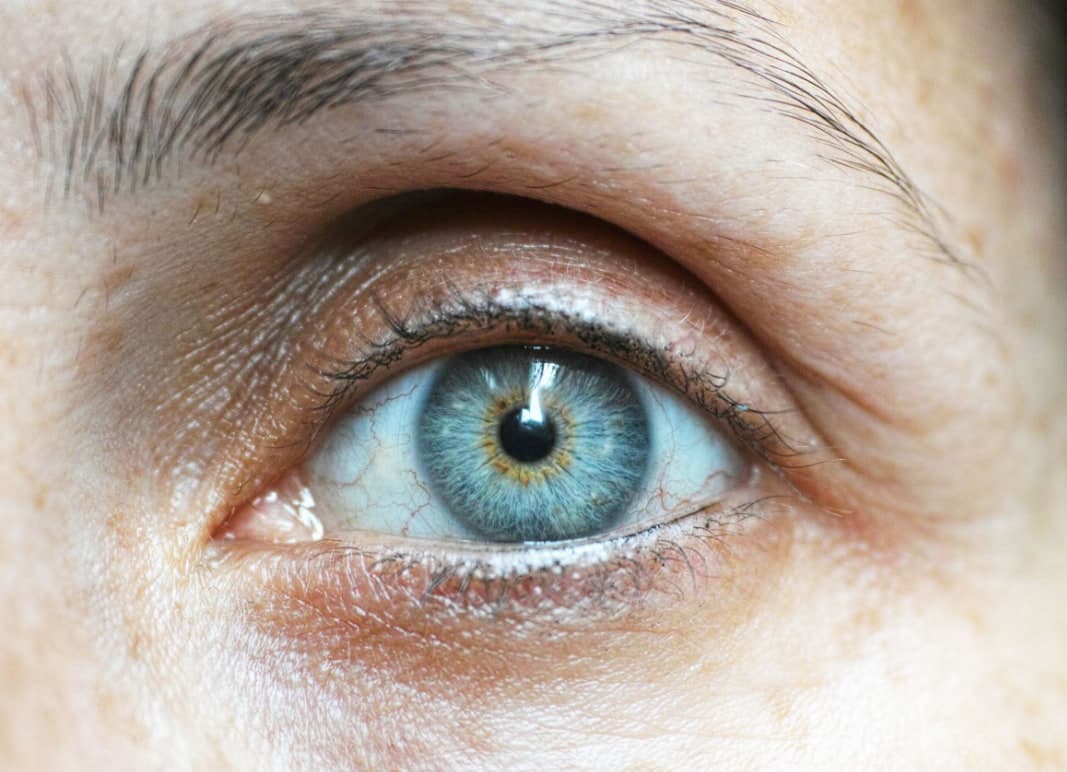
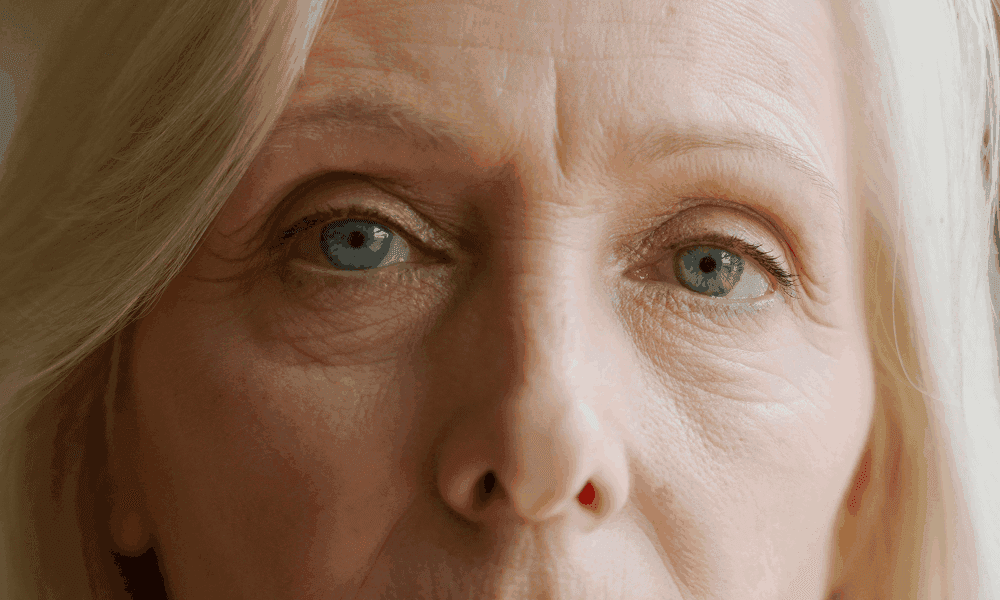
Ageing doesn’t start with wrinkles on the cheeks or lines on the forehead. For most people, it begins around the eyes.
The eye region is among the first sites to show visible and functional differences. Many people notice that their eyes feel tired or that they look tired even after a good night’s sleep. Others deal with dryness, glare and reading small print. These transformations generally sneak up on you; for this reason, many dismiss them as part of life without realising that help exists.
This guide outlines the most common signs of ageing and what they can do to both your appearance and eye health, with advice on when to get professional help.
Why do the eyes age faster than other areas?
The skin around the eyes is more delicate than anywhere else on the face. It has fewer oil glands, collagen, and supporting tissues. Blinking, facial movement, sun exposure, screen use, and sleep habits, according to some experts, wear on the surrounding skin over time. In the eye itself, the lens, tear production, and the muscles that assist in focusing are also influenced by ageing. That’s why ageing eyes don’t just look different; they also feel and function differently.1. Droopy upper eyelids and heavy-looking eyes
Falling of the upper lids is one of the most obvious signs of ageing eyes. This is due to the loss of skin elasticity and the weakening of the muscles that raise the eyelid over time. A question I often hear: Do my eyes look smaller (or less open) in photos? Others sense a certain physical heaviness by the end of the day. In moderate to severe cases, excess lid skin can limit peripheral vision, particularly when reading or driving.2. Under-eye bags that appear more often or last longer
Those under-eye bags aren’t always linked to how well you slept, and some people of all ages put up with them no matter how much rest they get. As you age, the tissue that supports the fat under your eyes weakens, allowing the fat to move forward. Meanwhile, you become increasingly bloated. This combination causes puffiness to occur more frequently and makes it take longer to subside. Some bloating that used to go away within a few hours in the morning could last all day.3. Dark circles that are harder to conceal
Dark circles are one of the most misinterpreted symptoms of ageing eyes. They are rarely just pigmentation. They can be attributed to skin thinning, loss of volume, or shadowing due to changes in under-eye anatomy. Blood vessels become more visible as the skin gets thinner. Depressions under the eyes also cast shadows that aren’t properly concealed by cosmetics.4. Fine lines and crepey skin texture
Wrinkles around the eye develop sooner than elsewhere because the skin is never at rest. A firmer, tighter dermis results in fewer creases forming in the fabric of your skin.*powWoW means what most other websites do too: Over time, collagen and elastin break down, leaving you with a crinkled or crepey texture. This condition is usually further exacerbated by sun exposure, dehydration and smoking. But unlike deeper wrinkles elsewhere, these lines are more closely linked to skin quality than to muscle motion alone.5. Dry, gritty, or irritated eyes
One of the most common age-related eye complaints is dryness, but many people don’t consider it an issue related to ageing. Over the years, tears diminish, and the quality of those tears changes naturally. This may cause burning, itching, redness, or the feeling of something in your eyes - particularly when you are using a screen or working in an air-conditioned environment. Ironically, dry eyes can also lead to watery eyes as the eye overcompensates.6. Watery eyes and tear overflow
Watery eyes are often blamed on allergies, but the tear drainage system can be disrupted as you age. Tears may also not drain normally, so they stay in the eye all the time. Simultaneously, dryness-induced irritation may cause reflex tearing. This is the pair that explains why many older people have both dry and watery eyes .7. Increased sensitivity to light and glare
Sensitivity to bright lights, especially at night, is a frequent complaint among people with ageing eyes. Headlights, screens, and overhead lighting may feel harsher than before. This change is linked tothe ageing of the eye’s lens, which becomes less flexible and more prone to scattering light. It can make night driving uncomfortable and increase eye strain.8. Difficulty reading or focusing on close objects
Needing to hold reading material further away is a classic sign of ageing. The eye’s ability to focus up close declines with time as the lens stiffens. This change usually appears gradually and often leads people to increase screen brightness or lighting before realising their eyes need assessment.9. Blurred or fluctuating vision
Blurred vision that comes and goes can be linked to dryness, focusing fatigue, or early lens changes. Many people adapt by blinking more or rubbing their eyes, which can make symptoms worse. Persistent blur should never be ignored, as it can also signal underlying eye health issues that are easier to manage when caught early.10. Floaters appearing more frequently
Floaters appear as small dots, threads, or shadows drifting across vision. They become more common with age as the gel inside the eye changes consistency. Occasional floaters are normal. However, a sudden increase, especially when accompanied by flashes of light, requires urgent attention.Top Treatments for Signs of Ageing Eyes
These are the five best treatments that doctors and nurses typically use to treat visible and functional ageing around the eyes.1. Upper and Lower Eyelid Surgery (Blepharoplasty)
Blepharoplasty is not quite like laser treatment or other options available for ageing eyes; first, it is a one-on-one treatment; second, the procedure may not be necessary if there are no other fat deposits on the body.What it treats
Here’s a closer look at when upper eyelid surgery comes into play and what it can accomplish. What Is Upper Eyelid Surgery? Upper eyelid surgery targets excessive, drooping skin that can cause eyes to appear tired or lead to vision problems. Lower Eyelid Surgery: Lower eyelid surgery is designed to reduce under-eye bags and the loose skin that makes you look older.Why do patients choose it?
Results are permanent and address the structure, not superficial aspects. They find that not only do they enjoy a cosmetic improvement, but they also experience better vision with much less discomfort.2. Non-Surgical Skin Tightening Around the Eyes
Patients with new-onset average laxity would typically undergo non-invasive tightening treatments before considering surgery.What it treats
Lax, crepey skin around the eyes; slight drooping of the upper lids and fine lines from loss of collagen.How it works
These treatments encourage the body to produce its own collagen naturally, so firmness improves over several months without cutting or stitches.3. Under-Eye Rejuvenation Treatments
Hollowing and dark circles are two of the most annoying signs of ageing around your eyes, and creams just can't cut it.What it treats
Loss of volume, shadowing, and tired-looking under-eyes, which can age or make you look aged.Why assessment matters
There’s not one type of dark circle. Some are hollowing, while others are due to thinning of the skin or pigmentation, which is why treatment needs to be given so thoughtfully.4. Medical Treatments for Dry and Irritated Ageing Eyes
Dryness is the most under-treated eye problem as we get older, but it can have a big impact on how you feel and look.What it treats
Sensation of burning or scratchy, watery eyes; redness and irritation resulting from insufficient quality or quantity of tears.Why does treatment help appearance, too?
When your eyes are less inflamed and overall more hydrated, redness decreases, puffiness dissipates, and the eye area looks fresher.5. Laser Resurfacing and Energy-Based Skin Tightening Around the Eyes
Changes in skin texture commonly cause the eye area to look older, even if eyelids aren't very droopy.What it treats
Fine lines, crepey skin, uneven texture and sun damage around the eyes.How does it improve the ageing eye?
These treatments, by thickening and improving the quality of skin, will allow the under-eye area to reflect light better and reduce that tired, aged look.Choosing the Right Treatment for Ageing Eyes
The treatment is not the most important step to take, but the assessment of when and how you have been affected by racism in the past probably is. Two people with nearly identical-appearing complaints may actually require entirely different strategies based on skin quality, eye health, muscle function and lifestyle choices. A good consultation will make certain that treatment complements the looks and comfort of the eye.Conclusion
The signs of aging eyes develop gradually and can affect both how your eyes look and how they feel. While some changes are a normal part of ageing, others may impact comfort, confidence, or vision. The right assessment helps identify what’s happening and which treatment or care approach is most suitable, rather than relying on guesswork.Good to know
Frequently asked questions
Still unsure? Our team is glad to talk you through anything before you book.
- Most people notice early changes in their late 30s or 40s, such as dryness, fine lines, or heavier eyelids. Lifestyle and genetics can make these changes appear sooner or later.
- No. Many changes are common and manageable, but sudden vision loss, flashes, or pain should always be checked by a professional.
- Yes, non-surgical options can improve skin quality, firmness, and under-eye appearance in mild to moderate cases when chosen correctly.
- Eyelid surgery is considered when excess skin or under-eye bags affect appearance, comfort, or vision and cannot be managed with non-surgical treatments.
- Yes, dryness and watery eyes are very common as tear quality changes with age and often benefit from proper medical care.