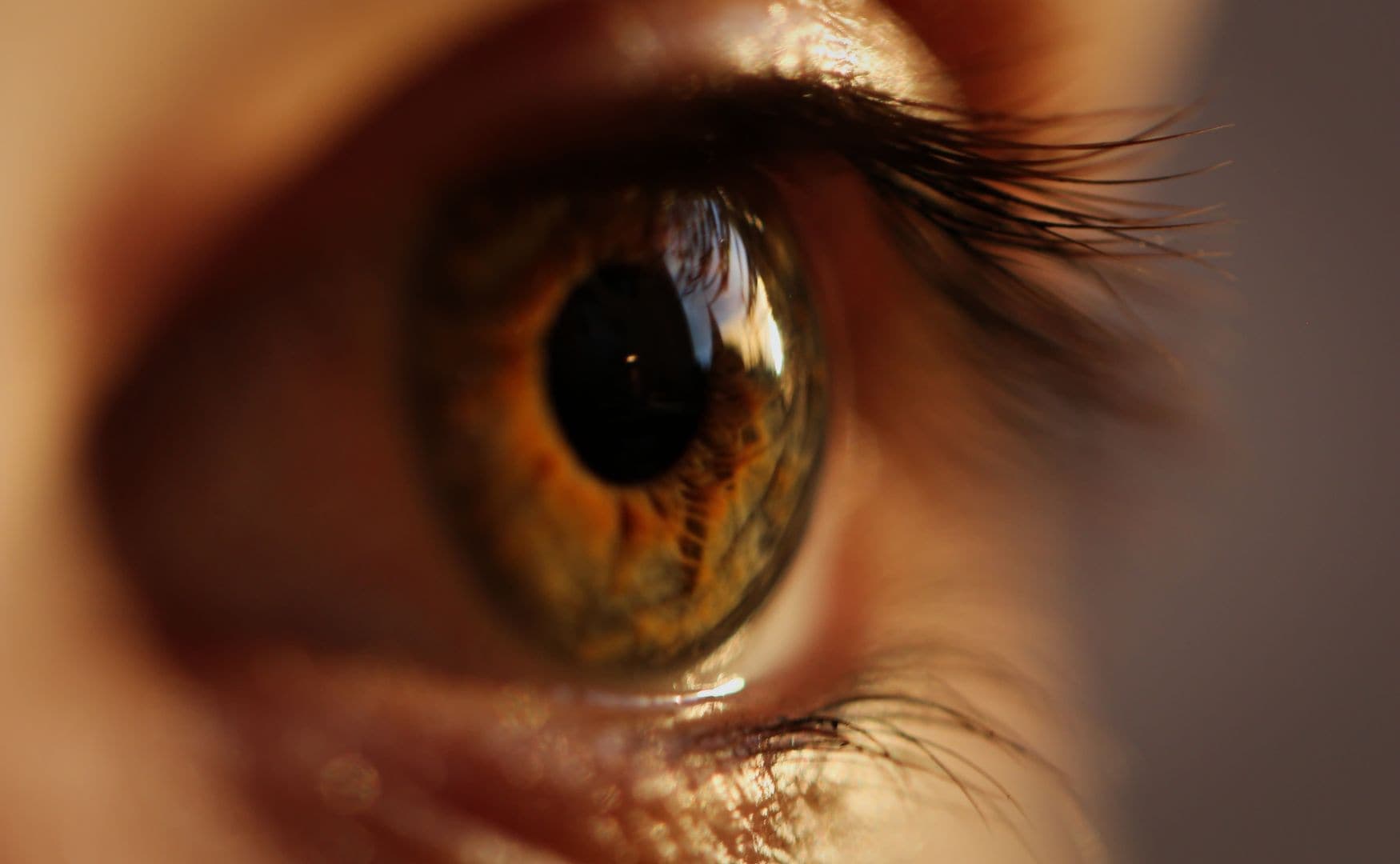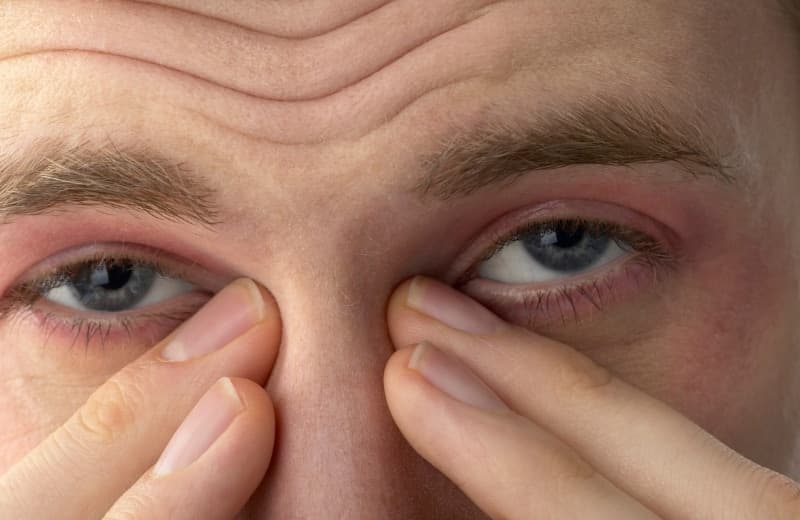
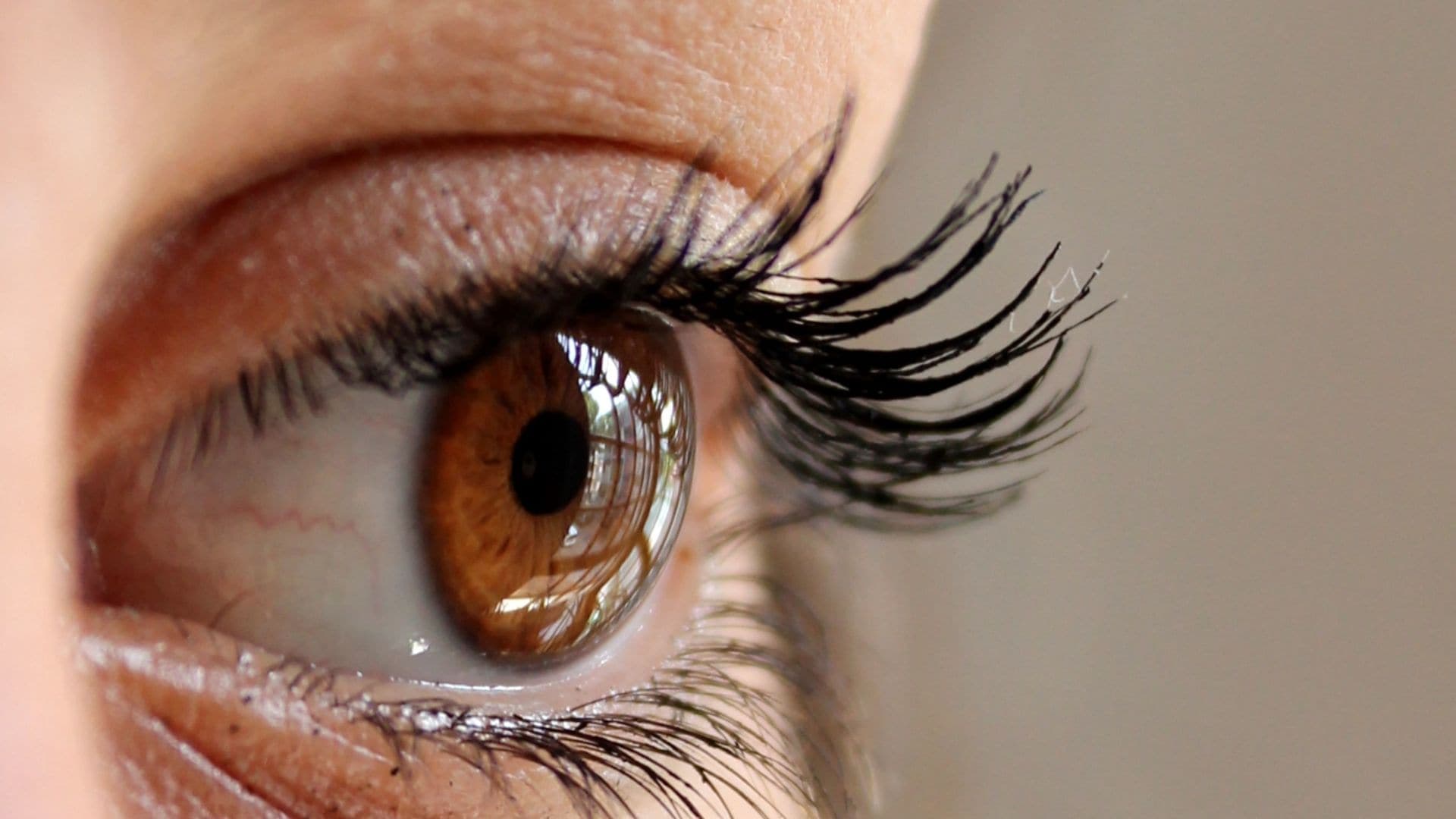
The medical term for watery eyes is "epiphora." Having watery eyes is a frequent issue that usually gets better on its own, but you might need help if it starts to interfere with your daily activities.
It's common for your eyes to water when you're in smoky places or outside in cold or windy conditions. If you have an eye injury or something like an eyelash or a tiny piece of dirt in your eye, that can also cause watering.
Here, we will explain how to stop watery eyes and how to prevent them from occurring.
How to Stop Teary Eyes at Home?
If your watery eyes are mild and not due to a serious condition, simple home remedies may help relieve the problem. Here are the best 4 home remedies on how to stop teary eyes.- Warm compress
- Reduce screen time
- Protect your eyes from irritants
- Keep your eyelids clean
1. Warm Compress
Sometimes, your eyes can water a lot because of blockages caused by too much oil. When this happens, your eyes try to make more tears to fix the issue. Using a warm compress can help clear these blockages and also ease any pain or irritation in your eyes.- Soak a clean cloth in warm water.
- Place it over closed eyes for 5-10 minutes.
- Repeat twice daily.
2. Reduce Screen Time
Staring at a screen for too long can make your eyes dry and tired. This can trigger excessive tearing as your eyes try to compensate for the dryness. To avoid this, follow the 20-20-20 rule: Every 20 minutes, look at something 20 feet away for at least 20 seconds. This small habit helps your eyes relax and stay moisturised, reducing strain and unnecessary tearing.3. Protect Your Eyes from Irritants
Dust, wind, bright sunlight, and pollution can all make your eyes watery as a natural protective response. Wearing sunglasses while you're outside can help block these irritants and keep your eyes comfortable. If you work in an environment with a lot of dust, smoke, or chemicals, consider using protective eyewear to prevent irritation.4. Keep Your Eyelids Clean
Sometimes, a condition called blepharitis (inflammation of the eyelids) can cause watery eyes. Keeping your eyelids clean can help prevent irritation. Use a clean cotton pad or soft cloth with warm water and a drop of baby shampoo to gently wipe your eyelids. Doing this regularly can remove any oil buildup, bacteria, or debris that may be causing discomfort and excessive tearing.Medical Treatments for Watery Eyes
If home remedies don’t work, medical treatments can help based on the cause of your watery eyes. Here are some common options:1. Use Antihistamines
If your watery eyes are caused by allergies (like pollen, pet dander, or dust), antihistamines can help. These medications reduce your body's allergic reaction and prevent excessive tearing. You can find antihistamines in the form of pills, nasal sprays, or eye drops. If you often experience allergy-related eye watering, using antihistamine eye drops might be a quick and effective solution.2. Gels and Ointments
If your eyes water because they are too dry, using lubricating gels or ointments can provide relief. Thicker gels or ointments can provide long-lasting moisture, especially at night. These are useful if you experience severe dryness or wake up with uncomfortable, watery eyes.3. Antibiotic Eye Drops for Infections
If your watery eyes are caused by an infection, such as bacterial conjunctivitis (pink eye), your doctor may prescribe antibiotic eye drops. These help clear up the infection and reduce symptoms like redness, swelling, and excessive tearing. It’s important to use them as directed to prevent the infection from worsening or spreading.4. Minor Surgery for Eyelid Problems or Blocked Tear Ducts
If your watery eyes are due to a blocked tear duct or an eyelid condition (such as ectropion or entropion), a small surgical procedure may be needed. The surgery can help open up the tear ducts so your tears drain properly or fix the position of your eyelids to prevent irritation. This is usually a simple and effective solution for long-term relief.Preventions for Watery Eyes
While some causes of watery eyes are unavoidable, you can take simple steps to prevent excessive tearing:- Avoid rubbing your eyes - This can worsen irritation and introduce bacteria.
- Use a humidifier - It helps maintain moisture in dry environments.
- Wear protective eyewear - Protect your eyes from wind, dust, and bright lights.
- Choose the right eye makeup - Avoid products that irritate your eyes.
- Get regular eye checkups - Early detection of eye conditions can prevent complications.
When to See a Doctor?
You should consult an eye doctor if:- Your eyes are continuously watering, interfering with your daily activities.
- Your eyelid is either turning inward or sagging away from your eye.
- You notice any lumps or swellings near your eyes that haven't improved with treatment from a doctor.
Now You Know How to Stop Watery Eyes
Watery eyes can be annoying, but they are usually manageable with simple remedies and preventive measures. Understanding the cause of excessive tearing is key to finding the right solution. If the issue persists or worsens, seeking medical advice is essential to rule out any serious conditions.Good to know
Frequently asked questions
Still unsure? Our team is glad to talk you through anything before you book.
- You can try gently massaging your eyes and using a warm compress a few times a day. This might help reduce irritation and clear any blockages. Plus, warm compresses can ease any pain or discomfort you might feel from your watery eyes.
- Sometimes, your tear glands produce too many tears, especially if your eyes are dry. Watery eyes can also happen due to irritation from small particles in the eye, allergies, or viral infections.
- Watery eyes can sometimes mean you have vision issues. However, they might also be due to allergies, dry eyes, or even thyroid problems. If your eyes are watering a lot, it’s a good idea to see your eye doctor or primary care provider.
- Yes, stress and fatigue can contribute to watery eyes. Lack of sleep, prolonged screen time, and eye strain can also dry out the eyes and trigger excessive tear production.
- It depends on the cause. If dry eyes are the issue, lubricating eye drops can help. If allergies are causing excessive tearing, antihistamine eye drops may be more effective. Consult a doctor for the right solution.