Have you started noticing that your eyes look more sunken or hollow than they used to? Perhaps you look tired even after a good night's sleep, or you have noticed a deeper shadow beneath your eyes when you look in the mirror.
Hollow or sunken eyes are often associated with ageing, but they can also affect people in their 20s and 30s. Genetics, facial structure, weight loss, dehydration and lifestyle factors can all play a part.
For some people, hollow eyes are simply part of their natural facial structure. For others, the appearance may have developed or become more noticeable over time.
At The Perfect Eyes Clinic, Dr Sabrina Shah-Desai assesses the underlying cause of hollow eyes to recommend the most suitable treatment. There are several ways to improve the appearance of hollow eyes. In this guide, we explain the common causes, what you may notice, when you should seek medical advice and the treatment options available.
What Are Hollow Eyes?
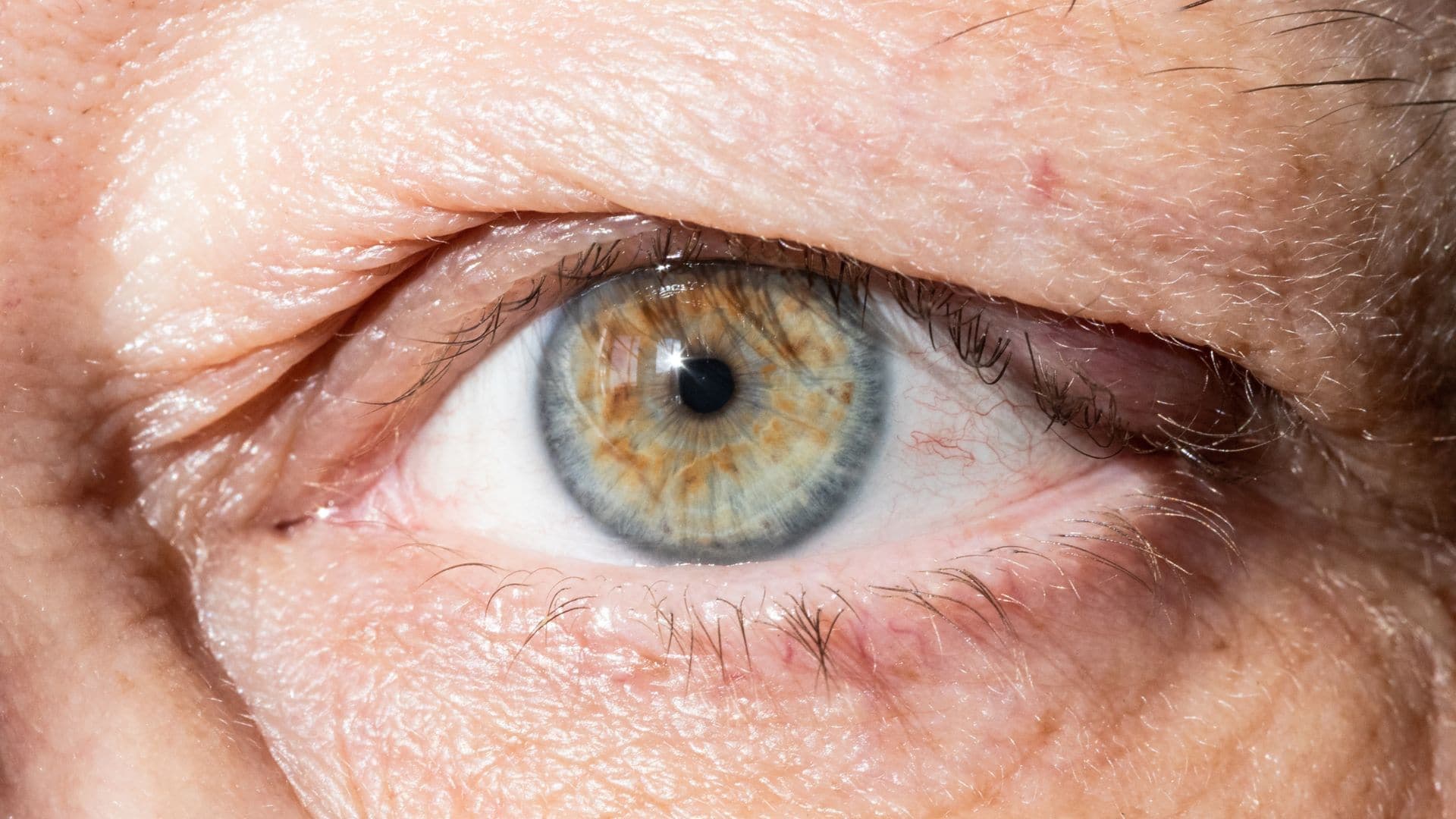
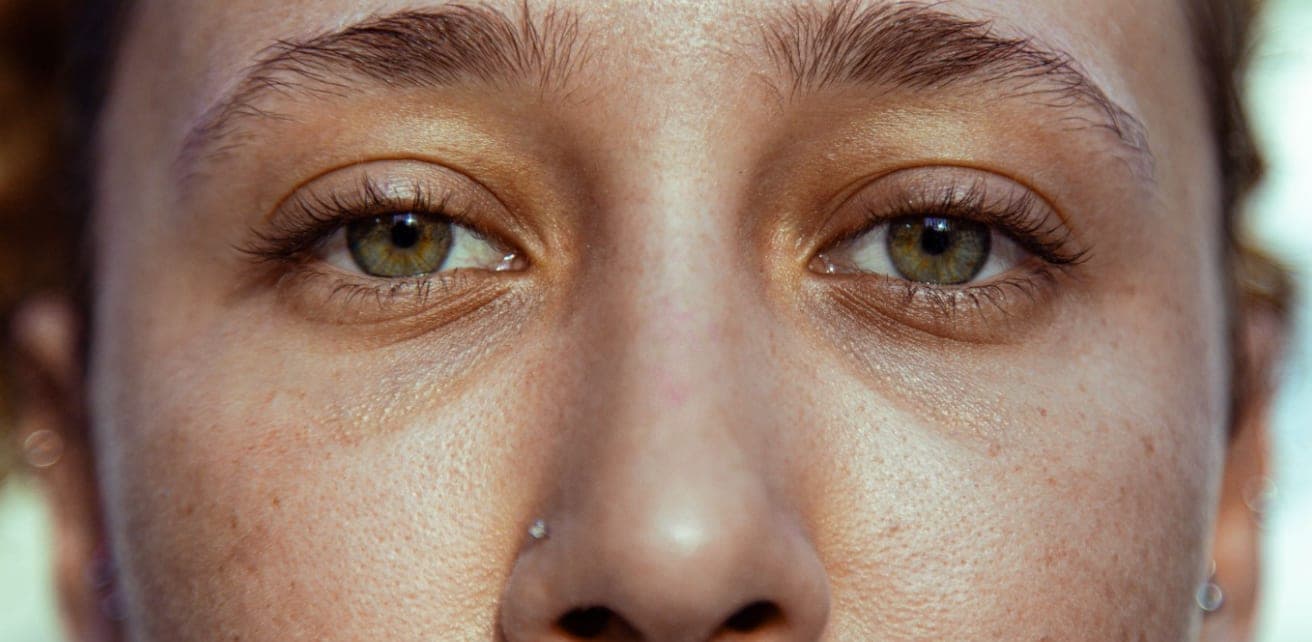
Hollow eyes describe a sunken or indented appearance around the eyes. The hollowing can be seen beneath the eyes, around the tear trough, or above the upper eyelid in the area known as the superior sulcus.
The appearance is often caused by reduced volume or a particular facial structure, which can create a deeper contour around the eye. This can make shadows more noticeable and give the eyes a tired or aged appearance.
It is important to distinguish between under-eye hollows and true sunken eyes, where the eyeball itself sits further back within the eye socket. True sunken eyes, known medically as enophthalmos, can have different causes and may require medical assessment.
Hollowing can affect one or both eyes. It may also be more noticeable under certain lighting because the indentation creates a shadow beneath the eye.
What Causes Hollow Eyes in Your 20s and 30s?
There is no single cause of hollow eyes. Some people are naturally more prone to under-eye hollowing because of their genetics and facial anatomy, while others notice a change following weight loss, dehydration or changes in skin quality.
Here is a quick overview of the common causes and what you may notice:
| Possible cause | How it develops | What you may notice |
|---|---|---|
| Genetics and facial structure | Often present from a young age | Naturally deep-set or hollow-looking eyes |
| Weight loss | May develop after significant or rapid weight loss | Reduced facial volume and more visible hollows |
| Dehydration | Can appear during periods of low fluid intake or illness | Dry, tired-looking skin and more noticeable hollows |
| Loss of collagen | Develops gradually over time | Thinner skin and more visible shadows |
| Sun exposure | Builds up gradually over time | Thinner, less elastic skin around the eyes |
| Lifestyle factors | Develop gradually and can accentuate existing hollows | Eyes may look more tired or sunken |
| Age-related volume changes | Usually becomes more noticeable with time | Increased hollowing around the eyes |
| Medical causes or trauma | Can develop suddenly or affect one eye | New or uneven sunken appearance, sometimes with other symptoms |
Causes of Hollow Eyes Explained
Genetics and Facial Structure
For some people, hollow eyes are simply part of their natural facial structure.
The shape of your eye socket, cheekbones and the amount and distribution of fat around your eyes can all influence how deep-set your eyes appear.
If other members of your family have naturally deep-set eyes or noticeable tear troughs, you may have inherited a similar facial structure.
This type of hollowing can be present from a young age and does not necessarily mean that anything is wrong.
Significant or Rapid Weight Loss
A noticeable change in facial volume can occur after significant weight loss.
Fat is naturally distributed throughout the face, including around the eyes. When you lose a significant amount of weight, the reduction in facial fat can make the areas around the eyes look more hollow.
This can sometimes happen after a major lifestyle change or rapid weight loss. The effect can be particularly noticeable in people who already have naturally deep-set eyes.
If your weight loss has been sudden or unexplained, however, it is important to speak to your GP to establish the cause.

Dehydration
Dehydration can make the skin look duller, drier and less plump, which may make existing hollows around the eyes more noticeable.
Sunken eyes can also be a sign of dehydration, particularly when accompanied by symptoms such as increased thirst, dry mouth, dizziness or passing less urine.
If dehydration is responsible for the change, restoring your fluid intake may improve the appearance.
Loss of Collagen
Although significant collagen loss is more commonly associated with ageing, collagen production gradually changes over time.
Collagen helps provide structure and firmness to the skin. As skin quality changes, the delicate area around the eyes can become thinner, and hollows or shadows may become more noticeable.
This does not mean that someone in their 20s or 30s is experiencing premature ageing. Your genetics, sun exposure and lifestyle can all influence how early changes in skin quality become visible.
Sun Exposure
The skin around the eyes is particularly delicate, and repeated exposure to ultraviolet (UV) radiation can contribute to collagen breakdown and changes in skin elasticity.
Over time, this can make the skin around the eyes appear thinner and can make existing hollows and shadows more noticeable.
Protecting the area around your eyes with sunscreen and sunglasses can help reduce further sun-related damage.
Lifestyle Factors
Lifestyle factors do not necessarily create hollow eyes on their own, but they can make an existing concern more noticeable.
Poor sleep, dehydration, smoking, stress and excessive alcohol intake can all affect how the skin around your eyes looks.
If you are already prone to under-eye hollows, periods of poor sleep or dehydration may make your eyes look particularly tired or sunken.
Improving sleep, staying hydrated, eating a balanced diet and avoiding smoking can help support healthier-looking skin.
Age-Related Changes
Ageing is one of the recognised causes of hollowing around the eyes. However, it is not the only cause, and younger people can have naturally hollow eyes too.
As we age, changes in facial fat, skin quality and the tissues surrounding the eyes can alter the contours of the eye area.
This can make the tear trough or upper eyelid hollow more noticeable over time. Perfect Eyes Clinic also notes that structural hollows can be inherited or become more noticeable following changes such as significant weight loss.
Medical Causes or Previous Trauma
Sometimes, a sunken appearance is not simply an aesthetic concern.
True enophthalmos can occur following trauma or fractures around the eye socket. It can also be associated with changes affecting the eye socket, its contents or, less commonly, certain medical conditions.
A new or sudden change, particularly if it affects only one eye, should therefore be assessed rather than assumed to be normal hollowing.
Warning Signs: When Should You Seek Help?
Most under-eye hollows are not a medical emergency. However, there are certain changes that should be checked by a doctor or eye specialist.
| What you notice | What you should do |
|---|---|
| Hollow or sunken appearance that has been present for years | Book a consultation if you are concerned about its appearance |
| Hollowness that has gradually become more noticeable | Consider a specialist assessment to understand the cause |
| Sudden change in the appearance of one eye | Arrange a prompt medical assessment |
| Sunken appearance following an injury around the eye | Seek medical attention promptly |
| Hollow eye with double vision or difficulty focusing | Arrange an urgent eye assessment |
| Hollowing with a change in vision | Seek medical advice promptly |
| Hollowing accompanied by significant, unexplained weight loss | Speak to your GP |
| Sunken-looking eyes with significant dehydration symptoms | Rehydrate and seek medical advice if symptoms are severe or persistent |
| Eye pain, swelling or other new eye symptoms alongside the hollowing | Arrange a medical assessment |
The important distinction is whether you are noticing a long-standing facial feature or a new change in the position or appearance of the eye.
If you are unsure which it is, an assessment with an appropriate eye specialist can help establish whether you are seeing normal facial hollowing or something that needs further investigation.
Hollow Eyes Treatment: What Are Your Options?
The right hollow eyes treatment depends on what is causing the hollow appearance and whether the concern is mainly related to volume, skin quality, dehydration or your natural facial structure.
There is no single treatment that is suitable for everyone. A consultation allows a specialist to assess the anatomy around your eyes and recommend the most appropriate approach.
Lifestyle Changes
If lifestyle factors are making your eyes look more tired or hollow, addressing these can be a useful first step.
Getting enough quality sleep, maintaining a balanced diet and drinking enough fluids can support healthier-looking skin. Limiting excessive alcohol and caffeine intake may also help if dehydration is contributing to the appearance.
Protecting the delicate skin around your eyes from the sun is another important step. Wearing sunglasses and using appropriate sunscreen can help protect against UV-related skin damage.
If you smoke, stopping can also help protect your skin from further loss of elasticity.
These changes are particularly useful when tiredness, dehydration or lifestyle factors are making an existing hollow appearance more noticeable. They are less likely to significantly change hollows caused by your natural facial structure or a loss of volume.
Tear Trough and Superior Sulcus Dermal Fillers
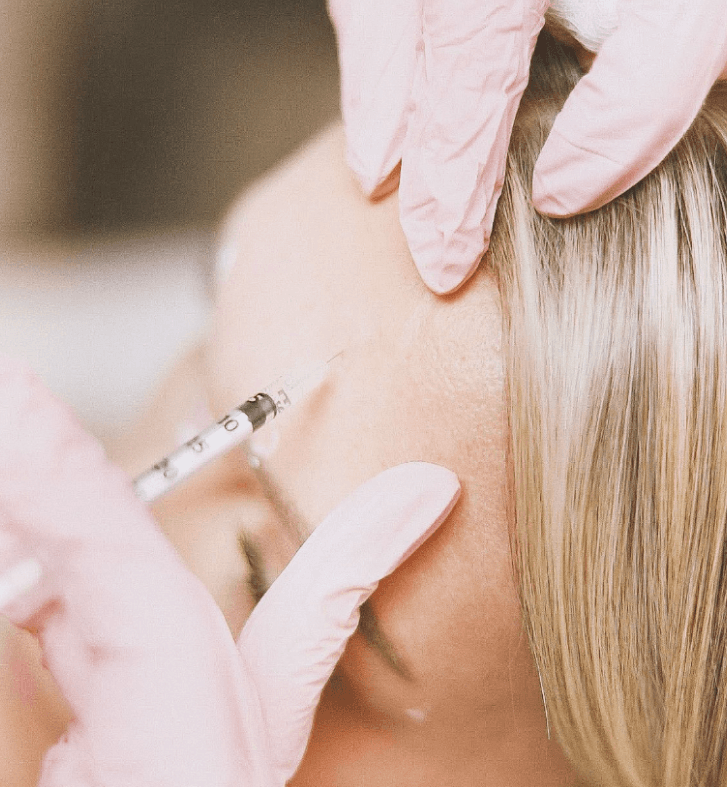
For hollowing caused by a lack of volume beneath or around the eyes, dermal fillers may be considered.
Tear trough fillers are designed to restore volume to the groove that runs from the inner corner of the eye towards the cheek. Superior sulcus fillers can be used to address hollowing above the upper eyelid.
The aim is to restore volume and soften the shadows created by the hollow, rather than simply adding fullness.
Perfect Eyes Clinic's existing guidance describes hyaluronic acid-based fillers as one option for improving hollow or sunken areas around the eyes.
However, the skin and tissues around the eyes are delicate, and filler is not suitable for everyone. This is an area where assessment and treatment by an appropriately qualified and experienced specialist are particularly important.
Polynucleotides
Polynucleotides are another non-surgical option that focuses more on skin quality than simply replacing lost volume.
They are injected into the skin and are intended to support tissue repair, cell renewal, collagen production and hydration. This may help improve the quality and appearance of the delicate skin around the eyes.
Perfect Eyes Clinic's existing sunken-eyes guidance includes polynucleotide injections as a treatment option. The clinic notes that mild swelling or bruising can occur following treatment.
Polynucleotides may be considered when the concern involves thin or poor-quality skin alongside hollowing. They are not a direct replacement for significant volume loss, so a specialist assessment is important.
Platelet-Rich Plasma (PRP)
Platelet-rich plasma, or PRP, uses a small amount of your own blood. The plasma containing a concentration of platelets is prepared and injected into the area beneath the eyes.
PRP is used with the aim of supporting collagen production, improving skin quality and reducing the appearance of hollowness.
It is a minimally invasive option and may be considered where improving the quality of the skin is part of the treatment goal.
As with other treatments around the eyes, suitability depends on the individual and the underlying cause of the hollowing.
Skincare and Eye Serums
If your main concern is thin, dry or tired-looking skin rather than a significant loss of volume, skincare may help improve the overall appearance of the eye area.
Products containing ingredients such as antioxidants and caffeine can support the appearance of the skin and may help with puffiness and discolouration.
However, skincare cannot replace lost facial volume. If the hollowing is caused by your natural anatomy or a reduction in fat beneath the eyes, a cream or serum is unlikely to completely fill the hollow.
The existing Perfect Eyes Clinic guidance also recommends gentle skincare products for the delicate under-eye area and highlights its Dark Circle Corrector System for concerns involving hollowness and dark circles.
When and Where Should You Seek Help?
Knowing where to start can be confusing, particularly when hollow eyes have appeared at a relatively young age.
If your hollow eyes have always looked this way
If you have had naturally deep-set or hollow eyes since your teens or early 20s and there have been no recent changes, this is likely to be related to your facial structure and genetics.
If you are concerned about the appearance, you can arrange a consultation with an Oculoplastic Surgeon or appropriately qualified eye specialist to discuss your options.
If the hollowing has developed gradually
Gradual changes may be related to weight loss, changes in skin quality, lifestyle factors or natural changes in facial volume.
A specialist assessment can help determine which factor is contributing and whether lifestyle measures, skincare or an aesthetic treatment may be appropriate.
If the change has happened suddenly
A sudden change in the appearance or position of one eye should not simply be treated as a cosmetic concern.
Arrange a prompt medical assessment, particularly if the change is accompanied by pain, double vision, difficulty focusing, facial asymmetry or changes in your vision.
If it followed an injury
If your eye looks more sunken following an injury to your face or around the eye, seek medical attention. Trauma can affect the bones and tissues surrounding the eye and may require further assessment or imaging.
If you have unexplained weight loss
Significant or unexplained weight loss can change facial volume and make the eyes look more hollow. If you have lost weight without intending to, speak to your GP to investigate the underlying cause.
If you are considering treatment
If the hollowing is primarily an aesthetic concern, an Oculoplastic Surgeon or specialist with specific experience in the anatomy around the eyes can assess your individual features.
At Perfect Eyes Clinic, consultations can help establish whether the hollowing is related to the tear trough, superior sulcus, skin quality or another underlying factor before discussing treatment options.
Conclusion
Hollow eyes are not just a sign of ageing. If you are in your 20s or 30s, genetics, facial structure, weight loss, dehydration, lifestyle and changes in skin quality can all make the area around your eyes look more sunken.
The first step is understanding why your eyes look hollow. For some people, it is simply their natural anatomy. For others, addressing dehydration, weight loss or lifestyle factors may make a noticeable difference.
Where the concern is related to volume or skin quality, treatments such as tear trough or superior sulcus fillers, polynucleotides and PRP may be considered.
If the change is sudden, affects only one eye or is accompanied by other symptoms, it is important to seek medical advice rather than assuming it is purely cosmetic.
If you are concerned about hollow eyes and would like to understand what is causing them, a consultation with an experienced Oculoplastic Surgeon can help you understand your options and what approach is likely to give you the most natural result.
Frequently asked questions
Still unsure? Our team is glad to talk you through anything before you book.
- Yes. Hollow eyes are not limited to older adults. Genetics and facial structure can make the eyes appear naturally deep-set or hollow from a young age. Significant weight loss, dehydration, lifestyle factors and changes in skin quality can also make hollowing more noticeable in your 20s and 30s.
- The common causes of hollow eyes include genetics, facial structure, significant weight loss, dehydration, changes in collagen and skin quality, sun exposure and lifestyle factors. In some cases, a sunken appearance can also be associated with trauma or conditions affecting the eye socket, particularly when the change is new or affects only one eye.
- Lack of sleep can make the eyes look more tired and can make existing hollows and dark circles more noticeable. However, it is unlikely to be the only reason for a permanent hollow appearance. Genetics, facial structure and changes in volume are often more important factors.
- Yes. Dehydration can make the skin look drier and less plump and may make the eyes appear more sunken. If dehydration is responsible, restoring your fluid intake should help. If you have significant or persistent symptoms of dehydration, seek medical advice.
- Yes. Significant weight loss can reduce facial fat and make areas around the eyes appear more hollow. This can be particularly noticeable if you already have naturally deep-set eyes or tear troughs. Rapid or unexplained weight loss should be discussed with your GP.
- There is no single treatment that is best for everyone. If the hollowing is caused by volume loss, tear trough or superior sulcus fillers may be considered. If skin quality is the main concern, treatments such as polynucleotides or PRP may be appropriate. Lifestyle changes and skincare can also help when dehydration, tiredness or skin quality are contributing to the appearance. The most appropriate treatment depends on the cause, your facial anatomy and what you want to achieve.
- Not always. If hollow eyes are part of your natural facial structure, treatment may improve their appearance rather than completely change the underlying anatomy. Where hollowing is caused by dehydration, significant weight loss or another reversible factor, addressing the underlying cause may improve the appearance. A specialist consultation can help set realistic expectations about what treatment can achieve.
- No. Tear trough fillers are not suitable for every person with under-eye hollows. The anatomy of the area, the amount of volume loss, skin quality and the presence of puffiness or bags all need to be considered. An experienced specialist should assess the area before recommending treatment.
- They can look similar, but they are not the same thing. Hollow eyes are primarily related to the shape or volume around the eye and can create shadows beneath the eyes. Dark circles can be caused by pigmentation, visible blood vessels, thin skin, genetics or shadows from hollowing. It is also possible to have both hollow eyes and dark circles at the same time. In these cases, treating the hollow alone may not completely address the darkness.
- A sudden change affecting one eye should be assessed, particularly if it is accompanied by double vision, pain, difficulty focusing, vision changes or facial asymmetry. True enophthalmos can have causes that require medical investigation, including trauma and changes affecting the eye socket.