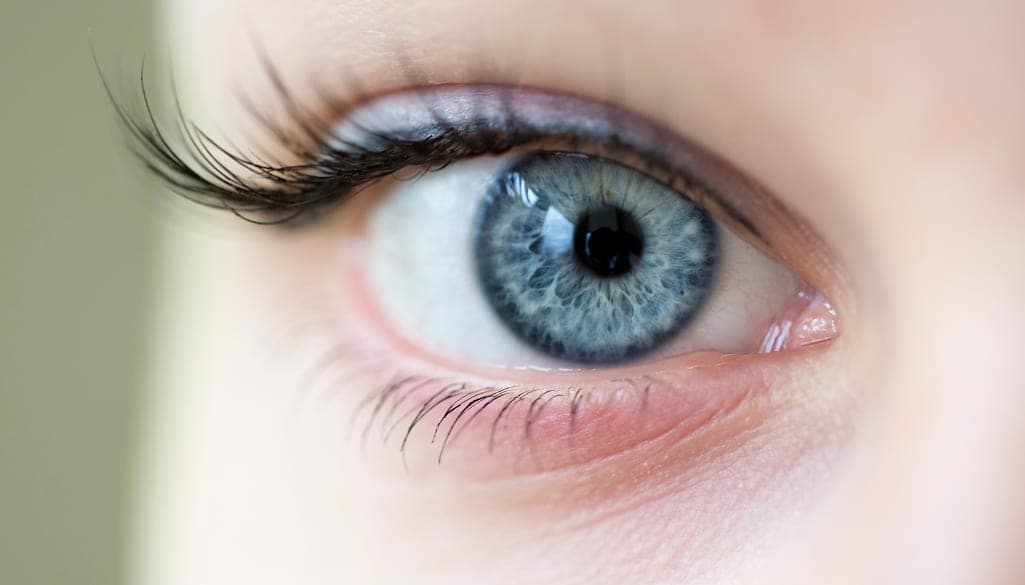
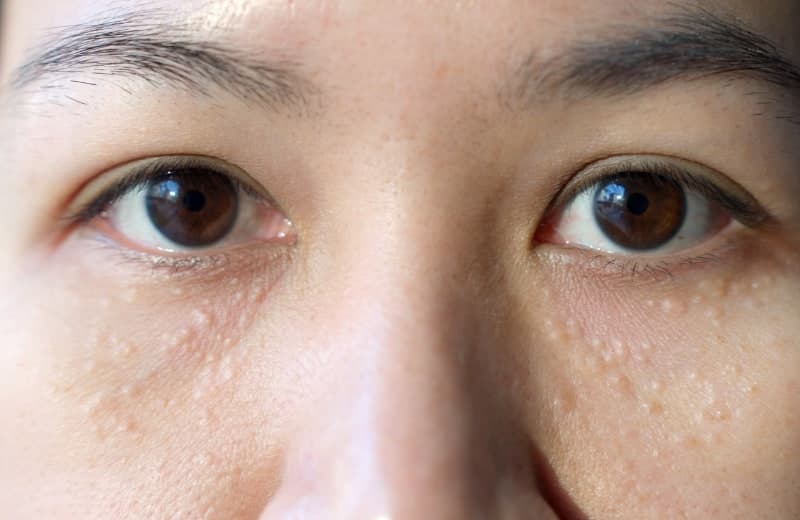
Milia, or white spots under the eyes, are also known as milk spots. They are tiny, hard little bumps that appear just under the skin. Milia are harmless, but many people find them unsightly, especially because they appear on the delicate skin around the eyes. These little bumps are made of keratin, a natural protein in your skin, hair, and nails, which becomes trapped under the skin instead of shedding naturally.
In this guide, we’ll explain what causes milia, the different types you might see, and the best professional ways to get rid of them safely, so your under-eye area stays smooth and healthy.
What Are White Spots Under Eyes?
The small white bumps under your eyes are usually milia, also known as “milk spots.” They are tiny, little pockets of skin filled with a protein called keratin, a natural part of your skin, hair, and nails. Milia are most common under the eyes, but they can also appear on eyelids, cheeks, nose, and sometimes other parts of the face. Milia don’t cause pain or any other health problems, but they may not be pleasing aesthetically. It’s easy to confuse milia with whiteheads or acne, but there’s a difference. Clogged pores cause whiteheads and sometimes inflammation, whereas milia are caused by trapped keratin under the skin. This means trying to pop them like a pimple won’t work and can even cause scarring.What Causes Little White Spots Around the Eyes?
There are several common causes of milia under the eyes, and understanding them can help prevent them in the future.01. Trapped Dead Skin Cells
Your skin naturally sheds old cells to make way for new ones. Sometimes, dead skin cells get trapped under the surface, forming a tiny hard bump. That bump is what we call milia.02. Sun Damage to the Skin
Too much sun can thicken and damage the skin, making it easier for keratin to get stuck and form white bumps. Wearing sunscreen every day can help protect your skin.03. Heavy or Oily Skincare Products
Using thick creams or oils near your eyes can block the skin’s natural exfoliation, increasing the risk of milia. Stick to lightweight, non-greasy products around the eye area, as it also helps prevent itchy watery eyes.04. Skin Trauma or Cosmetic Procedures
Milia can appear after burns, rashes, or laser treatments. Any minor injury to the skin can sometimes lead to these little cysts.05. Medications or Genetics
Sometimes long-term use of steroid creams can cause milia. Rarely, some people are just more prone to them because of genetics.06. Other Possible Causes
- Styes: Red, painful bumps caused by infections.
- Xanthelasma: Yellow-white deposits around the eyes that could be linked to high cholesterol.
What are the Types of Milia?
Not all milia are the same. They can appear at different ages and in different ways. Here’s a simple way to understand the main types:01. Neonatal Milia
These are the tiny white bumps you often see on newborn babies’ faces, usually around the nose or eyes. They are very common and usually disappear on their own after a few weeks.02. Primary Milia
These are the regular little white bumps that can appear on your eyelids, under your eyes, cheeks, or forehead. They happen in both kids and adults and are harmless.03. Secondary (or Traumatic) Milia
Sometimes milia appear after your skin has been injured, like after a burn, rash, or cosmetic treatment such as a laser. Your skin sometimes forms these bumps as it heals.04. Juvenile Milia
Some kids or teens may get milia that are linked to inherited conditions. They might show up at birth or later in childhood.05. Milia en Plaque
This is a rare type that usually affects women between 40 and 60. The milia group together in patches on the eyelid, cheek, or behind the ear.06. Multiple Eruptive Milia
Another rare form where several milia appear in clusters over a few weeks or months, often on the face, upper arms, or chest. Knowing the type of milia can help you understand how long they might last and which treatment works best.Is Milia Under Eyes Harmful?
Most white spots under your eyes aren’t dangerous at all. In fact, they usually don’t hurt, itch, or cause any health problems. For most people, they’re just a cosmetic concern, meaning they only affect how your skin looks.How to Get Rid of Milia Under Eyes: Clinic Treatments
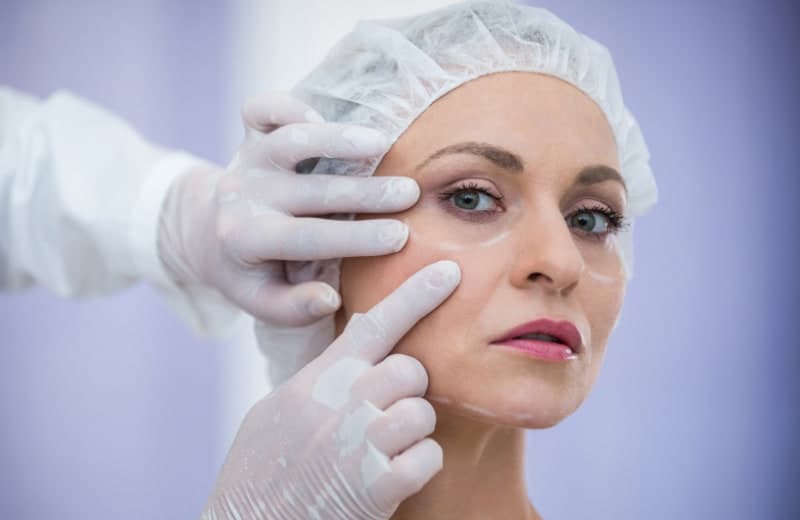
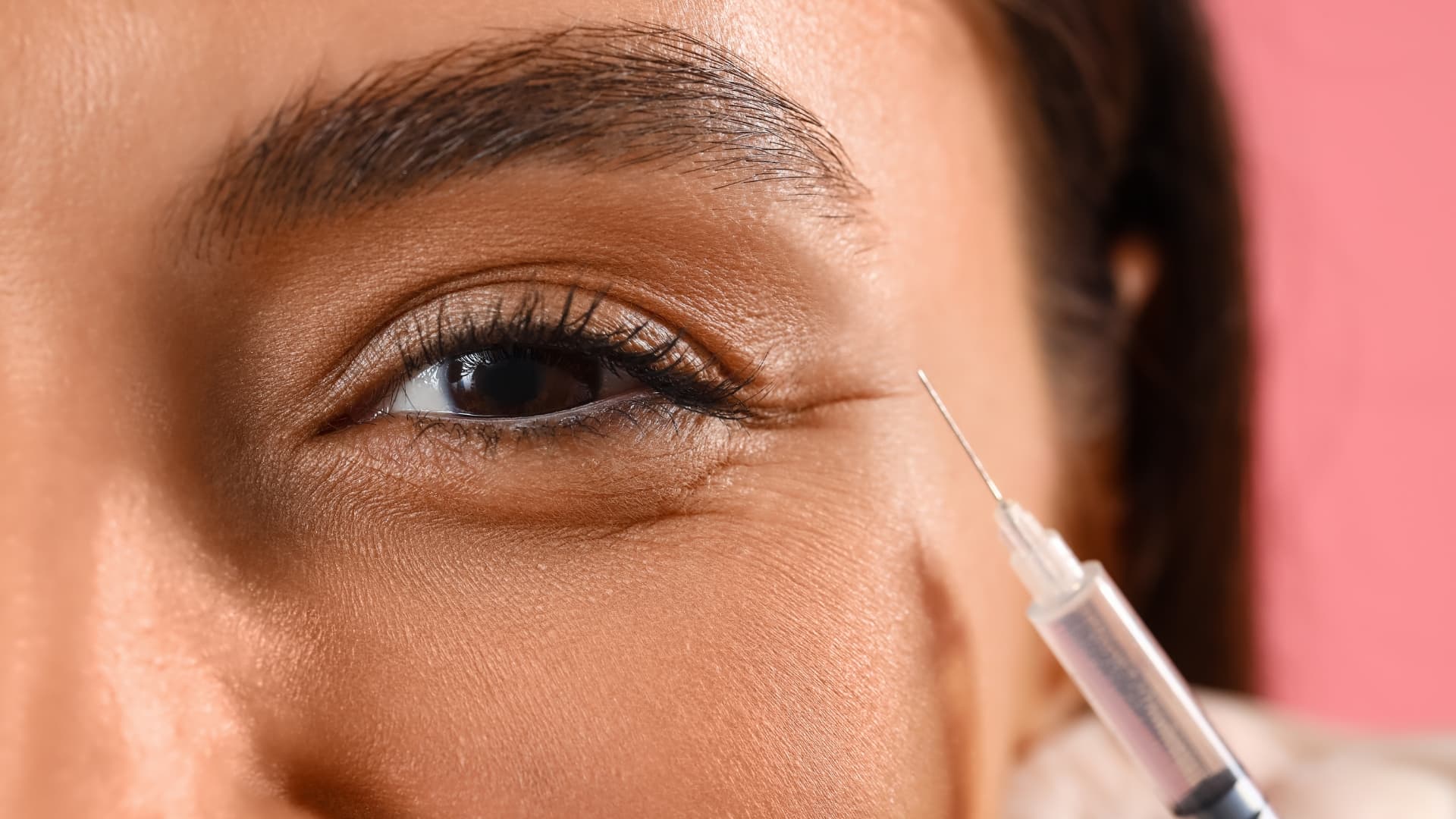
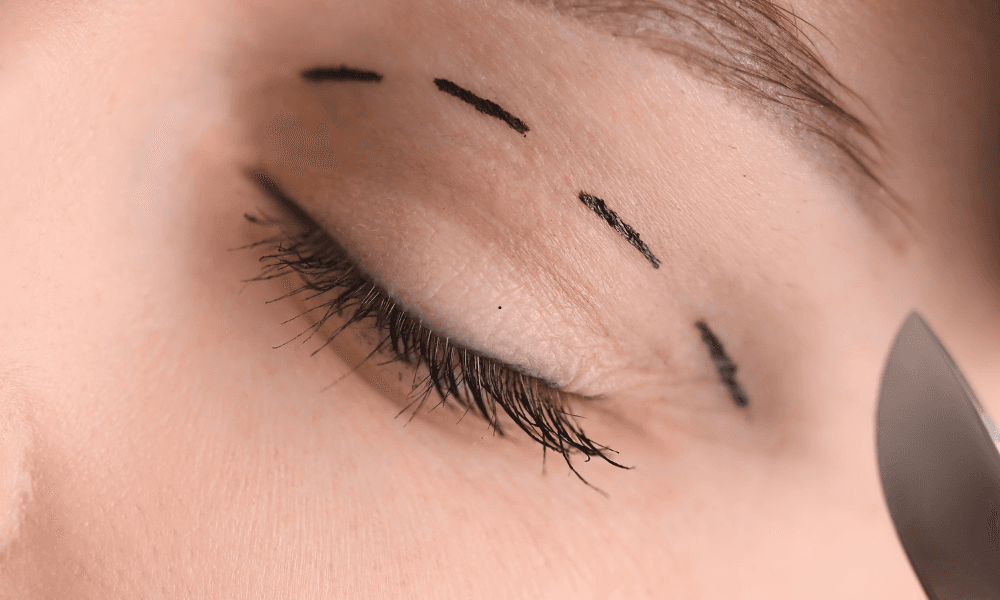
So, how do you get rid of milia around the eyes? If milia under your eyes don’t go away on their own or bother you, a trained dermatologist or eye doctor can safely remove them. Here are the main professional options:01. Manual Extraction (Deroofing)
- The doctor uses a sterile needle or tiny blade to gently open the milia and remove the trapped keratin.
- The procedure is quick, usually pain-free, and gives immediate results.
- You may notice slight redness that goes away in a few hours.
02. Cryotherapy
- The bumps are frozen with liquid nitrogen to remove them.
- Cryotherapy treatment is safe and effective for stubborn milia, but may need more than one session.
03. Laser Ablation
- A small laser is used to precisely open and remove the cysts.
- It works really well for delicate areas like under the eyes and minimises the risk of scarring.
04. Thermocoagulation/Hyfrecator
- Thermocoagulation treatment uses tiny electrical pulses to safely remove milia.
- It is gentle on the skin with minimal downtime, but it must be done by a trained professional.
05. Topical Retinoid Creams
- For adults, a doctor may prescribe retinoid creams that help the skin shed dead cells faster.
- As these are non-invasive, the results take time, and they should be used carefully around the eyes.
How to Remove Milia Naturally & Prevent Them from Coming Back?
While professional treatments are the safest and fastest way to get rid of milia, there are a few gentle steps you can take at home to help prevent them or reduce their appearance.01. Don’t Pick or Squeeze
It’s very tempting, but never try to pop milia yourself. The skin under your eyes is delicate, and picking can cause infection, irritation, or permanent scarring.02. Gentle Exfoliation
Use a soft exfoliating product 2-3 times a week to help your skin shed dead cells naturally. Avoid harsh scrubs, which can irritate the thin skin around your eyes.03. Light, Non-Oily Skincare
Choose lightweight, non-greasy creams or serums for the under-eye area. Heavy or oily products can trap keratin and make milia worse.04. Keep Skin Clean
Cleanse your face every night to remove makeup, dirt, and sweat. This prevents buildup that can contribute to milia formation.05. Protect from Sun Damage
The sun can thicken and damage the skin, making milia more likely. Use daily sunscreen and avoid prolonged sun exposure.06. Patience
Some milia, especially in newborns or children, disappear on their own over time. Adults may need a few weeks or months, but gentle care can support natural healing.When To Talk To a Doctor
Most white spots under your eyes are harmless and don’t need medical attention. But there are times when it’s a good idea to see a doctor or dermatologist:- Spots don’t go away after a few months or seem to be getting worse.
- The bumps are red, swollen, painful, or itchy, which could mean an infection or another skin condition.
- You’re unsure what the spots are, and want a proper diagnosis.
- You want professional removal for cosmetic reasons and to avoid scarring.
- Other health concerns, such as yellow-white deposits (xanthelasma), may be linked to high cholesterol.
Always Remember: Don’t try to pop or remove the bumps yourself; the skin under your eyes is delicate, and DIY removal can cause infections or permanent scarring.
Bottom Line on Getting Rid of Milia Under Eyes
White spots under the eyes, or milia, are usually harmless and often disappear on their own. Gentle care at home, like using light skincare, protecting your skin from the sun, and avoiding picking at the bumps, can help prevent them or reduce their appearance. However, every person’s skin is different. Some milia may persist or appear in clusters, and not every home remedy works for everyone. That’s why it’s always best to book a consultation with a trained dermatologist or eye specialist. Getting the right advice early can protect your delicate under-eye skin and give you smoother, healthier-looking skin without risk.Good to know
Frequently asked questions
Still unsure? Our team is glad to talk you through anything before you book.
- No, milia are not caused by any vitamin or mineral deficiency. They happen when dead skin or keratin gets trapped under the skin’s surface.
- You may notice milia suddenly due to sun damage, heavy skincare products, or changes in your skin’s natural shedding. Sometimes, they just appear without a clear reason.
- No, poor hygiene doesn’t cause milia. Even people with clean, healthy skin can get them. They’re related more to trapped dead cells than to dirt or bacteria.
- There’s no direct link between food and milia. But eating too many oily or processed foods may make your skin more prone to clogged pores, so a balanced diet is always best.