Ever looked in the mirror after a few years and thought, "Wait, are my eyes a little different?" It's a common moment that leads people to wonder, "Can eye colour change with age?" or "Can your eye colour change as you get older?" The short answer is yes, it happens more often than you might think, especially as time goes on and our bodies shift in subtle ways.
This isn't just some random quirk; it's tied to biology, environment, and sometimes health. We'll break it down step by step, covering everything from baby blues to adult surprises, so you know what's normal and when to pay attention.
How Eye Colour Is Determined?
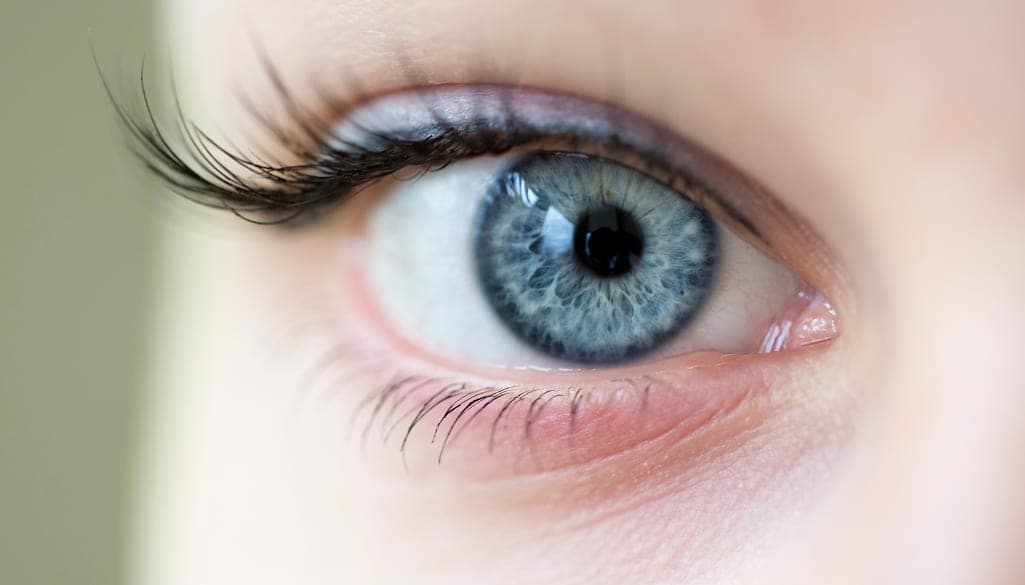
Eye colour mainly comes from melanin in the iris, which is the coloured ring around your pupil. Genetics play the biggest part, with genes like OCA2 and HERC2 deciding how much melanin your iris produces; more means darker eyes, less means lighter ones. Melanin levels in the front layer of the iris, called the stroma, set the base tone. Brown eyes have lots there, while blue eyes have little, relying on light scattering for their hue. Light scattering adds the final touch. In lighter eyes, rays scatter through the stroma like light in the sky, creating blue or green hues through Rayleigh scattering.Eye Colour Changes in Babies and Children
Most babies are born with blue or grey eyes because melanin production hasn't kicked in yet. Their irises start light and darken as pigment builds up in the first year or so. Eye colour usually stabilises by age one to three, though some children see changes up to six or seven. That's when the can eyes change colour most noticeably, going from blue to green or brown. After childhood, big shifts are rare, but some notice minor variations in the teens. Can eye colour keep changing after childhood? For most, no; subtle ones tied to growth do occur.Can Eye Colour Change with Age in Adults?
Yes, eye colour can change with age for some adults, often getting lighter over decades. Approximately 10-15% report this, typically due to slow melanin loss or a shift in the iris. Ageing eye structures, such as the iris stroma, thin out, scattering light differently and making colours appear faded. Can your eye colour change as you get older? It happens gradually, not overnight. Environmental factors, such as excessive sun exposure, break down melanin, just as tanning and ageing skin do.Common Reasons Behind Eye Colour Change
- Ageing thins the iris and reduces the number of pigment-containing cells, leading to lighter tones. Eye colour change is more pronounced in hazel or green eyes, turning greyish.
- Melanin levels naturally dip over time, especially after 50. This redistribution makes eyes appear washed out, a common sign of ageing.
- Factors such as lighting, pupil size, and even mood may affect how colour appears daily. Clothing or surroundings can make blue eyes pop greener on some days.
What Causes Eye Colour to Change in Adults
- Medical conditions hit the iris hard. Fuchs heterochromic iridocyclitis causes one eye to lighten from inflammation and atrophy.
- Eye injuries or trauma damage pigment cells, leading to patches or full shifts. A scratch or blow can scatter melanin unevenly.
- Inflammatory disorders such as uveitis or pigment dispersion release iris melanin, darkening the front but lightening the overall colour in spots.
Why Do My Eyes Change Colour from Blue to Green
Light strikes the iris at angles, mixing blue scattering with yellow lipochrome in the stroma to produce green flashes. Why do my eyes change colour from blue to green? Often, it's just the play of reflection. Tiny pigment shifts happen with age or hormones, adding warmth to blue bases. It's common in lighter eyes, where small changes stand out. Blue eyes show green more because low melanin allows light to pass through freely, without the heavy brown pigment that blocks it. Indoor lighting versus sunlight amplifies this.Medical Conditions Linked to Eye Colour Change
Although uncommon, certain medical conditions can cause changes in eye colour and should never be ignored.Fuchs Heterochromic Iridocyclitis
This rare condition causes chronic inflammation in the eye and may lead to one eye becoming lighter over time. It often develops slowly and may not cause pain initially, which is why changes in eye colour are sometimes the first visible sign.Pigmentary Glaucoma
Pigmentary glaucoma occurs when pigment flakes off the iris and blocks fluid drainage in the eye. This can lead to increased eye pressure and changes in iris appearance. Early detection is crucial to prevent vision loss.Heterochromia (One Eye Changing Colour)
Heterochromia refers to a difference in colour between the two eyes or changes within a single iris. While some people are born with it, sudden development in adulthood may indicate injury, inflammation, or other eye conditions that require evaluation.Medications and Eye Colour Changes
Some medications can affect eye pigmentation, either temporarily or permanently.Eye Drops That Affect Pigmentation
Certain prescription eye drops, especially those used for glaucoma, can increase melanin production in the iris. Over time, this may cause lighter eyes to darken. This type of eye colour change is usually gradual and permanent.Long-Term Medication Effects
Long-term use of specific medications may alter how pigment behaves in the eye. These changes are typically slow and may go unnoticed until years later, especially if the medication is used daily.Temporary vs Permanent Changes
Some medication-related changes fade once treatment stops, while others remain permanent. An eye specialist can explain whether a specific medication is likely to cause lasting changes and help weigh the risks and benefits.When to See an Eye Specialist
Knowing when to seek professional advice can protect both your eye health and vision.Warning Signs to Watch For
Sudden colour changes, uneven eye colour, discomfort, or visual disturbances are key warning signs. Even if the change seems mild, it’s always better to have it checked rather than ignore it.Final Thoughts
So, can eye colour change with age? Yes, but usually in subtle, gradual ways. For most people, changes are linked to natural ageing, light reflection, or small shifts in melanin. However, sudden or uneven changes may signal medical issues that shouldn’t be ignored. Understanding that your eye colour can change as you get older helps you stay aware of what’s normal and when to seek help. If you ever feel unsure, a simple eye check-up can give clarity and reassurance.Good to know
Frequently asked questions
Still unsure? Our team is glad to talk you through anything before you book.
- Yes, mild changes can occur due to ageing, melanin shifts, and structural changes in the eye.
- Sudden changes are uncommon and may indicate injury, inflammation, or medical conditions.
- This often happens due to light reflection and minor pigment changes, especially in blue eyes.
- Ageing, medications, medical conditions, and eye trauma are the most common causes.
- Some changes are permanent, especially those caused by medications or medical conditions.