Yes, blepharoplasty is safe for most people. A good, well-trained surgeon makes it safer still. The surgery works well, and most patients are glad they had it. It is still an operation, though, so there is always some risk. Much of that comes down to your health, the surgeon you pick, and how well you look after your eyes once it is done.
Most people heal well, with no serious problems, and serious complications are rare. This guide explains the risks, the type of anaesthetic, the recovery, and how to make sure your blepharoplasty is as safe as possible.
Key Takeaways
- Blepharoplasty is generally safe in expert hands, and serious problems are rare.
- Common side effects, such as bruising, swelling and dry eyes, are mild and settle within a couple of weeks.
- Surgeons most often use a local anaesthetic with sedation. A general anaesthetic suits longer or combined operations.
- Vision loss is extremely rare. Most vision changes are temporary and clear within days.
- A CQC-registered clinic and a GMC-registered surgeon with eyelid expertise lower your risk.
Is Blepharoplasty a Major Operation?
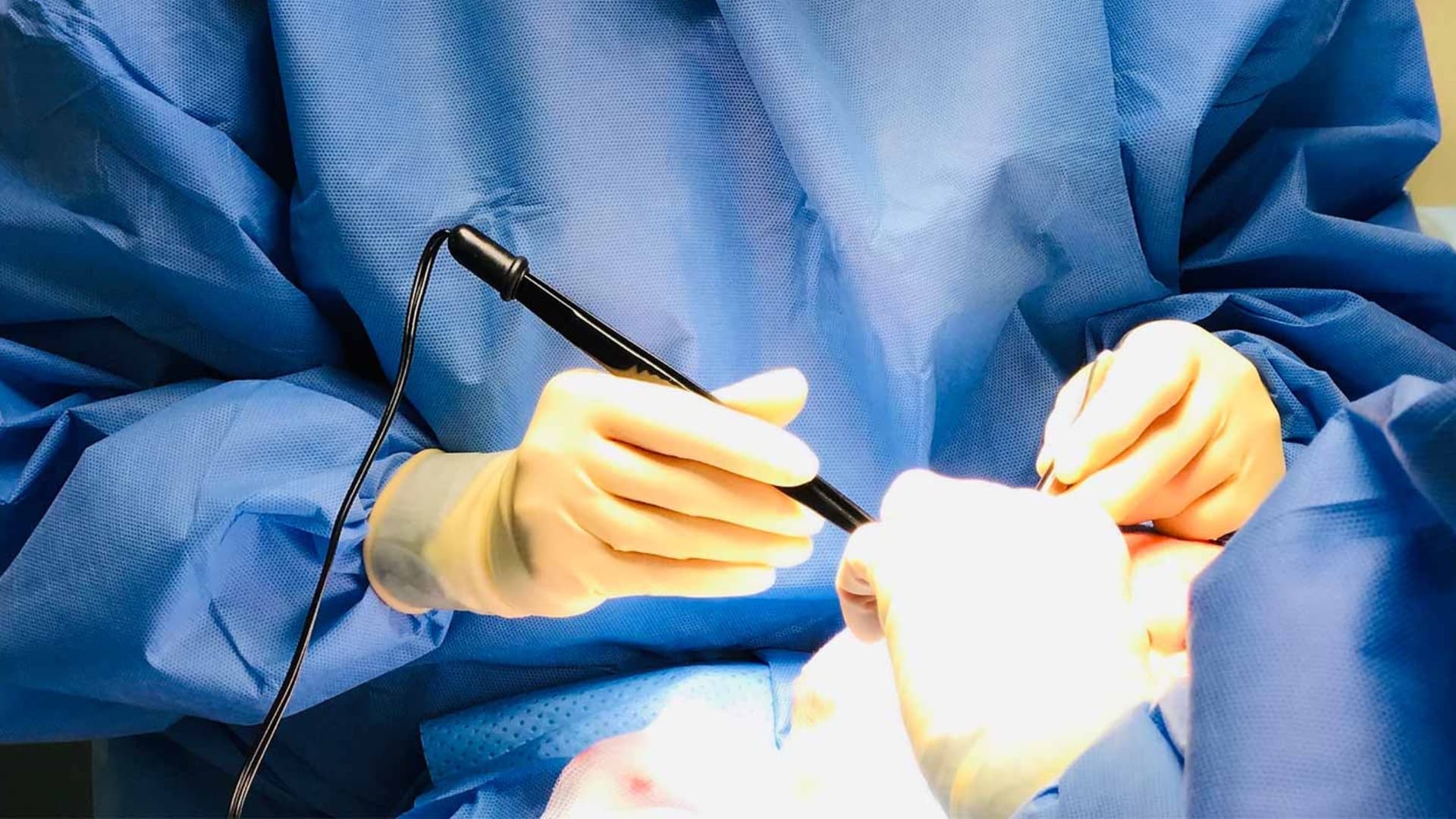
No, blepharoplasty is not classed as major surgery in most cases. It is a common, planned procedure, and you usually go home the same day. Surgeons often work under local anaesthetic, so you stay awake but feel no pain in the area.
That said, it is still surgery near a delicate part of the body. It needs proper care before and after. So you should treat it seriously, even though the operation itself is short and well understood. Most upper lid procedures take about 45 minutes to an hour, and you recover within a week or two. Lower lid or combined surgery can take a little longer.
What Are the Risks and Side Effects of Blepharoplasty?
Every operation carries some risk, and blepharoplasty is no different. The good news is that most side effects are mild and short-lived.
Common, short-term effects include:
- Bruising and swelling around the eyes
- Watery or dry eyes
- Slightly blurred vision for a day or two
- Mild soreness, which simple pain relief controls
- Redness along the small scars
Less common risks include:
- Infection, which antibiotics can treat
- A reaction to the anaesthetic
- Scars that stay raised or visible
- Uneven eyelids, where one side looks different from the other
- Ectropion, where the lower lid pulls away from the eye, which is more likely with lower lid surgery
A skilled surgeon plans the operation to keep these risks low. Honest answers about your health help, too, because some conditions increase the risk of problems.
Can Blepharoplasty Cause Blindness or Affect Your Vision?
This is the worry that troubles most patients, and it is a fair question. The honest answer is that blindness after blepharoplasty is extremely rare. It happens in only a tiny number of cases worldwide.
The rare cause is bleeding behind the eye, which can press on the optic nerve. Surgeons watch for this and act fast if it happens. That is one reason to choose an eye-trained surgeon who understands how the eye works.
Short-term vision changes are far more common and far less serious:
- Blurred sight for a day or two, from swelling or ointment
- Mild double vision that settles on its own
- Dry, gritty eyes that improve with drops
For most people, vision stays the same. In fact, when heavy upper lids block the top of your sight, surgery can improve it.
Is Blepharoplasty Done Under General or Local Anaesthetic?
Both options are safe, and the right choice depends on the operation and on you.
- Local anaesthetic with sedation is the most common choice for upper lid surgery. The area goes numb, you feel relaxed, and you stay awake but comfortable.
- General anaesthetic suits longer cases, lower-lid work, or combined upper- and lower-lid surgery. You sleep through the whole procedure.
A local anaesthetic carries fewer risks than a general one, and you tend to recover from it more quickly. Your surgeon and anaesthetist recommend the safest option for your case and your health.
What Are the Long-Term Effects of Blepharoplasty?
Blepharoplasty is safe in the long term for most people. Once you heal, the results look natural, and the small scars fade until they are hard to see.
A few points matter for the years ahead:
- The results last a long time, often a decade or more for the upper lids.
- Your face still ages naturally so that some skin may loosen again over time.
- Dry eye, if it happens, usually settles, though a small number of people need drops for longer.
- A second, smaller procedure can refresh the result years later, if you wish.
Long-term harm is very unusual when an expert performs the surgery, and you follow the aftercare. Careful work at the start protects the result for years.
How Safe Is Blepharoplasty Compared With Other Surgery?
Blepharoplasty has one of the better safety records in cosmetic surgery. Most patients report high satisfaction, and serious complications are rare. It is no more dangerous than other common cosmetic operations, and often less so, because it is short and usually done under local anaesthetic.
Safety still depends on three things:
- The surgeon's skill and eyelid training
- Your general health and an honest account of your medical history
- How closely you follow the recovery advice
When these three line up, the risk stays low, and the result tends to be excellent.
Who Should Avoid Blepharoplasty?
Blepharoplasty suits most healthy adults, but it is not right for everyone. Surgery may carry more risk if you have:
- Uncontrolled diabetes
- Severe dry eye disease
- Thyroid eye disease
- Glaucoma or another eye condition
- High blood pressure that is not controlled
- A bleeding disorder
Smokers also tend to heal more slowly, so most surgeons ask you to stop for a few weeks before and after surgery. A full health check at your consultation finds these issues early. This is how a good clinic keeps you safe and rules out surgery if it is not in your interest.
How to Make Sure Your Blepharoplasty Is Safe
Your choice of surgeon and clinic matters more than anything else. In the UK, a few simple checks protect you:
- Pick a clinic that is registered with the Care Quality Commission (CQC) and rated well.
- Choose a surgeon on the GMC register, ideally an oculoplastic surgeon trained in eye and eyelid surgery.
- Ask to see real before-and-after photos of their own patients.
- Make sure the consultation covers the risks, not just the benefits.
- Be cautious of very low prices or package deals, as they may indicate lower standards.
Good surgery is worth the wait. The right team treats your safety as the priority, every time.
What to Expect During Recovery
Recovery from blepharoplasty is usually quick and smooth. Here is a simple guide:
- Most people take one to two weeks off work.
- Bruising and swelling are worst in the first few days, then fade.
- The surgeon removes any stitches about five to eight days after surgery.
- Cool packs and head support help reduce swelling.
- You can usually wear make-up again after about ten days.
- Most swelling settles within two weeks, and the final result appears over the next few weeks.
Pay strict attention to your aftercare instructions. If you feel severe pain, abrupt changes in sight, or significant bleeding, call the clinic right away.
Conclusion: So, is blepharoplasty safe?
For most healthy adults, yes. It is a safe choice with good results. Serious problems are rare, side effects are usually mild, and the results can last for years. The key is to choose a skilled, eye-trained surgeon and to follow your aftercare carefully.
If you would like expert, honest advice about upper or lower eyelid surgery, the oculoplastic team at Perfect Eyes Clinic, led by Dr Sabrina Shah-Desai, can help. Learn more about blepharoplasty in London and book a consultation to find out if the procedure is right for you.
Frequently asked questions
Still unsure? Our team is glad to talk you through anything before you book.
- The most common problems are dry eyes and short-term double vision. Both are usually mild and settle on their own. The serious risk is bleeding behind the eye. This is rare, but it requires quick treatment.
- No, the surgery does not hurt. The area is numb, so you feel nothing. Afterwards, your eyes may feel a little sore. Simple painkillers soon ease this.
- Yes. Many people in their 60s and 70s have it safely. Your general health matters more than your age. A full health check makes sure it is a safe choice for you.
- Upper lid surgery takes about 45 minutes to an hour. Lower lid or both lids together can take up to two hours.
- The NHS rarely funds it for looks alone. It may pay when heavy upper lids block your sight.
- Upper lid results often last ten years or more. Lower lid results also last for years, though your face still ages over time.
- Most people resume driving once their vision is clear and comfortable, often within a week. Always check with your surgeon first.