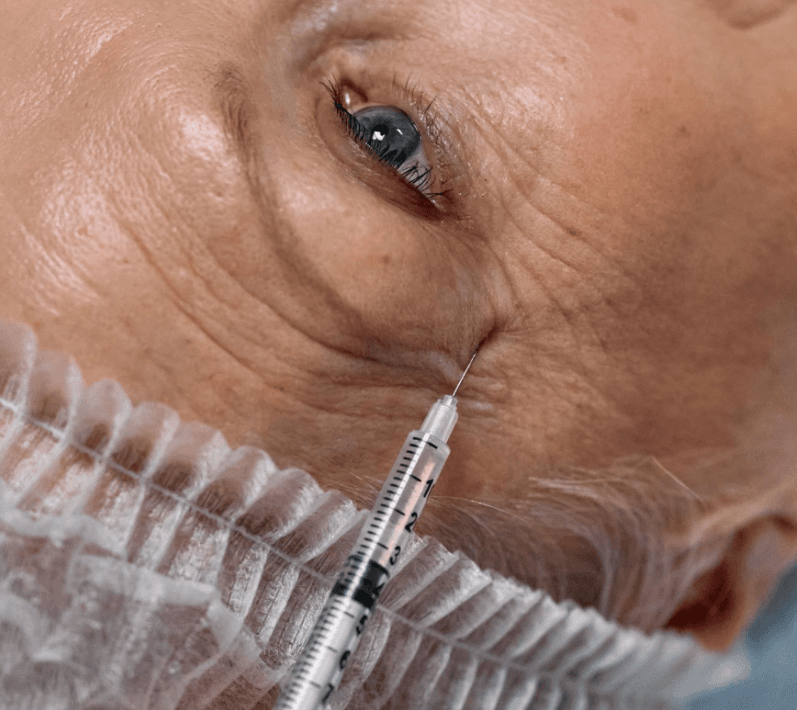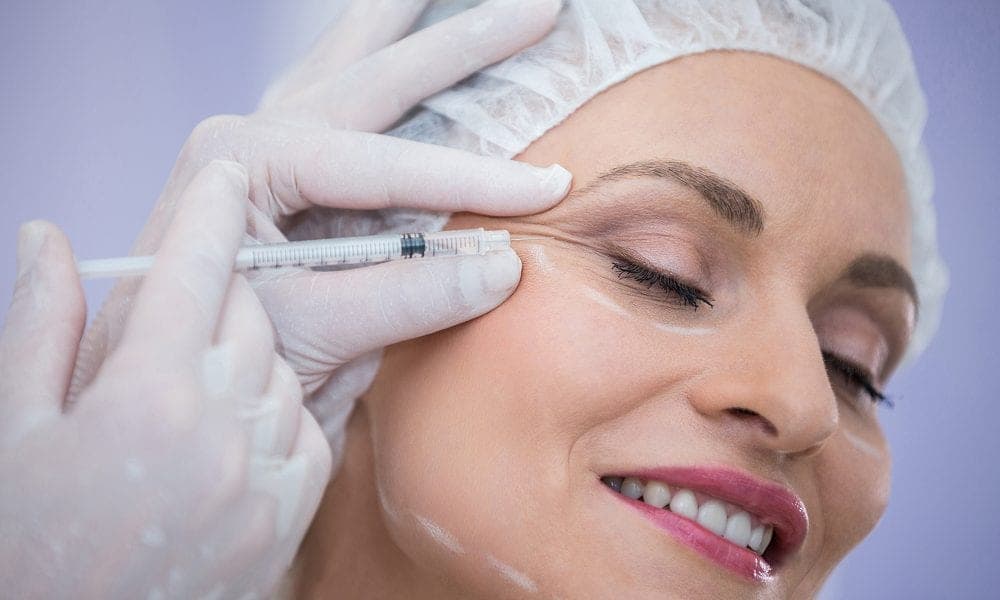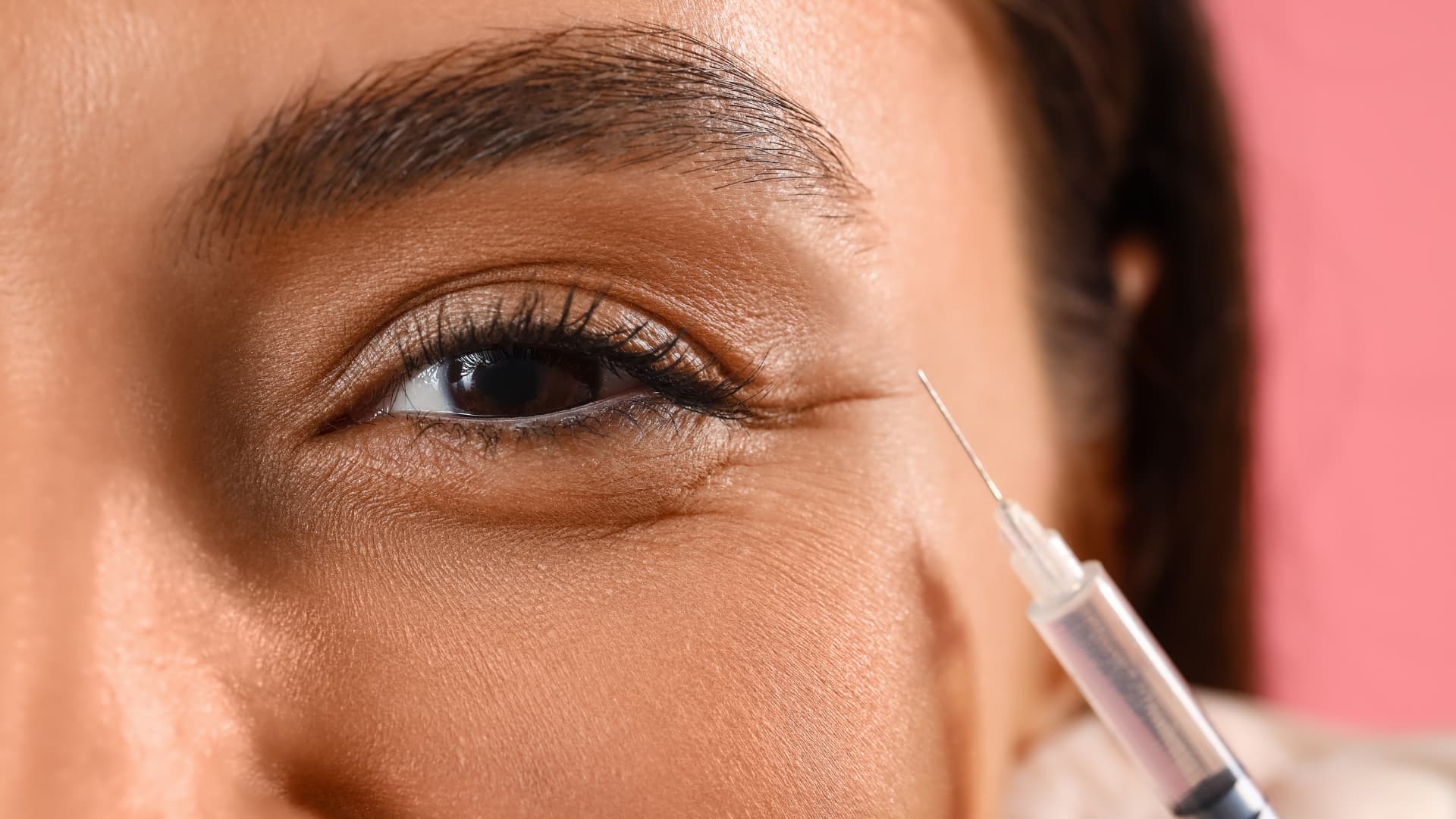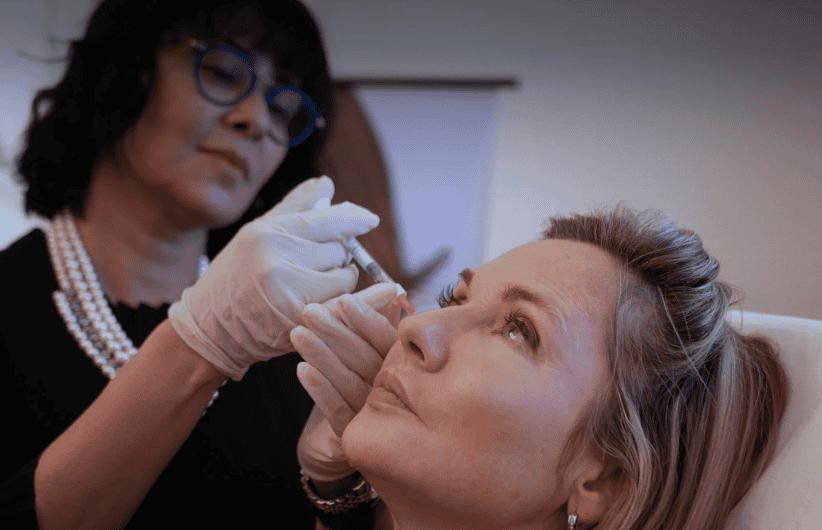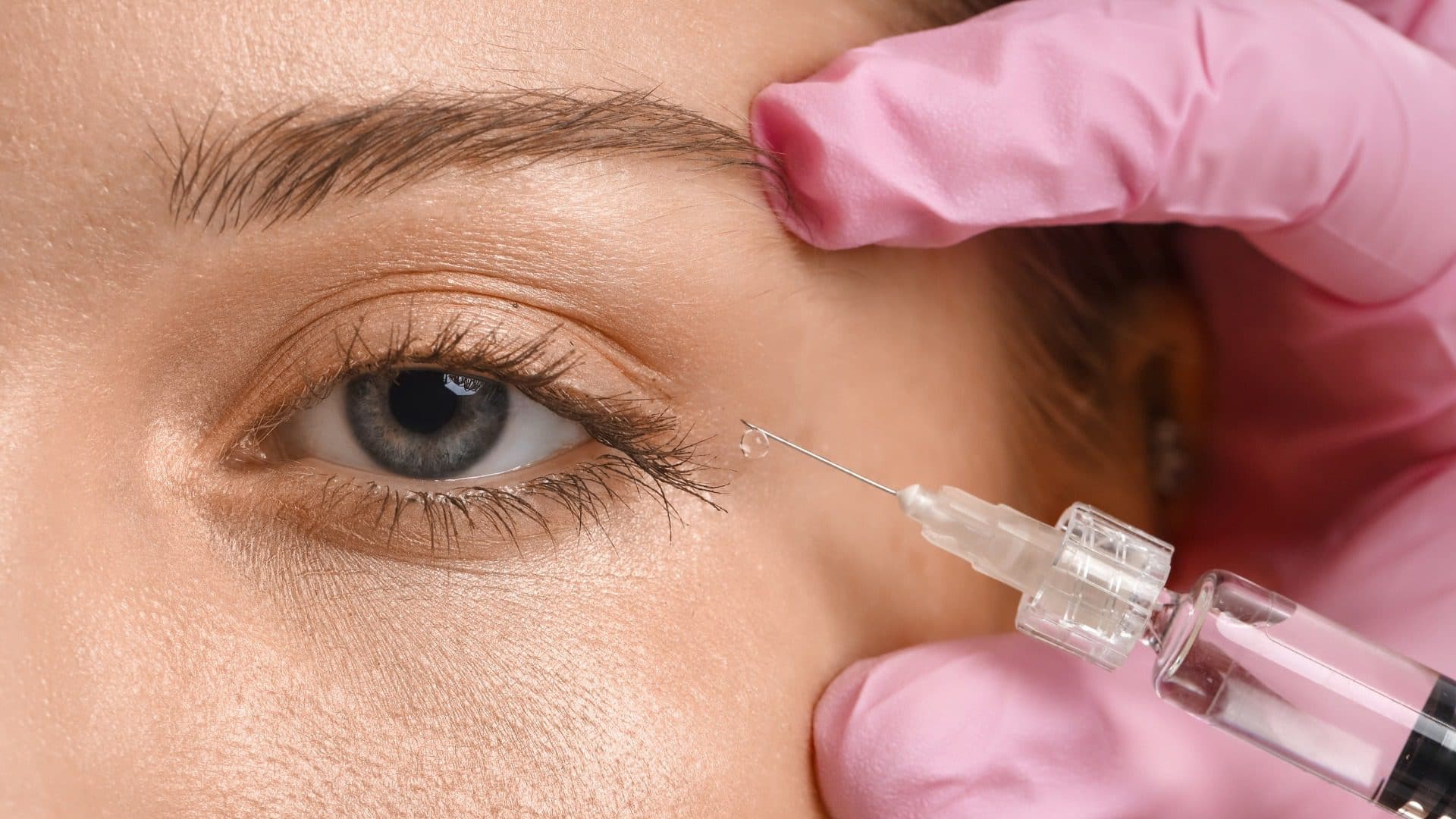
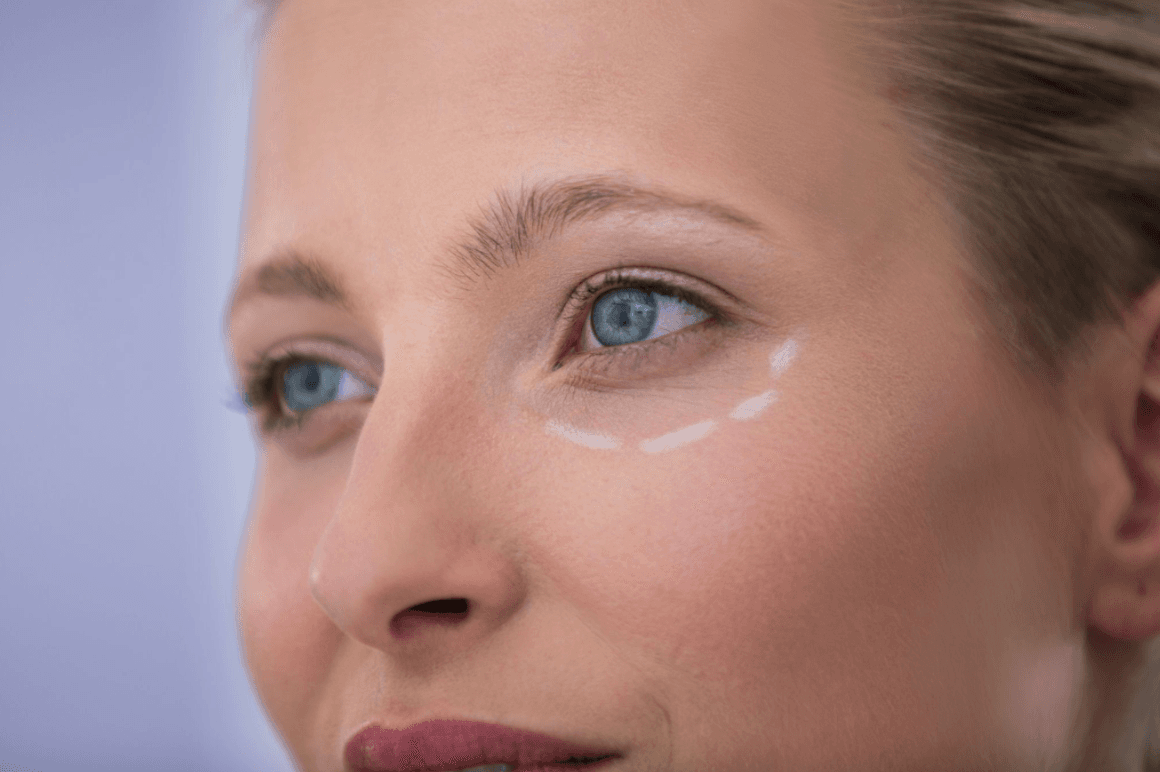
Dark circles, under-eye hollows and a tired-looking appearance can sometimes remain even when you are getting enough sleep and following a good skincare routine. For some people, the issue is not pigmentation or puffiness, but a loss of volume beneath the eyes.
This is where tear trough filler may help. By carefully restoring volume to the hollow area between the lower eyelid and upper cheek, treatment can soften shadows and create a fresher, more rested appearance.
However, understanding tear trough fillers before and after results is important. The treatment is not designed to change the shape of your eyes or make the under-eye area look completely different. The aim is usually a subtle improvement that works with your existing facial features.
What Is Tear Trough Filler?
A tear trough is the natural hollow that runs from the inner corner of the lower eyelid towards the cheek. In some people, this area is more noticeable because of genetics, facial structure, ageing or changes in facial volume.
The hollow can create a shadow beneath the eyes, making dark circles appear more prominent. It may also contribute to a tired or sunken appearance, even when the skin itself is healthy.
A tear trough filler is usually a hyaluronic acid-based dermal filler placed carefully beneath the skin to restore lost volume and soften the transition between the lower eyelid and cheek.
The treatment may help improve:
- Under-eye hollows
- Shadows beneath the eyes
- A sunken appearance
- The transition between the lower eyelid and upper cheek
- Dark circles caused partly by facial structure
- An uneven appearance between the two sides
It is important to remember that not all dark circles are caused by volume loss. Pigmentation, visible blood vessels, thin skin, allergies, fluid retention and malar bags may require a different approach.
Tear Trough Fillers Before and After: What Changes Can You Expect?
The results of tear trough filler vary from person to person. Some patients notice a visible improvement in the hollowing immediately after treatment, while others may need to wait for swelling to settle before seeing the final result.
The most common changes include:
| Before treatment | After treatment |
|---|---|
| A hollow beneath the lower eyelids | A softer, more supported under-eye area |
| Shadows that make the eyes look tired | Reduced shadowing in suitable patients |
| A noticeable transition between the eyelid and cheek | A smoother transition between the two areas |
| Under-eye hollows that appear deeper in certain lighting | Less pronounced hollows in many cases |
| An uneven appearance between the eyes | Improved balance where asymmetry is caused by volume differences |
| A sunken appearance after weight loss or ageing | A more rested appearance when volume loss is the main concern |
The improvement is generally designed to be subtle. Well-placed filler should not make the under-eye area look swollen or overfilled.
What Do Tear Trough Fillers Before and After Photos Show?
Before-and-after photographs can be useful when assessing treatment, but they need to be viewed carefully.
A photograph may show an improvement in:
- The depth of the hollow
- The amount of shadow beneath the eye
- The transition between the lower eyelid and cheek
- The overall appearance of tiredness
- Facial balance
However, photographs can also be affected by lighting, facial expression, camera angle and the amount of time between treatment and the after image.
For this reason, it is important to look for photographs taken in similar conditions. The most useful images usually show the patient:
- Facing the camera directly
- In similar lighting
- With a neutral facial expression
- From the same distance
- Before treatment and after swelling has settled
A good result should look natural rather than noticeably “filled”. You can see before and after results from previous patients at the clinic.
How Soon Will You See Results After Tear Trough Filler?
Some improvement may be visible immediately after treatment because the filler begins restoring volume as soon as it is placed.
However, the under-eye area can be sensitive and may experience temporary:
- Swelling
- Redness
- Bruising
- Tenderness
- Mild asymmetry
- A feeling of fullness
These effects can make it difficult to judge the final result straight away.
Most patients need to allow time for the treatment to settle. The exact recovery period varies depending on the product used, the injection technique, the amount of filler placed and the individual’s response. Our guide to the stages of swelling after tear trough filler explains what tends to happen and when.
Your practitioner may recommend a review appointment once the area has settled. This allows them to assess the result and decide whether any further treatment is appropriate.
What Will Tear Trough Filler Look Like Immediately After Treatment?
Immediately after treatment, the under-eye area may look slightly fuller than expected. This is often due to temporary swelling rather than the final amount of volume.
You may also notice:
- Mild redness around the injection points
- Small areas of bruising
- Temporary puffiness
- Slight unevenness between the eyes
- Mild tenderness when touching the area
These effects usually improve as the treatment settles.
It is important not to judge the final result based only on how the area looks immediately after the appointment. Your practitioner will advise you on what to expect during the recovery period and when to arrange a review.
How Long Do Tear Trough Filler Results Last?
The longevity of tear trough filler depends on several factors, including:
- The type of filler used
- The amount of filler injected
- Your individual metabolism
- The depth of the hollow
- Your skin quality
- Your lifestyle
- Whether the area has been treated previously
Hyaluronic acid fillers are not permanent. Over time, the body gradually breaks down the product and the effect becomes less noticeable. We cover this in more detail in our guide to how long tear trough filler lasts.
Some patients maintain their results for many months, while others may notice changes sooner or later. A review with your practitioner can help determine whether further treatment is needed.
It is generally better to assess the result carefully before adding more filler. Repeated treatment without a clear indication can increase the risk of puffiness or an overfilled appearance.
Who May Benefit from Tear Trough Filler?
Tear trough filler may be suitable for people who have:
- Mild to moderate under-eye hollows
- Structural dark circles caused by volume loss
- A sunken appearance beneath the eyes
- A noticeable transition between the lower eyelid and cheek
- Good skin quality
- Realistic expectations about the result
It may be particularly helpful when the main concern is a shadow caused by the shape of the under-eye area.
However, it may not be the best option for everyone.
When Tear Trough Filler May Not Be the Right Treatment
Tear trough filler does not treat every type of dark circle or under-eye concern. It may be less suitable when the main issue is:
Pigmentation
Brown or grey pigmentation may be caused by genetics, sun exposure, inflammation or changes in melanin production. Filler will not remove pigmentation.
Visible Blood Vessels
When the skin beneath the eyes is very thin, underlying blood vessels may become more visible. This can create a blue, purple or reddish appearance that volume restoration may not fully correct.
Puffy Under-Eyes
If the main concern is prominent fat pockets or persistent under-eye bags, adding filler may not create the desired result. In some cases, it may make the area look heavier.
Malar Bags or Festoons
Malar bags and festoons sit lower than the traditional tear trough. They involve the upper cheek area and may be related to fluid retention, tissue changes, skin laxity or facial anatomy.
Tear trough filler can sometimes worsen puffiness in this area, particularly when the lymphatic drainage is already compromised. A careful assessment is important before considering treatment.
Excess Skin
If loose lower-eyelid skin is the main concern, filler may not provide enough improvement. A surgical or non-surgical skin-tightening approach may be more appropriate, depending on the individual assessment.
Can Tear Trough Filler Make Dark Circles Disappear?
Tear trough filler may reduce dark circles when the darkness is mainly caused by shadows from volume loss.
However, it is unlikely to completely remove every type of dark circle. Many people have more than one contributing factor, such as:
- Hollowing
- Pigmentation
- Thin skin
- Visible blood vessels
- Allergies
- Fluid retention
- Natural facial anatomy
In these cases, a combination of treatments may be considered. The most suitable approach depends on what is causing the appearance rather than simply treating the area beneath the eyes. Our guide to the different types of dark circles explains how the cause changes the treatment.
What Makes a Good Tear Trough Filler Result?
A good result is not necessarily the one that creates the most dramatic change. Under-eye filler is often most successful when the improvement is subtle and balanced.
A natural-looking result may include:
- Less noticeable hollowing
- Reduced shadowing
- A smoother eyelid-to-cheek transition
- No obvious lumps or bumps
- No excessive puffiness
- No change to the natural shape of the eyes
- Improved facial balance
- A fresher appearance without looking overtreated
The under-eye area is delicate, and even a small amount of product can make a visible difference. Treatment should therefore be conservative and tailored to the patient’s anatomy.
What Are the Risks of Tear Trough Filler?
Although tear trough filler is a non-surgical treatment, it is not risk-free.
Possible side effects include:
- Bruising
- Swelling
- Tenderness
- Redness
- Temporary asymmetry
- Lumps or irregularities
- Persistent puffiness
- A bluish or grey appearance beneath the skin
- Delayed swelling
- Infection
- Vascular complications
The risk of complications can be higher when filler is placed in an unsuitable patient or when too much product is used. Our guide to tear trough filler side effects covers these in more detail.
The under-eye area contains important blood vessels and delicate structures. Treatment should only be carried out by a suitably qualified and experienced medical practitioner who understands the anatomy of the eyelid and surrounding tissues.
Can Tear Trough Filler Be Reversed?
Many hyaluronic acid fillers can be dissolved using an enzyme called hyaluronidase. This may be considered when there is an unwanted result, persistent swelling or a complication related to hyaluronic acid filler.
However, dissolving filler is not always a simple or immediate process. The decision depends on the type of product used, the cause of the problem and the practitioner’s assessment.
It is important not to assume that every under-eye concern can be corrected by adding more filler. Sometimes the most appropriate option is to allow the area to settle, dissolve existing filler or consider a different treatment altogether.
How to Prepare for Tear Trough Filler
Your practitioner will provide individual preparation advice, but you may be advised to:
- Avoid booking treatment immediately before an important event
- Tell your practitioner about previous filler treatments
- Explain any history of swelling or complications
- Share details of medication and supplements
- Avoid alcohol before treatment if advised
- Discuss any history of allergies or medical conditions
- Attend the appointment without heavy eye makeup
A full consultation is important, particularly if you have had tear trough filler previously. Existing filler can affect the appearance of the area and may influence whether further treatment is suitable.
What Happens During a Tear Trough Filler Consultation?
A consultation should begin with an assessment of the underlying cause of your concern.
Your practitioner may examine:
- The depth and shape of the tear trough
- The amount of volume beneath each eye
- The quality and thickness of the skin
- The position of the cheek
- The presence of under-eye bags
- Malar bags or festoons
- Facial asymmetry
- Previous filler and treatment history
They may also assess whether the darkness is caused by pigmentation, shadowing, visible blood vessels or a combination of factors.
Based on this assessment, they can explain whether tear trough filler is appropriate, what improvement may be realistic and whether another treatment may be more suitable.
Final Thoughts on Tear Trough Fillers Before and After
Looking at tear trough fillers before and after photographs can help you understand the type of improvement that may be possible, but every result is individual.
The most important factor is identifying what is causing the under-eye concern. Tear trough filler may be helpful when volume loss and shadowing are the main issues, but it is not the right treatment for every type of dark circle, puffiness or under-eye bag.
At Perfect Eyes Clinic, an individual assessment can help determine whether a tear trough filler is suitable for your anatomy, concerns and expectations. The aim is to create a subtle, balanced improvement while avoiding an overfilled or swollen appearance. If you are based in London, you can arrange a consultation with Dr Sabrina Shah-Desai at 121 Harley Street.
Frequently asked questions
Still unsure? Our team is glad to talk you through anything before you book.
- Some improvement may be visible immediately, but the final result should be assessed after the initial swelling has settled. Your practitioner will advise you on the expected recovery period.
- It may reduce dark circles caused by hollows and shadowing. It is less likely to improve dark circles caused mainly by pigmentation, visible blood vessels or thin skin.
- It may create a fresher and more rested appearance by softening under-eye hollows. However, it does not reverse every sign of ageing and is not a replacement for treatments that address excess skin or prominent eye bags.
- Yes. If the main concern is puffiness, fat bulging or malar bags, filler may make the area look heavier or more swollen. A detailed assessment is important before treatment.
- Most patients experience some mild discomfort during treatment. A numbing cream or local anaesthetic may be used, depending on the product and technique.
- Results vary, but hyaluronic acid filler is temporary. The effect gradually becomes less noticeable as the body breaks down the product.
- Your practitioner will advise you when it is appropriate to apply makeup. You may be asked to avoid touching or applying pressure to the treated area immediately after treatment.
- Possibly, but previous treatment needs to be assessed carefully. Existing filler, delayed swelling or changes in the under-eye area may affect whether further treatment is appropriate.
- No. It is not suitable for every type of under-eye concern. Patients with significant puffiness, malar bags, excess skin or certain medical conditions may need a different approach.