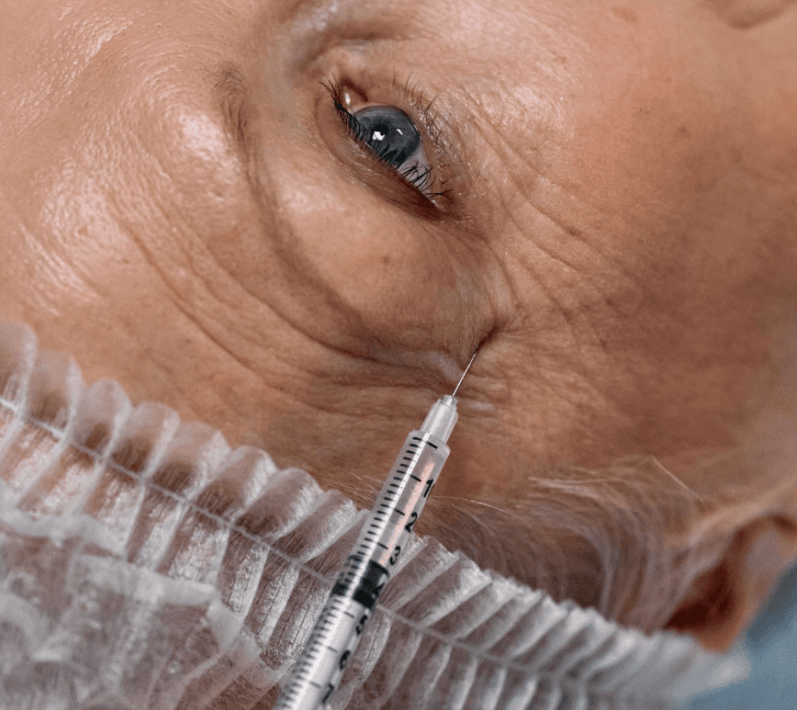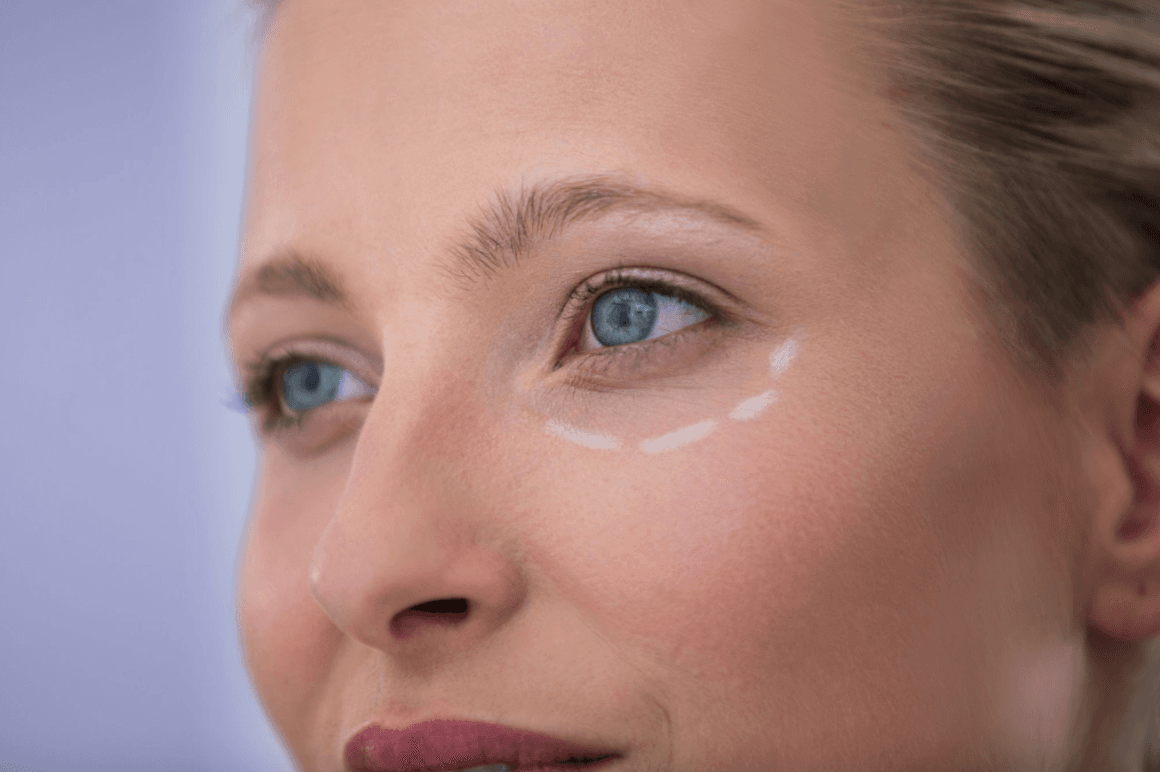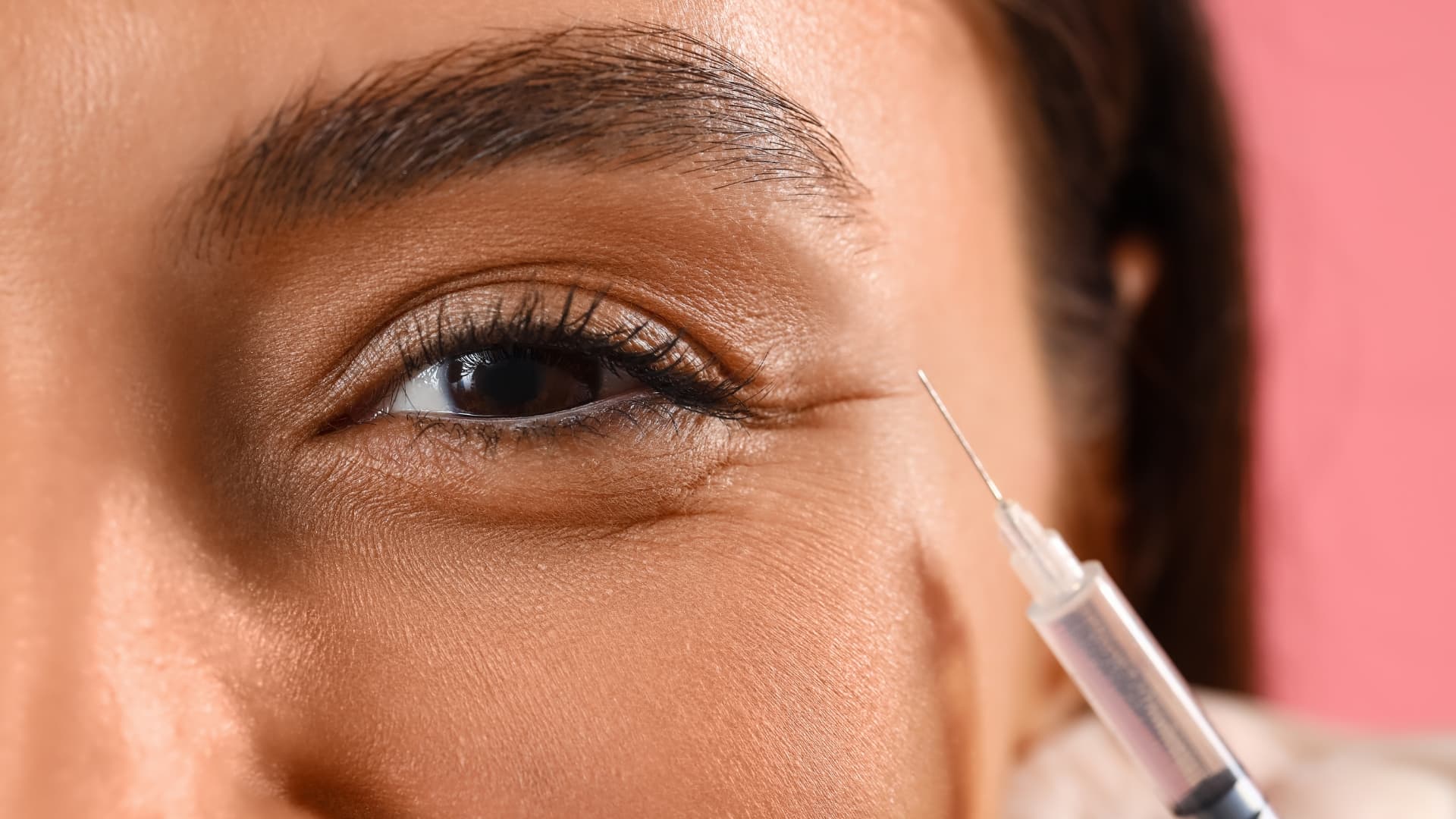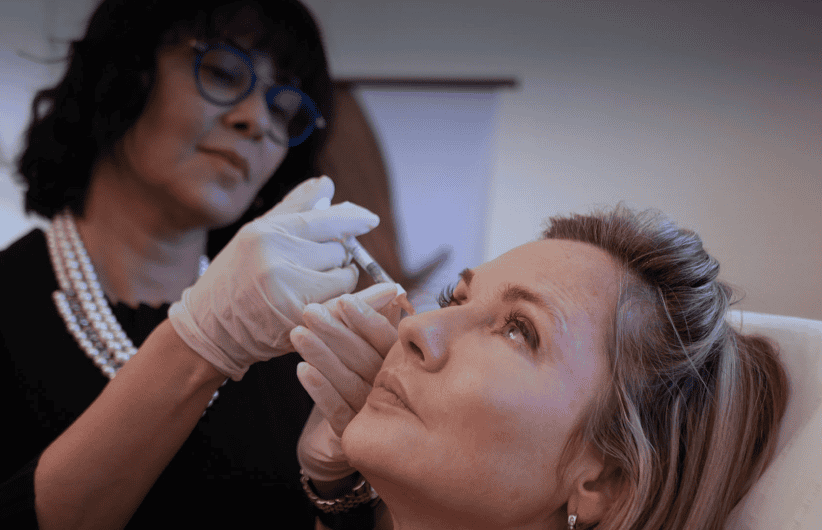
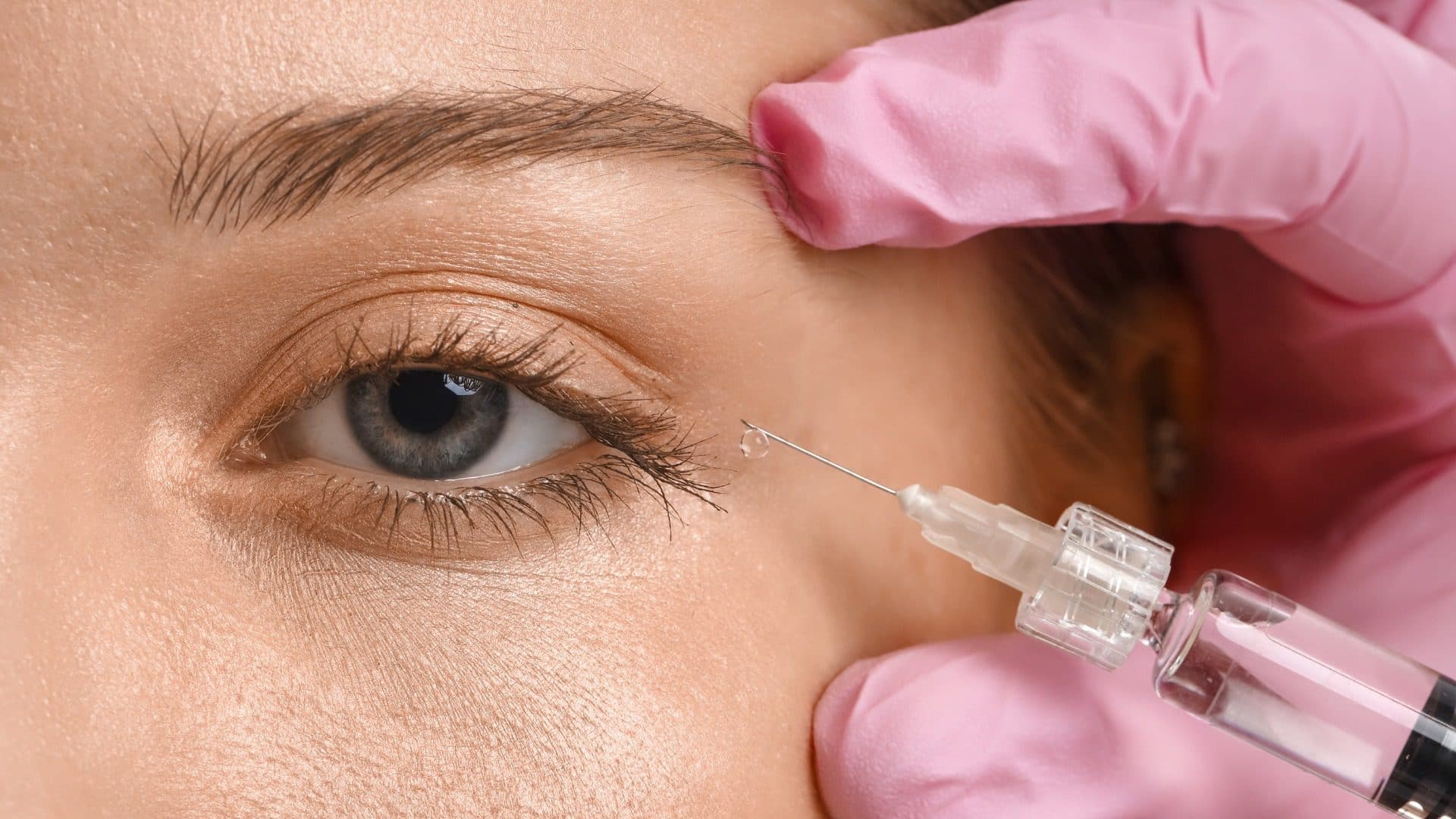
Tear trough fillers for treating eye bags and under-eye hollows have become increasingly popular in recent years. However, many people don't realise that these fillers can be administered by professional doctors, nurses, aestheticians, and even physicians with no surgical experience. The availability of fillers has led to treatments being done without much oversight or standardisation.
Choosing an experienced practitioner can help reduce the risk of complications. Fortunately, issues with under eye fillers are rare, and if a problem does occur, it can usually be corrected by dissolving the filler.
If you've had a filler treatment that didn't turn out as expected, we can help fix it. Keep reading to learn more about potential problems from tear trough fillers, why they happen, and how we can resolve them.
Why Can Tear Trough Filler Go Wrong?
Tear trough fillers, while effective for rejuvenating the under-eye area, come with certain risks, especially when not performed correctly. Here are the key reasons why tear trough filler treatments can go wrong:Lack of Practitioner Skill
One of the main reasons tear trough filler treatments fail is when unskilled or inexperienced practitioners perform them. A detailed understanding of facial anatomy is critical for avoiding difficulties. Incorrect filler choice or improper patient evaluation can lead to unsatisfactory results or even serious issues.Complexity of the Tear Trough Area
The under-eye area is particularly delicate due to the thin skin and proximity to the eyes. Any problems, such as lumps or irregularities, are much more noticeable here than in other facial areas. The complex anatomy around the eyes makes it essential for practitioners to have specialised knowledge and experience, especially with the tear trough region.Using the Wrong Type of Filler
Not all fillers are designed for the tear trough area. Using inappropriate fillers can cause visible lumps, swelling, or an unnatural appearance. The ideal filler for this area should have the right viscoelastic properties, meaning it should be cohesive yet flexible to blend seamlessly into the delicate under-eye tissue. Fillers formulated specifically for tear troughs are key to reducing complications.Overuse of Fillers and Layering
Some practitioners recommend layering additional filler over existing filler that hasn't fully dissolved, leading to an over-filled appearance. This not only creates an unnatural look but also increases the risk of swelling and lump formation. Maintaining a natural, refreshed appearance is best achieved by avoiding excessive or unnecessary filler use.Unsuitable Candidates
Tear trough fillers are not suitable for everyone. In certain cases, such as those with prominent eye bags, malar oedema, or festoons, fillers can actually worsen the appearance of the under-eye area, making it look swollen. To determine whether this treatment is appropriate for you, a comprehensive consultation and appropriate evaluation are necessary. Read our earlier blog post to learn more about the tear trough filler side effects.What Happens If a Tear Trough Filler Goes Wrong?
If a tear trough filler treatment doesn't go as planned, several symptoms can appear:Overfilling or Lumpiness
Overfilling is one of the most common issues. When too much filler is injected or it isn't placed correctly, it can create lumps, bumps, or a puffy, unnatural appearance. This is particularly noticeable because the skin under the eyes is thin and sensitive.Tyndall Effect
The Tyndall effect happens when the filler is applied too near the skin's surface. As a result, the filler may result in a bluish colour beneath the skin, which worsens the appearance of dark circles.Bruising and Swelling
Mild bruising and swelling are normal immediately after the procedure, but if they persist or worsen after a few days, it could indicate a problem. This may be a sign of incorrect injection technique or vascular issues.Asymmetry
Uneven or asymmetrical results may occur if the filler is distributed unevenly between both eyes. This can make one side look fuller or puffier than the other, causing an imbalance in facial appearance.Infection
Although rare, infections can occur at the injection area. Symptoms include redness, warmth, and pain and may require immediate medical attention.Long-Term Bumps
If the filler migrates or doesn't settle properly, long-term lumps may appear under the skin. In some cases, these lumps can become permanent if not addressed early.Who is unsuitable for tear trough filler?
Not every individual is a good fit for tear trough filler. Several factors can make someone unsuitable for the procedure. Here’s a breakdown of who might not be a good fit:Individuals with Active Skin Conditions or Infections
-
Unrealistic Expectations
-
Pregnant or Breastfeeding Women
-
Patients with Dark Skin Pigmentation Dark Circles with thin skin
-
Patients with Festoons or Malar Bags
-
People with Excessive Skin Laxity or Severe Eye Bags
How to Fix Botched tear Trough Filler?
If your tear trough filler didn’t turn out as expected, don’t worry - there are several ways to correct it. The right solution depends on the specific issue, whether it’s puffiness, lumps, or discolouration. Here’s what you can do:-
Massage (Only if Advised by Your Injector)
-
Dissolving with Hyaluronidase
-
Camouflaging with Additional Filler
-
Medical Treatments for Discolouration
-
Choose the Right Injector for Correction
Final Thoughts
Tear trough fillers can offer great results, but it's important to remember that things don't always go as planned. When performed by a skilled professional, they can bring subtle but visible improvements to tired or sunken eyes, giving you a refreshed look. It is important to have realistic expectations and select a skilled practitioner because there are some possible risks, like lumps, discolouration, or swelling. Always make sure to discuss any concerns or questions during your consultation to ensure the best possible outcome.Good to know
Frequently asked questions
Still unsure? Our team is glad to talk you through anything before you book.
- If a filler is injected too close to the surface of the skin, it can cause discolouration. This is known as the "Tyndall effect," where the skin may appear greenish or bluish, especially in natural light. Some people describe this as bruising under the eyes.
- One common solution is to use an enzyme called hyaluronidase, which quickly dissolves hyaluronic acid-based fillers. This treatment often brings quick improvements, although some swelling may linger temporarily.
- People with excess skin, poor skin quality, deep fat bulges under the eye muscles, or fluid retention around the eyes may not be good candidates for tear trough fillers. Additionally, if you have severe allergies, active skin infections, or blood clotting issues, then you should avoid this treatment.
- Common signs of issues with fillers include prolonged swelling, uneven results, bruising, or small lumps. While these can be frustrating, they're not typically dangerous. More serious problems, though rare, may include allergic reactions, blindness due to blocked blood vessels, or tissue damage.
- Potential risks of tear trough fillers include: Headaches Skin discolouration Allergic reactions Persistent pain Swelling around the eyes Lumps forming from the filler Granuloma (small areas of swelling or inflammation) Infection