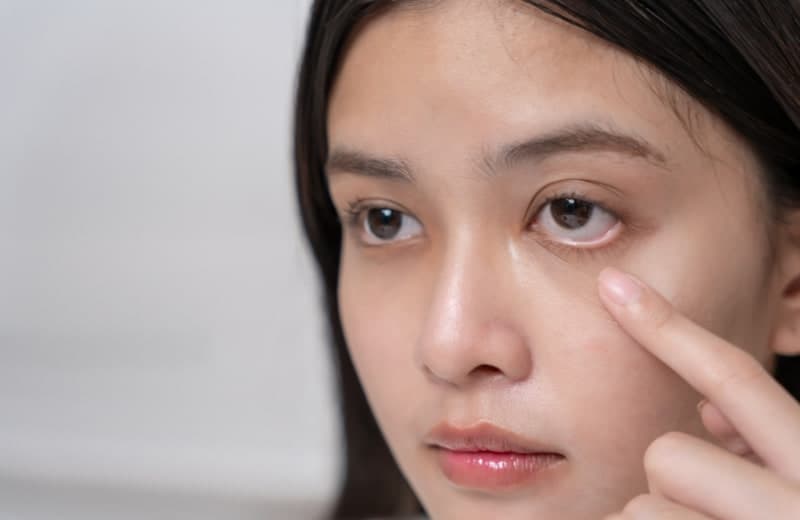
Have you ever seen that one of your eyes looks a bit different in the mirror? Maybe one eyelid sits a little lower, or one eye appears larger. This condition, often referred to as asymmetrical eyes or eye asymmetry, is surprisingly common. In fact, most faces are not perfectly symmetrical; subtle variations are what make each of us unique.
But here’s the catch: sometimes these uneven features are barely noticeable, while in other cases, uneven eyes or lopsided eyes can affect confidence or signal an underlying health issue. That’s why it’s important to understand why my eyes are uneven and what options exist if you want to know how to fix asymmetrical eyes, from quick cosmetic solutions to medical treatments.
Are Asymmetrical Eyes Normal?
Yes, a slight degree of asymmetry in eye appearance is normal. Faces naturally have mild imbalances in bone structure, skin, fat, and muscles. These differences rarely pose a problem and often add character to the experience. However, it becomes concerning when:- The asymmetry is sudden or new.
- It interferes with vision.
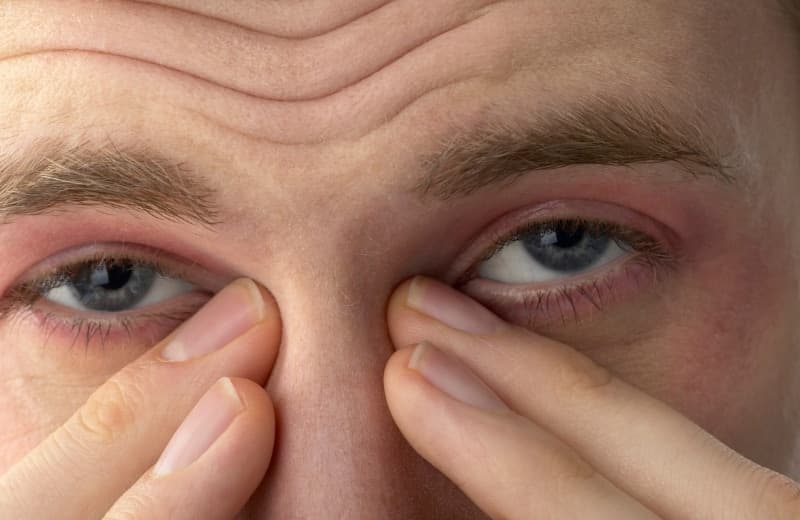
- It’s linked with other symptoms, such as double vision, drooping eyelids, or bulging eyes.
Common Causes of Uneven Eyes / Eye Asymmetry
01. Genetics and Natural Facial Asymmetry
Some people are simply born with asymmetrical eyes due to genetics. Just as noses, lips, or jawlines can differ slightly, so can eye size and shape. These differences are usually harmless.02. Ageing, Skin Laxity, and Fat Changes
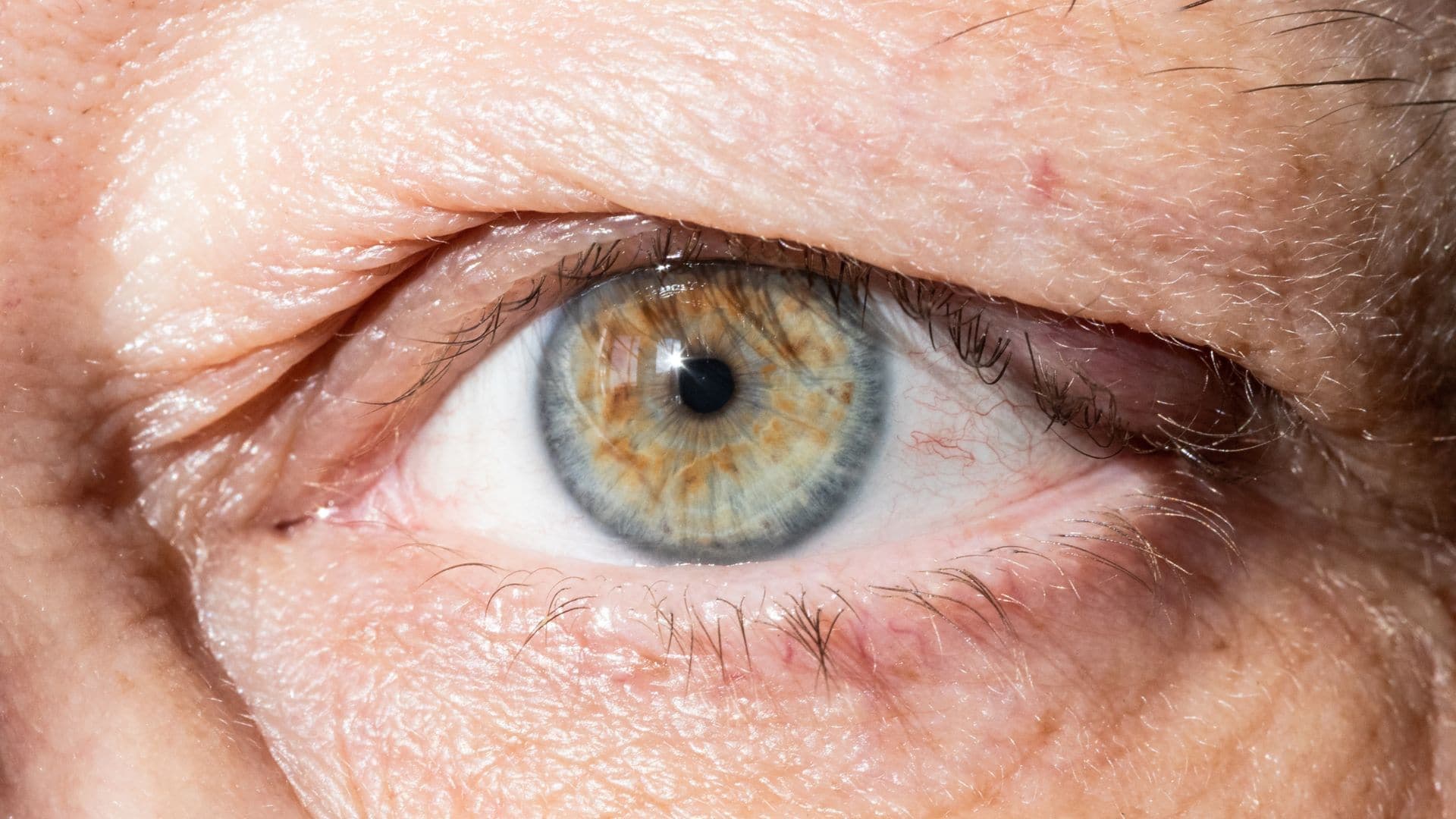
As we age, the tissues around the eyes, skin, muscles, and fat change. Gravity, collagen loss, and eyelid skin laxity may cause eye asymmetry to become more visible. Fat pads beneath the eyes can shrink or bulge unevenly, causing one eye to appear lower or puffier.03. Ptosis (Drooping Eyelid) and Levator Muscle Issues
A specific medical reason for asymmetrical eyelids is ptosis. This occurs when the levator muscle, which lifts the eyelid, weakens. One eyelid may sit lower, leading to noticeably uneven eyes. If ptosis develops suddenly or worsens, it’s important to see an eye specialist to rule out nerve or muscle problems.04. Brow Asymmetry and Facial Muscle Differences
Sometimes the eyes themselves are not uneven; it’s the eyebrows that create the illusion. Higher or lower brow positioning can exaggerate eye asymmetry or make one eye appear smaller. Muscle differences or even sleeping habits can influence brow height.05. Neurological or Orbital Causes
Certain conditions, like thyroid eye disease, cranial nerve palsies, or orbital tumours, can alter the position of one eye. These are red flags and require urgent medical evaluation. If you experience sudden double vision or rapid changes in the appearance of one or both eyes, consult an ophthalmologist immediately.06. Trauma, Scarring, or Prior Surgery
Old injuries, scars, or even previous surgeries can leave behind differences in eyelid position or eye shape. For example, someone with a history of orbital fracture repair may later develop eye asymmetry.Non-Surgical Fixes: Quick, Temporary & At-Home Strategies
01. Makeup Techniques & Camouflage
For many, uneven eyes can be softened with clever makeup tricks. Eyeliner wings, eyeshadow shading, and highlighting can visually balance out the eyes. Tutorials online often focus on enhancing symmetry with blending techniques. This approach is best for mild differences.02. Anti-wrinkles treatment for Eyebrow Lift and Balance
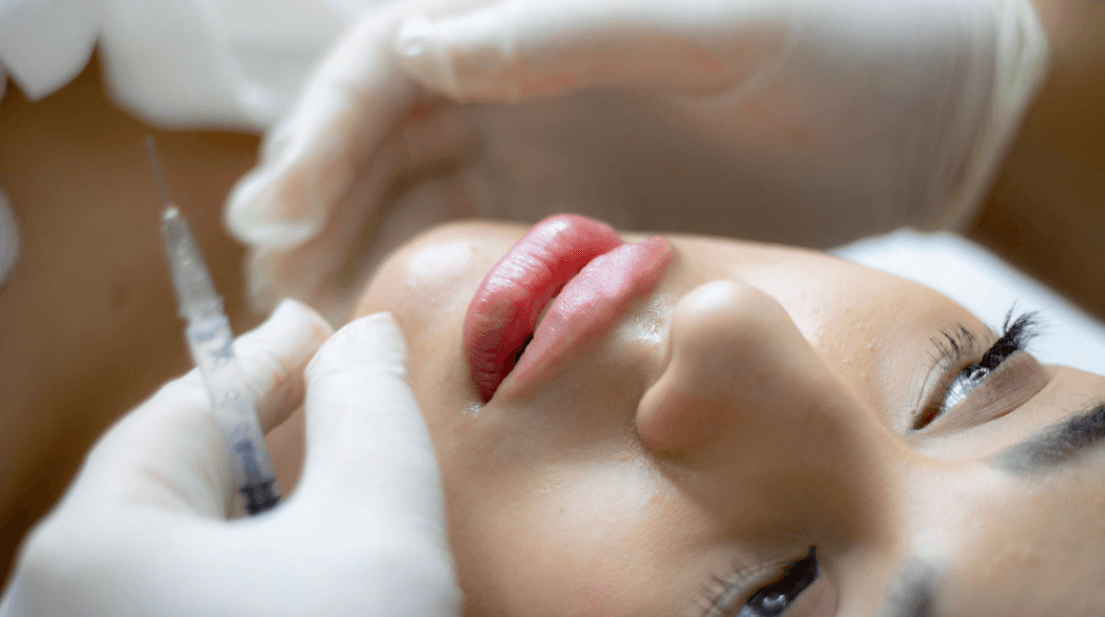
Anti-wrinkles treatment injections can adjust the position of the eyebrows and relax overactive muscles that pull unevenly. By lifting one brow, an injector can reduce visible eye asymmetry. The results last around 3-4 months, making this a low-commitment option.03. Physical Therapy & Facial Exercises
Some claim that facial exercises or massage help balance uneven eyes. While the evidence is limited, mild asymmetry caused by muscle tension or habits (like one-sided chewing or clenching) may improve slightly with targeted techniques.04. Lifestyle Tweaks: Sleep, Allergies, Eye Drops
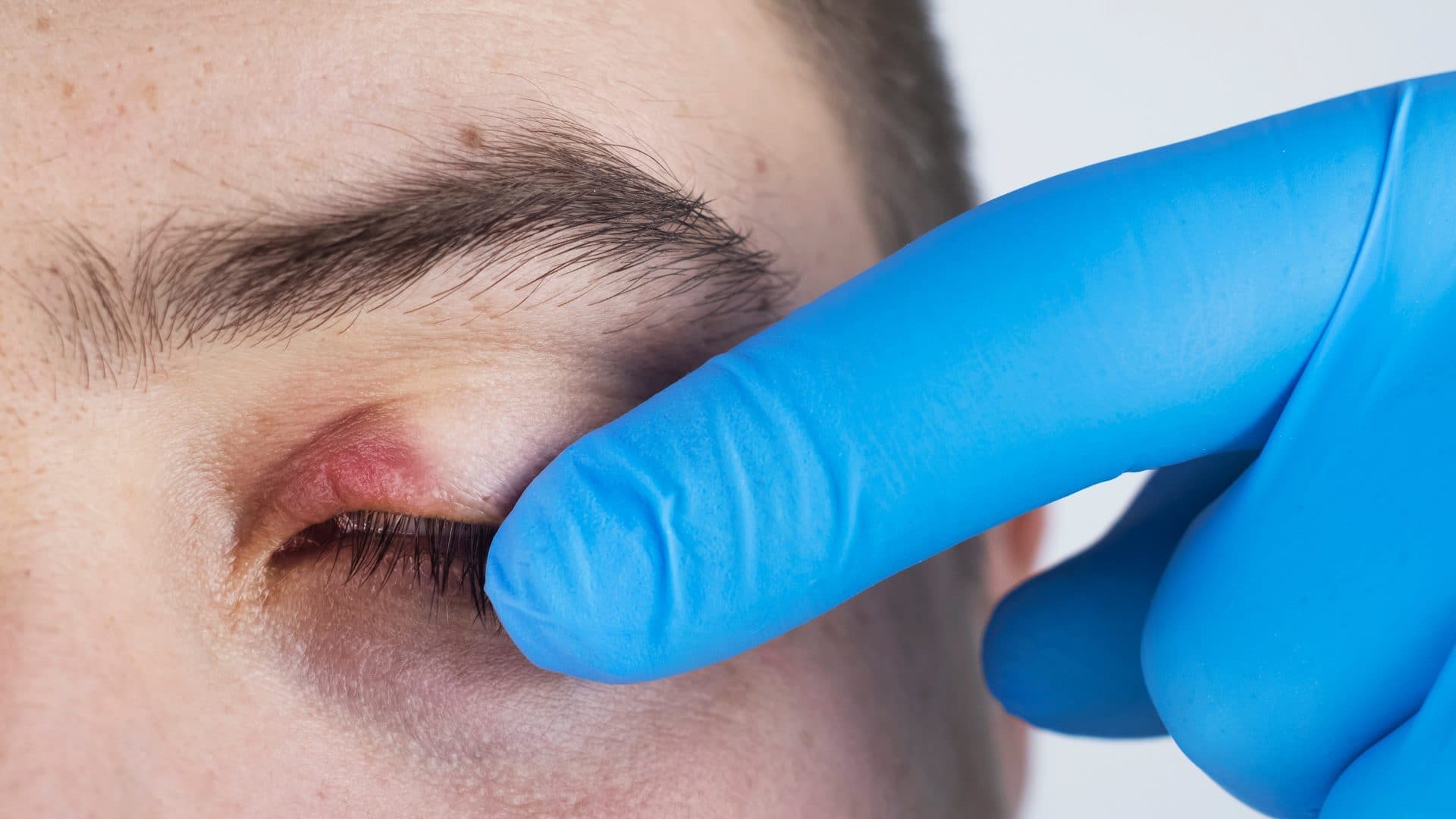
Temporary lopsided eyes can often be caused by swelling or puffiness resulting from allergies, poor sleep, or dehydration. Addressing these factors with allergy drops, cold compresses, or improved rest may help alleviate the apparent imbalance.Medical and Surgical Options to Fix Asymmetrical Eyes
For those seeking a more permanent solution to eye asymmetry, medical and surgical treatments are available. Blepharoplasty is one of the most popular procedures to correct eyelid asymmetry. It targets excess skin, puffiness, or drooping that can make one eye appear smaller, heavier, or more tired than the other.- Upper Blepharoplasty: This focuses on the upper eyelid, removing or repositioning sagging skin and fat pads that cause droopiness. It’s particularly effective if one eyelid hood hangs lower than the other, leading to visual imbalance. The surgery helps open up the eye area, giving a refreshed and symmetrical appearance.
- Lower Blepharoplasty: The lower eyelid version targets puffiness or under-eye bags that appear uneven between the two sides. By removing or redistributing fat deposits and tightening the skin, it ensures both eyes have a more balanced contour.
- Recovery Time: Typically 1-2 weeks, with swelling subsiding gradually.
- Results: Long-lasting and natural-looking symmetry around the eyes.
01. Ptosis Repair
If asymmetrical eyes are caused by ptosis, surgery to tighten or reposition the levator muscle can restore balance. This is recommended if vision is blocked or if one eyelid droops significantly. Results are typically permanent.02. Brow Lift (Surgical & Non-Surgical)
If the source of imbalance is brow position, a brow lift can provide symmetry. Non-surgical options may include thread lifts or anti-wrinkle treatment, while surgical brow lifts offer more durable results.03. Canthoplasty or Orbital Surgery
These more advanced surgeries correct significant eye asymmetry due to trauma, congenital defects, or orbital disorders. They are highly specialised and often combined with reconstructive techniques.Combining Treatments
Many patients benefit from a mix of approaches, such as blepharoplasty with fillers or ptosis repair with a brow lift. Dermal fillers can correct hollow areas, while fat grafting evens out asymmetry under the eyes.Pros and Cons at a Glance:
- Non-Surgical (anti-wrinkle treatment, fillers, makeup):
- Pros: Quick, minimal downtime, temporary.
- Cons: Requires repeated maintenance and is not suitable for severe cases.
- Surgical (blepharoplasty, ptosis repair, brow lift):
- Pros: Long-lasting correction, addresses deeper causes.
- Cons: Downtime of 1-2 weeks, higher cost, and surgical risks.
Prevention & Maintenance: Keeping Eyes Looking Balanced
While not all eye asymmetry can be prevented, certain habits help:- Protect skin with sunscreen to reduce premature eyelid sagging.
- Maintain healthy sleep and hydration to avoid puffiness.
- Treat allergies that cause swelling.
- Schedule early consultations if eyelid drooping develops.
Conclusion
While most cases of eye asymmetry are normal and part of natural facial variation, significant or sudden changes in asymmetrical eyes may indicate an underlying concern that deserves attention. From simple fixes like makeup to more permanent options such as blepharoplasty or ptosis repair, there are multiple ways to address uneven eyes, depending on each person’s needs. The key is to identify whether the difference is cosmetic or medical. Consulting with an eye or cosmetic specialist is the best step to understand the cause and choose the most suitable solution for restoring balance and confidence.Good to know
Frequently asked questions
Still unsure? Our team is glad to talk you through anything before you book.
- Uneven eyes can be caused by genetics, ageing, droopy eyelids (ptosis), brow differences, or underlying medical conditions.
- It depends on the cause. Genetic differences are permanent, but issues from puffiness, skin laxity, or ptosis can be treated.
- Options include anti-wrinkle treatment, dermal fillers, makeup, facial exercises, or lifestyle changes, such as reducing allergies and puffiness.
- Yes, in many cases. Blepharoplasty, ptosis repair, or brow lifts can restore balance, though results depend on the cause.
- Yes, especially if the change is sudden, affects vision, or is accompanied by symptoms such as pain, swelling, or double vision.