
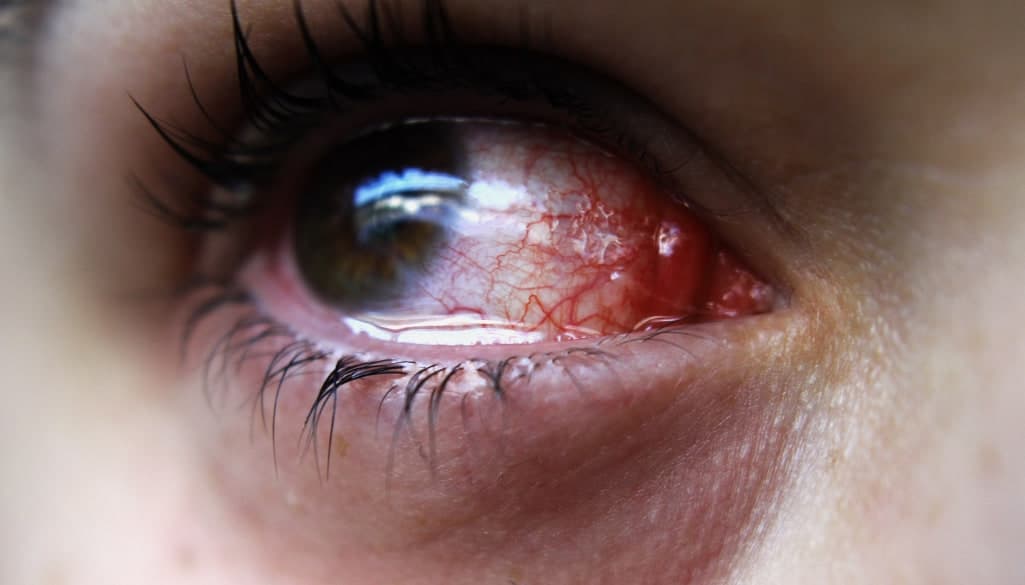
Bloodshot eyes are a very common problem. Almost everyone experiences it at some point in life. You look in the mirror and notice that the white part of your eyes looks red, pink, or irritated. Sometimes it is mild but sometimes it looks scary.
Although bloodshot eyes are generally not harmful, they may sometimes indicate an underlying medical condition. Understanding why your eyes are bloodshot is the first step toward fixing the problem and protecting your eye health.
This guide explains all possible causes, when to worry, how to treat bloodshot eyes, and how to prevent them in the future.
What Are Bloodshot Eyes?
Bloodshot eyes refers to a condition where the white part of the eye looks red or pink instead of clear white. This occurs when the small blood vessels on the surface of the eye grow and become more noticeable than normal. These vessels normally carry very little blood and are hard to notice, but when the eyes are irritated or stressed, they widen and stand out. Bloodshot eyes are not a disease on their own. They are a visible sign that the eyes are reacting to something, such as dryness, tiredness, irritation, or infection. If you often wonder “why are my eyes always bloodshot,” it usually means your eyes are under constant stress or exposure to triggers. The redness may affect one or both eyes, and it might develop suddenly or gradually.Common Symptoms That Come With Bloodshot Eyes
Bloodshot eyes may appear alone or with other symptoms, such as:- Burning or stinging feeling
- Dryness or scratchy sensation
- Watery eyes
- Itching
- Swelling around the eyes
- Sensitivity to light
- Blurred vision
- Eye pain
Why are My Eyes Bloodshot? Most Common Reasons
Bloodshot eyes usually develop when the small blood vessels on the surface of the eyes become enlarged or irritated. People who ask “why are my eyes constantly red” often have one or more of the causes listed below. Understanding these common reasons helps you identify the problem early and treat it correctly. Learning more about Red Eyes causes and treatments can help you manage symptoms effectively and protect your eye health.01. Lack of Sleep
One of the most common causes of bloodshot eyes is sleep deprivation. Your eyes rebuild surface cells and restore moisture when you sleep. The eyes stay dry and strained when sleep is interrupted or decreased. The eyes appear red and exhausted as a result of the blood vessels remaining swollen. People who stay awake late, work night shifts, or use screens before bed often experience this issue regularly.02. Dry Eyes
Insufficient tear production or rapid tear evaporation causes dry eyes. Tears are important because they maintain the cleanliness, smoothness, and protection of the eye surface. Redness results from irritation and inflammation of the eyes caused by a decrease in tear production. People who take certain medications, reside in harsh areas, and spend a lot of time in front of screens frequently get dry eyes. Dry eyes are also more likely to occur as people age.03. Excessive Screen Time
You blink less frequently when you use digital devices for extended periods of time without taking breaks. Tears are equally distributed across the surface of the eyes upon blinking. The eyes dry out and get uncomfortable as blinking slows down. Redness, burning, and eye tiredness are symptoms of this illness, which is frequently referred to as digital eye strain. Students, office workers, and gamers are particularly vulnerable to bloodshot eyes brought on by excessive screen time.04. Eye Allergies
Allergies are a major cause of bloodshot eyes, especially during seasonal changes. When allergens like pollen, dust, pet dander, or smoke enter the eyes, the immune system reacts by releasing chemicals that cause inflammation. This leads to red, itchy, and watery eyes. Rubbing the eyes makes the redness worse by further irritating the blood vessels.05. Eye Infections
Eye infections can cause noticeable redness along with discomfort and discharge. The outer layer of the eye is inflamed by conditions such as conjunctivitis, also referred to as pink eye. Infections may be viral, bacterial, or fungal, and each type can cause different symptoms. Bloodshot eyes caused by infection often appear suddenly and may be accompanied by pain, swelling, or sticky discharge, especially after sleep.06. Contact Lens Overuse
Eye irritation can result from wearing contact lenses for extended periods of time or from improper cleaning. Because contacts limit the amount of oxygen that reaches the surface of the eye, blood vessels may expand. Infection, redness, and dryness are all made more likely by poor lens hygiene. Bloodshot eyes are frequently caused by wearing contact lenses for longer than is advised or sleeping with them.07. Alcohol Consumption
Alcohol causes dehydration throughout the body, including the eyes. When the body loses fluids, tear production decreases, leading to dryness and irritation. Alcohol also widens blood vessels, which makes eye redness more visible. This is why bloodshot eyes are common after drinking alcohol, especially when fluid intake is low.08. Smoking and Smoke Exposure
Smoke contains harmful chemicals that irritate the delicate tissues of the eyes. Both smoking and secondhand smoke can dry out the eyes and trigger inflammation. Continuous exposure causes blood vessels to expand, resulting in redness and discomfort. Smokers often experience chronic eye irritation compared to non-smokers.09. Environmental Irritants
Environmental factors play a big role in eye redness. Exposure to pollution, dust, strong winds, chlorine from swimming pools, or harsh chemicals can irritate the eye surface. These irritants disrupt the natural tear film and cause inflammation, leading to bloodshot eyes. People working outdoors or in industrial settings are at higher risk.10. Eye Strain and Fatigue
Overworking the eyes without rest can cause muscle fatigue and blood vessel expansion. Activities like reading for long hours, driving for extended periods, or focusing intensely without breaks place stress on the eyes. This strain reduces blood circulation efficiency and causes redness, heaviness, and discomfort in the eyes.Treatment for Red Eyes
Red eyes are usually harmless, especially if they do not happen often or last very long. Redness and discomfort can be lessened with basic at-home care. Rest your eyes, clean your eyelids softly, massage them lightly, or apply a cold compress on eyes. By increasing moisture and removing irritants, over-the-counter artificial tears can be beneficial. Antihistamines or decongestants may assist if allergies are the source of the redness and itching. It's crucial to use lubricating eye drops because these can occasionally dry out your eyes. Antibiotics might be required if a bacterial infection is the source of the redness.Medical treatments may include:
- Steroid eye drops or oral medication
- Antibiotics in the form of eye drops, pills, or creams
- Prescription eye drops for conditions like allergies, dry eye, or glaucoma
- Laser treatment for serious conditions such as acute angle-closure glaucoma
How to Prevent Bloodshot Eyes?
You can lower the risk of red eyes by following these simple habits:- Avoid wearing eye makeup, or remove it completely every day
- Do not rub your eyes and keep your hands away from them
- If you wear contact lenses, clean and use them exactly as instructed
- Stay away from smoke, chemicals, and strong perfumes, and rinse your eyes if exposed
- Reduce moisture and mold in your home by using a dehumidifier
- Wash your hands often, especially after being around someone with an eye infection
- Take regular breaks from screens like TVs, computers, and phones to reduce eye strain
When Should You Worry About Bloodshot Eyes?
You should see a doctor if:- Redness lasts longer than 3 to 4 days
- You experience severe or increasing eye pain
- Your vision becomes blurred or changes suddenly
- There is yellow or green discharge from the eye
- Light causes pain or extreme discomfort
- Redness appears after an eye injury
- Only one eye is persistently red
- Redness occurs in children or older adults
Final Thoughts
Bloodshot eyes are very common and, in most cases, not serious. They often happen because of tired eyes, lack of sleep, long screen time, or dryness. Simple habits like resting your eyes, drinking enough water, and taking screen breaks can make a big difference. However, if eye redness does not go away, causes pain, or affects your vision, it should not be ignored. Getting timely medical advice can prevent bigger problems later. Taking care of your eyes every day helps keep your vision clear and your eyes healthy.Good to know
Frequently asked questions
Still unsure? Our team is glad to talk you through anything before you book.
- A bloodshot eye happens when the small blood vessels on the eye’s surface swell. This is usually caused by allergies, dry eyes, tiredness, smoke, dust, or eye strain. It can also be linked to infections, inflammation, injury, or contact lens problems. If redness lasts or comes with pain or discharge, see a doctor.
- Use a cool compress on closed eyes a few times a day. Stay away from smoke, dust, pollen, and other irritants. If allergies are the cause and you are unsure what triggers them, an allergy test can help identify the problem.
- Yes. When you are tired, your eyes do not get enough oxygen or moisture. This causes the blood vessels to widen, making the eyes look red and irritated.
- Yes. Low levels of certain B vitamins, especially B2 and B6, can contribute to bloodshot eyes. Poor protein intake may also play a role.
- Yes. Not getting enough sleep can dry out your eyes and cause irritation. This makes the blood vessels more visible, giving the eyes a red or bloodshot appearance.