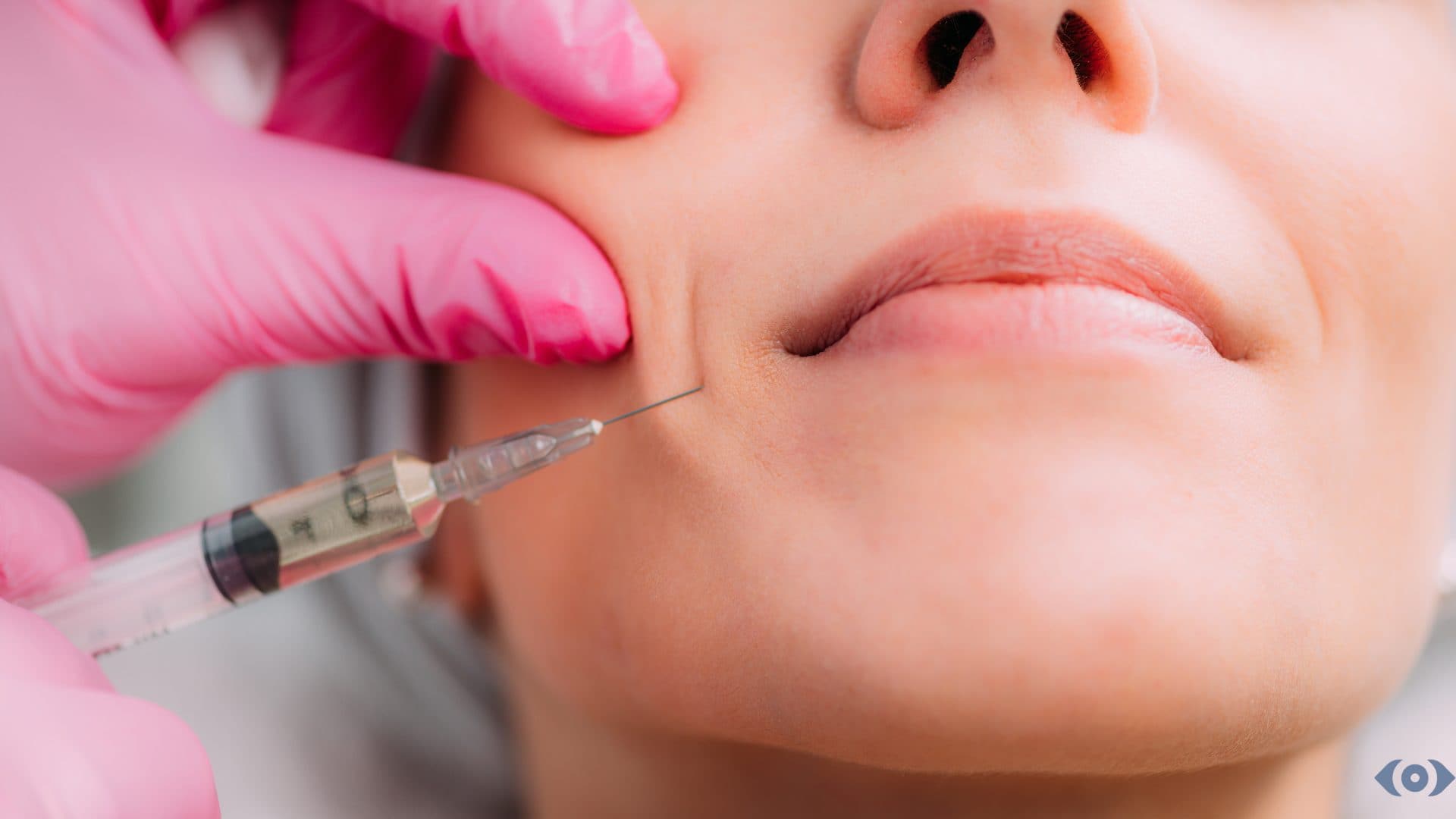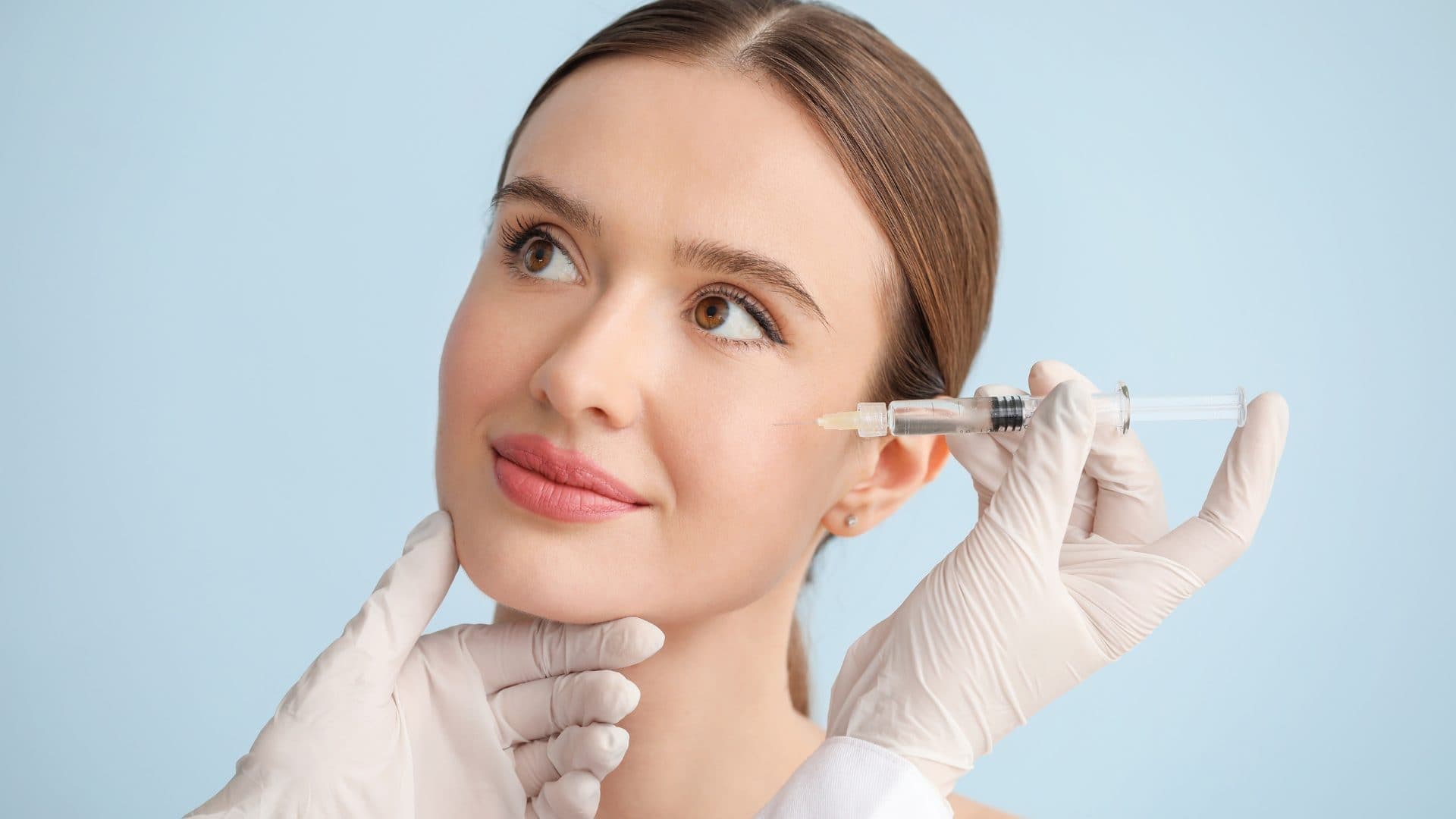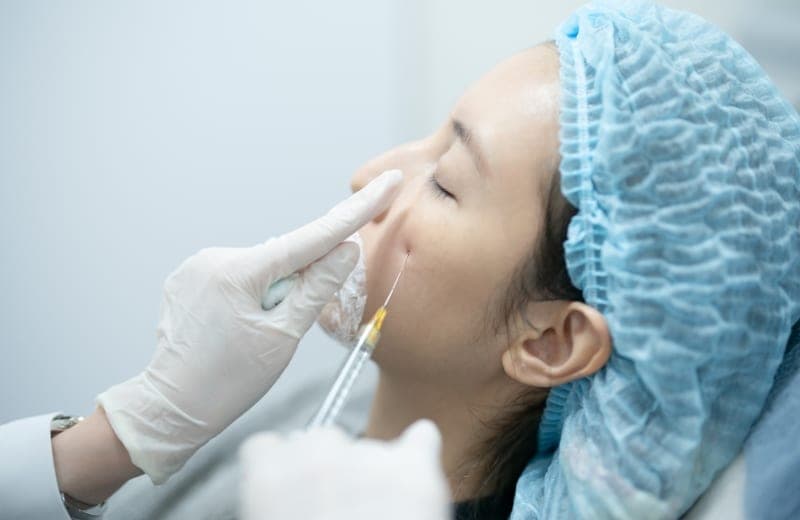
Polynucleotides are segments of fish DNA suspended in a saline injectable gel designed to help tissue repair by stimulating fibroblasts, promoting cell turnover, enhancing elasticity, and increasing collagen production and skin hydration.
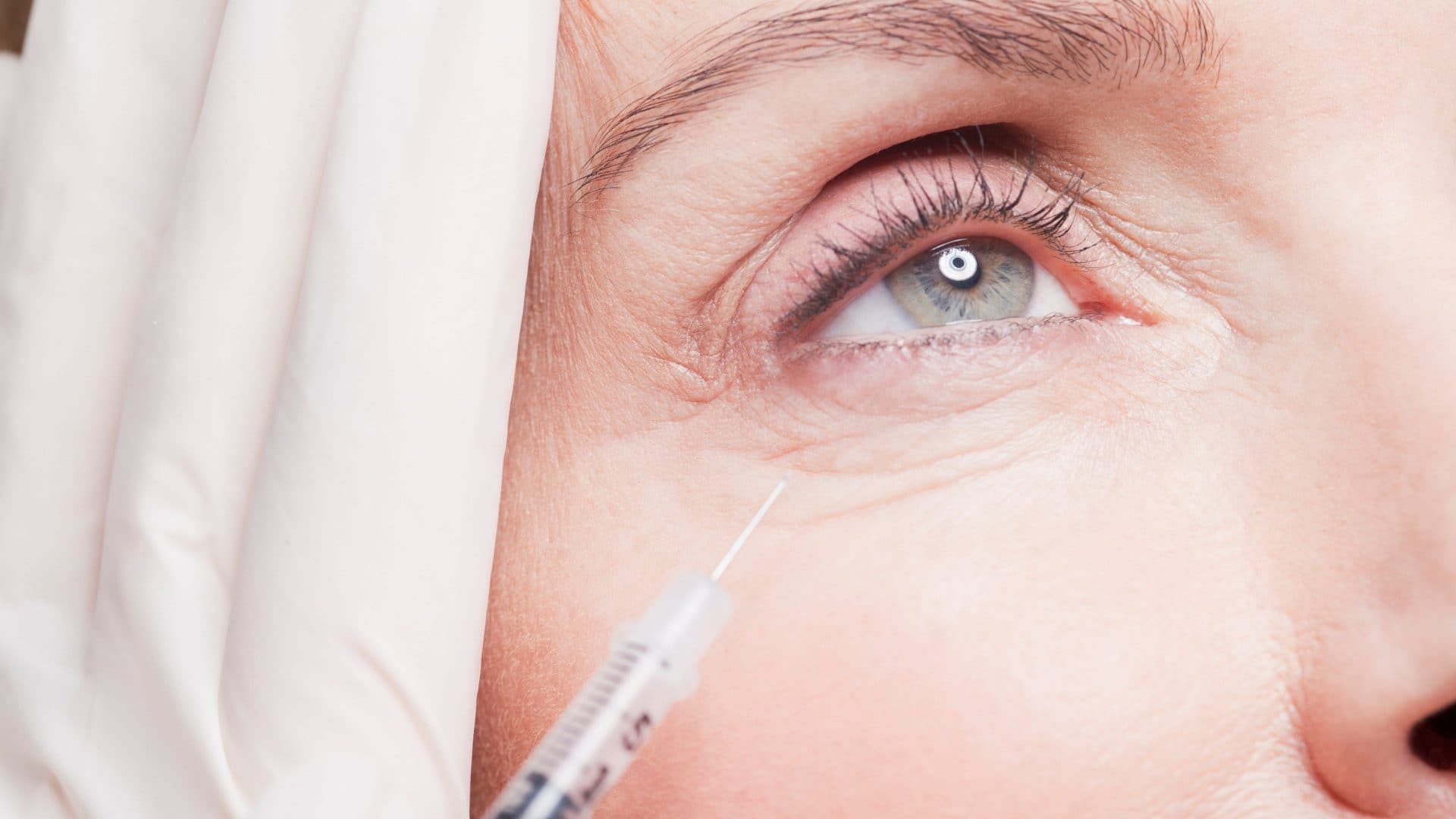
People who tend to experience swelling from traditional dermal fillers or have concerns about complications arising from dermal fillers, as well as those with very delicate under-eye skin, are great candidates. Polynucleotides under eyes improve the skin’s quality around eyes by promoting the body’s natural healing processes.
Although polynucleotide injections are effective, but like any other cosmetic treatment, they may have side effects. Through this article, we will explore polynucleotide injection side effects & give tips on how to manage them.
Polynucleotide Injection Side Effects
Although polynucleotide injections are typically well-tolerated, they can still involve some recovery time and possible side effects, similar to other procedures. If you keep yourself aware of these factors, you'll be able to make an informed choice about whether polynucleotide injections are right for you. A recovery period of 1-2 days is often specific due to the usual side effects, which include redness, swelling, and mild bruising. Additionally, other potential side effects may consist of:-
Redness
-
Swelling
-
Allergic Reactions
-
Bruising
-
Infection
- Itching or Tenderness
-
Lumps or Small Bumps
-
Granulomas
-
Vascular Occlusion
Aftercare Tips to Manage Polynucleotides Side Effects
Proper aftercare is essential to minimise side effects and get the best results from polynucleotide injections. Here are some general tips: Avoid Heat: Stay away from hot showers, saunas, and direct sun for at least 24 to 48 hours after your injection. Excessive heat can make swelling and redness worse. Stay Hydrated: Drink plenty of water and use gentle, moisturising skincare products to keep your skin hydrated. Good hydration helps with healing and supports the treatment’s effectiveness. Skip the Makeup: Avoid wearing makeup for the first 24 hours so your skin can breathe and recover fully. Putting on makeup too quickly might block pores and make infections more likely. Don’t Touch the Area: Try not to touch, pick, or scratch the treated area, as this can irritate the skin and lead to infection. Attend Follow-ups: Make sure to go to any scheduled follow-up appointments to monitor your results and address any remaining concerns with your doctor.Conclusion
Polynucleotides provide important benefits for skin rejuvenation. They help increase hydration & boost collagen production. Even though they are usually harmless, it is important to know how to handle any potential adverse effects. By adhering to aftercare guidelines and seeking advice from an experienced and skilled doctor, most side effects can be minimised or completely avoided. When contemplating polynucleotide injections, selecting a reputable clinic and an experienced doctor can significantly impact the success of the results and mitigate the risk of side effects.Good to know
Frequently asked questions
Still unsure? Our team is glad to talk you through anything before you book.
- The effects of polynucleotide treatment usually last about 6 to 9 months before you might need a touch-up session.
- There is a risk if the injected material accidentally enters a blood vessel, which can cause blockage and tissue damage. That's why it's important to have these procedures done by skilled professionals who know vascular anatomy well to avoid complications.
- This treatment isn't suitable for vegetarians, vegans, or people with fish allergies since it contains animal products. Additionally, it is not advised for women who are breastfeeding or pregnant.
- The pain level can differ from person to person, but most people say they feel a slight pinch or sting during the injection.
- Polynucleotides are generally considered safe because they break down naturally in the body over time, which lowers the chances of long-term problems.