
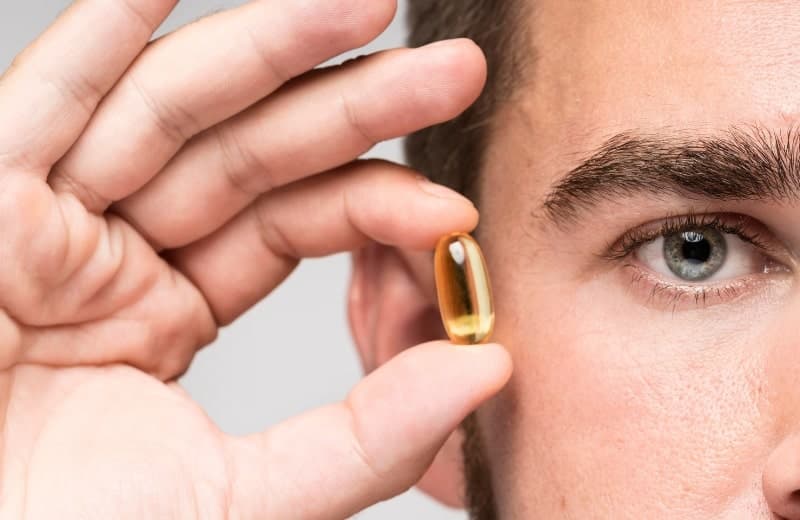
Do your eyes always feel tired, dry, or blurry, especially after being on screens for hours? You are not alone. Vision problems are more common today than they've ever been, and they are happening much more frequently in young adults. While glasses may help to correct your sight, they will not help your eye health from the inside out. That is where a supplement for eyesight can work wonders.
According to the World Health Organisation, there are over 1 billion people with preventable vision impairment, with most of these cases coming from poor nutrition and lack of vitamins for the eyes.
It is time to nourish your eyes from the inside out.
04. Zinc It aids in bringing Vitamin A to your retina and maintaining the health of your retina.
05. Omega-3 Fatty Acids Ideal for those with dry, itchy, or red eyes, particularly office workers and screen addicts.
06. Multivitamin for Eye Health Occasionally, a well-balanced multivitamin for eye health is the simplest solution to provide all the nutritional bases nutritionally. These put important ingredients into one easy capsule.
Why Supplements Matter for Eye Health
We all need to eat more veggies, omega-rich foods, and antioxidants every day. That's where an eyesight supplement bridges the gap. These supplements, taken daily, feed the eyes, guard against age-related vision loss, and even mitigate dryness and screen fatigue. You might wonder: Can eye supplements improve vision? While they won't instantly restore 20/20 sight, research shows they can slow down degeneration, support retina function, and improve clarity in many cases.What to Look for in the Best Supplement for Eyesight
Selecting an eyesight supplement should not be daunting. The following are the essential ingredients to search for:01. Lutein and Zeaxanthin
These powerful antioxidants filter harmful blue light and reduce the risk of cataracts and macular degeneration.02. Vitamin A (Beta-carotene)
Essential for night vision and preventing dry eyes. The best vitamins for eyes always include a healthy dose of Vitamin A.03. Vitamin C & E
These antioxidants protect the eyes from oxidative stress, especially if you’re constantly exposed to pollution or sunlight.04. Zinc It aids in bringing Vitamin A to your retina and maintaining the health of your retina.
05. Omega-3 Fatty Acids Ideal for those with dry, itchy, or red eyes, particularly office workers and screen addicts.
06. Multivitamin for Eye Health Occasionally, a well-balanced multivitamin for eye health is the simplest solution to provide all the nutritional bases nutritionally. These put important ingredients into one easy capsule.
Top 5 Benefits of Eye Supplements
If you're asking yourself why everyone is resorting to a Supplement for Eyesight, here's the reason: these small capsules are filled with nutrients that your eyes require but hardly get enough of from diet alone. Let us dissect the top 5 advantages of taking eye supplements regularly.01. Clearer, Sharper Vision
With time, age, screen time, and diet can cause blurry or unfocused eyes. The finest eye vitamins for blurry vision, such as Lutein, Zeaxanthin, and Vitamin A, support the health of your retina and enhance the acuteness of your vision. These nutrients act like filters inside the body, enhancing contrast and diminishing glare sensitivity, particularly in dim light.02. Less Digital Eye Strain
If your eyes feel tired or dry after long hours on a phone or laptop, you’re likely dealing with digital eye strain. Eye supplements rich in omega-3 fatty acids, antioxidants, and zinc help restore moisture, reduce inflammation, and relieve that heavy, burning feeling. A good multivitamin for eye health can bring comfort back to your screen-heavy days.03. Protection Against Age-Related Vision Loss
One of the most important functions of an eye supplement is to shield your eyes from long-term harm. Age-related macular degeneration (AMD) is a major cause of vision loss, particularly after 50. Proven formulas, such as AREDS2, include Vitamin C, Vitamin E, Zinc, and Lutein to help delay the onset of AMD. So, yes, can eye supplements help improve vision in the long run? Definitely, particularly for ageing eyes.04. Reduced Eye Dryness and Irritation
Most individuals suffer from dry eyes, either because of environmental factors, excessive screen use, or a lack of proper hydration. Omega-3 fatty acid supplements in the form of fish or flaxseed oil ensure proper tear production. These nutrients provide natural lubrication, relieving redness, burning, and grittiness, making them one of the most suitable vitamins for dry-eye-prone eyes.05. Long-Term Eye Health Maintenance
Even though your vision appears to be good at the moment, prevention is always better than a cure. Having a regular supplement for eyesight guarantees your eyes are receiving daily protection against oxidative stress, detrimental blue light, and nutritional deficiencies. Whether you are in your 20s or 60s, it's an easy step to future-proof your vision. Most people look for eye vitamins for adults or the best eye sight improvement supplement UK, and there is a good reason for this; regular use can keep strong and healthy vision well into old age.Eye Vitamins for Kids vs. Adults
For adults, the need is usually for a higher dose, especially for those working at screens for hours at a time. Thus, adult eye vitamins typically have higher doses of lutein, omega-3s, and zinc. For kids, mild, chewable versions might be better, with lower concentrations.How Long Does It Take to See Results?
Taking a supplement for eyesight is NOT magic. Most people start to see results, like less dryness, better vision, and less strain, after consistently taking eye vitamins for 4 to 12 weeks. Keep in mind these are eyecare supplements, so they are preventative and supportive, not curative.They are most impactful when combined with:
- Regular eye-test
- The "20-20-20" rule (look at something 20 feet away for 20 seconds every 20 minutes).
- Stay hydrated and eat a balanced diet.
When To Visit a Doctor for Your Eyes?
Taking an eyesight supplement can be helpful, but it is no replacement for expert medical care. Sometimes you should visit an eye doctor rather than using vitamins as the sole remedy.Make an appointment if you notice:
- Sudden or increasing blurry vision.
- Spots, floaters, or flashes of light.
- Constant headaches or eyeaches.
- Difficulty seeing in the dark or driving.
- Red, itchy, or extremely dry eyes that don't get better.
- A history of glaucoma, cataracts, or macular degeneration in your family.
Do I Need Eye Supplements?
A very popular question is: Do I need a supplement for vision? You can benefit from eye supplements if:- You have prolonged hours of screen use daily
- You experience dry, fatigued, or blurry vision.
- You don't consume many leafy greens, fruits, or foods rich in omega-3.
- You have a family history of vision loss.
- You're over 40 years of age, when age-related eye changes start.
- You want to avoid or retard the development of macular degeneration or cataracts.
Final Thoughts
If you suffer from blurry vision, tired eyes, or want to protect your vision as you age, then a Supplement for Eyesight is a great step to add to your routine. It’s not just about better vision today - it’s about seeing better tomorrow. It doesn’t matter if you are looking for the best eye vitamins for blurry vision, browsing for vitamins for eyes at Boots, or trying vitamins for eyesight at Holland and Barrett; consistency is the key. Take control of your vision currently. A small capsule could alter your view of the world tomorrow.Good to know
Frequently asked questions
Still unsure? Our team is glad to talk you through anything before you book.
- Yes, particularly for age-related or nutrient deficiency concerns. They aid in maintaining healthy vision and can slow the progression of certain eye conditions.
- Lutein, Zeaxanthin, Vitamin A, Vitamin C, Vitamin E, and Zinc are viewed as the best vitamins for your eyes.
- You could try vitamins for eyesight from Holland and Barrett, or consider vitamins for eyes from Boots. Alternatively, consult your optometrist for professional advice.
- Most are taken once or twice per day. As always, follow the label or consult your healthcare provider for guidance.
- You can supplement with a multivitamin for eye health, but for targeted vision support, you should take eye-specific supplements.