

What Are Your Treatment Options?
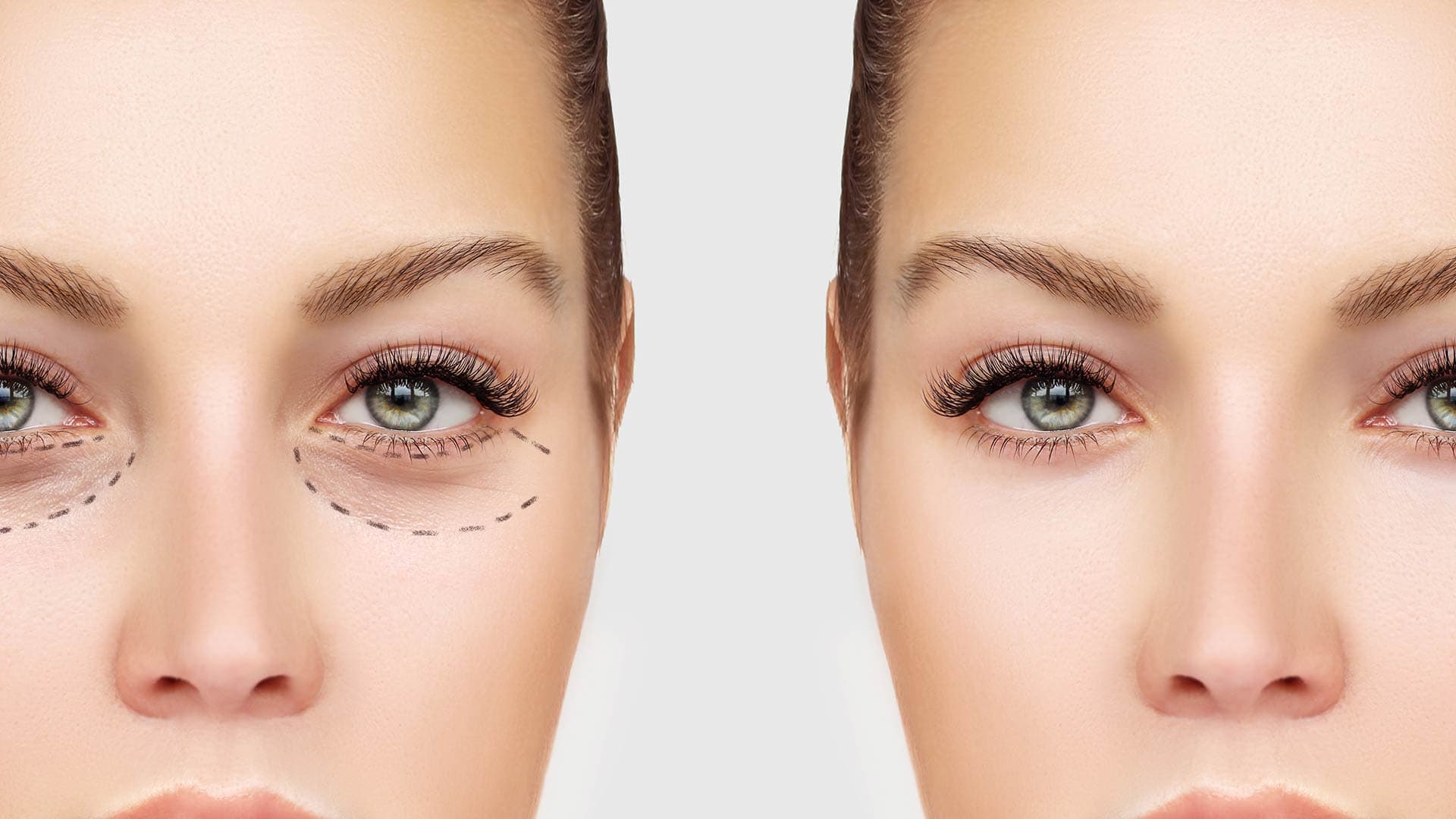
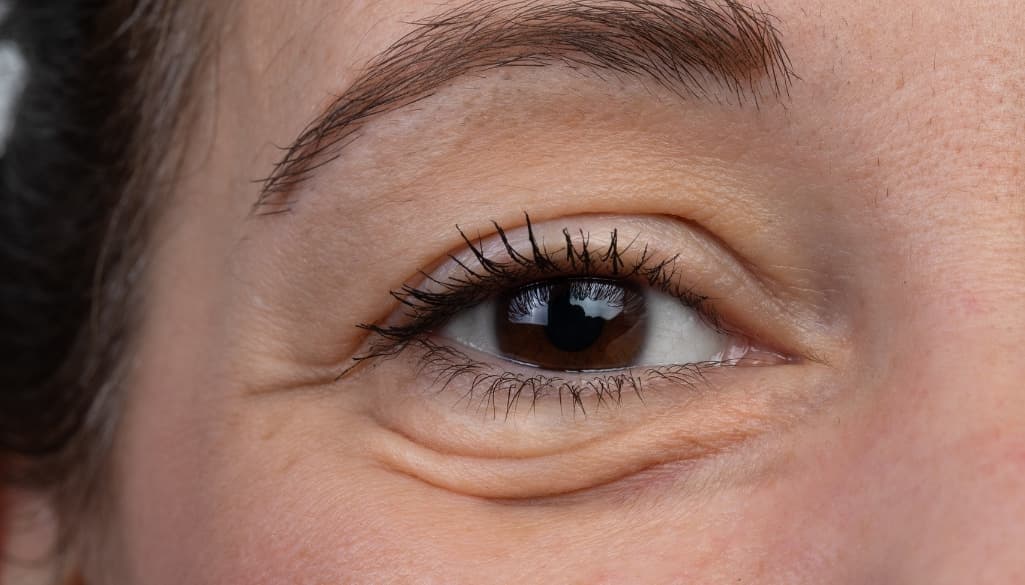
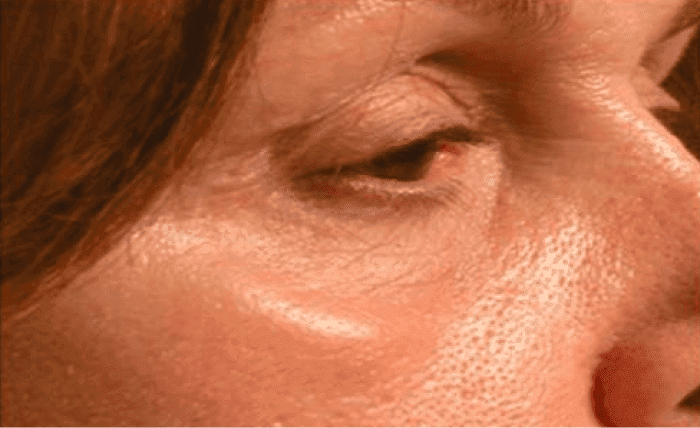
Malar bags are more challenging to treat than the common herniated under-eye fat bags. It is important to understand and try to tackle the causative factors, and to choose an oculoplastic surgeon with multimodal experience in managing this condition.
Minimally Invasive Treatments - Mild to Moderate Malar Bags
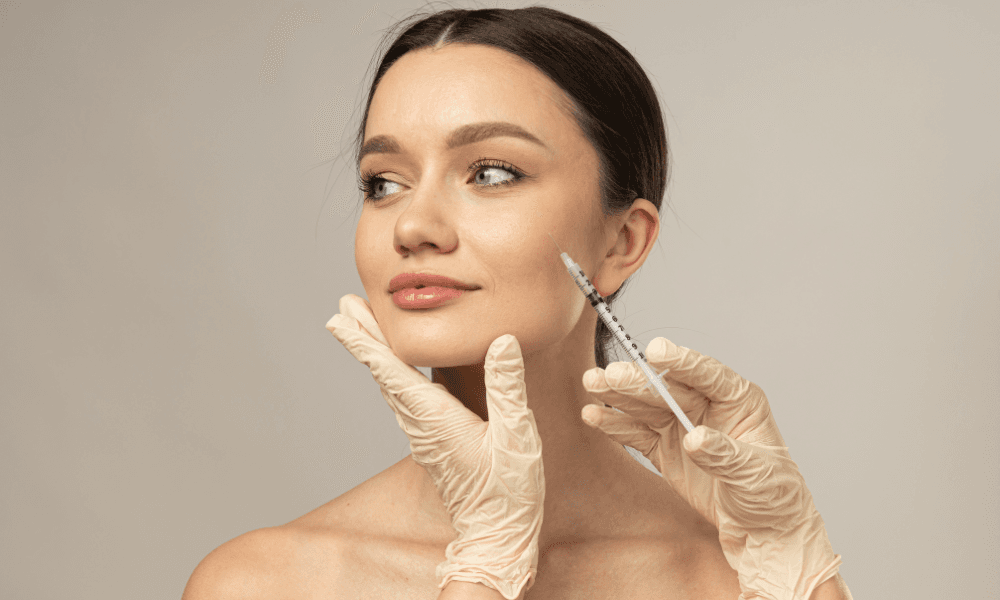
Hyaluronidase - a dissolving enzyme. Often one quick and painless injection is highly effective in resolving the malar bag, especially if it is present due to contributing under-eye filler. This is accepted as a first-line treatment for malar swelling post tear trough / cheek hyaluronic filler injection.
Cost: from £400 per area (ultrasound-guided filler dissolving £450 per area)
Tetracycline Injection - injection with 2% tetracycline within the malar bag has been reported to modestly reduce malar bags. The mechanism is thought to be a sclerosis triggered by tetracycline, along with stimulation of collagen and fibrin. Maximal effect is expected around 3 months, after which repeat injections can be considered. Although further research is required, this offers a non-invasive alternative for mild malar edema and mounds, as well as a complementary intervention for more significant or persistent bags.
Cost: £300 per injection
Dermal Filler - injected in the cheek. Dr Sabrina Shah-Desai prefers to use Biostimulation or a hyaluronic acid gel filler with less water-binding capacity. High water-binding fillers may worsen malar edema in patients who have had previous eyelid surgery or trauma and may have disrupted lymphatics. The aim of this treatment is to camouflage mild swelling and support the ptotic malar muscle and fat.
Cost: from £600 per syringe (inclusive of VAT) with Dr Shah-Desai, or £400 per syringe (+VAT) with her team
Radiofrequency Micro-Needling - Dr Sabrina Shah-Desai has extensive experience with this energy-based treatment since 2016, and finds a course of 3 treatments every 4-6 weeks highly effective in reducing excessive skin laxity and tightening the "ptotic" malar fat by 30-75%. Animal studies indicate an encouraging possibility of lymphatic reorganisation. Side effects are generally mild and temporary (redness, swelling and bruising), with most newer studies showing no significant complications. There are no limitations on the skin types that can be treated with radiofrequency, unlike with lasers. Long-term effectiveness is variable, and Dr Shah-Desai currently recommends an annual maintenance treatment.
Cost: £650 per treatment (festoons / eyes)
Minimally Invasive Treatments - Moderate to Severe Malar Bags
Endolift Laser - a relatively newer procedure for treating malar bags. Dr Shah-Desai uses this technology to deliver laser energy into the malar fat compartment under the skin. Long-term effectiveness is not yet clear, though early results are very encouraging. Dr Sabrina advises considering this prior to invasive surgical treatments, as the downtime is generally only 2 weeks (swelling, bruising), with malar bags improving by up to 50% within 3-6 months after one treatment.
Cost: from £2,000
Invasive Treatments - Severe or Persistent Malar Bags
Surgical Management
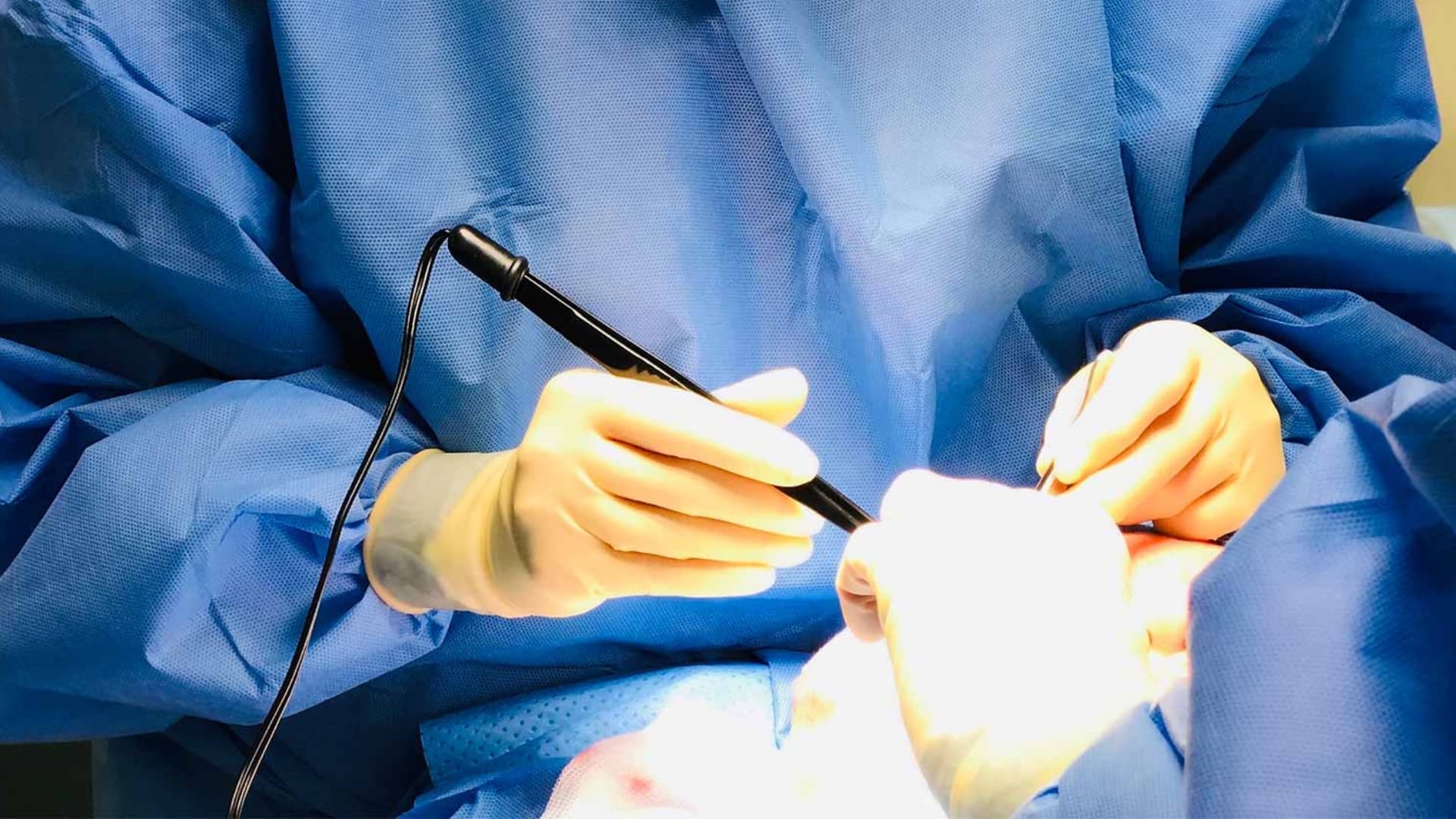
Apart from being invasive, surgery is associated with an increased potential for complications and can leave a high percentage of persistent malar bags postoperatively. There is no single surgical procedure that is "gold standard" for all patients.
Direct Excision
An option for select elderly patients who either have excessive skin, redundant festoons that are persistent and severe, or who worry less about potential scarring in place of the malar bags.
- Advantages: quick, performed under local anaesthesia, with minimal downtime (1-2 weeks).
- Disadvantages: not suitable for patients with extensive orbicularis hypertrophy, attenuation or ptotic midface. Will leave a visible scar over the area of the festoon.
Cost: from £5,000
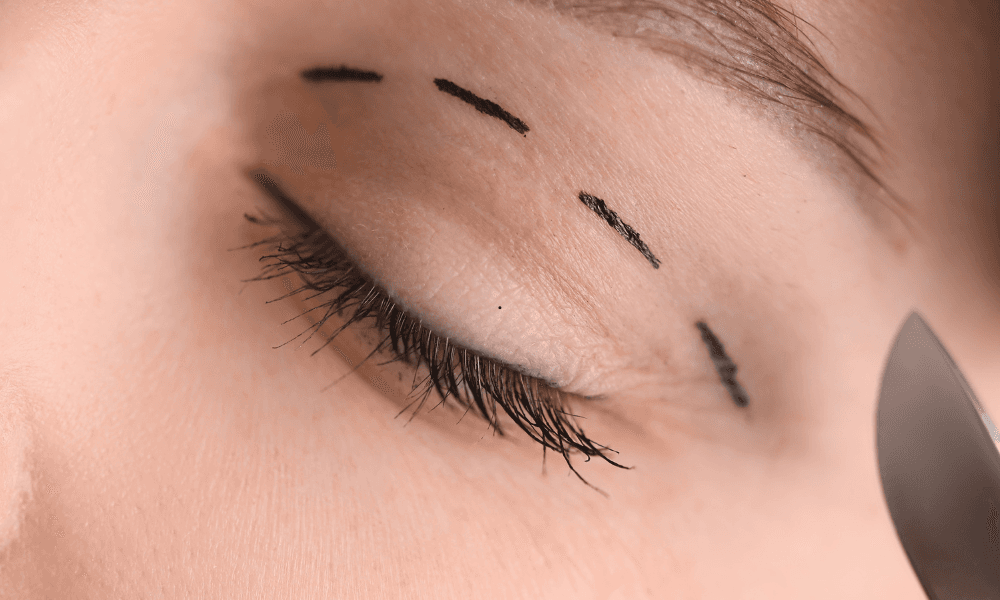
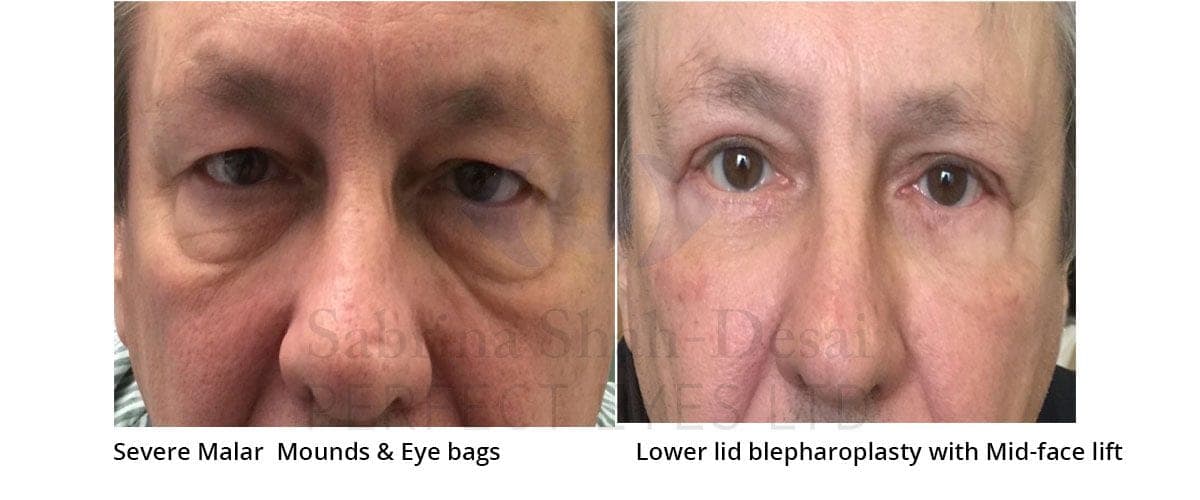
Extended Lower Lid Blepharoplasty with Midface Lift
An option for select patients who have severe malar edema, malar mounds or festoons that are persistent or recurrent, following minimally invasive non-surgical treatments.
- Advantages: allows eye bags and saddle bags to be tackled simultaneously.
- Disadvantages: performed under general or twilight anaesthesia; longer downtime (2-12 weeks); will leave a small scar at the outer corner of the eye.
Cost: from £9,000