Many people experience pain or pressure behind the eye at some point, often describing it as throbbing, stabbing, or a persistent ache behind the eyeball, in the left eye, or in the right eye. This discomfort affects people of all ages and backgrounds, impacting work, sleep, and quality of life.
Identifying the underlying cause is crucial because symptoms can stem from issues as minor as eye strain to as serious as inflammation, glaucoma, or infection. Clear guidance means better decisions and healthier eyes.
What Does Pain Behind the Eye Mean?
Common Symptoms
Pain behind the eye can manifest as:- Ache behind the eyeball, left eye, or right eye
- Pressure, tightness, or fullness sometimes increases with movement
- Redness, tearing, or blurred vision
- Throbbing associated with migraines or headaches behind the eyes
- Sensitivity to light or sound
Main Causes of Pain Behind the Eye
There’s no single answer to what causes pain behind the eye. Several conditions may be responsible, and often more than one is present.01. Eye Strain and Dry Eyes
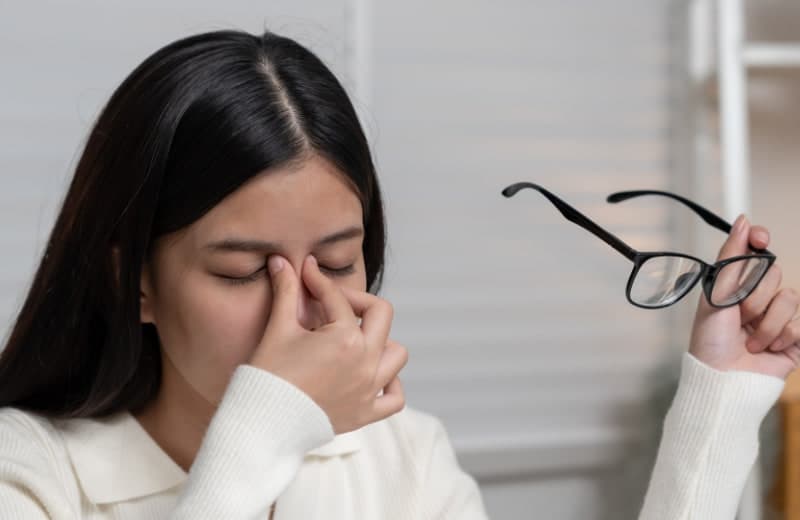
Modern lifestyles often involve hours spent on screens or reading in poor lighting, which can cause the eye muscles to fatigue. Common triggers include:- Long work or gaming sessions
- Poor posture or monitor positioning
- Skipping prescribed glasses or an outdated prescription
- Dry indoor air or climate
02. Sinus Infection or Sinus Pressure
Sinusitis, or inflammation of the sinuses behind the eyes and cheekbones, commonly causes pain and pressure behind the eyes. Triggers and symptoms:- Infection (viral/bacterial)
- Nasal congestion, fever, post-nasal drip, facial pain
- Swelling or tenderness near the nose or cheeks
03. Migraine and Headache Behind the Eyes
Migraine and tension headaches account for many cases of pain behind the eyes. Key facts:- Migraines often feature throbbing pain, visual changes, nausea, and sensitivity to light/sound. Pain usually starts around the eye and temple.
- Tension headaches are characterised by tightness or pressure around the forehead and eyes, often triggered by stress, poor sleep, or skipped meals.
- Cluster headaches: Intense, searing pain behind one eye, occurring repeatedly, sometimes with redness, tearing, and swelling.
04. Glaucoma and High Eye Pressure
Glaucoma is a serious condition in which increased eye pressure damages the optic nerve, risking permanent vision loss if left untreated. Symptoms include:- Deep ache, sometimes sudden, behind the eye
- Eye redness, blurred vision, halos around lights
- Nausea or vomiting, especially in acute attacks
05. Optic Neuritis (Nerve Inflammation)
Optic neuritis is an inflammation of the nerve connecting the eye to the brain, causing sharp pain (especially with movement), changes in vision, loss of colour vision, or flashing lights. Often associated with autoimmune conditions, such as multiple sclerosis.06. Infections and Inflammation (Uveitis, Scleritis)
Uveitis and scleritis are types of eye inflammation that can cause deep pain behind the eye, accompanied by redness, sensitivity to light, and vision problems. Causes include:- Autoimmune diseases
- Infections
- Injury
07. Dental, Jaw, and Face Issues
Dental infections, toothaches, or jaw joint (TMJ) problems can “refer” pain behind the eye. Misaligned bite, tension, or facial injury may also contribute, highlighting the complex connections between oral and eye health.When to Worry - Serious Warning Signs
Pain behind the eye can sometimes be a sign of a serious condition that requires immediate medical attention. Watch for:- Suddenly, severe pain or persistent ache behind eyeball unresponsive to basic care
- Blurred vision, double vision, vision loss
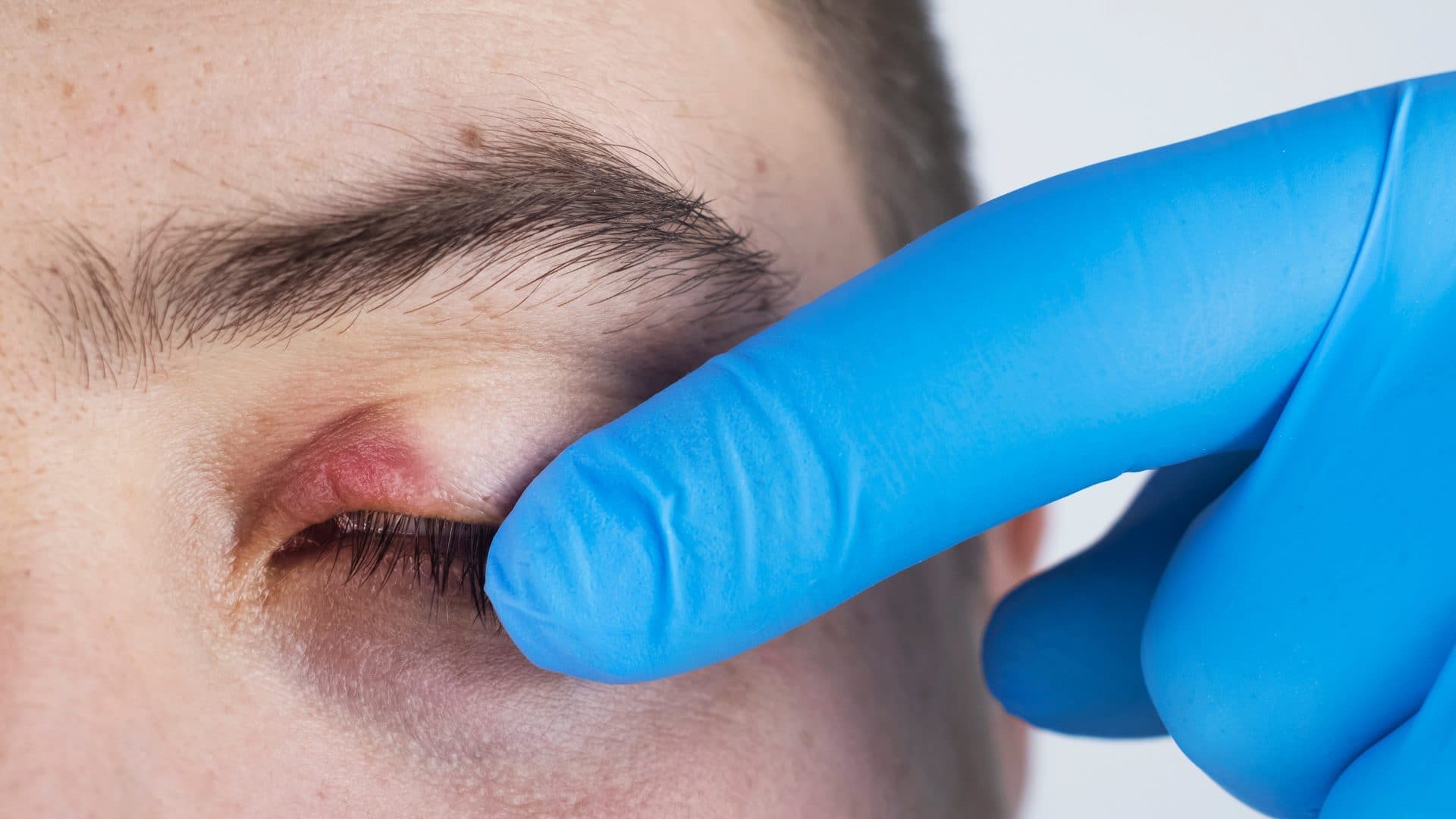
- Redness, swelling, or discharge
- Severe headache, nausea, vomiting
- Eye trauma or exposure to chemicals
- Neurological symptoms (weakness, confusion)
How Doctors Diagnose Pain Behind the Eye
Diagnosis begins with a complete eye and medical exam. Steps may include:- Detailed symptom history and timing
- Slit lamp and fundus eye exams to check for inflammation, infection, and injuries
- Eye pressure test (tonometry) to rule out glaucoma
- Visual acuity, colour vision, and side vision checks
- Imaging (CT, MRI) if sinus problems, nerve inflammation, or injury are suspected
Treatment Options
Treatment matches the underlying cause. Several options are available for relieving mild pain at home, while others need medical attention.01. Home Remedies for Mild Pain Behind the Eye
- Warm compresses help relieve sinus and tension pain.
- Artificial tears help alleviate dryness caused by screens or air conditioning.
- Over-the-counter pain medications (acetaminophen, ibuprofen) reduce headache and general discomfort.
- Hydration, gentle massage, and resting your eyes (away from screens) can relieve a mild ache behind the eye.
- Nasal decongestants or steam inhalation for sinus-related symptoms.
02. Medical Treatments
Treatment is personalised based on diagnosis:- Prescription eye drops to reduce pressure or treat inflammation (glaucoma, uveitis)
- Antibiotics or antivirals for infections
- Steroid or immunosuppressive therapy for autoimmune inflammation
- Migraine medicines: triptans, anti-nausea agents, preventive treatments
- Dental procedures or TMJ therapy if tooth/jaw issues are present
How to Relieve Headache Behind Eyes-Naturally and Medically
- Use cool compresses for tension headaches
- Practice stress reduction and regular sleep routines
- Limit alcohol, caffeine, and processed foods (migraine triggers)
- Seek physical therapy for neck, shoulder, or jaw tension
- Consult your eye doctor for prescribed therapies tailored to the cause
Self-Care & Prevention Tips
You can prevent many causes of pain behind the eye or reduce their severity by:- Following the 20-20-20 screen rule (every 20 minutes, look at something 20 feet away for 20 seconds)
- Using artificial tears, especially in dry environments
- Ensuring your prescription lenses are up-to-date
- Setting up workspaces with good lighting and ergonomics
- Hydrating, eating a balanced diet, and resting regularly
- Scheduling regular eye, dental, and medical check-ups
When to See a Doctor
Contact a healthcare provider promptly if:- Pain behind the eye becomes severe, sudden, or does not improve
- Any vision changes, double vision, or complete loss of sight
- Pain is joined by redness, swelling, discharge, or other concerning symptoms
- Warning signs like nausea, vomiting, confusion, or weakness appear
Conclusion
Pain behind the eye is a complex symptom with many causes, ranging from mild dryness to urgent medical conditions. Every case is unique, and understanding what triggers your symptoms helps you seek the right treatment. If your pain persists or is accompanied by vision changes, consult a professional for timely relief and peace of mind.Good to know
Frequently asked questions
Still unsure? Our team is glad to talk you through anything before you book.
- Pain behind one eye usually relates to migraine, sinus inflammation on one side, early glaucoma, injury, or nerve-related inflammation. Shifts in vision, redness, or swelling are red flags.
- Most headaches behind the eyes are due to migraines, tension headaches, cluster headaches, sinus infections, or eyestrain. Sometimes jaw alignment or dental infection triggers pain that radiates behind the eyes.
- Take breaks from screens or reading. Use warm or cool compresses as needed. Massage temples and forehead gently. Drink water and take mild pain relief medication as needed. Blink often to prevent dryness and fatigue.
- Yes, allergies often lead to inflammation of the eyes and nasal passages, causing itchiness, redness, and swelling that can create a feeling of pressure or pain behind the eyes. Seasonal allergic rhinitis, or exposure to allergens such as dust or pet dander, can trigger these symptoms, along with watery eyes and sneezing. Managing allergies with antihistamines or avoiding triggers can help relieve discomfort behind the eye.
- Pain behind the eye can sometimes be caused by trauma to the eye or the presence of a foreign object, such as dust or an eyelash, in the eye. Injuries may cause sharp pain, redness, tearing, and sensitivity to light. Prompt medical evaluation is important to assess for serious damage and prevent complications. Foreign body removal and appropriate treatment help resolve pain and protect the eye surface.