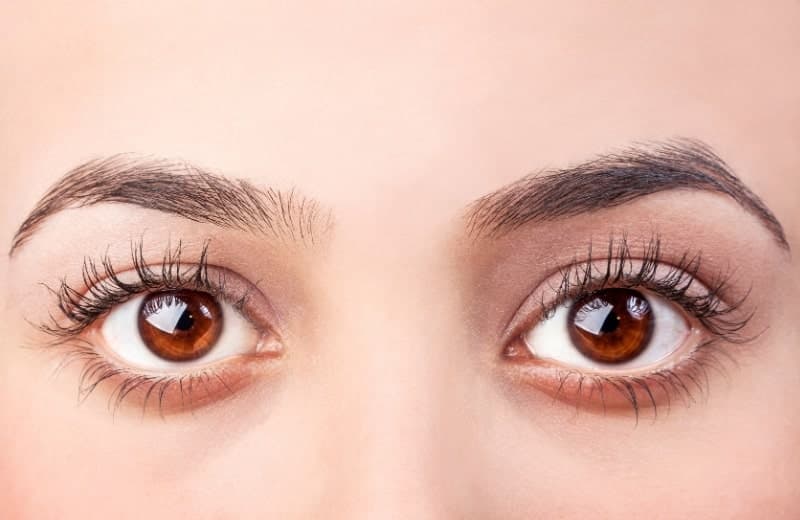
Have you ever stopped and wondered about the colour of your eyes? It’s a question that has fascinated people for generations because our eye colour is more than just something that makes us unique; it can tell a story about where we come from and even hint at our health. Interestingly, between 70 to 79% of people around the world have brown eyes, making it the most common eye colour globally.
This isn’t just a random fact; it reflects how our genetics and environment shape who we are. But eye color isn’t only about appearance. It also plays a role in eye health and treatments, making it something clinicians pay close attention to.
So if you’ve ever asked yourself, what color are my eyes? You’re in good company; many people are curious to learn the science and stories behind their gaze.
Why Do We Have Different Eye Colours?
Eye colours arise from the interaction of pigments in the iris and how light scatters through them. The primary pigment determining eye colour is melanin, the same pigment that influences skin and hair colour.- Brown eyes have high melanin levels.
- Green and hazel eyes have moderate melanin.
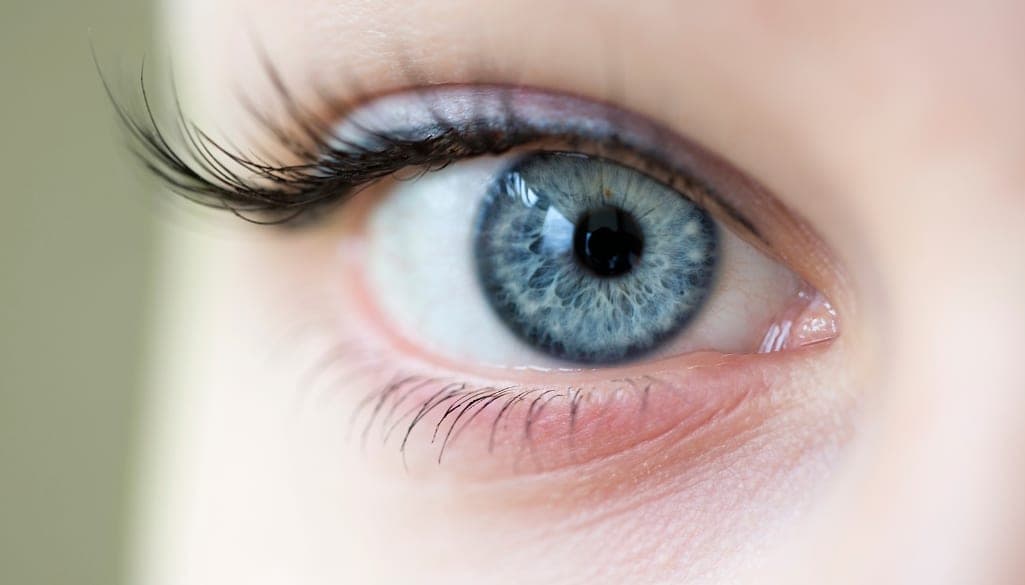
- Blue and grey eyes have low melanin content.
The Genetics Behind Eye Colours
Eye colour is inherited from your parents through a complex interaction of multiple genes. While we used to think of eye colour as a simple dominant-recessive trait, modern science shows that about 16 genes influence this trait. Two major genes responsible are OCA2 and HERC2, located on chromosome 15. The OCA2 gene controls melanin production in the iris. Variations in this gene result in different eye colors. For example, a mutation reducing melanin production leads to blue or green eyes. The HERC2 gene regulates the expression of OCA2, further fine-tuning the shade of the eye. Contrary to old beliefs, having two parents with blue eyes does not always mean the child will have blue eyes; sometimes, due to complex genetic combinations, a child can inherit brown or green eyes. This polygenic inheritance explains the wide variety of eye colours we see worldwide.Common Eye Colours Explained
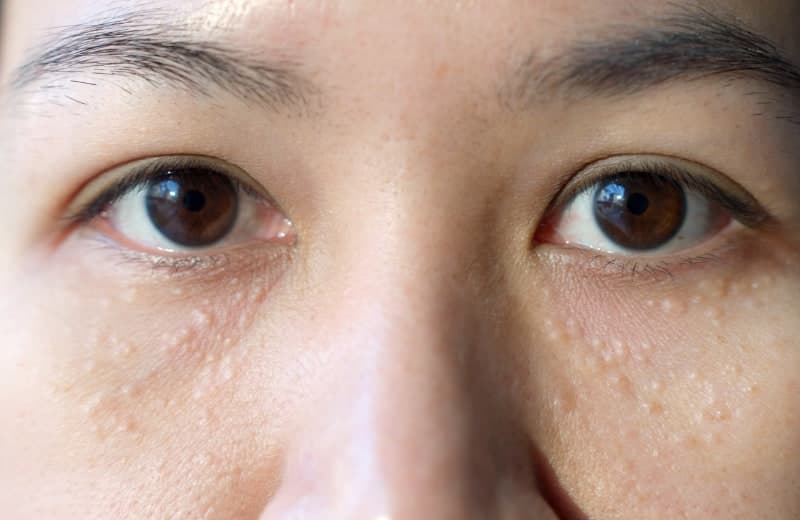
01. Brown Eyes: Brown is the most frequent eye colour worldwide, attributed to high melanin concentration in the iris. This dense melanin absorbs most light, creating brown hues that range from deep chocolate to lighter caramel shades. Brown eyes offer a natural UV protection advantage, which partly explains their prevalence in sunnier regions like Africa and Asia. 02. Blue Eyes: Blue eyes are less common, comprising about 8-10% of the global population. They arise from a genetic mutation that reduces melanin in the iris’s front layers, resulting in light scattering that gives the eye its blue appearance. Blue eyes are most commonly found in Northern and Eastern Europe. 03. Green Eyes: Representing approximately 2% of the global population, green eyes are quite rare. Their colour results from a combination of low to moderate melanin levels and a yellowish pigment called pheomelanin. This mix gives green eyes their distinct, enchanting vibrancy. 04. Hazel Eyes: Hazel eyes are a complex blend of colours, often shifting from brown to green to gold depending on the lighting. They emerge from diverse pigment deposits, creating a mosaic effect that makes each pair unique.Rare and Unique Eye Colours
Some eye colours are extremely uncommon and result from particular genetic traits or health conditions:- Amber eyes have a golden or coppery tint caused by the pigment lipochrome.
- Grey eyes contain more collagen in the iris and exhibit light scatter, resulting in a muted, silvery tone.
- Violet eyes, a rare variation, can be a result of blue eyes with a reddish hue due to increased visibility of blood vessels.
- Red eyes, typically associated with albinism, happen when melanin is absent, and the underlying blood vessels are visible.
How Eye Colour Can Affect Vision and Sensitivity
Eye colour can influence how much light enters your eyes and how you perceive glare. People with lighter eyes may need stronger UV protection, while those with darker eyes might have better glare tolerance. This is why comprehensive eye exams often consider pigmentation when recommending treatments like specialised lenses or surgical options.Understanding Your Eye Colour
If you are wondering, "what color are my eyes?" or "what eye color do I have?" you can start by using an eye colour chart. These charts visually categorise the broad spectrum of eye colours and their subtle variations for easier identification. Note that eye colours exist on a continuum with many nuances in shade, lightness, and intensity. The chart helps differentiate between close colours like hazel and light brown or grey and blue-green eyes. Lighting, clothing colours, and surrounding environments can also influence how eye colour appears, so it's helpful to view eyes under natural daylight for accuracy.Eye Colour Changes Over Time
Eyecolours aren't always fixed for life. It’s common for babies to be born with blue or grey eyes that darken within the first few years as melanin develops. Adults may also experience subtle changes due to ageing, health conditions, or trauma. Certain diseases or medications can sometimes affect eye pigmentation. Additionally, eyes can appear to change colour depending on lighting, clothing, or emotions due to pupil dilation and light reflection. Understanding these factors explains why your eye colour may sometimes seem different in pictures or various settings.Conclusion
The question "What color are my eyes?" touches on science, genetics, culture, and personal identity. Eye colour is not just a simple trait but a beautiful result of biology and environmental influences that make every pair of eyes unique. Exploring your eye colour can be both intriguing and informative. If you have concerns about your eye health or are curious about treatments related to eye conditions or pigmentation, consulting with eye specialists can provide expert insights and care options. Knowing more about your eyes is a valuable step toward maintaining overall eye health today and for the years ahead.Good to know
Frequently asked questions
Still unsure? Our team is glad to talk you through anything before you book.
- Look at your eyes in natural daylight and compare them to an eye colour chart. Apps that analyse eye photos can also help identify your exact shade.
- Yes, several apps use your photo to accurately detect and name your eye colour.
- Yes, eyes can naturally darken or lighten during childhood, and slight changes may occur with age or due to health conditions. Sudden changes in adults warrant a doctor’s checkup.
- Rare colours include green, amber, grey, violet, and red (in albinism), mainly due to unique pigment levels and genetics.
- Brown eyes have more melanin, offering better sun protection, while lighter eyes may be more sensitive and prone to certain eye conditions.