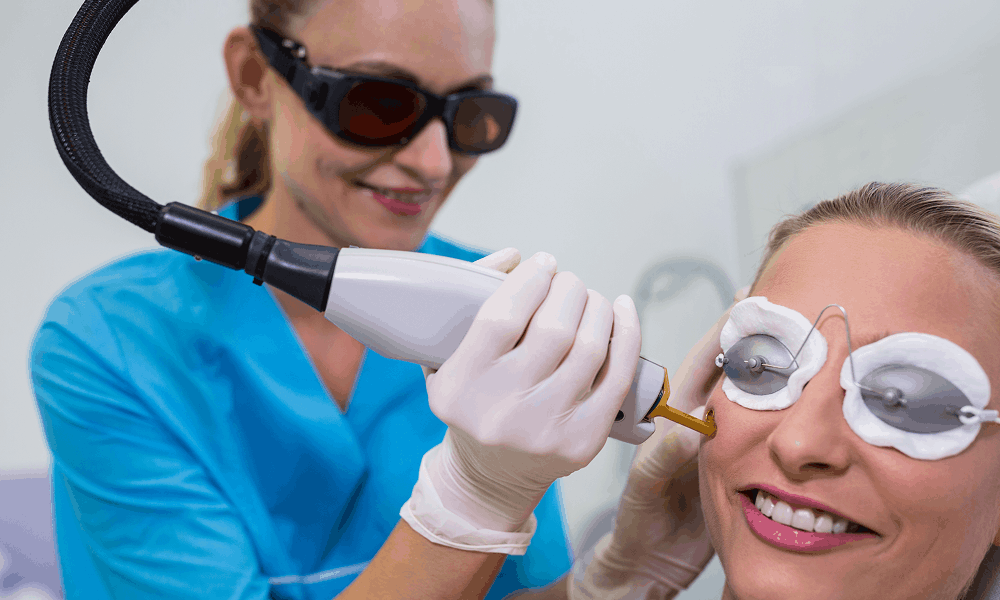
Yes, cosmetic laser eye surgery is completely safe when performed by a specialist oculoplastic surgeon. Doctors use protective metal shields to protect the actual eyeball while treating the delicate skin around it.
When you hear the words ‘laser eye surgery,’ you might immediately think of LASIK to fix your eyesight. However, cosmetic laser treatments are completely different.
However, the question remains: Is it safe?
At Perfect Eyes Clinic, safety is the foundation of every treatment. This guide shows how cosmetic laser surgery works. It covers safety measures used by oculoplastic surgeons. You'll also learn how to decide if it's the right choice for you.
Vision Correction (Refractive Surgery): This includes procedures such as LASIK. These lasers reshape the cornea (the front of the eye) to improve sight. This is performed by refractive surgeons.
Cosmetic Laser Surgery (Oculoplastic): This is what we specialise in. These lasers treat the eyelids and the skin around the eyes. They are used to:
Hyperpigmentation (Dark Spots) This is the most common risk, especially for darker skin tones. If a laser generates excessive heat, the skin may respond by producing excess melanin. This leaves dark patches on the eyelids. The Fix: ‘Cold’ lasers, like UltraClear, lower this risk much more than traditional CO2 lasers.
Prolonged Redness After a deep laser treatment, the skin will be pink. This is normal. However, if the treatment is too aggressive, this redness can last for months.
Infection The laser creates tiny open wounds. If the patient touches their eyes with unclean hands or applies makeup too soon, bacteria can enter the eyes.
Ectropion (Very Rare) If a laser is used too aggressively to tighten the lower lid, the skin can contract excessively, pulling the eyelid away from the eyeball. Seeing an Oculoplastic Surgeon is safer than visiting a general aesthetician. They specialise in the structure of the eyelid.
Active Infections: If you have an active stye or infection, you are not eligible for laser treatment. The heat can spread the bacteria.
Recent Sun Exposure: You cannot laser tan skin. The laser targets pigment. If your skin is tanned, the laser might burn the surface rather than targeting the wrinkle.
Certain Medications: Some drugs (such as Roaccutane) can make the skin very sensitive and slow to heal.
What Do We Mean by Laser Eye Surgery?
First, it is important to clear up the confusion. There are two main types of laser eye procedures.Vision Correction (Refractive Surgery): This includes procedures such as LASIK. These lasers reshape the cornea (the front of the eye) to improve sight. This is performed by refractive surgeons.
Cosmetic Laser Surgery (Oculoplastic): This is what we specialise in. These lasers treat the eyelids and the skin around the eyes. They are used to:
- Tighten loose, crepey skin (often called a ‘Madonna Lift’).
- Remove deep wrinkles and crow’s feet.
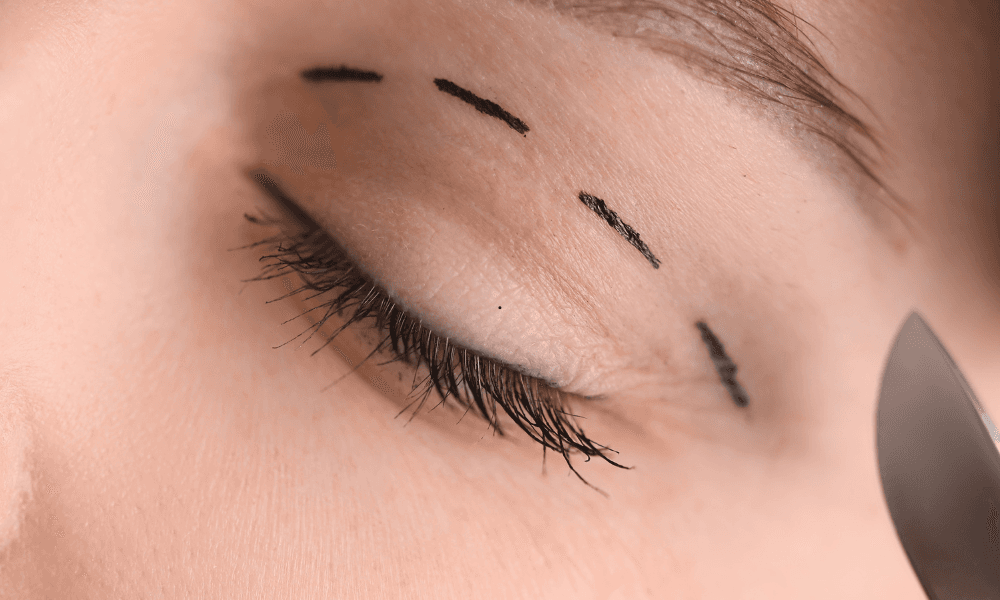
- Perform incisions during Eyelid Surgery (Blepharoplasty) (using a laser instead of a scalpel to reduce bleeding).
- Treat dark circles and pigmentation.
The Physics of Safety: How Lasers Work
To understand if it is safe, you need to understand the physics. A laser is simply a beam of concentrated light. When this light strikes the skin, it is converted into heat. In the past, lasers were blunt instruments. They burned the entire top layer of skin off. This meant weeks of raw, red skin and a high risk of scarring. Modern technology is different. Devices like the UltraClear Laser use cold fibre laser technology. Instead of burning the tissue with intense heat, they create tiny, precise channels in the skin. Think of it like aerating a lawn. The laser creates microscopic holes while leaving the surrounding skin untouched. This triggers the body to rush in and produce new collagen to heal the tiny holes. The result is tighter, smoother skin without the severe damage caused by older lasers.The ‘Eye Shield’ Protocol
The biggest fear patients have is: ‘What if the laser hits my eye?’ This is a valid fear. However, in a medical clinic, there is a strict protocol to prevent this. When treating the eyelids (especially near the lash line), a specialist will use an intraocular shield. This looks like a large contact lens. It is made of metal (usually stainless steel or titanium). It is placed directly onto the eye after numbing drops are applied. You do not feel it. This shield acts as a physical barrier. The laser simply cannot pass through it. It allows the surgeon to safely treat the very edge of the eyelid, knowing the vision is 100% protected.The Risks: What Can Go Wrong?
No medical procedure is zero-risk. Modern lasers are safer than before. But complications can still occur. This usually happens for two main reasons: incorrect settings or poor patient selection.Hyperpigmentation (Dark Spots) This is the most common risk, especially for darker skin tones. If a laser generates excessive heat, the skin may respond by producing excess melanin. This leaves dark patches on the eyelids. The Fix: ‘Cold’ lasers, like UltraClear, lower this risk much more than traditional CO2 lasers.
Prolonged Redness After a deep laser treatment, the skin will be pink. This is normal. However, if the treatment is too aggressive, this redness can last for months.
Infection The laser creates tiny open wounds. If the patient touches their eyes with unclean hands or applies makeup too soon, bacteria can enter the eyes.
Ectropion (Very Rare) If a laser is used too aggressively to tighten the lower lid, the skin can contract excessively, pulling the eyelid away from the eyeball. Seeing an Oculoplastic Surgeon is safer than visiting a general aesthetician. They specialise in the structure of the eyelid.
Who Is NOT Suitable for Lasers?
Part of safety is knowing when to say ‘no.’Active Infections: If you have an active stye or infection, you are not eligible for laser treatment. The heat can spread the bacteria.
Recent Sun Exposure: You cannot laser tan skin. The laser targets pigment. If your skin is tanned, the laser might burn the surface rather than targeting the wrinkle.
Certain Medications: Some drugs (such as Roaccutane) can make the skin very sensitive and slow to heal.
Laser vs. Traditional Surgery
Patients often ask whether they should have the skin removed instead. For patients with thick upper eyelids, traditional Upper Eyelid Blepharoplasty is often safer and more effective than laser treatments. A laser can tighten texture, but it cannot remove large amounts of excess skin. However, for patients with ‘crepey’ skin (skin that looks like thin tissue paper), the laser is often safer than surgery. Surgery tightens the skin, but it doesn't change its quality. Laser treatment actually thickens the skin by stimulating collagen production.The Importance of ‘Cold’ Energy
As mentioned, heat is a safety concern for darker skin tones. Traditional CO2 lasers generate significant heat. This thermal spread can damage the healthy tissue next to the wrinkle. Newer technologies prioritise Cold Ablation. This means the energy is delivered so fast that it vaporises the damaged tissue before the heat has time to spread. This protects the surrounding skin and nerves, making the procedure more comfortable and promoting faster healing.What to Expect: The Recovery Timeline
Safety also means managing expectations.- Day 1-2: Eyes may be puffy and red. It feels like a bad sunburn. You might need cold compresses.
- Day 3-5: Skin may begin to peel or flake. This is the old, damaged skin coming away.
- Day 7: Most people can wear mineral makeup and return to work.
- Week 4-6: The collagen production kicks in, and the skin starts to look smoother and tighter.
Why the Operator Matters More Than the Machine?
You can have the safest car in the world, but if the driver is reckless, it is not safe. The same applies to lasers. A Class 4 Medical Laser is a powerful tool. In the UK, regulations on who can use these lasers are surprisingly loose. An Oculoplastic Surgeon understands the layers of the eyelid: the skin, the muscle, the fat, and the eye itself. They know exactly how deep to go to achieve results without damaging the delicate structures beneath.Summary: Is It Safe?
The short answer is: Yes, when performed by a specialist. Cosmetic laser eye surgery is a highly effective way to turn back the clock without a scalpel. It offers precision that manual surgery sometimes cannot match. However, it is not a lunchtime facial. It is a medical procedure.The Safety Checklist:
- Does the clinic use corneal shields to protect the eye?
- Is the practitioner medically trained in eyelid anatomy?
- Does laser technology suit your specific skin tone?
Good to know
Frequently asked questions
Still unsure? Our team is glad to talk you through anything before you book.
- Most patients find it very tolerable. Numbing cream is applied for 45 minutes before the treatment. You might feel a prickling heat sensation, but it is not sharp pain. Afterwards, it feels like a sunburn for about 24 hours.
- In cosmetic eyelid treatments, the risk to vision is virtually zero if intraocular shields are used. These metal shields physically prevent the laser beam from contacting the cornea.
- The results of laser resurfacing are long-lasting. You are physically removing the old, damaged skin. However, your skin will continue to age. Most patients enjoy the results for several years before needing a top-up.
- Laser resurfacing can tighten the skin over a mild eye bag, making it look better. However, it cannot remove the fat pad itself. For bulging fat in the lower eyelids, Lower Eye Bag Removal Blepharoplasty is the appropriate treatment.
- Traditional lasers were not safe for dark skin. Modern Cold Fibre lasers, such as UltraClear, are FDA-cleared for all skin types. This includes Asian and Black skin. They work by reducing heat that can cause pigmentation problems.