
Today, we spend long hours looking at screens, and while quick fixes may seem easier, they often harm our eyes in the long run.
But what if improving your eyesight isn’t only about getting stronger glasses or lenses? This is not just a usual eye care guide. We’ll explore ways to improve your vision, focusing on the small changes you can make in your diet & the simple habits that can help your eye health.
Carrots, sweet potatoes, bell peppers (especially red and yellow), mangoes, and apricots - These are packed with beta-carotene, which your body converts to Vitamin A, crucial for good vision, especially in low light.
Berries (blueberries, strawberries, raspberries, blackberries) - Full of antioxidants that help protect your eyes from damage.
Whole grains ( brown rice, oats, whole wheat bread) - Gives you steady energy through complex carbs and supplies vitamin E, which supports and protects your eye cells.
Citrus fruits (oranges, lemons, grapefruits) - Loaded with Vitamin C, a powerful antioxidant that reduces damage from free radicals.
Leafy greens (spinach, kale, collard greens) - High in lutein and zeaxanthin, two nutrients that filter harmful light and protect your retina.
Lutein & Zeaxanthin: These are potent antioxidants that act like internal sunglasses, filtering harmful blue light and safeguarding your macula. They are essential for keeping central vision sharp.
Fish: Fatty fish like salmon, tuna, and mackerel are rich in Omega-3 fatty acids, particularly DHA. These essential fatty acids are vital for the structural integrity of your retina and can help prevent dry eyes and age-related macular degeneration.
Egg: Eggs, especially the yolks, are a fantastic source of lutein, zeaxanthin, and zinc. Zinc helps bring Vitamin A from the liver to the retina to produce melanin, a protective pigment in the eyes.
Carotenoids: Beyond lutein and zeaxanthin, other carotenoids like beta-carotene (found in carrots and sweet potatoes) are precursors to vitamin A, essential for good vision, especially in low light.
Smoking Cessation: Giving up smoking greatly lowers your chances of developing serious eye conditions and helps preserve your vision. It reduces your chance of developing cataracts, macular degeneration, and optic nerve damage.
Physical Activities: Regular physical activity improves blood circulation throughout the body, including your eyes. This ensures a consistent supply of oxygen and nutrients to your ocular tissues, which reduces the risk of conditions like glaucoma. Get Enough Sleep: Adequate sleep allows your eyes to rest, repair, and rejuvenate. Lack of sleep can lead to eye strain, dryness, twitching, and blurred vision. Make sure you’re getting enough good-quality sleep at least for 7 to 9 hours.
Practice the 20-20-20 Principle: For every 20 minutes of screen time, look at something 20 feet away for 20 seconds. This simple principle helps prevent digital eye strain and keeps your eye muscles relaxed.
Screen Breaks: Along with the 20-20-20 rule, step away from screens for a few minutes every hour or so. Get up, walk around, and focus on distant objects to give your eyes a much-needed rest.
Wear Protective Eyewear: This is paramount. Always wear sunglasses that block 99-100% of UVA and UVB rays when outdoors. When you do activities that might hurt your eyes, like sports, home projects, or gardening, wear proper eye protection.
Manage Chronic Conditions: Conditions like diabetes and high blood pressure can significantly impact eye health if not properly managed. Regular monitoring and adherence to treatment plans are crucial for preventing complications like diabetic retinopathy or hypertensive retinopathy.
Understand Your Family History: Certain eye conditions, like glaucoma and macular degeneration, can have a genetic component. Understanding your family’s eye health history helps you and your eye doctor stay ahead with early checks and preventive care.
Maintain Hand Hygiene: This is often overlooked but crucial for eye health. To avoid infection, always wash your hands well before touching contact lenses, brushing your teeth, or putting on makeup.
Eye Rolls: Slowly roll your eyes in a clockwise direction for a few repetitions, then reverse. This helps improve the flexibility of your eye muscles.
Near and Far Focus: Hold your thumb about 6 inches from your face and focus on it for a few seconds. After that, move your eyes to something ten to twenty feet away and focus for a short while. For a few repetitions, switch between close and far focus. This exercise strengthens your focusing ability.
Zooming: Extend one arm straight out, with your thumb up. Pay attention to your thumb as you slowly bring it in closer and then slowly pull it away from your nose. Repeat several times. This helps with convergence and divergence.
Conscious Blinking: We often blink less when we're staring at a screen, which causes dry eyes. Consciously blinking more often, especially when using digital devices, keeps your eyes lubricated and refreshed. This simple act helps distribute tears across the eye surface, preventing dryness and discomfort.
Palming: This relaxation technique involves covering your closed eyes with your cupped hands (without applying pressure) for a few minutes. The warmth and darkness help soothe tired eyes and relieve strain.
Focus on Colours: Take a moment to consciously observe and name the different colours around you. This simple practice encourages your eyes to focus and discriminate between various hues, enhancing visual acuity.
Regular Eye Exams / Visit the Opticians: Comprehensive eye exams are vital for detecting vision problems and eye diseases early, often before you even notice symptoms. An optometrist or ophthalmologist can assess your overall eye health, check for glaucoma, cataracts, macular degeneration, and other conditions, and update your prescription if needed.
Vitamins: While a healthy diet should be your primary source of nutrients, your eye care professional might recommend specific vitamin supplements if you have deficiencies or are at a higher risk for certain eye conditions. Common eye-friendly vitamins include A, C, E, and minerals like zinc and copper.
Ways to Improve Eyesight
Improving your eyesight starts with simple habits. Here are the most effective ways to support and sharpen your vision.1. Eat for Your Eyes
What you put on your plate has a big impact on your eyes' health. Your diet is fuel for your ocular system.- Healthy Diet:
Carrots, sweet potatoes, bell peppers (especially red and yellow), mangoes, and apricots - These are packed with beta-carotene, which your body converts to Vitamin A, crucial for good vision, especially in low light.
Berries (blueberries, strawberries, raspberries, blackberries) - Full of antioxidants that help protect your eyes from damage.
Whole grains ( brown rice, oats, whole wheat bread) - Gives you steady energy through complex carbs and supplies vitamin E, which supports and protects your eye cells.
Citrus fruits (oranges, lemons, grapefruits) - Loaded with Vitamin C, a powerful antioxidant that reduces damage from free radicals.
Leafy greens (spinach, kale, collard greens) - High in lutein and zeaxanthin, two nutrients that filter harmful light and protect your retina.
Lutein & Zeaxanthin: These are potent antioxidants that act like internal sunglasses, filtering harmful blue light and safeguarding your macula. They are essential for keeping central vision sharp.
Fish: Fatty fish like salmon, tuna, and mackerel are rich in Omega-3 fatty acids, particularly DHA. These essential fatty acids are vital for the structural integrity of your retina and can help prevent dry eyes and age-related macular degeneration.
Egg: Eggs, especially the yolks, are a fantastic source of lutein, zeaxanthin, and zinc. Zinc helps bring Vitamin A from the liver to the retina to produce melanin, a protective pigment in the eyes.
Carotenoids: Beyond lutein and zeaxanthin, other carotenoids like beta-carotene (found in carrots and sweet potatoes) are precursors to vitamin A, essential for good vision, especially in low light.
2. Lifestyle Habits
In addition to your diet, your daily routine is crucial to preserving the best possible eye health.Smoking Cessation: Giving up smoking greatly lowers your chances of developing serious eye conditions and helps preserve your vision. It reduces your chance of developing cataracts, macular degeneration, and optic nerve damage.
Physical Activities: Regular physical activity improves blood circulation throughout the body, including your eyes. This ensures a consistent supply of oxygen and nutrients to your ocular tissues, which reduces the risk of conditions like glaucoma. Get Enough Sleep: Adequate sleep allows your eyes to rest, repair, and rejuvenate. Lack of sleep can lead to eye strain, dryness, twitching, and blurred vision. Make sure you’re getting enough good-quality sleep at least for 7 to 9 hours.
Practice the 20-20-20 Principle: For every 20 minutes of screen time, look at something 20 feet away for 20 seconds. This simple principle helps prevent digital eye strain and keeps your eye muscles relaxed.
Screen Breaks: Along with the 20-20-20 rule, step away from screens for a few minutes every hour or so. Get up, walk around, and focus on distant objects to give your eyes a much-needed rest.
Wear Protective Eyewear: This is paramount. Always wear sunglasses that block 99-100% of UVA and UVB rays when outdoors. When you do activities that might hurt your eyes, like sports, home projects, or gardening, wear proper eye protection.
Manage Chronic Conditions: Conditions like diabetes and high blood pressure can significantly impact eye health if not properly managed. Regular monitoring and adherence to treatment plans are crucial for preventing complications like diabetic retinopathy or hypertensive retinopathy.
Understand Your Family History: Certain eye conditions, like glaucoma and macular degeneration, can have a genetic component. Understanding your family’s eye health history helps you and your eye doctor stay ahead with early checks and preventive care.
Maintain Hand Hygiene: This is often overlooked but crucial for eye health. To avoid infection, always wash your hands well before touching contact lenses, brushing your teeth, or putting on makeup.
3. Eye Exercises and Practical Techniques
While eye exercises won't cure severe vision problems, they can help improve eye muscle flexibility, reduce strain, and enhance focus.- Eye Exercises:
Eye Rolls: Slowly roll your eyes in a clockwise direction for a few repetitions, then reverse. This helps improve the flexibility of your eye muscles.
Near and Far Focus: Hold your thumb about 6 inches from your face and focus on it for a few seconds. After that, move your eyes to something ten to twenty feet away and focus for a short while. For a few repetitions, switch between close and far focus. This exercise strengthens your focusing ability.
Zooming: Extend one arm straight out, with your thumb up. Pay attention to your thumb as you slowly bring it in closer and then slowly pull it away from your nose. Repeat several times. This helps with convergence and divergence.
Conscious Blinking: We often blink less when we're staring at a screen, which causes dry eyes. Consciously blinking more often, especially when using digital devices, keeps your eyes lubricated and refreshed. This simple act helps distribute tears across the eye surface, preventing dryness and discomfort.
Palming: This relaxation technique involves covering your closed eyes with your cupped hands (without applying pressure) for a few minutes. The warmth and darkness help soothe tired eyes and relieve strain.
Focus on Colours: Take a moment to consciously observe and name the different colours around you. This simple practice encourages your eyes to focus and discriminate between various hues, enhancing visual acuity.
4. Professional Guidance and Regular Check-ups
Even with the best self-care, professional eye care is indispensable.Regular Eye Exams / Visit the Opticians: Comprehensive eye exams are vital for detecting vision problems and eye diseases early, often before you even notice symptoms. An optometrist or ophthalmologist can assess your overall eye health, check for glaucoma, cataracts, macular degeneration, and other conditions, and update your prescription if needed.
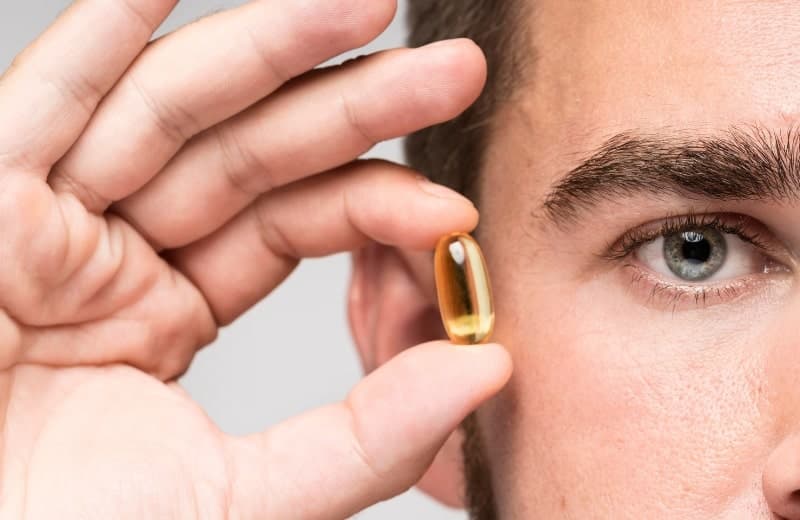
Vitamins: While a healthy diet should be your primary source of nutrients, your eye care professional might recommend specific vitamin supplements if you have deficiencies or are at a higher risk for certain eye conditions. Common eye-friendly vitamins include A, C, E, and minerals like zinc and copper.
Final Thoughts
Improving your eyesight doesn’t happen overnight, but consistent, healthy habits can make a big difference. Your eyes deserve daily care, not just when problems arise. By eating right, resting well, staying active, and protecting your eyes, you can maintain sharp vision and prevent early eye issues.Good to know
Frequently asked questions
Still unsure? Our team is glad to talk you through anything before you book.
- Yes, while serious vision problems may need medical help, natural habits like eating healthy, doing eye exercises, and reducing screen strain can help improve and maintain good eyesight.
- Leafy greens, eggs, fish, citrus fruits, carrots, and nuts are all great for your eyes. They are rich in lutein, omega-3 fatty acids, and vitamins A, C, and E.
- At least 7 to 8 hours of sleep every night helps your eyes rest, recover, and stay healthy.
- Yes, simple exercises like figure-eight and focus shifting can reduce eye strain and improve focus, especially for people who work on screens all day.
- Once every year is ideal. But see an eye doctor as soon as possible if you experience headaches, pain, or changes in your vision.