Ptosis Surgery (Droopy Eyelid Repair) - by Leading Oculoplastic Surgeon, Dr Sabrina Shah-Desai, in London
Correct a drooping eyelid and restore balance to the anatomy, whether the cause is hereditary, age-related, or affecting vision and confidence.
Accredited & recognised by




At a Glance
- Duration
- 30 - 90 Minutes
- Anaesthesia
- Local ± sedation (adults); general (children)
- Final results
- Complete recovery within 14 days
What is Ptosis Surgery?
Ptosis Surgery, otherwise described as "Droopy Eyelid Repair", is a surgical procedure designed to correct a droopy eyelid and restore balance to the anatomy. The primary aim of Ptosis Surgery is to address the causative factors: whether due to hereditary abnormal muscle development in childhood, or as a result of stretching to the muscle and tendon, which can occur with age.
If left untreated, a droopy eyelid can cause blurring of vision or watering of the eye due to the weight of the eyelid pressing on the front of the eye. Ptosis in a child can also affect visual development and lead to amblyopia (lazy eye). It can affect the superior field of vision, causing patients to raise their eyebrows constantly (which can lead to headaches), or tip their head back to gain clear vision. Ptosis can also become a cosmetic issue, affecting a person's self-esteem, as it often looks more pronounced in photographs.

How Does the Procedure Work?
Ptosis Surgery helps to restore the anatomy by correcting a drooping eyelid. The commonest operation for age-related ptosis is to tighten the tendon or muscle that lifts the eyelid. Less commonly, a strip of tissue from the thigh (called the "fascia lata") or a silicone band is used to lift the eyelid. The cut can be hidden within the inside of the eyelid, resulting in a scar-less, minimally-invasive operation - otherwise the cut can be made within the skin fold, thus hiding the scar.
Depending upon the cause of ptosis, surgery can range from a simple 30-minute procedure to a more complicated 90-minute procedure. Recovery times are generally quick, with most patients achieving complete recovery within 14 days.
In adults, most Ptosis Surgery is performed under local anaesthesia with or without sedation. All Ptosis Surgery in children is performed under general anaesthesia.
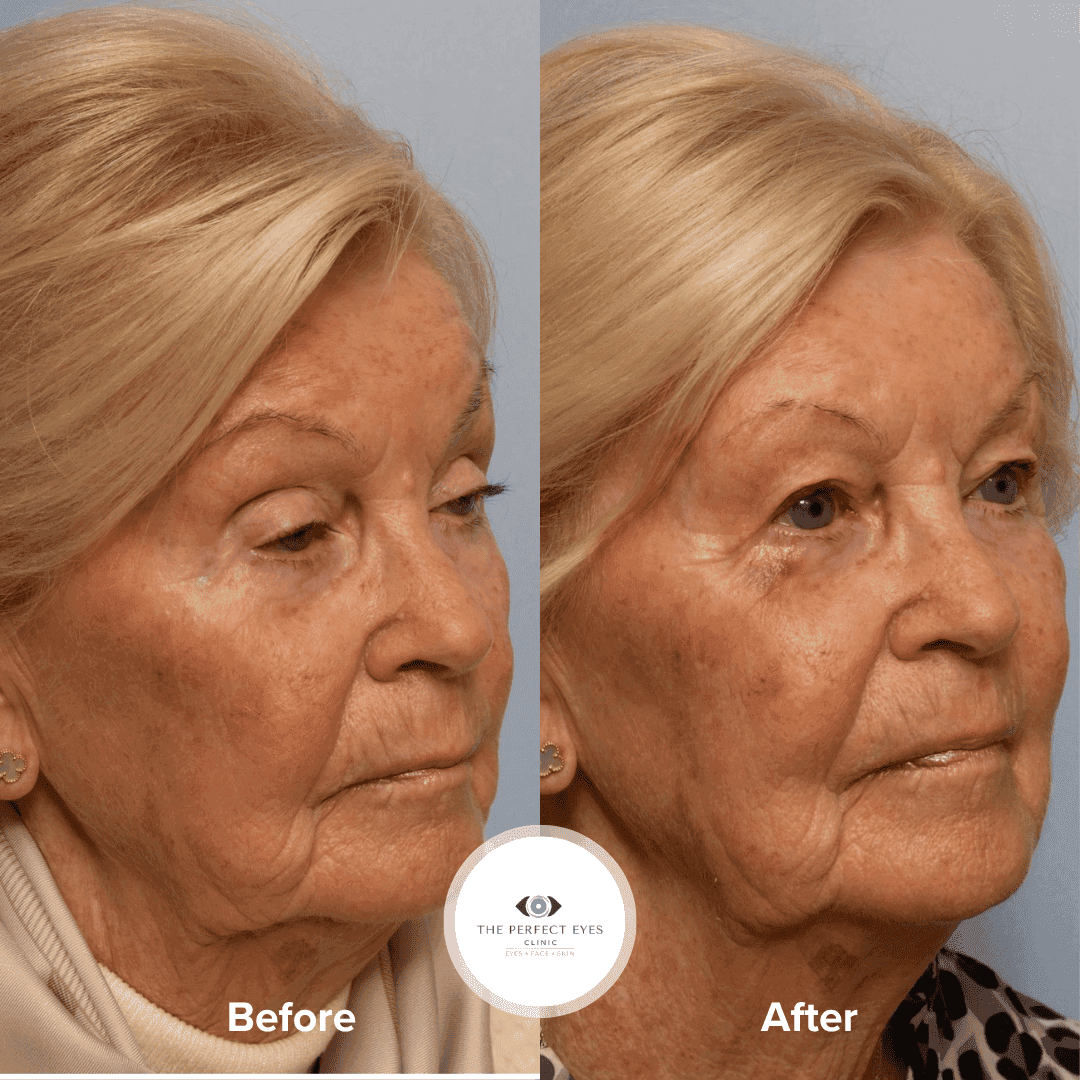
Ptosis Surgery - Before & After Gallery
Your results may vary. Any specific claims or length of results vary for each patient and are not guaranteed.
8 casesIndividual results vary. All photographs are of real patients treated by Dr Sabrina Shah-Desai and are published with consent.

Meet the Expert: Dr Sabrina Shah-Desai
Dr Sabrina Shah-Desai is the founder and Medical Director of Perfect Eyes Clinic. With over two decades of surgical and non-surgical experience, she is considered one of the safest, most experienced oculoplastic surgeons in the UK.
Her extensive training, combined with her caring and empathetic nature, makes her a natural choice for patients seeking the very best care. Dr Sabrina appears consistently in Tatlermagazine as one of the UK's “Best Eye Surgeons” and “Top Doctors” since 2019.
Learn About Dr SabrinaPtosis Surgery Cost in London
Prices are a guide; your surgeon confirms the total during consultation.
Unilateral Ptosis Surgery from £4,500
Bilateral Ptosis Surgery from £6,500
Important: all cosmetic procedures incur 20% VAT. Fees are estimates and will be confirmed after medical consultation.
Book a medical consultationFrequently Asked Questions
The questions patients ask most often, answered by the clinic. If yours isn’t here, ask us directly - we would be delighted to help.
- Occasionally, patients with eyelid trauma or a myopathic cause of ptosis (for example, with restricted eye movement as seen in chronic progressive external ophthalmoplegia) may benefit from ptosis props, crutch spectacles or a scleral contact lens. Although the outcome may not produce as good an aesthetic result, in certain cases they are an option to consider and can be discussed by your surgeon. Patients with a mild (1mm) ptosis can benefit from topical prescription eye drops (Upneeq). Some patients may also benefit from a neurotoxin injection to temporarily improve the eyelid ptosis.
- The risks of Ptosis Surgery include:
Infection: This is very rare; however, occasionally the stitches may become infected or inflamed. This can be swiftly settled with oral and topical antibiotics.
Scarring: Generally, scars are hidden in the skin fold. Stitches are normally visible for the first week, then, when they are removed, a faint scar is visible. While the scar may seem thickened and red for 6 to 12 weeks, it will gradually become almost invisible after that period.
Large bruise or haematoma: This is minimised by regular use of ice packs, avoiding heavy exercise for 2 weeks after surgery, and stopping aspirin and other anticoagulants (if safe to do so) 2 weeks pre-operatively.
Theoretical risk to vision: Any eyelid surgery carries the risk that an undiagnosed infection or bleed could damage the optic nerve. This is so rare that, by comparison, a normal car journey poses a much greater risk to your vision.
Asymmetry of eyelid shape, height, upper lid fold or fullness: This is rare, but can occur, and often settles as swelling resolves. Rarely, this may require revision surgery.
Blood stained tears: This can occur within the first 48 hours after surgery and should be managed by gentle, firm, constant pressure on the shut eyelid for 10-15 minutes.
Recurrence of ptosis: This can occur early post-surgery (3 months) or late (after a few years), due to early suture dissolution, or a weakening or stretching of the scar. This will need to be corrected by re-operation.
Contralateral ptosis: The eyelids are a pair, and often when one eyelid is droopy, the contralateral eyelid can appear to be in a "normal" position. However, immediately after surgery, the "normal" eyelid can droop. This can correct itself within a few weeks or require a ptosis correction.
Exposure of the buried stitches, with resultant foreign body or pricking sensation: If this happens, the offending stitch needs to be removed. Rarely, if the stitch is not removed, it can cause a corneal ulcer, which needs intensive topical antibiotic treatment.
Call or email us today, we would be delighted to answer your questions.
Ask a Question or Book an AppointmentRated five stars by patients across the globe
4.8out of 5 from 240+ Google reviews




Book Your Consultation Today
Get personalised advice and expert care from our top medical professionals at 121 Harley Street, London.
Related Blogs
How Much Does a Brow Lift Cost in the UK?
For a brow lift surgery in the UK, prices begin at £6,000 for uncomplicated cases. The cost of a brow lift not only covers the actual surgery but…
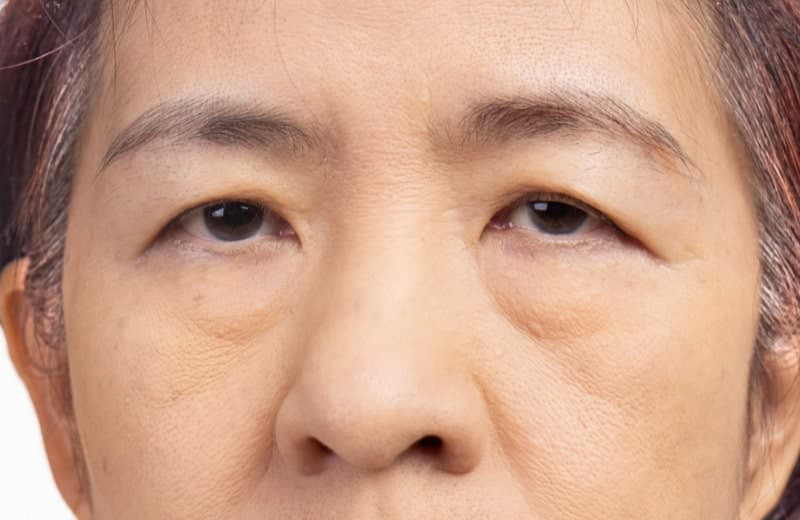
Sudden Droopy Eyelids: Causes, Symptoms, and Diagnosis
Droopy eyelids occur when the upper eyelid sags more than usual. This can be due to the eyelid itself sitting lower than normal (ptosis) or because…
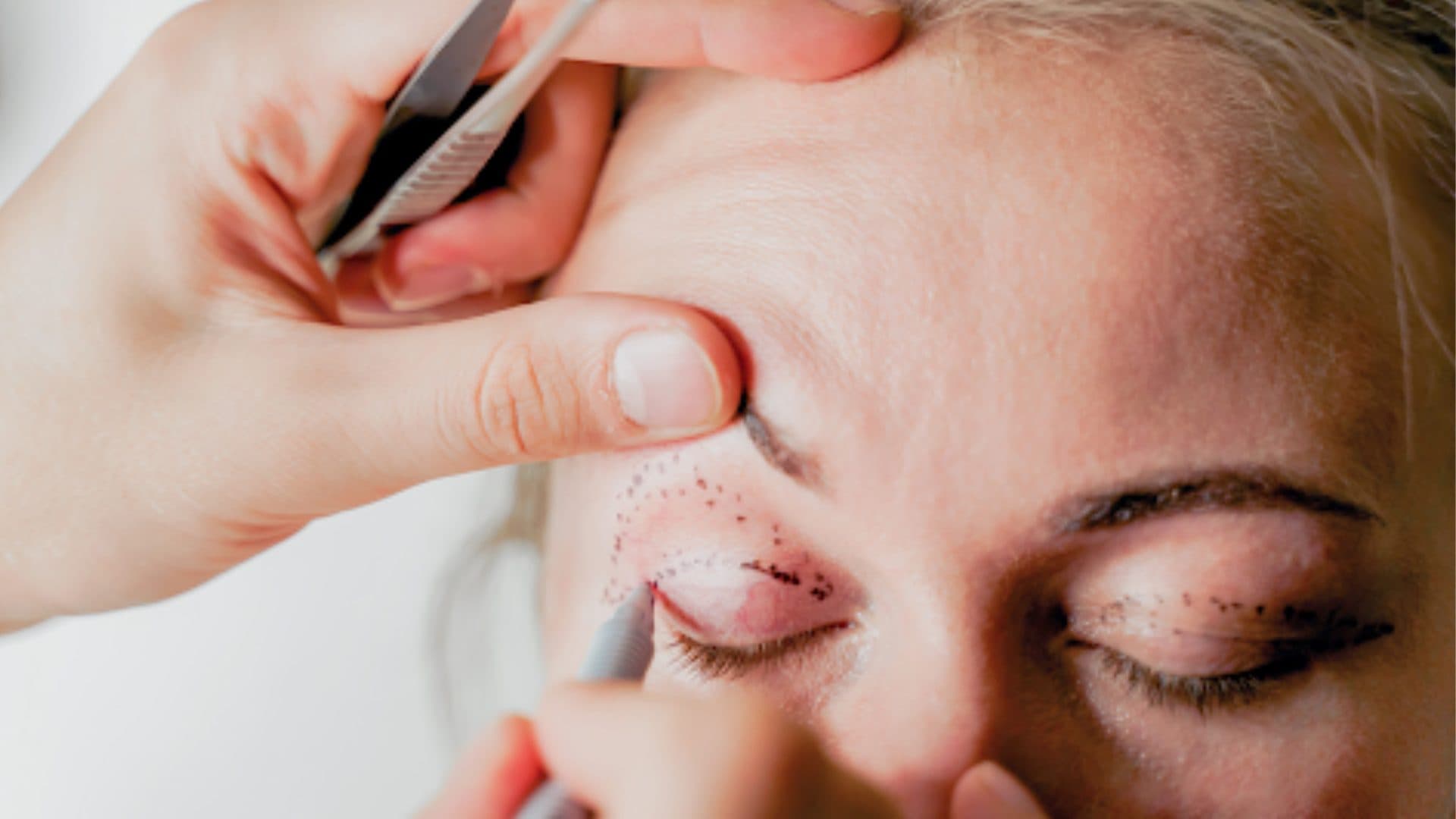
Ptosis Surgery Recovery
Ptosis of the eyes is commonly known as " droopy eyelids ." This condition signifies that your eyelids sag over your eyes. As we grow older, the…
How To Fix Droopy Eyelids Without Surgery?
Droopy eyelids are also known as skin or eyelid ptosis. It can be bothersome and make you look older. Things like genetics, getting older, and…
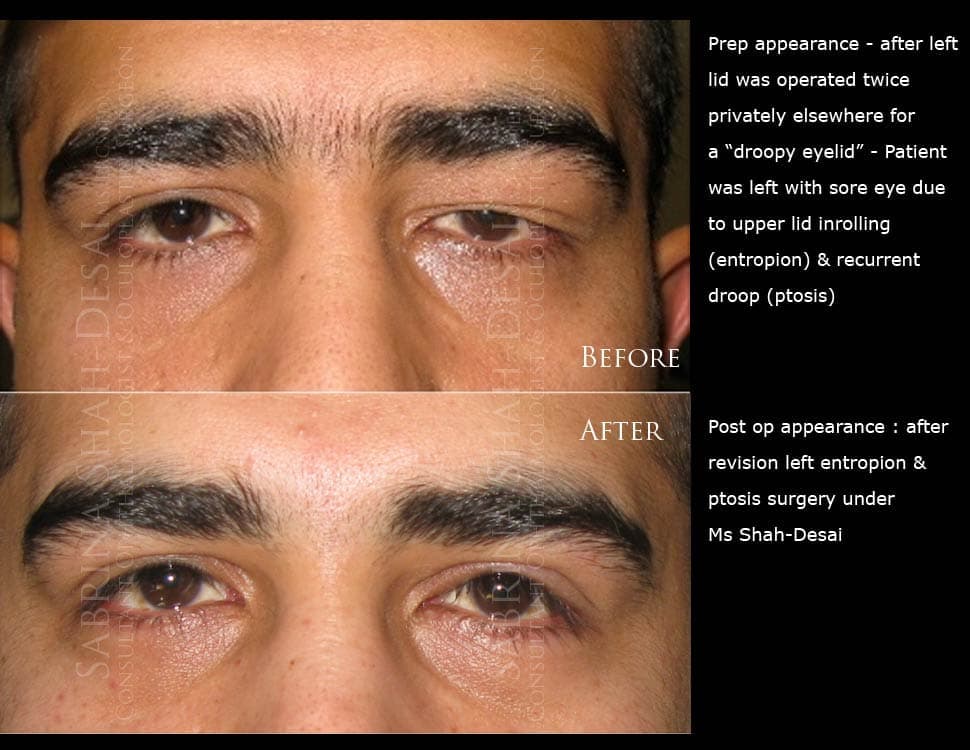
Case study for revision droopy eyelid (ptosis) surgery
"I was initially operated on by a Harley Street surgeon to correct a droop (ptosis) in my left eyelid. Two unsuccessful surgeries by the original…
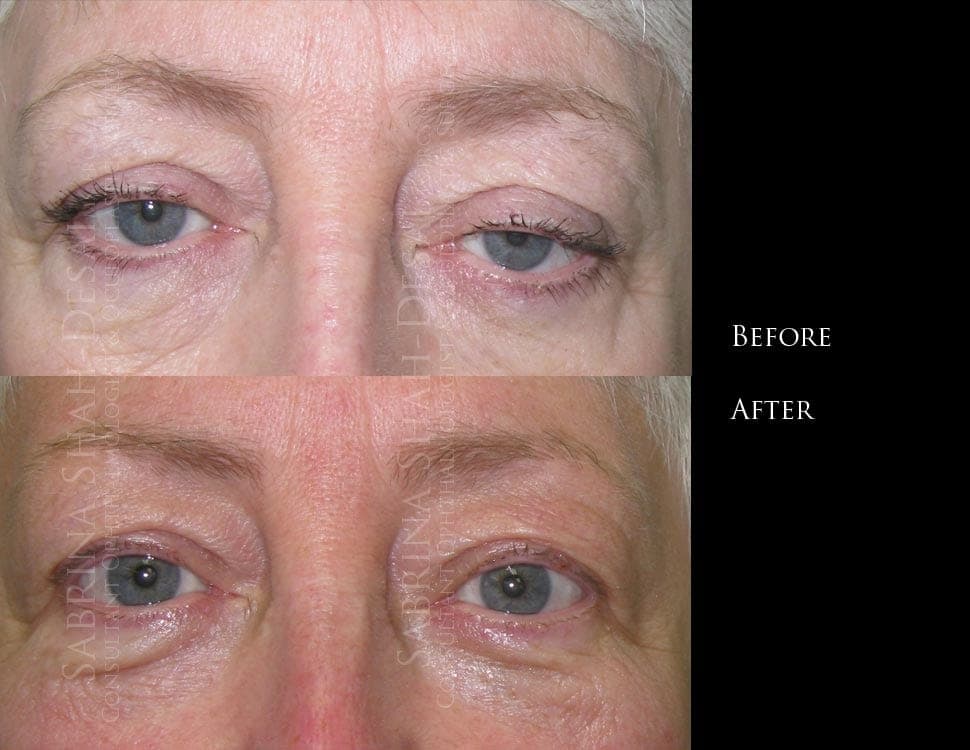
Case study : scarless droopy eyelid (ptosis) repair
I am absolutely thrilled with the outcome of my eye surgery. Mrs Shah-Desai did a brilliant job in correcting my ‘droopy eye’. I was a little…
Contact our clinic
Speak to our team about which treatment suits you, or arrange a private consultation at 121 Harley Street.