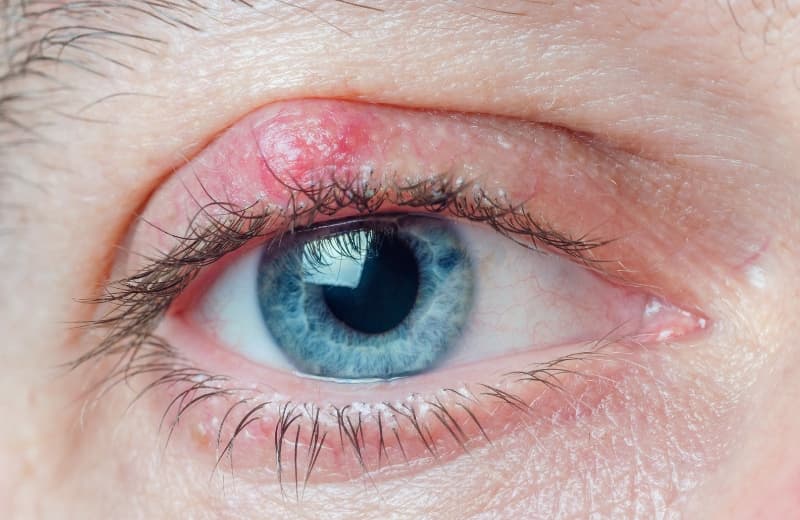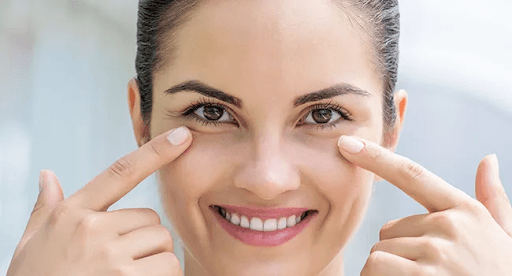
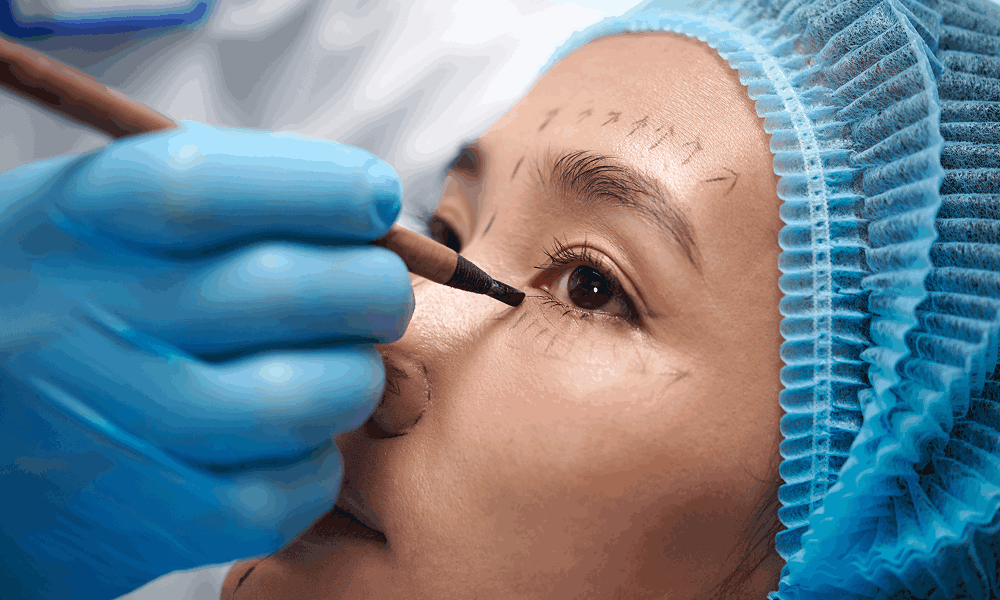
Sagging eyelids, or hooded eyes, are among the most common complaints as people age. You haven’t had enough sleep, and even if you have, your eyes can appear tired, smaller, or less defined. Surgery can seem like a significant step for many, and that’s where modern non-surgical options come in.
These days, there are a few good options for getting an eyelid lift without going under the knife, and what’s causing the drooping will inform which procedure is best for your eyelids. We’ll explain our top non-surgical eyelid-lifting options, how they work, who is an ideal candidate, and what results you can realistically expect.
Why eyelids start to droop in the first place
1. Loss of skin elasticity with age
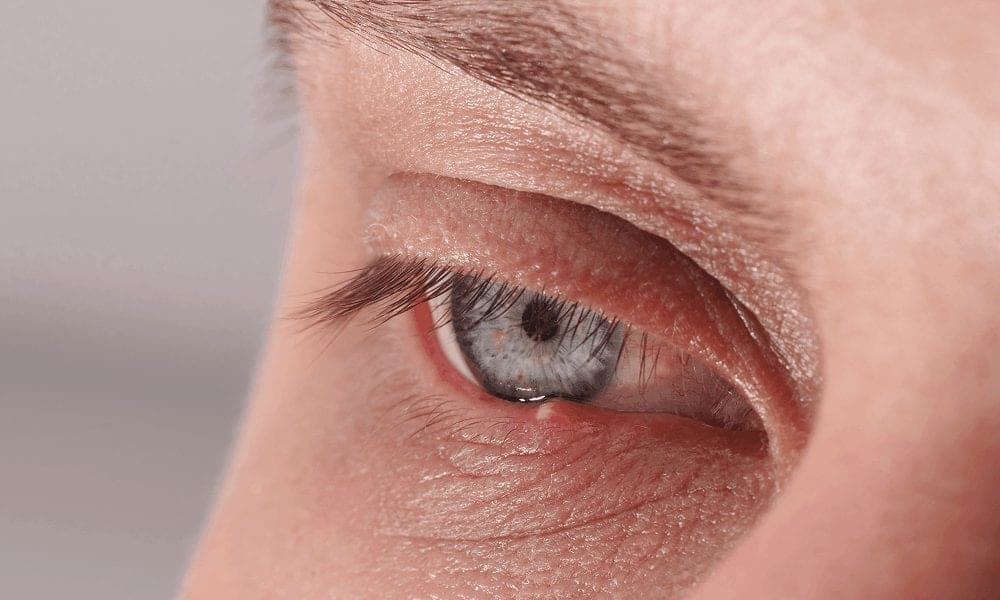
The skin is also much thinner and less elastic as we age. This loss of tightness causes the upper eyelids to sag and wrinkle inward, resulting in a droopy or heavy appearance that can make your eyes (along with your overall mood) look exhausted even when you’re well-rested.2. Natural collagen and elastin breakdown
Collagen and elastin provide structure to the skin’s surface. Over time, the body produces less of both elements, which weakens the structure and diminishes its ability to hold itself aloft against gravity on your face.3. Dropping of the eyebrow position
In many cases, the problem isn’t so much the eyelids as the eyebrows gradually descending with age. Droopy brows: when the brow droops, it drapes extra skin over the upper eyelids, making them look even heavier and droopier than they really are.4. Loss of volume around the eyes and temples
By hollowing out the upper eye socket or temples, the support that helps keep the eyes open is lost. This hollowing can, in turn, pull the skin around the eyes downward, creating the appearance of droopy eyelids when no excess skin is present.5. Weakening of the eyelid muscle (ptosis)
In a few patients, droopy eyelids result from a weak muscle that raises the eyelid. This is a condition called ptosis, which is unrelated to loose skin and generally won’t be improved by the same treatments used for overall skin tightening.Top Non-surgical eyelid lift options
1. Injectables brow lift (subtle but effective)
The injectable brow lift is among the most favoured non-surgical eye lift procedures, as it’s fast and subtle, with no downtime. Rather than being injected into the eyelid, injectable is administered to precise sites within the forehead and brow muscles. By allowing the pulling muscles of the brow to relax, the other muscle that raises it can lift it slightly. This results in a wide-open eye look and less weight on the upper lids. The effects are natural and typically last 3-4 months, so this is more suitable for early drooping rather than excessively loose skin. This option is best suited for patients whose upper eyelids appear heavy due to a brow that has settled somewhat, but not due to loose skin resting directly on the lid.2. Radiofrequency (RF) skin tightening
Radiofrequency treatments are a tried-and-trusted way to tighten loose skin, often referred to as an upper eyelid lift without surgery. These devices emit radiofrequency energy into the dermis, where it heats tissue, triggering collagen contraction and new collagen production over time. On the upper lids, RF tightens the skin to provide mild-to-moderate tightening, creating a smoother, slightly lifted appearance without injections or incisions. Results take months to develop , and the result looks very natural. This non-surgical eyelid lift treatment is ideal for individuals who are not yet ready for surgery and prefer a gradual improvement over time rather than an immediate change.3. Plasma eyelid tightening (non-surgical blepharoplasty)
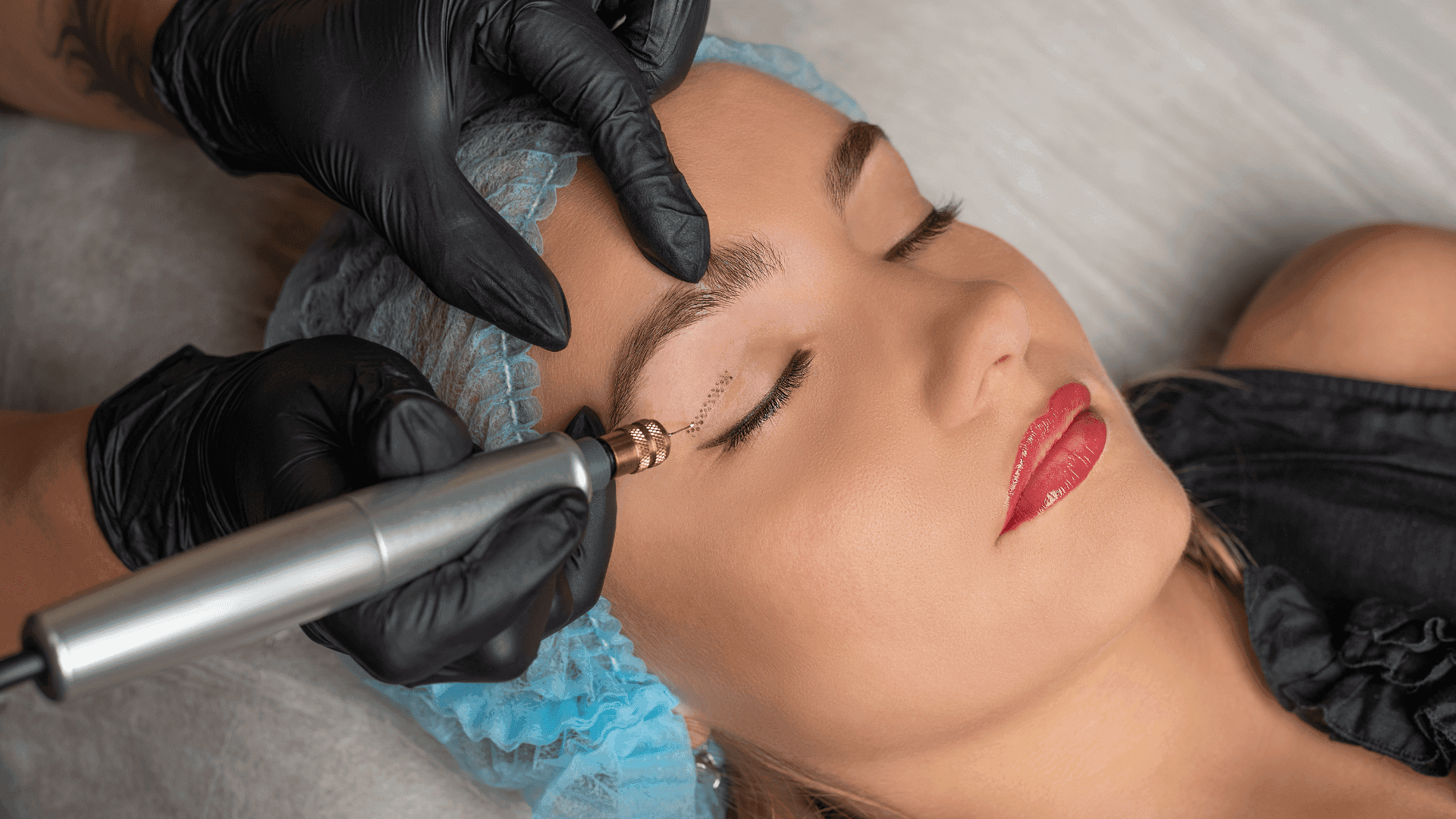
Plasma eyelid tightening is often referred to as non-surgical blepharoplasty. It works by using controlled plasma energy to create tiny thermal points on the skin's surface, causing immediate contraction and triggering long-term tightening as the skin heals. This treatment is designed specifically for excess upper eyelid skin and can significantly reduce hooding in mild-to-moderate cases. Small scabs form during healing, which usually fall off within a week, revealing firmer skin underneath. For people asking how to fix droopy eyelids without surgery, plasma treatments can be a strong alternative when performed by an experienced practitioner, especially when surgery is not desired.4. Laser skin tightening for eyelids
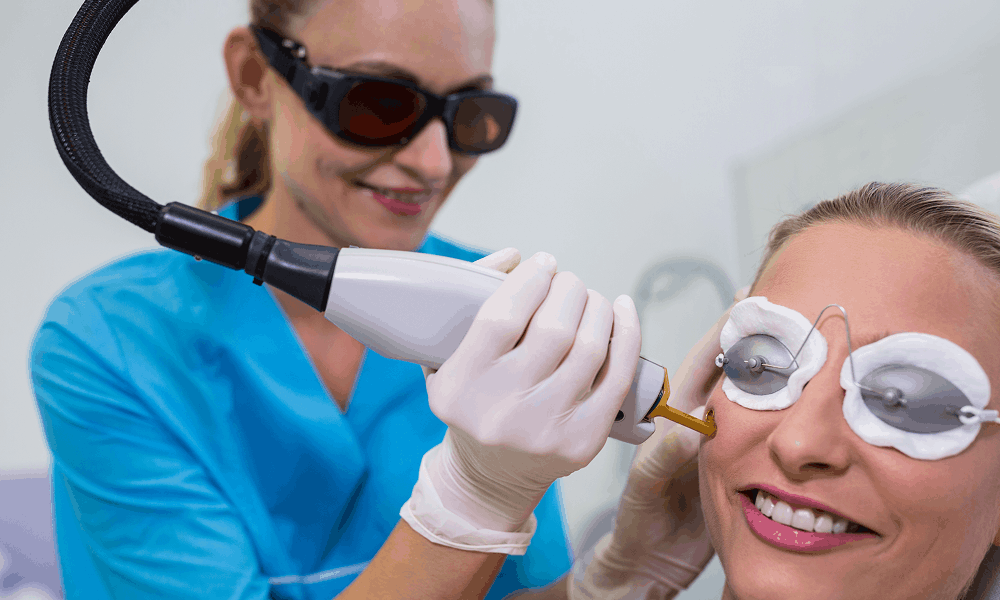
Laser treatments are another option for a non-surgical eye lift, particularly when skin quality is a concern. Certain lasers can target the delicate eyelid area to improve tightness, texture, and fine lines. The laser's heat stimulates collagen production while gently resurfacing the skin. Over time, this can create a lifted appearance and improve the overall tone of the upper eyelids. Laser eyelid tightening is most effective for early drooping and is often combined with other treatments for enhanced results. Downtime depends on the type of laser used, but many modern systems offer minimal recovery.5. Dermal fillers for upper eyelid support (advanced technique)
Although fillers are more commonly associated with volume restoration, they can play a role in non-surgical eyelid lift treatments when used carefully. In some patients, eyelid heaviness is caused by volume loss around the temples or upper orbital area rather than excess skin. Placing filler in the right structural areas can restore support, improve eye shape, and indirectly lift the eyelids. This technique requires advanced anatomical knowledge and is not suitable for everyone. When done correctly, fillers can make the eyes look brighter and more open without touching the eyelid skin itself.6. Prescription eye drops for eyelid drooping
In some cases of mild eyelid drooping caused by muscle weakness rather than skin laxity, prescription eye drops may provide temporary improvement. These drops stimulate a muscle that lifts the upper eyelid, creating a subtle yet noticeable effect. This option does not replace structural treatments, but it can be helpful for short-term improvement, special occasions, or for people who are not suitable candidates for other procedures. Results are temporary and last only while the drops are active. If you’re researching how to fix droopy eyelids without surgery, the key is a proper assessment. Some people need skin tightening, others need muscle relaxation, and some need volume support. A consultation with an experienced practitioner is essential to determine:- Whether the droop is skin-based, muscle-based, or volume-related
- How much lift can realistically be achieved without surgery
- Whether combining treatments would give a better result

Trust your eyes to the experts
- Consult with our doctor-led team for expert, personalised care
- A Care Quality Commission (CQC) rated clinic for your peace of mind
- Achieve a naturally refreshed look with over 25 years of expertise
What results can you realistically expect?
Non-surgical eyelid treatments aim for natural enhancement, not dramatic restructuring. Most people notice their eyes look more open, refreshed, and less heavy rather than “done.” Results vary depending on age, skin quality, and the treatment used. Some treatments offer immediate improvement, while others take weeks to develop. Maintenance is often required, especially for injectables. Understanding these expectations helps avoid disappointment and ensures satisfaction with the outcome.Who is (and isn’t) a good candidate?
You may be a good candidate for a non-surgical eyelid lift if:- Your eyelid drooping is mild to moderate
- You want improvement without scars or a long recovery
- You prefer gradual, natural-looking results
- Excess skin blocks vision
- Drooping is severe
- There is significant eyelid muscle dysfunction
Final Thoughts
For the right person, non-surgical treatments can be a highly effective way to refresh the eye area without committing to surgery. With modern technology and skilled technique, it’s possible to achieve visible lifting, smoother skin, and brighter eyes safely. If you’re considering an eyelid lift without surgery, the most important step is choosing an experienced practitioner who understands eyelid anatomy and can guide you toward the safest and most effective option for your face.Good to know
Frequently asked questions
Still unsure? Our team is glad to talk you through anything before you book.
- Yes, mild to moderate droopy eyelids can often be improved with non-surgical treatments like injectables, skin-tightening devices, or plasma treatments, depending on the cause.
- The best option depends on whether your drooping is caused by loose skin, muscle movement, or volume loss. A consultation is needed to choose the right treatment.
- Results can last from a few months to over a year, depending on the treatment used and your skin's response.
- Most treatments cause only mild discomfort and are well tolerated. Numbing cream is often used to keep you comfortable.
- People with severe eyelid drooping or vision obstruction may be better suited for surgical treatment rather than non-surgical options.