





What are Exosomes?
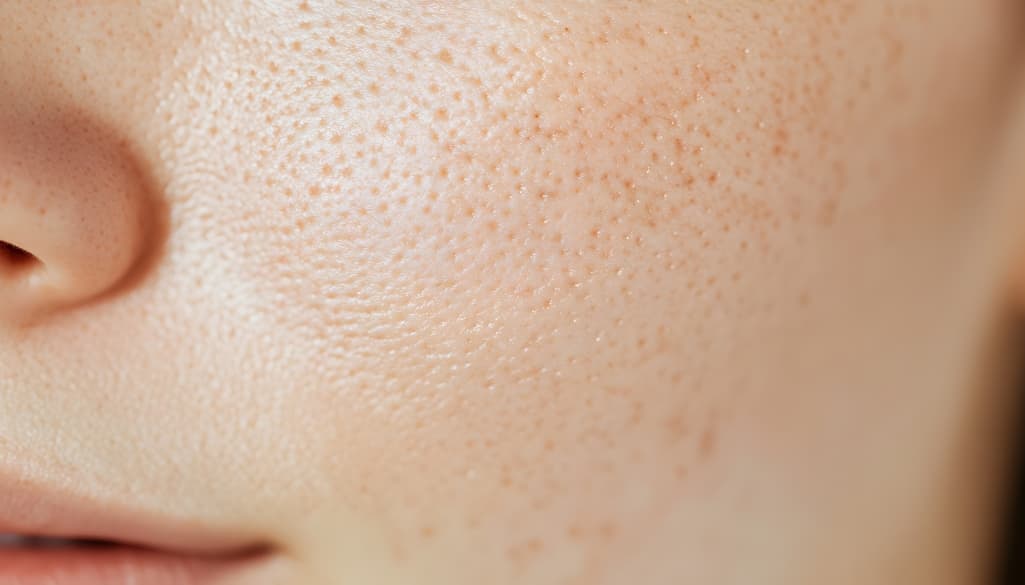
Exosomes are the latest buzz word in the field of regenerative medicine and skincare, offering innovative potential in skin rejuvenation. Exosomes are small vesicles secreted by various cell types, including stem cells. They contain bioactive molecules such as growth factors, cytokines, and microRNAs, which can influence cellular communication and regeneration. When used in skincare, exosomes are often derived from stem cells and can have several potential benefits for skin rejuvenation, including:
- Anti-Aging Properties: exosomes are believed to contain growth factors and signalling molecules that may stimulate collagen production and elastin formation, improving skin elasticity and reducing the appearance of fine lines and wrinkles.
- Skin Repair: exosomes may promote tissue repair by enhancing the skin's ability to regenerate and heal, particularly beneficial for damaged or scarred skin.
- Skin Hydration: exosomes can help improve skin hydration by promoting the production of hyaluronic acid, a natural moisturising factor that retains water in the skin.
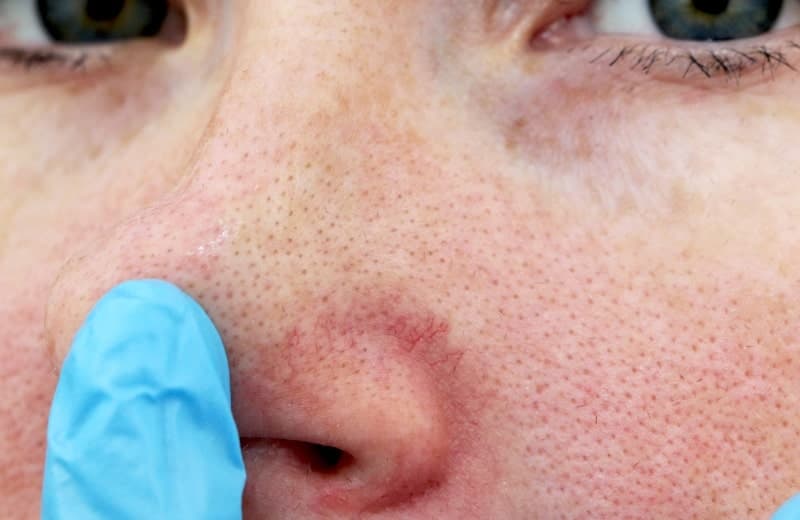
- Reduction of Inflammation: exosomes have anti-inflammatory properties and may help reduce skin inflammation and redness, making them suitable for conditions like rosacea or sensitive skin.
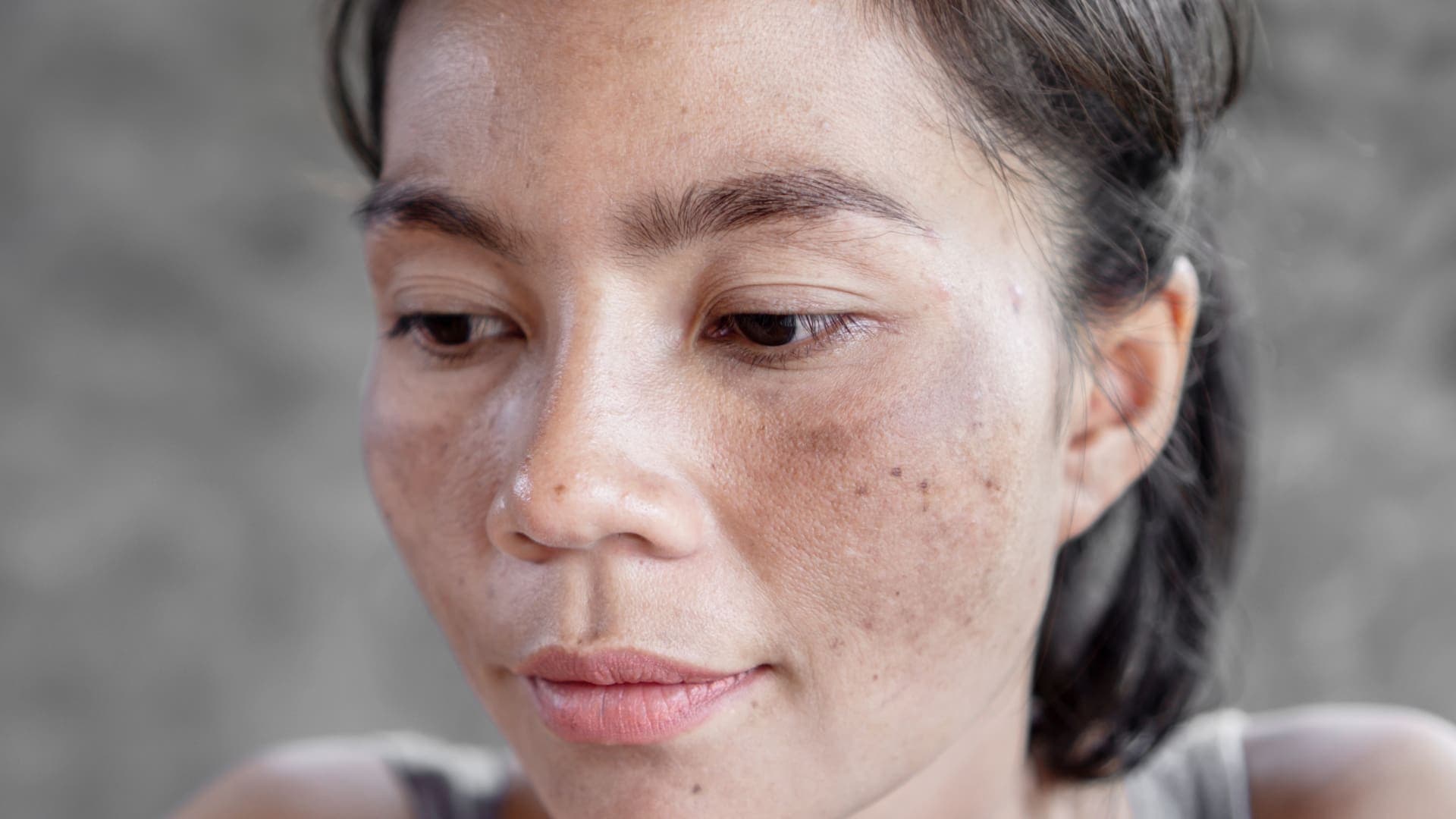
- Pigmentation: exosomes may help even out skin tone and reduce hyperpigmentation by influencing melanin production and distribution.
- Enhanced Penetration: exosomes can serve as carriers for other active ingredients, helping them penetrate the skin more effectively.
- Minimal Risk of Allergic Reactions: exosomes are typically well-tolerated by the skin, making them suitable for individuals with sensitive skin or a history of reactions to other skincare ingredients.
They can also be used in promoting hair growth and improving hair quality, by stimulating hair follicle stem cells to encourage growth and thickening. A 2021 study (Yang GH, Lee YB, Kang D, et al. Overcome the barriers of the skin: exosome therapy. Biomater Res. 2021) showed that exosomes stimulate collagen synthesis, reduce inflammation, and promote angiogenesis - the formation of new blood vessels. This combination of characteristics is used in:
- Skin regeneration and treating dermatological conditions like acne, eczema and psoriasis
- Hair loss reduction
- Wound/scar repair
What are Autologous Exosomes?
Autologous exosomes are exosomes derived from an individual's own body, making them "self-derived" or "self-sourced." These exosomes are obtained from the person's tissues or cells and then used for various therapeutic or regenerative purposes. The term "autologous" signifies that there is no risk of immune rejection or adverse reactions, as the exosomes are derived from the same person who will receive the treatment.
What is the Treatment Procedure with Autologous Exosomes?
Here are some key points to understand about autologous exosomes and how we harvest them. Plan to be in the clinic for 60-90 minutes. You can be a bit bruised and swollen for between 1-7 days after the treatment, so factor that into planning.
- Source: autologous exosomes are typically isolated from a patient's own blood cells. We take 60ml of your blood - a relatively painless procedure, similar to blood being taken from a vein for a blood test. We request you eat food 1-2 hours prior to treatment and are well hydrated with water, and avoid alcohol 24 hours prior.
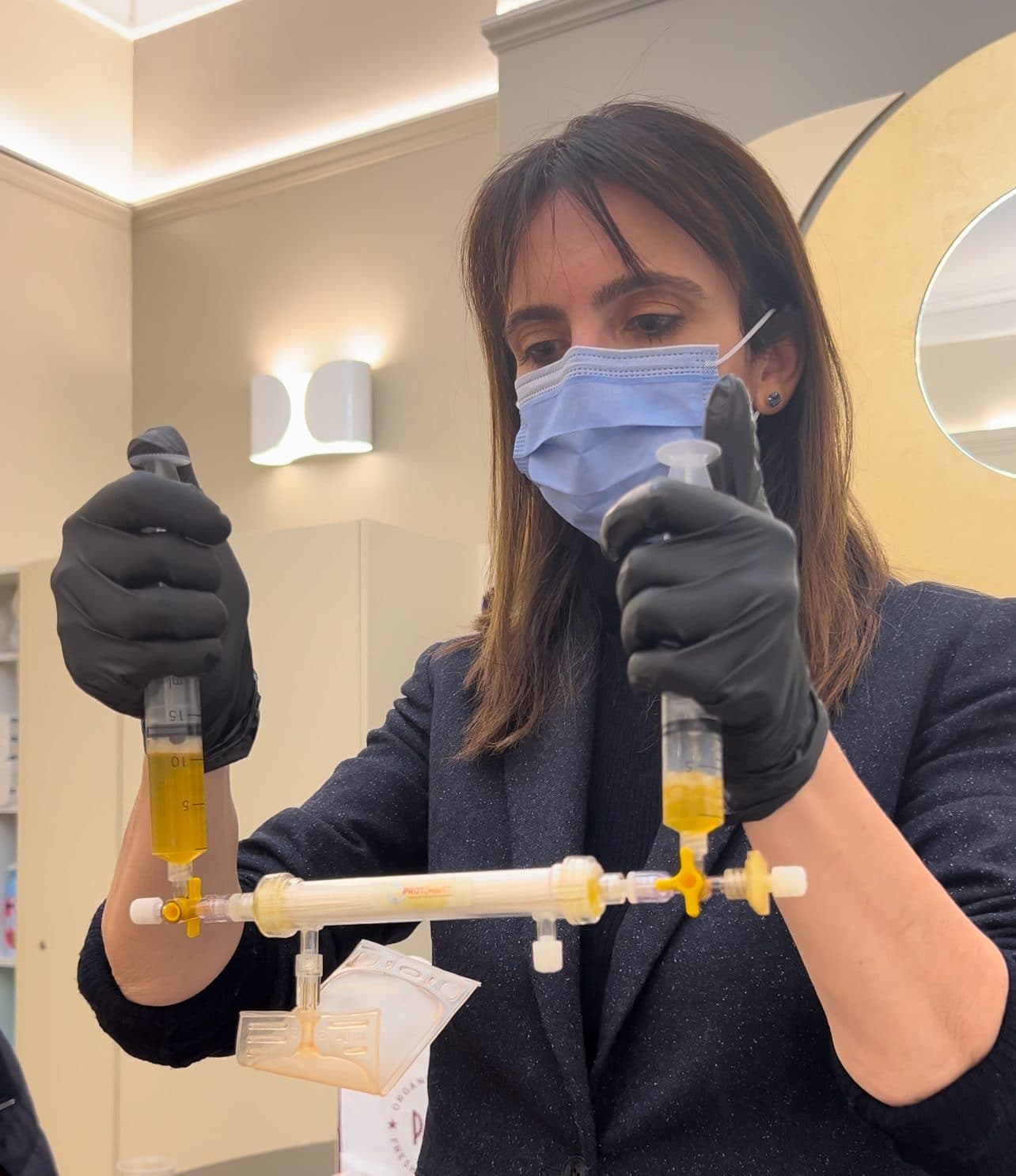
- Production Process: to obtain autologous exosomes, the patient's cells are centrifuged and then concentrated and purified using ultrafiltration for immediate therapeutic use. We get a final 5-6ml of the exosome cocktail for injection from 60ml of blood collected.
- Treatment Procedure: the skin of the face and neck, or the scalp, is numbed for 20-30 minutes while the exosomes are being prepared. The skin is cleansed, and multiple fine, painless injections are performed using an invisible needle to inject the exosomes into the dermis of the skin or into the scalp.
If the treatment is being performed after micro-needling or laser, the exosomes are simply applied into the treated skin.
Note: we prepare and inject autologous exosomes immediately, thus ensuring high viability.
Summary
Literature review over 10 years showed promise in animal and cell models and in early clinical trials for skin rejuvenation, scar revision, hair restoration, and fat graft survival. Exosomes show promise in several areas of nonsurgical rejuvenation; however, further studies are warranted to determine whether this modality is superior to PRP and fat grafting.